
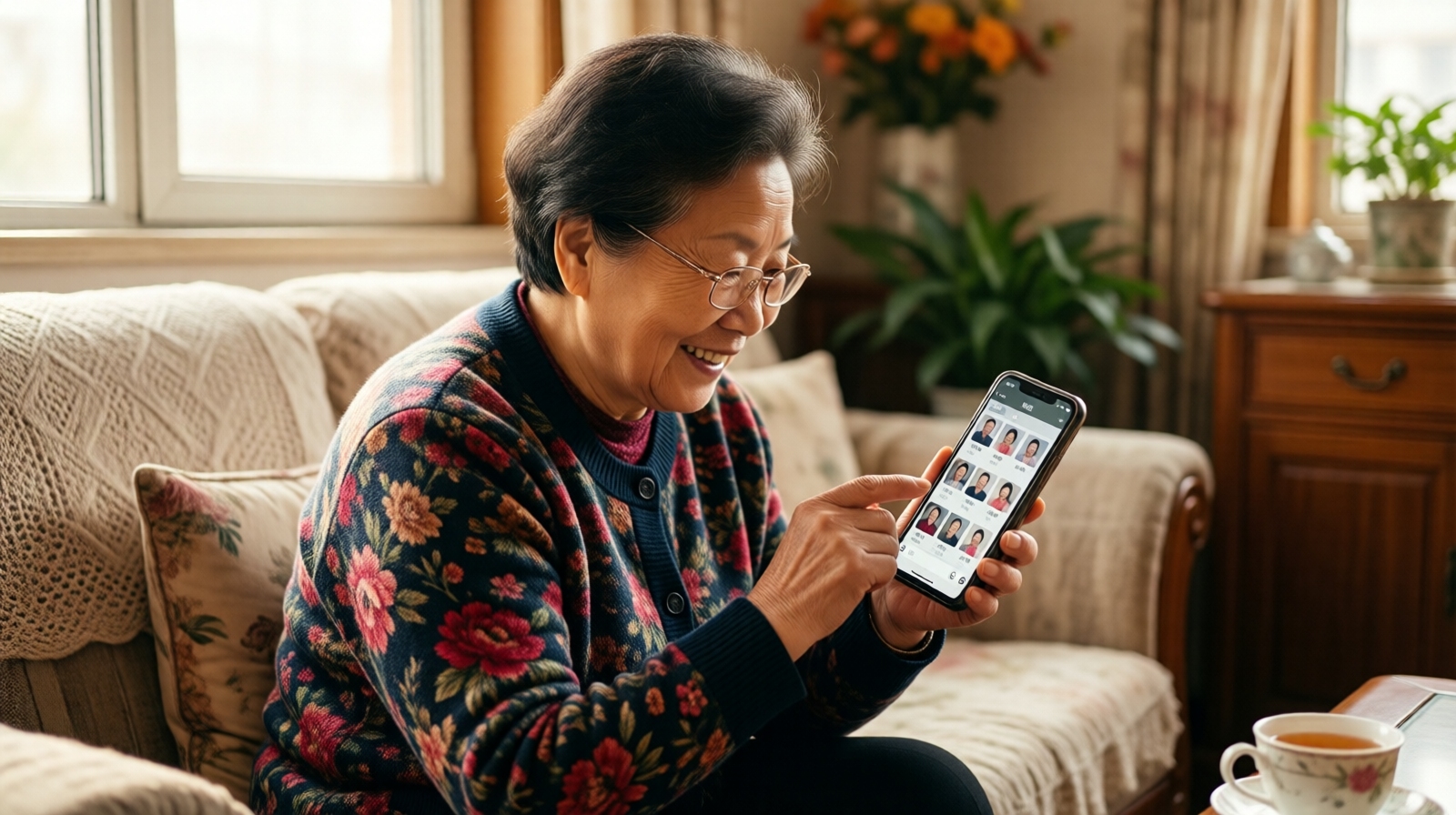

Introduction: The 7 AM Bargain Link
If you have a Chinese grandparent, your morning alarm probably isn’t a song—it’s a Pinduoduo link. The message pops up at 6:58 AM, right after Grandma’s “Good morning, my dear” sticker (a flower-drenched gif with a golden rooster and the word “happiness” in sparkly calligraphy). Followed by a request: “Help me cut the price, just one more click!”
This is not spam. This is love. This is the WeChat family group—the digital living room where millions of Chinese seniors have found their second youth. And if you’re not inside one, you’re missing out on one of the most fascinating social ecosystems in modern China.
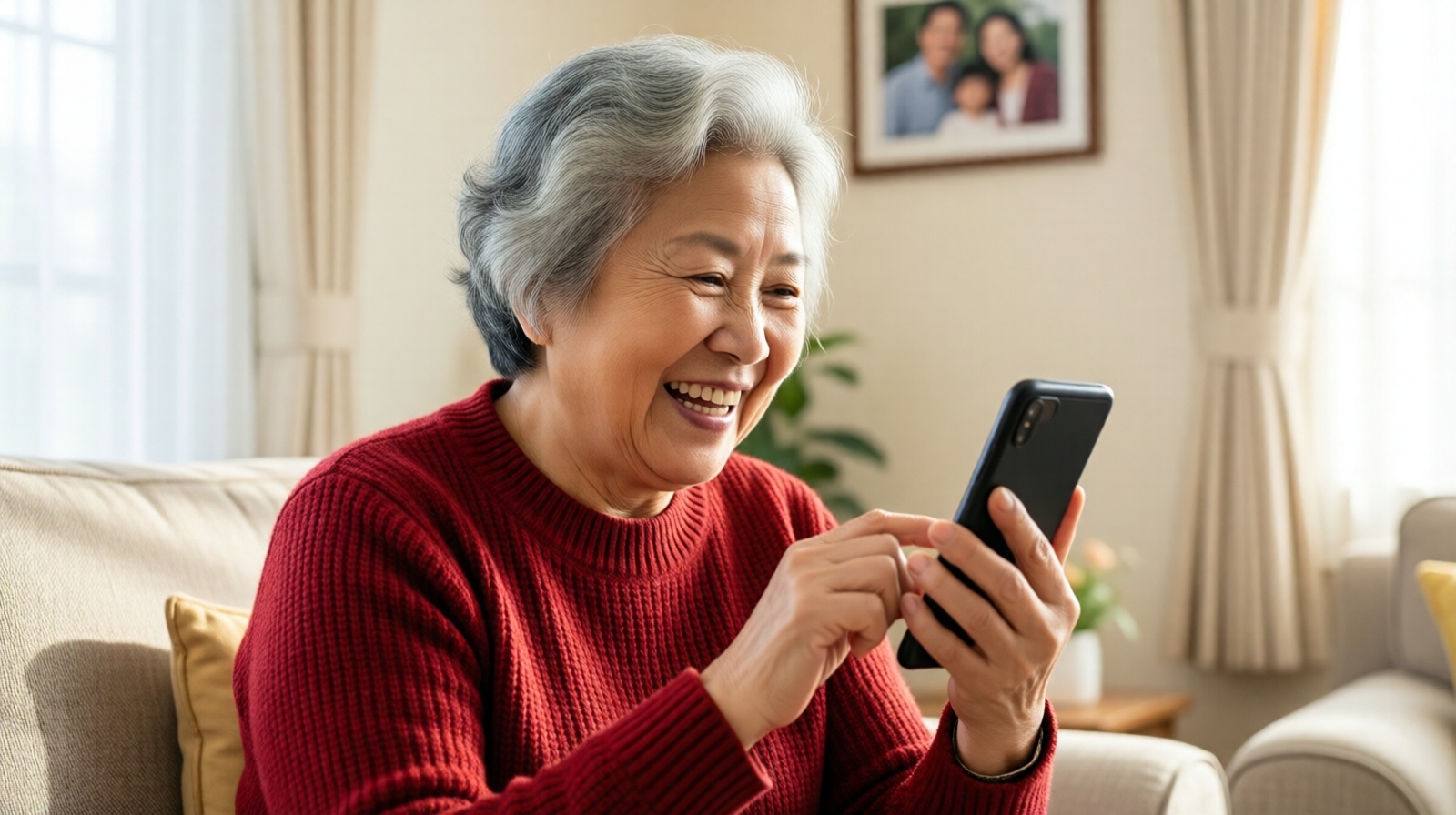
The Family Group: A Digital Village Square
WeChat is the Swiss Army knife of Chinese life, but for the 50+ crowd, the family group is the killer app. It’s where they share news, gossip, recipes, and—most importantly—their social currency. In a country where extended family ties remain strong, the group chat has replaced the courtyard, the tea table, and the phone tree.
Think of it as a 24/7 family reunion where everyone brings their own agenda. The younger generation posts travel photos and funny memes; the middle-aged aunts share inspirational quotes and cooking videos; and the grandparents? They own the group. Not through admin power, but through sheer volume and emotional strategy.
The Grandparent Content Strategy
Let’s break down the typical grandparent’s posting playbook, which is surprisingly sophisticated:
- The Morning Blessing Sticker (6:30-7:30 AM): A colorful, lo-fi animated image featuring flowers, birds, or a waving Buddha. Text usually reads: “Good morning, may your day be filled with sunshine.” This is the opening ritual, establishing presence.
- The Bargain Link (anytime): Usually from Pinduoduo or Taobao. The request: “Help me cut 0.01 yuan off my order.” It’s a game of social capital—the more family members who help, the more face they gain. Refusing to click is a minor social faux pas.
- The Health Myth (peaks after lunch): “Doctors warn: never eat eggs with this vegetable!” or “This 90-year-old doctor’s secret to longevity is drinking warm water with salt.” These are often shared from dubious WeChat official accounts, but the intention is pure care. They want to protect you—even if the science is, well, creative.
- The Red Envelope Game (festivals or random Tuesdays): Grandma sends a ¥1.88 red envelope with the caption “For my sweet grandchild.” The joy is not the money; it’s the act of giving and the flood of thank-you stickers that follow.
- The Voice Message Monologue (60 seconds, no punctuation): A stream-of-consciousness update on the weather, what they had for lunch, and a reminder to wear a jacket. It’s a podcast, but only for you.
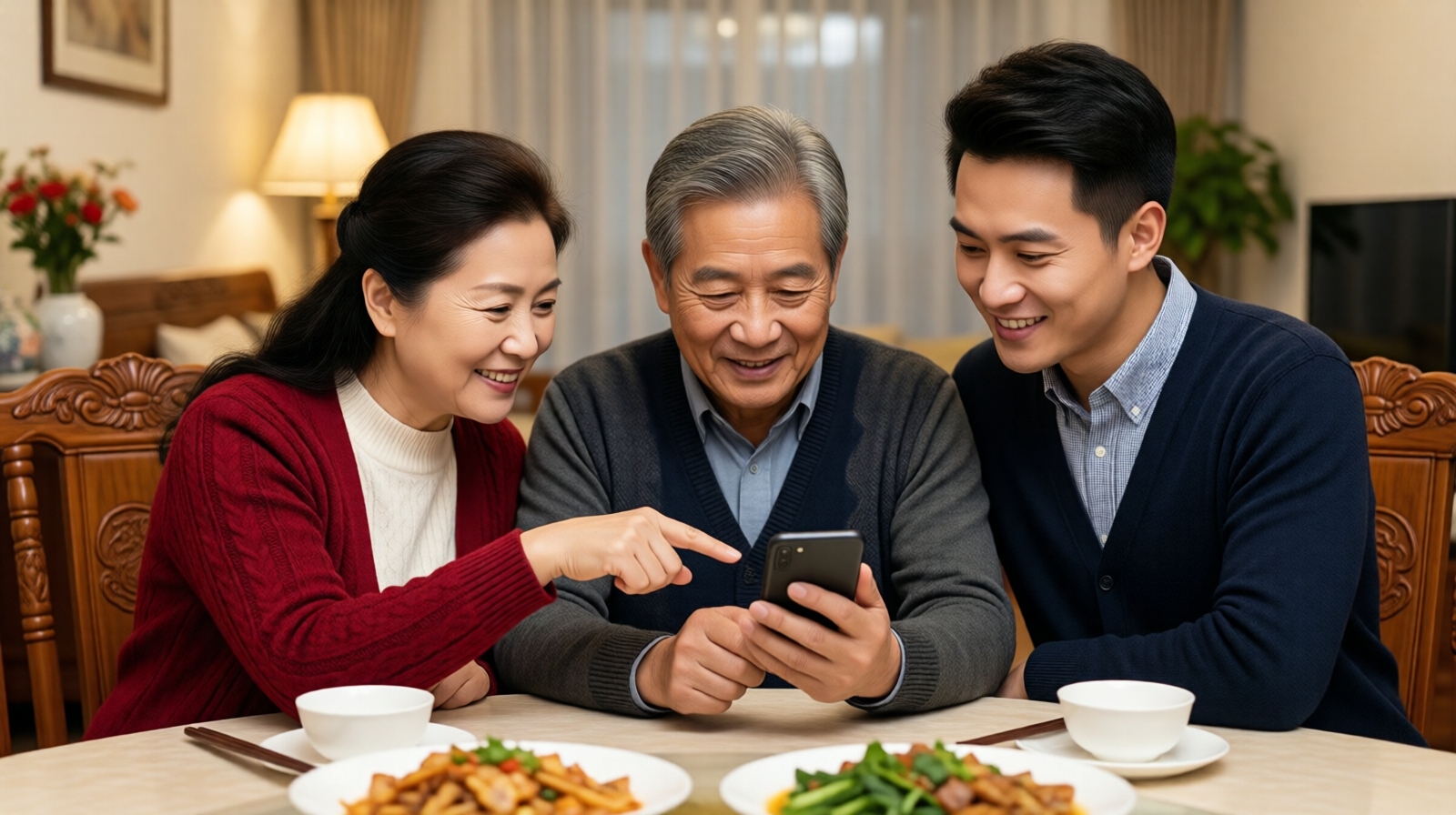
Why This Matters: Beyond the Digital Divide
To outsiders, this might look like a nuisance. But for China’s rapidly aging population—over 300 million people are 60 or older—the family group is a lifeline. It’s where they stay connected, feel useful, and exercise a form of control in a world that’s moving faster than they can keep up.
The bargain links aren’t just about saving money; they’re about participating in the same consumer culture as their kids. The health myths? A way to show they still have knowledge to offer. The morning stickers? A digital version of knocking on your door to say “I’m here.”
Younger family members often roll their eyes, but many have learned to work with the system. Some create a “grandma-approved” channel where they pre-verify health claims before sharing. Others gamify the process: they help cut prices in exchange for grandma’s blessing on their dating choices. It’s a negotiation, and everyone has a role.
How to Survive (and Thrive) in a Family Group
If you’re a foreigner married into a Chinese family, or a young Chinese person who’s tired of the noise, here’s a survival guide:
- Always reply to the morning sticker. A simple “Good morning, Grandma!” pays dividends. It shows respect and keeps the relationship warm.
- Click the bargain link. It takes three seconds and saves you from a dozen follow-up messages. If you’re feeling generous, send a screenshot of the “successful help” page.
- Don’t argue with the health myth. Instead, gently redirect: “Grandma, that’s interesting! I read somewhere that the official health authority recommends…” Never use the word “fake.” Preserve her face.
- Send occasional red envelopes. Even ¥2.88 (pronounced “double fortune”) will make you the favorite grandchild for a week.
- Use voice messages, not text. Grandparents prefer hearing your voice. A 10-second voice note saying “I love you, Grandma” is worth more than a hundred emojis.
Conclusion: The Unlikely Digital Renaissance
WeChat family groups are not just a Chinese phenomenon; they’re a window into how technology can bridge generational gaps when designed with care. In the West, seniors often feel isolated by social media. In China, the family group gives them a stage. They’re not just passive consumers—they’re active creators, community managers, and emotional anchors.
So next time you see a health myth about “eating watermelon seeds causes appendicitis,” take a breath. Remember that behind every link is a grandparent who loves you, who wants to be part of your life, and who has figured out that the quickest way to get your attention is through a 0.01 yuan discount. Click it. They earned it.
And maybe, just maybe, send them a voice message saying you love them. They’ll forward it to the group with a crying emoji. Guaranteed.
Start the discussion at forum.chinacomes.com