
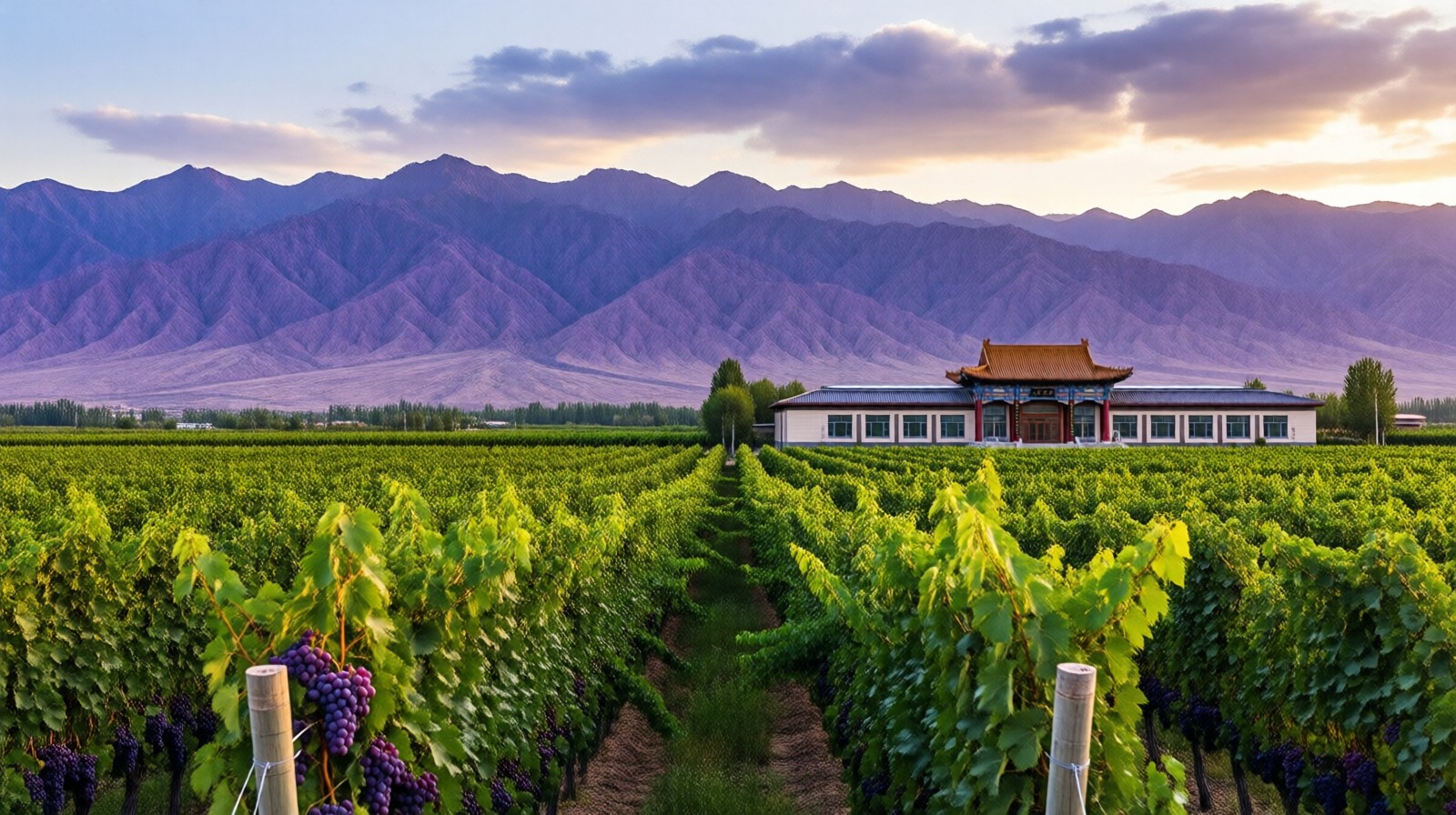

Morning in the Vineyards
The sun was already warm over the eastern foot of the Helan Mountains when the minibus pulled into the gravel parking lot of a family-run winery in Ningxia, northwest China. At 9 a.m., the air smelled of ripening grapes and dry earth. A group of twelve tourists climbed out, most of them from Beijing and Shanghai, here for a weekend day trip.
Inside the winery, a young guide named Li Wei handed out straw hats. ‘We start with a walk through the vines,’ she said. ‘Then we’ll see how the grapes become wine, and you’ll taste the results at the end.’ The group wandered between rows of Cabernet Sauvignon and Marselan, stopping to pick a few clusters. One tourist from Shenzhen asked about the soil. Li Wei explained that the gravel and dry climate on the eastern side of the Helan Mountains are ideal for wine grapes — the same latitude as Bordeaux, but with more sunlight and less rain.
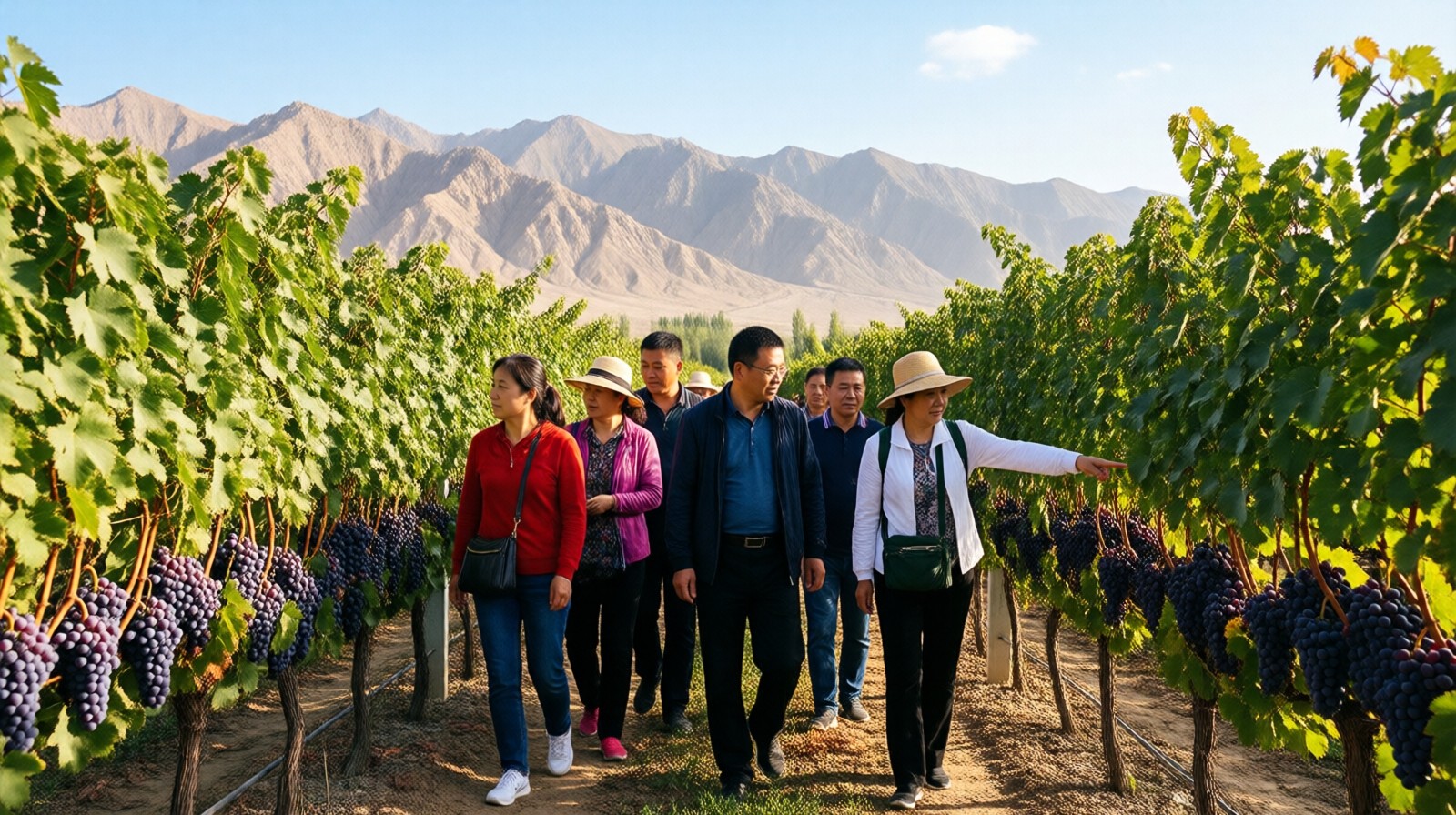
This is the typical opening of a wine tour in Ningxia, a region that has quietly turned itself into one of China’s most important wine producers. What began as a government-led push to fight desertification and shift agriculture now attracts hundreds of thousands of visitors each year. But the real story is not just about tasting wine. It is about how a single day trip — a few hours in a vineyard, a barrel-room visit, a picnic lunch — has become a channel that drives the entire regional wine economy.
From Grape to Glass: The Winery Experience
After the vineyard walk, the group entered the fermentation hall. The space was cool and smelled of yeast. Stainless steel tanks hummed softly. Li Wei opened a small valve and let a few drops of young red wine fall into a glass. ‘This is wine from last year’s harvest,’ she said. ‘It’s still a little rough. After aging in oak barrels for a year, it will be ready for the bottle.’
The travelers moved to the cellar, where rows of French and American oak barrels lined the walls. A beam of light from a high window caught the dust in the air. One tourist snapped photos, another took notes on her phone. Wine tourism in Ningxia is never just about drinking; it is about education. Visitors learn to look at the color, swirl the glass, and recognise the taste of cherries, tobacco, and mint that come from the local terroir.
But the winery visit is also about consumption. At the end of the tour, the group sat down at a long wooden table for a tasting. Six wines were poured. The guide explained each one, and the tourists compared notes. By the time they left, most had bought at least a bottle. A couple from Guangzhou, who had already been to wineries in Australia and Chile, said they were surprised by the quality-to-price ratio. ‘Ningxia wines are still underrated,’ the husband said. ‘We bought two cases — partly to drink, partly to see how they develop over the next few years.’
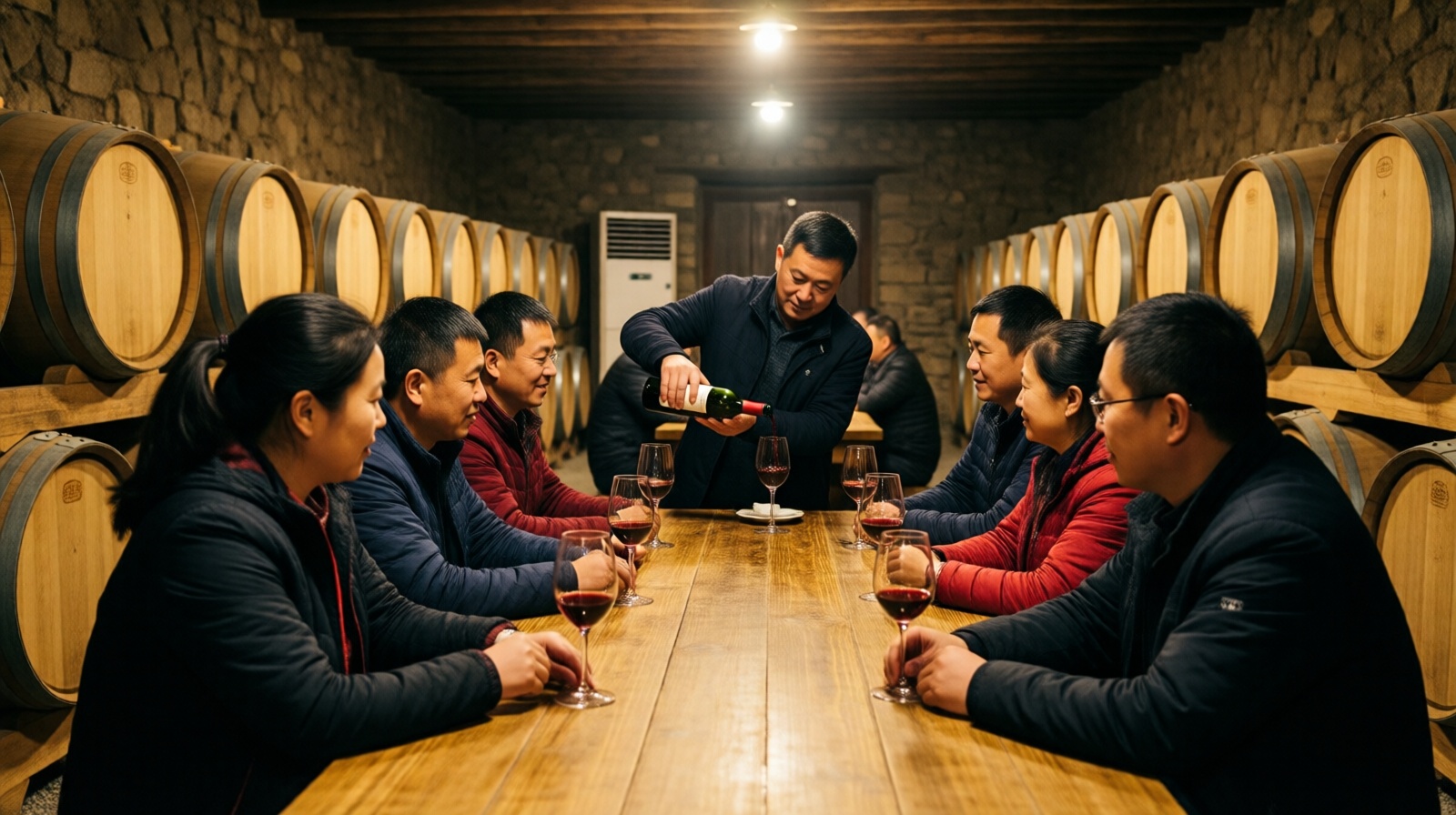
Winery tasting rooms have become the main revenue driver for many local estates. According to industry reports in 2023, the eastern foothills of the Helan Mountains are home to more than 200 wineries in operation, with about a third of them offering tourism services. For a small winery, a single weekend can bring in thousands of yuan from tasting fees, wine sales, and merchandise. During the peak season from August to October, some wineries are fully booked for tours, and the busiest ones hire extra staff just to manage the visitors.
How a Day Trip Ripples Through the Local Economy
The impact of a wine-tasting day trip extends far beyond the winery gate. Consider the typical itinerary: a tourist leaves her hotel in downtown Yinchuan, the regional capital, at 8 a.m. She takes a taxi or a ride-hailing car to a winery about forty minutes away. She spends three hours at the winery, including a meal. Then she moves on to a second winery nearby, or a nearby scenic spot like the Western Xia Imperial Tombs. She eats dinner at a local restaurant, buys some snacks and gifts at a market, and finally returns to the hotel. Each step puts money into a different pocket.
Transportation is the first beneficiary. Ride-hailing drivers in Yinchuan know the wine route by heart. ‘In summer, a lot of my trips are between hotels and wineries,’ said Ma Jun, a driver who has been with a ride-hailing platform for five years. ‘On a good day, I earn double what I used to get on regular local trips.’ Some taxi drivers have even become unofficial winery guides, telling passengers which estates offer the best views or the most generous pours.
Lunch is another big item. Most wineries have on-site restaurants or partner with local farmhouses. A long lunch of stewed lamb, flatbread with chives, and local vegetables costs about 100 to 150 yuan per person. For tourists from outside Ningxia, this is also an introduction to the region’s food culture. After lunch, many visitors walk to an adjacent vineyard shop or a small craft market, where elders sell dried red dates, sunflower seeds, and handmade embroidery.
The tourism boom has also created jobs for people who are not directly employed by wineries. Li Wei, the guide, used to work in a shoe factory in southern China. She came back home to Ningxia four years ago when she found a job as a tourism guide at a winery. ‘The pay is comparable, but the work is more interesting,’ she said. ‘I meet people from all over the world, and I get to talk about something I love.’ According to the local tourism bureau, the wine tourism sector now supports thousands of jobs across the region, ranging from guides and bus drivers to restaurant staff and accommodation providers.
For villagers in the area, wine tourism has brought a second source of income. Some farmers now grow grapes under contract with wineries, while their wives sell snacks to tourists from stands along the roadside. In the village of Qingtongxia, near the eastern foot of the Helan Mountains, several young people have quit city jobs to convert their family courtyards into simple guesthouses. A night in a guesthouse costs about 300 yuan, including a home-cooked breakfast that features local dairy products and rice noodles.
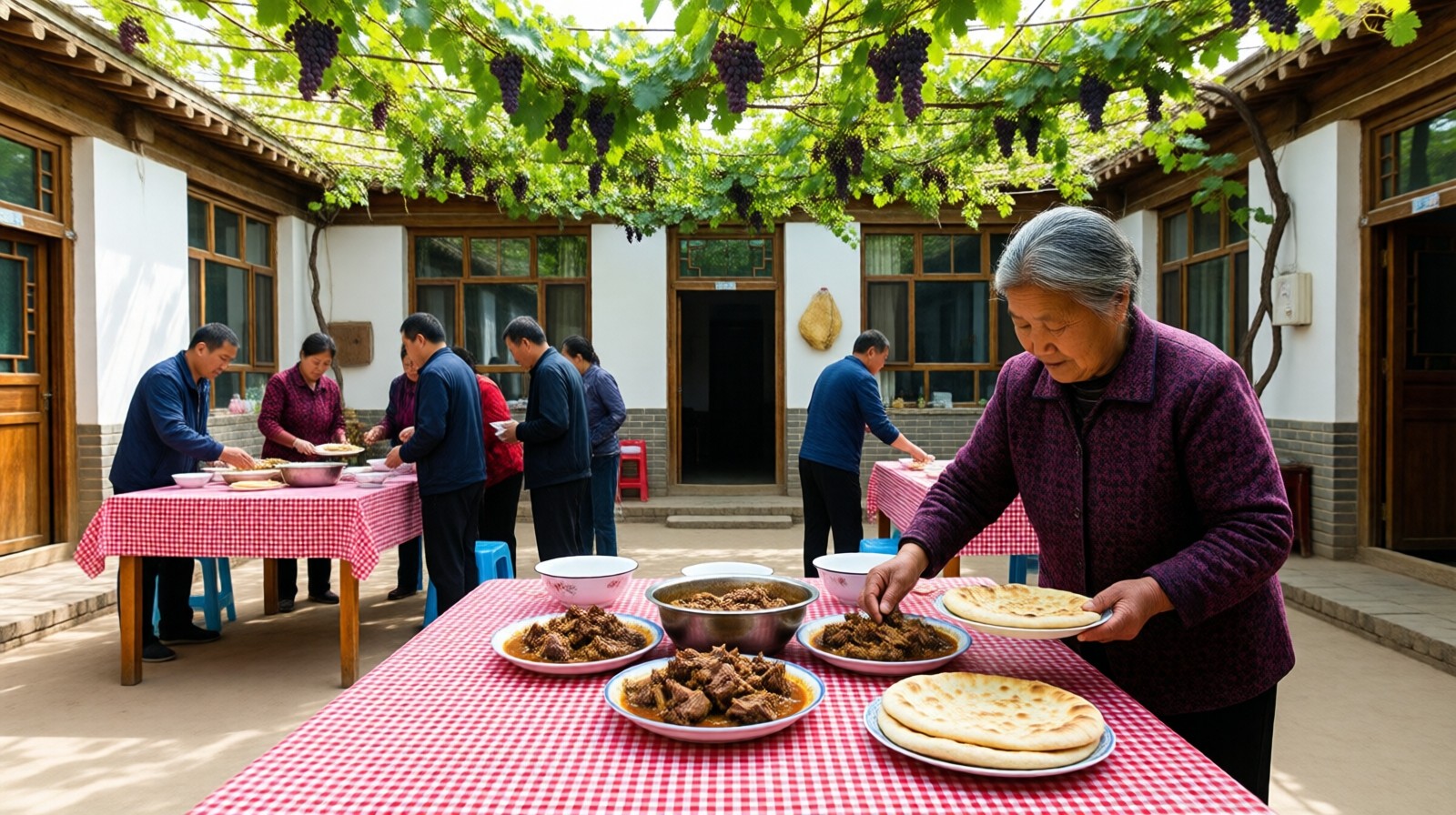
This web of spending is how a day trip becomes an industry. Wine tourism in Ningxia does not merely sell bottles; it creates an ecosystem where tourists’ money flows into wineries, farms, transport, food, and lodging. The region’s growing reputation as a wine destination also attracts tourism-related investments. In the towns of Xixia and Yongning, a few international hotel brands have opened properties that specifically market wine-country packages, including guided cycling tours and vineyard picnics.
The Road Ahead for Ningxia Wine Tourism
There are still challenges. Most visitors are domestic, and the season is short. Winter from November to March is too cold for outdoor vineyard walks, and some wineries close their tourism operations during these months. Others try to diversify with winter events like wine tasting around fires, but the numbers are still small. International visitors remain a tiny fraction of the total, even though the Chinese government has been promoting Ningxia as a ‘wine star’ on the global map.
Infrastructure is improving. A high-speed rail line now connects Yinchuan with major cities like Xi’an and Lanzhou, making it easier for travellers to fit a wine tour into a longer trip. The local government has also built a ‘wine corridor’ of paved roads and cycling tracks that link more than twenty wineries, encouraging visitors to spend a full day exploring instead of just visiting one estate. The corridor is lined with solar-powered streetlights and explanatory panels in both Chinese and English.
The long-term goal, according to regional planners, is to turn the eastern foothills of the Helan Mountains into a wine tourism destination comparable to Napa Valley in the United States or Valpolicella in Italy. That ambition is not impossible. Ningxia already produces wines that have won international awards, and the dramatic landscape of purple mountains and green vines has the visual appeal to draw travellers. But the journey from a one-day visit to a sustainable global destination requires more than beautiful scenery. It requires consistent quality in winemaking, reliable tourist services, and stories that are told in languages beyond Chinese.
On a practical level, many wineries are already adapting. Some offer half-day packages that include a short class on food pairing. Others have built observation decks with views of the Helan Mountains and the endless rows of vines. A few have even started to host evening events where tourists can watch the sunset with a glass of local sparkling wine. These small moves are slowly stretching the day trip into a longer stay.
Back at the tasting table, the couple from Guangzhou added another bottle of Cabernet Sauvignon to their case. Zhang Wei, the winery’s owner, said that tourism now accounts for about 40 percent of his revenue. ‘The direct sales from tourists are not huge, but they matter,’ he said. ‘When a tourist goes home and tells ten friends about Ningxia wine, that creates future customers. The word of mouth is worth more than the tasting fee.’ He looked out at the last group of visitors climbing back into their van. ‘Ten years ago, nobody knew this place. Now we have a business that is alive all year round, thanks to people who just wanted to see where wine comes from.’
Start the discussion at forum.chinacomes.com