

It All Started With a Sea of Selfie Sticks
The last time I spent a Chinese public holiday at a famous tourist spot, I spent most of the day gazing at the back of someone else’s head. The Great Wall was beautiful, but I couldn’t tell you — I was busy being carried along the steps by a wave of people. When I finally made it to a section of wall with no one around, I realized something: the whole time, I had been looking for the opposite experience.
That’s how I discovered what locals call “reverse travel” (反向旅行). It’s the art of skipping the packed landmarks and heading somewhere smaller, slower, and often more interesting.
What Is “Reverse Travel” Anyway?
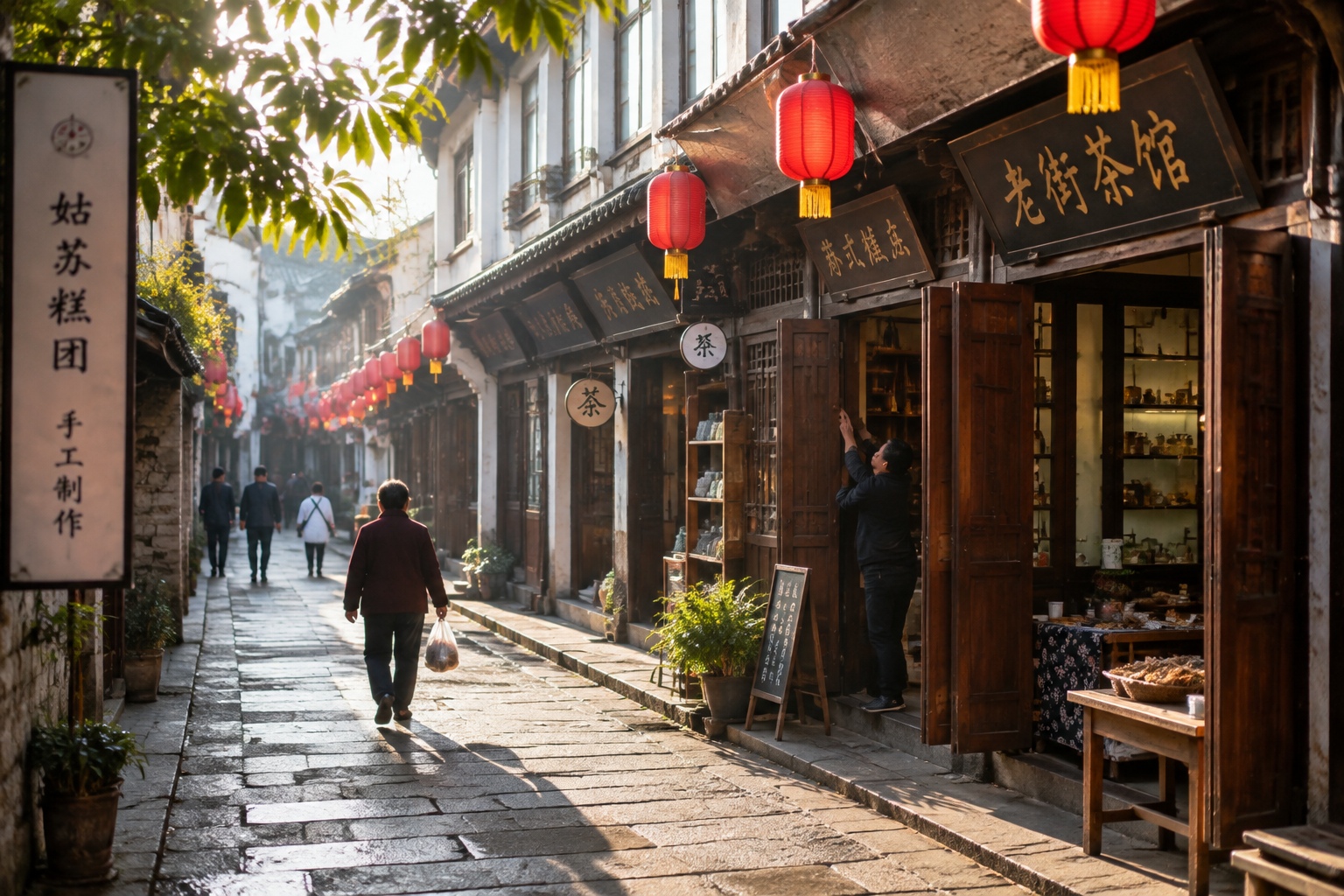
Reverse travel isn’t about going somewhere exotic or hard to reach. It’s about choosing a place that doesn’t show up on every top-ten list. Think of a small county town famous for one type of noodle, or a coastal village where old houses get new life as coffee shops. You still get the charm of discovering somewhere different, but you also get space to breathe.
The idea has been around for years, but it’s becoming more visible thanks to social media. On Xiaohongshu (China’s version of Instagram/Pinterest), you’ll find thousands of posts with the tag “small and beautiful” and “no crowds.” Many young Chinese are tired of queuing for hours and taking photos in front of crowds. They want to feel like a traveler, not a package tourist.
The official name for these short breaks is xiaochangjia, literally “short long weekend.” In China, most workers have around 11 public holidays, plus annual leave, and many holidays cluster into blocks of three days. If you pick a destination that isn’t already overwhelmed, those three days can feel much longer.
The Strategy Behind Timing and Place
Why the Weekend Matters
Most Chinese public holidays are announced by the State Council in advance, which creates a predictable rhythm. The trouble is, everyone else can see the same calendar. On a typical three-day holiday, the first day is a travel rush, the last day is a return rush, and the middle day is the only full day for sightseeing. If you can work around that, you win.
The key is to leave early on day one — before 6 a.m. if possible — or to leave a day early. If you depart the afternoon before the holiday starts, you’re likely to hit the worst traffic jams on the highway or a packed train. But if you can take a few hours off work or wake up at dawn, you’ll catch an empty platform and enjoy the first cup of coffee without a line.
Choosing the Right Place: How “Reverse” Works
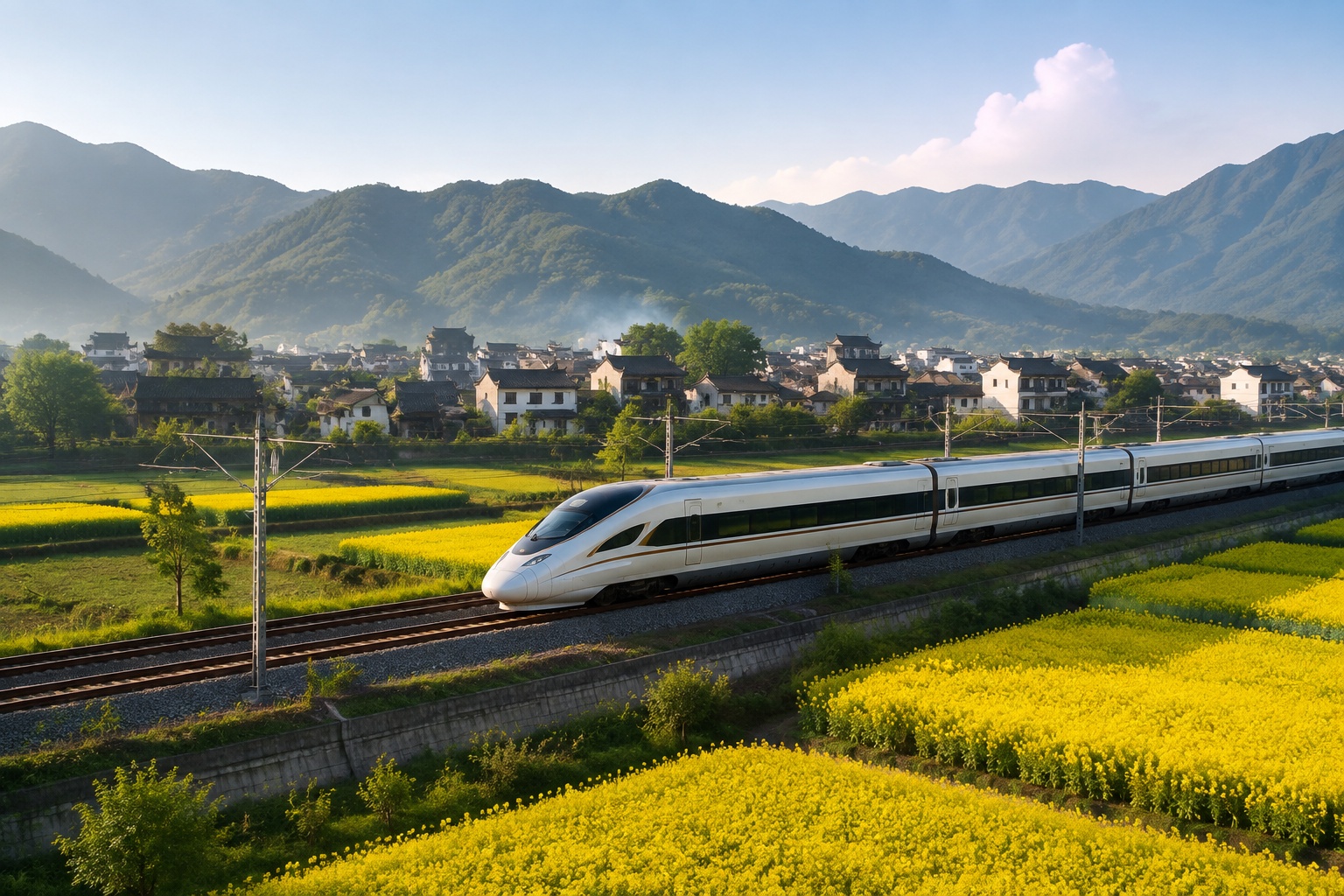
A few years ago, I took the high-speed rail to Songyang, a little town in Zhejiang province. The train stopped at a station surrounded by rice paddies. From there, a taxi took me to a village of rammed-earth houses where an old farmer cooked me breakfast. There were no tour groups. Just the sound of rain on the roof and the smell of smoke from a cooking fire.
That’s the trick: pick a place that’s not on the tourist bus route. Look for county-level destinations near big cities, or towns served by high-speed rail but still unpampered. Ask locals where they go for the weekend — they often know the best hidden spots.
How to Stretch Your Long Weekend: Combining Leave Days
Piece together your days off. In China, when a public holiday falls on a Tuesday or Thursday, many people take one day of annual leave to create a four- or five-day break. For example, the Mid-Autumn Festival often comes on a Friday, so a Saturday and Sunday already create a three-day block. Add a Monday off, and you have a mini-vacation.
Another trick is to watch the holiday calendar. The State Council announces exact off days months in advance, so you can plan early. In 2025, for instance, the Qingming Festival falls in early April, which is often a prime time for spring outings. If you take two days of annual leave, you can turn a three-day break into a five-day escape.
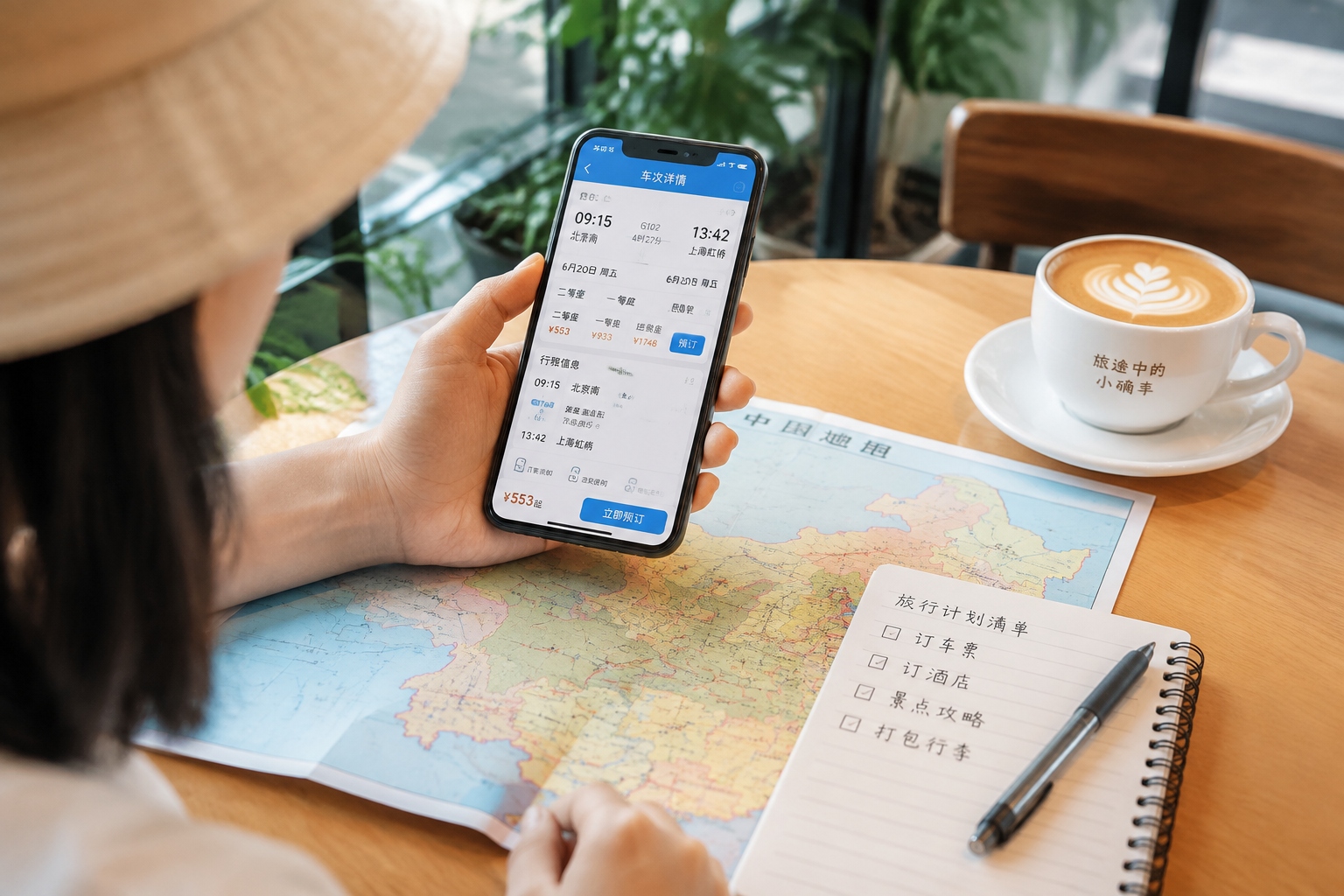
Also keep in mind that some companies in China allow employees to “borrow” time from weekends and pay it back later. That’s how many long weekends are officially formed. It’s a bit confusing, but it also creates even more opportunities to travel.
Golden Week Alternatives: Underrated Small Towns
Chinese New Year and National Day are the two Golden Weeks, when hundreds of millions of people travel. Instead of joining the rush to Chengdu or Xi’an, consider smaller towns with plenty of character. Take Pingtan Island in Fujian, where you can watch the sea from a windswept cliff, or Conghua in Guangdong for hot springs and hiking. A little further west, the old city of Qiannan in Guizhou has beautiful minority villages. Or try Weishan, a quiet ancient town near Dali, with a morning market that puts the main draw to shame. These places have enough charm and food, but far fewer selfie sticks.
Another example is Fuli in Guangxi, a little riverside town near Yangshuo. It’s only an hour away by bike, yet its streets are almost empty even during peak season. You can sit in a courtyard drinking tea and watch chickens peck at the cobblestones. It may not be as polished, but it feels real.
The key is not to expect Instagram perfection, but to go with curiosity. Small towns in China are rarely uniformly scenic. They might have a weird museum or a park with an odd statue. That’s part of the fun.
High-Speed Rail: The Quiet Enabler of Reverse Travel
China’s high-speed rail network is now the longest in the world, covering over 40,000 kilometers. It connects not just big cities, but also many small towns that were once hours away by bumpy bus. A two-hour ride from Shanghai can put you in a water town with canals and bridges; a four-hour ride from Guangzhou lands you in a hillside village with its own opera tradition.
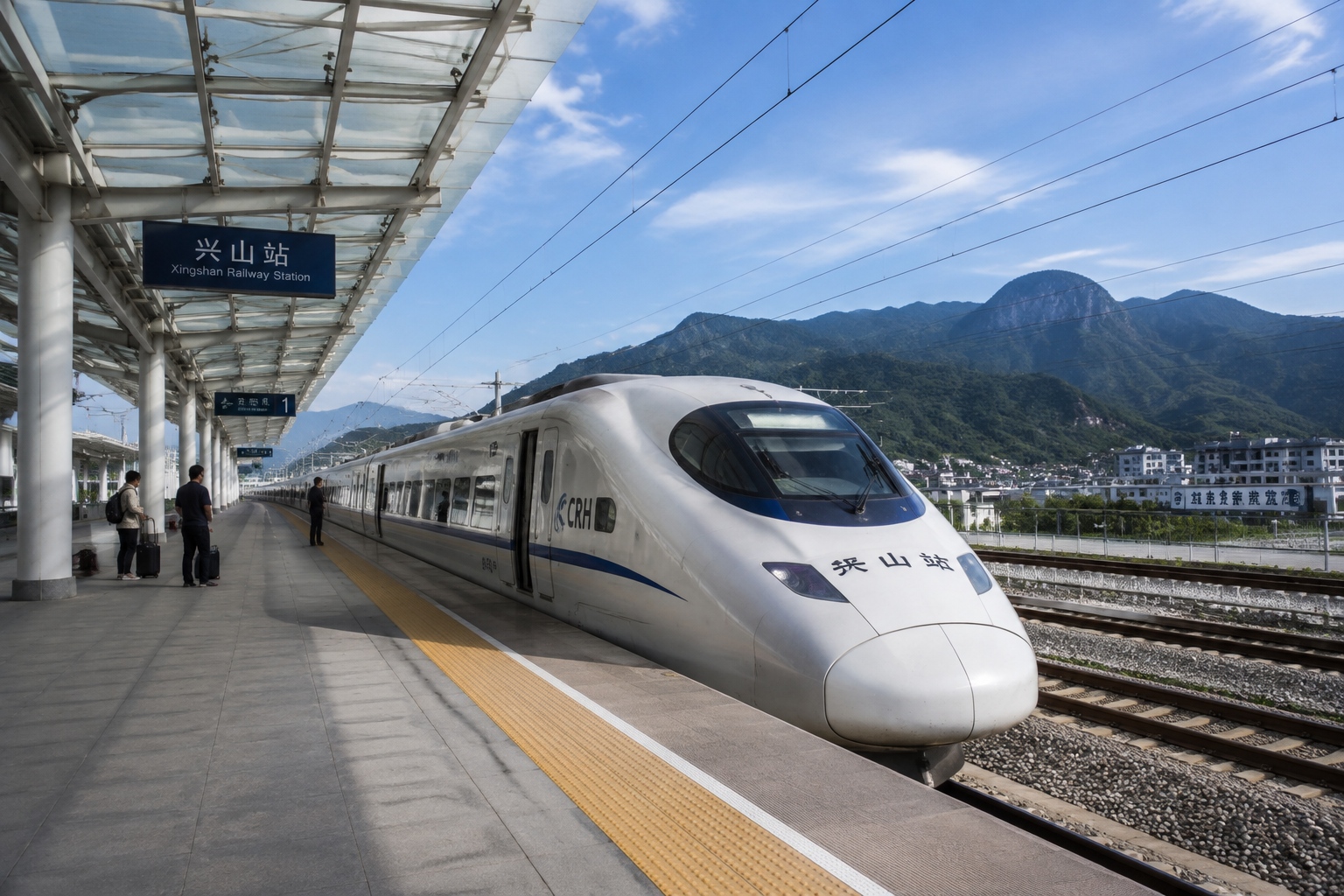
Buying tickets is easiest with apps like 12306 (the official rail app), which supports English now. You can also use Trip.com, but for train tickets, 12306 has the best prices. Pro tip: if you want a window seat, book a few days early. The system lets you book up to 15 days ahead, and the highest-speed trains run mostly between big cities. For small towns, you might need to change trains or take a short bus from an intermediate station.
Once you leave the high-speed hub, you’ll often find that local buses and taxis are cheap. Many county stations have tourist information desks with English-speaking staff, though they might send you to a hotel. Still, it’s all part of the adventure.
Final Tips: How to Travel Like a Local
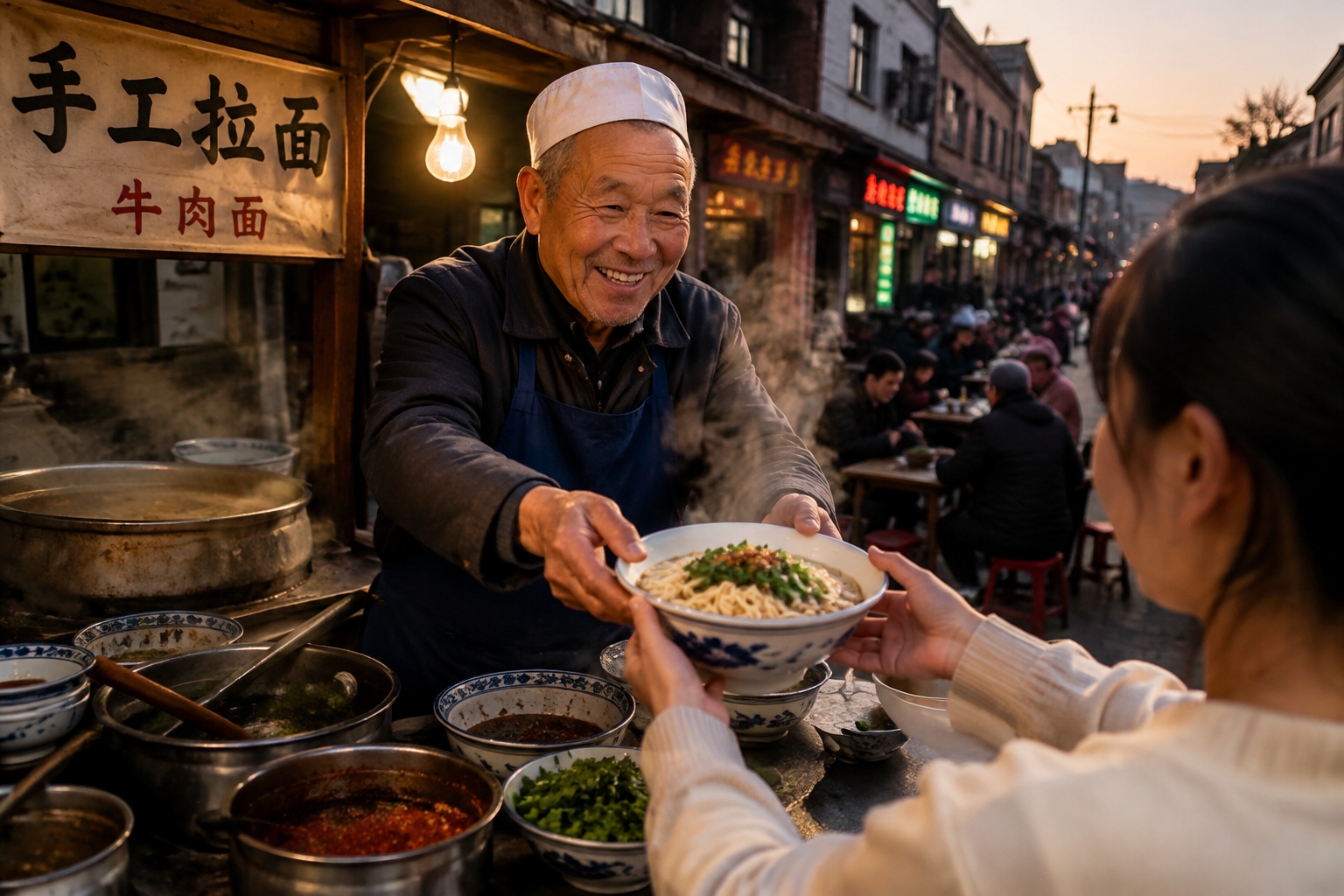
To really enjoy reverse travel, slow down. Eat where locals eat, not where the review sites say. Take a public bus instead of a taxi. Follow the old people who walk with baskets — they know where the best tofu is. And remember: not every trip needs to be a major event. Sometimes the best way to spend a long weekend is to go nowhere at all, or to a place so close you can almost forget you travel.
Finally, keep your plans flexible. Weather in the mountains can change quickly, and local festivals pop up without notice. The spirit of reverse travel is to let the place reveal itself, not to check off a list.
So next time a long weekend comes around, consider doing what Chinese locals increasingly do: skip the famous spot, take the train a few hours away, and find your own rhythm. It might just be the best kind of travel.
Start the discussion at forum.chinacomes.com