


So You’re About to Rent in China
If you’ve just landed in China, the first thing you’ll learn is that almost everything happens on your phone. Ordering food, hailing a cab, buying movie tickets—all done in a few taps. Renting an apartment, though, is different. It’s one of the last things that still requires face-to-face conversation, a handshake (maybe), and a surprising amount of patience. Your first Chinese landlord is not just a property owner; they’re a neighborhood historian, a maintenance guy, and sometimes a part-time food critic. Get on their good side, and you’ll have a source of local wisdom and occasionally home-cooked dumplings. Get on their bad side, and you might lose your deposit over a missing lightbulb. Here’s how to make sure it’s the former.
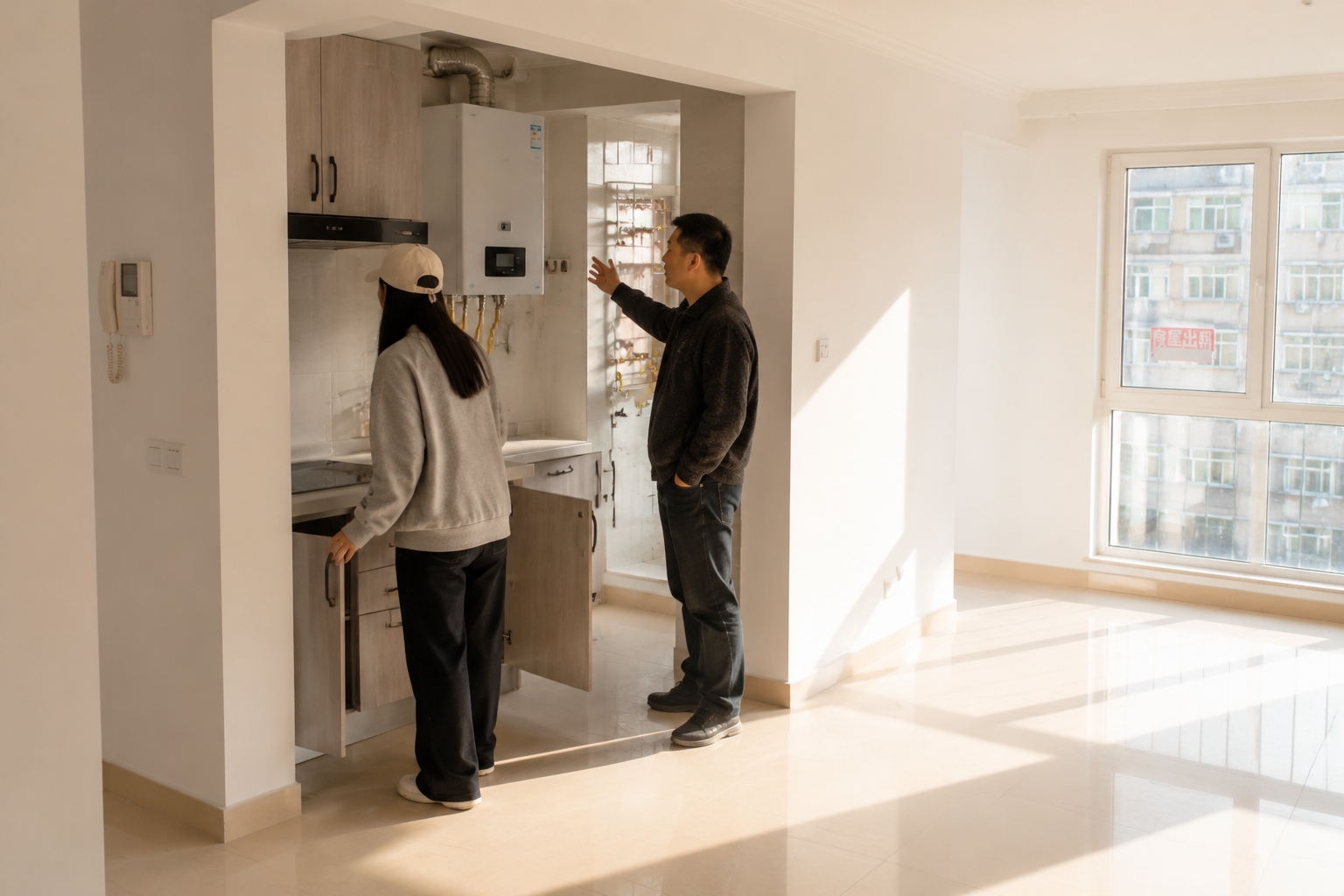
What to Look for When Viewing an Apartment
The first apartment you see in China is rarely the one you’ll take. Real estate listings photos are often… optimistic (to put it politely). So go with a checklist and a healthy dose of skepticism.
Lighting and Orientation
In northern China, winter sun is precious. An apartment facing south (朝南, cháo nán) gets warm sunlight all day, while a north-facing one can feel like a cave. In the south, you might prefer east or west to avoid the afternoon heat. Ask about the floor and whether the building is shaded by its neighbor. The classic trick: visit twice, once in the morning and once in the evening, to see how light (and noise) changes.
Neighbors and the Building Vibe
Take a good look at the hallway. Are shoes lined outside doors? That’s common in China, but it tells you about the neighbors’ lifestyles. Chat with the gate guard (保安, bǎo’ān) or the cleaning lady if you can. They know everything—from whether the building has a leaky roof to which apartments have had loud parties. A neighborhood with a lively breakfast stall downstairs isn’t just convenient; it’s a sign that people are comfortable living here.
Commute and Hidden Problems
Download a map app (like Gaode or Amap) and test your commute at the exact hour you’d normally travel. The listed “30 minutes” can easily become 60 during rush hour. While inside the unit, check corners for black mold, look under sinks for signs of leaks, and flush every toilet. Turn on the shower and check water pressure. Open all cabinets—you’d be surprised what previous tenants left behind. And listen: the hum of a neighbor’s air conditioner might be your nightly soundtrack.
The Art of Negotiating Rent
In China, asking for a discount is not a sign of rudeness; it’s a dance. But it needs to be done with rhythm and respect. The landlord’s starting price often has a little cushion, typically 5-10% above what they’re willing to accept. Here’s how to approach it:
Reasons That Work
Commitment. Offer to sign a longer lease (say, two years) in exchange for a lower monthly rent. Landlords love stability.
Payment method. If you can pay six months or a year upfront, you’ll have more bargaining power. Many landlords appreciate the lump sum.
No agency fee. If you find the apartment through a friend or a community board, you can imply that the landlord doesn’t need to pay a middleman, which brings the price down.
Minor repairs. If the paint is peeling or the sofa is old, use that as a lever: “I can take care of it myself if you reduce the rent a bit.”
Reasons That Could Backfire
Comparing prices with other apartments is fine, but don’t do it aggressively. “The apartment next door is 500 yuan cheaper” might score you a discount, but it might also offend the landlord if it’s an obviously different quality. Never insult the place. Saying “this kitchen is tiny” after you’ve already started negotiations just makes you look like a pain. And don’t ask for a rent reduction because you’re a foreigner—that’s not a sympathy card here; it’s just weird.
The “Pay One, Deposit Three” Rule and Keeping Your Deposit
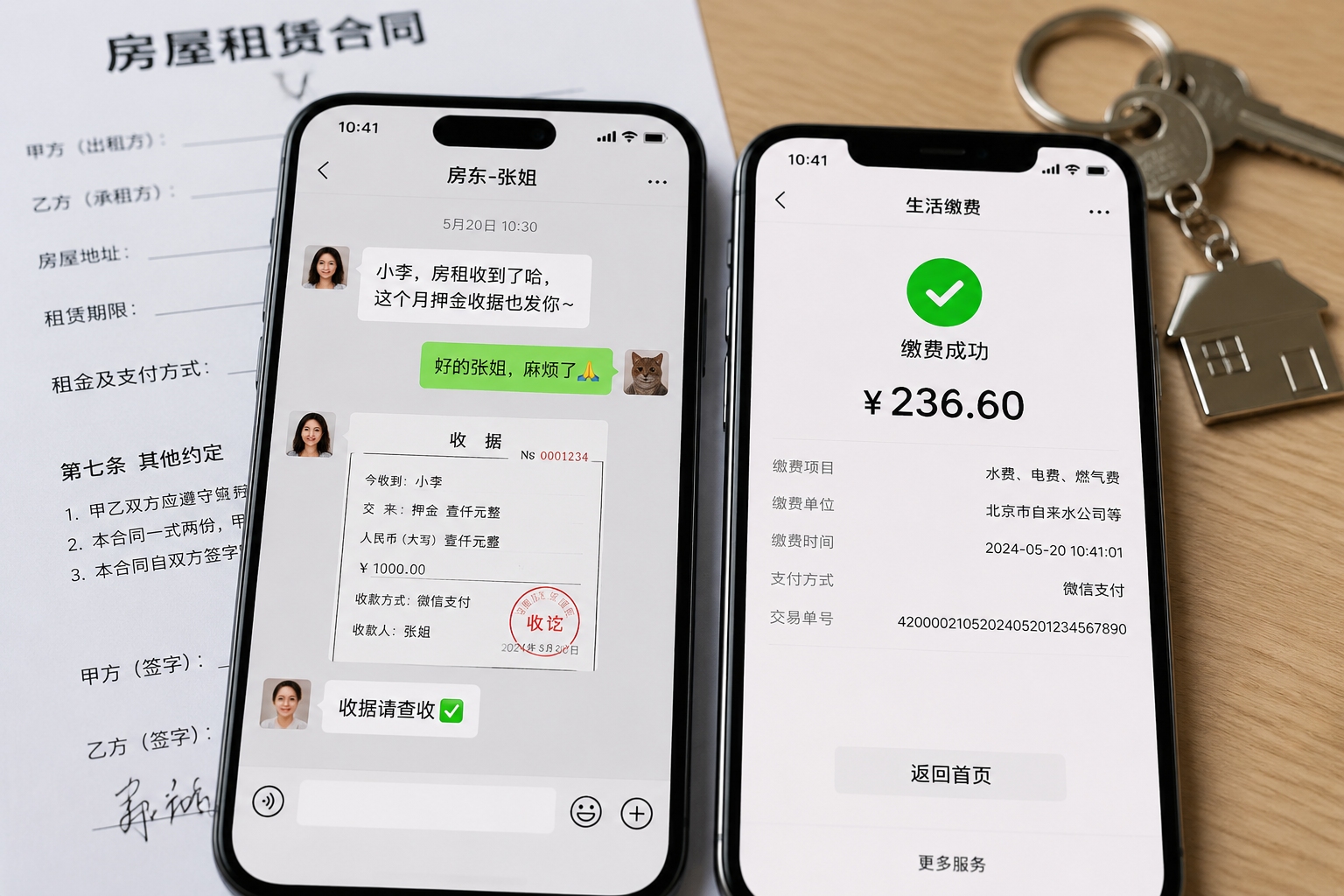
By now you’ve probably heard the golden rule of Chinese renting: 押一付三 (yā yī fù sān). It means you pay one month’s rent as a deposit plus three months’ rent upfront. So if the rent is 4,000 yuan a month, you’ll hand over 16,000 yuan before you even move in. Ouch. It’s a heavy upfront cost, but it’s the standard for a reason—it protects the landlord against unpaid rent and property damage.
Your deposit can be a source of conflict if you don’t protect yourself. I know a guy who lost his entire deposit because the landlord claimed he’d “ruined” the wooden floor with a plant pot accidentally. Here’s what you need to do:
Document Everything at Move-In
Before handing over the keys, walk through every room with your landlord and take photos and videos. Close-ups of scratches, carpet stains, peeling paint—anything. Then make a list with both of you signing it. It’s awkward, but it’s the best insurance. Also, take photos of the water meter (水表) and electricity meter (电表) readings, and keep a record of the date.
What Usually Gets Deducted
Cleaning is a common one. If you leave the apartment with six months of good-luck (and dust) on the windowsills, the landlord might hire a cleaner and take it from the deposit. Minor damages like holes from mounting TV brackets are also gray areas. And of course, unpaid bills. Make sure you pay off your utilities before you move out.
How to Avoid Deductions
Treat the apartment as if you were the landlord. Do basic maintenance, fix small things yourself (like a loose cabinet hinge), and leave it cleaner than you found it. Communicate with the landlord about any major issues early. Remember, most landlords are fair; they just hate being taken advantage of.
Dealing with Local Real Estate Agents
Rental agents in China are a mixed bag. The good ones are worth their fee; the bad ones will show you “sunny” apartments that are basically basements. Typically, the agent’s fee is 50% to 100% of one month’s rent, paid by you (the renter). Yes, you’re paying them, so remember that they work for you—at least to a degree.
Choosing an Agent and Setting Rules
Ask friends for referrals. If you can’t, look for a well-known chain like Lianjia (链家) or 5i5j (我爱我家). They have a reputation to uphold, and they’re more likely to resolve disputes fairly. Before you start viewing, be clear about your budget, the area, and the type of apartment you want. Don’t let them drag you to the outskirts because “the price is way better.”
Communication Tricks
In China, WeChat is the default business channel. Email is for foreigners. When chatting, be polite but firm. Say things like: “I like this place, but I need to discuss the rent with my partner first” to buy time. Also, be cautious about signing a 看房确认书 (viewing confirmation form) too early—it’s a commitment to go through this agent if you decide on that apartment. Some agents might ask you to sign before showing you the door, but it’s fine to ask for a copy and say you’ll sign after you’ve seen the place.
Contract Details That Can Save You or Cost You
The rental contract is your shield. Most agents have a standard template, but you can—and should—add amendments. Here are the key clauses to nail down:
Repair Responsibilities
Who pays if the air conditioner breaks? In most cases, the landlord is responsible for major appliances and structural issues (like a leaking roof). The tenant fixes lightbulbs and minor stuff. Get this in writing, especially for appliances. Some landlords will try to shove responsibility onto the tenant for everything.
Utilities and Property Fees
Electricity, water, gas—and property management fees (物业费). Sometimes the landlord pays property fees; usually, the tenant does. Make sure you know the tariff and how to pay. Many apartments use prepaid meters, so you might need to buy electricity cards from the management office. Your landlord or agent should show you how it works. Also, if the apartment uses central heating, ask if the heating fee is included—that can be a big chunk in the winter.
Breaking the Lease
A typical lease is one year. If you leave early, you might lose your deposit or even have to pay a penalty. But some contracts allow you to find a replacement tenant (转租, zhuǎn zū) to take over, which can spare you the loss. Look for a “sublet permitted” clause. If it’s not there, try to negotiate it: “If I need to move for work, can I find someone to take over?”.
The Move-In Inventory
As I mentioned, create a detailed inventory with photos. Attach it to the contract as an appendix. This doesn’t need fancy legal language—just a date, a list of items, and both signatures.
Your First Week in the New Place
Once you’ve signed and moved in, there are a few things to do to make life smoother. Introduce yourself to your neighbors, especially the ones next door. Grab some fruit or a pack of local snacks and drop by. It’s a small gesture that goes a long way. If you’re in a residential community (小区, xiǎoqū), join the community WeChat group if there is one. You’ll get warnings about package thefts, notices about elevator maintenance, and possibly someone offering home-style food delivery.
Also, set up your utilities. If water and electricity are prepaid, find out if you can pay via WeChat or Alipay—it’s a lifesaver. For internet and TV, you’ll need to book a technician to come to the apartment. This can take a few days, so schedule it early. And don’t forget to transfer your mailing address for packages. China’s express delivery is fast, but only if you put the right door number.

Final Thought: Your Landlord Is Human Too
Behind that contract and the deposit, there’s a person. Maybe it’s an auntie in her 60s who remembers when the neighborhood was all farmland. Maybe it’s a young investor who’s never lived there. If you treat your landlord with patience and respect, you’ll discover that they can be remarkably flexible. A little gift at Mid-Autumn Festival, a WeChat message to say the smoke alarm is working fine, these things matter. Your first Chinese landlord might not become a lifelong friend, but they can at least be someone who gives you a nice reference when you move to your next place.
Remember: renting in China is less about “having the perfect apartment” and more about figuring out how to work with people. You’ll make mistakes—everyone does. But with these tips, you’ll survive, thrive, and maybe even get your deposit back.
Start the discussion at forum.chinacomes.com