

Why China Still Lives by the Moon
If you’ve ever wondered why Chinese friends suddenly start talking about mooncakes or why the streets clear out on a seemingly random Tuesday, the answer lies in the lunar calendar. Unlike the Gregorian calendar that structures most of the world, many Chinese festivals follow the phases of the moon. That’s why Mid-Autumn Festival, Dragon Boat Festival, and Qingming Festival don’t have fixed dates on your wall calendar. They drift, and that drift is exactly what makes them feel so deeply rooted in nature.
For a Western visitor, this can be disorienting. You might schedule a business meeting only to find your Chinese counterpart is unavailable because it’s a public holiday you didn’t know about. But once you understand the rhythm, these festivals become a window into how Chinese people connect with family, food, and the changing seasons.
Mid-Autumn Festival: Mooncakes, Gifts, and Reunion
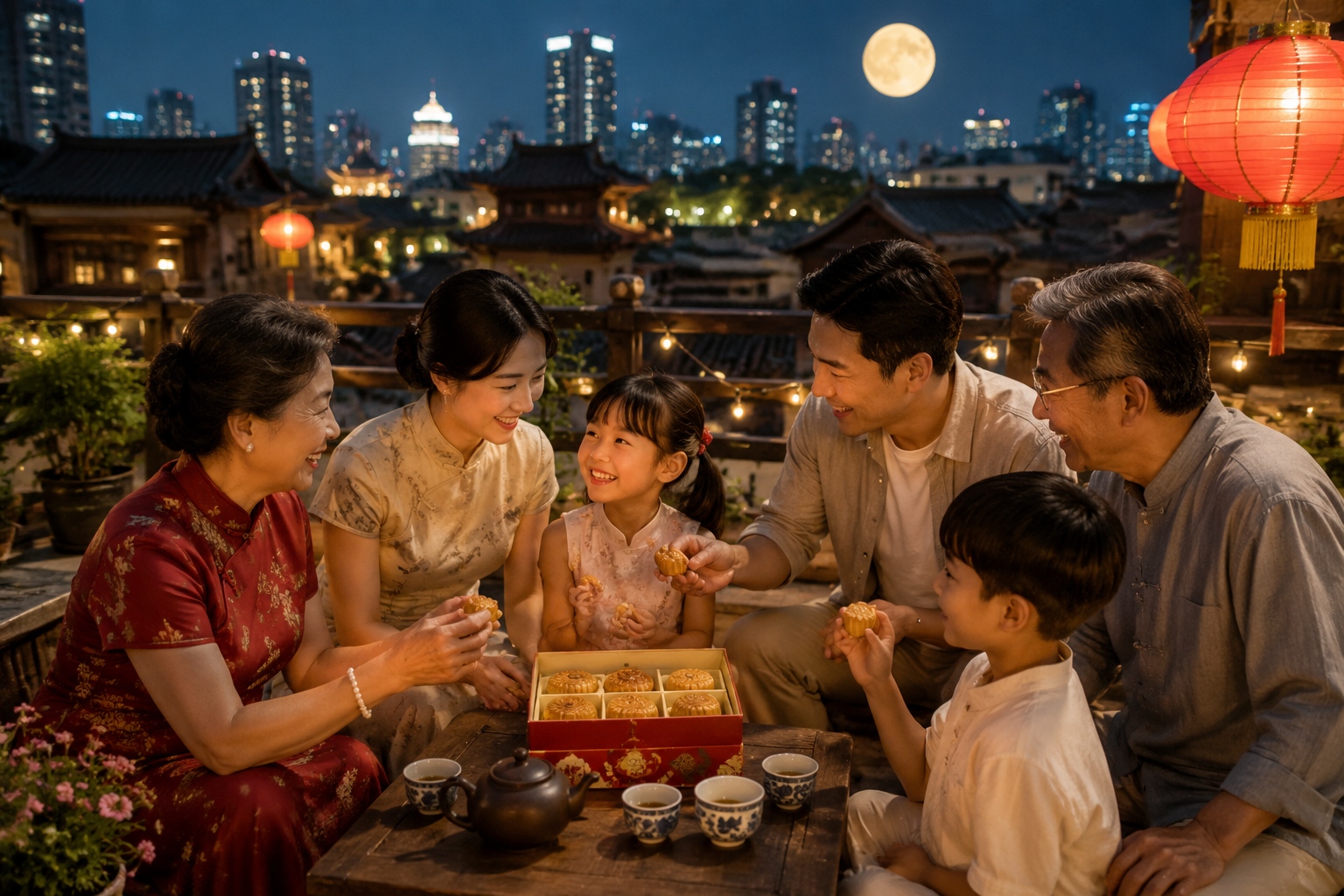
Mid-Autumn Festival, or 中秋节 (Zhōngqiū Jié), falls on the 15th day of the 8th lunar month — usually September or early October. It’s often compared to Thanksgiving because it centers on family reunion. People travel home, share a meal, and look at the full moon, which symbolizes completeness and togetherness in Chinese culture.
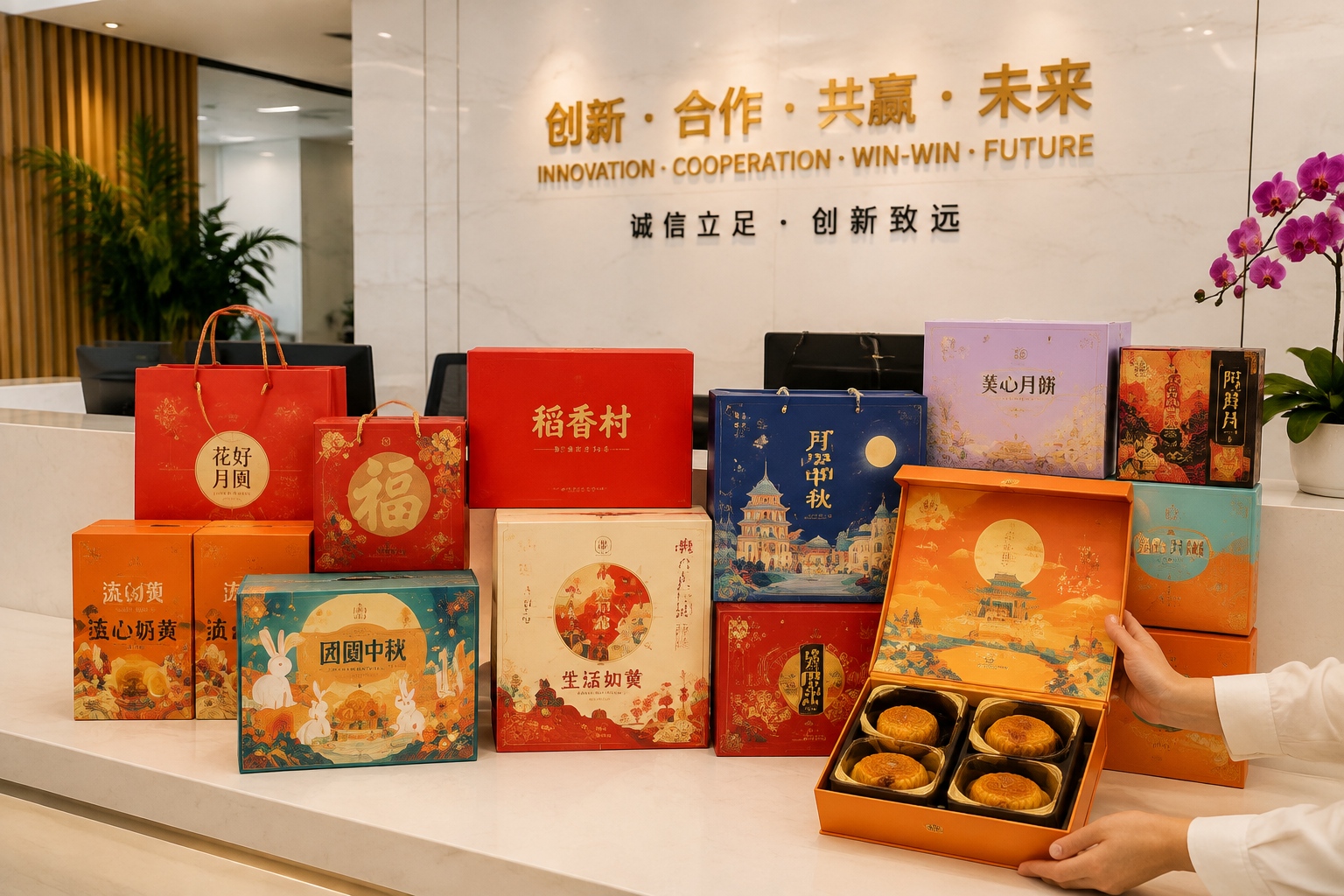
The most iconic food is the mooncake: a dense, sweet pastry filled with lotus seed paste, red bean, or even egg yolk. But here’s a detail that surprises many foreigners: mooncakes are also a huge gift-giving ritual. Every year, a few weeks before the festival, offices and homes fill with elaborately packaged boxes of mooncakes. Some are consumed, but many are regifted. This cycle of giving and receiving can feel like a social dance. If you’re a foreigner working in China, you might receive mooncakes from clients or colleagues. It’s polite to reciprocate, but you don’t have to match the price tag — the gesture matters more than the value.
Another common practice is lantern displays. Kids carry colorful paper lanterns, and parks sometimes set up large installations. In recent years, some cities have put on drone light shows, but the traditional lantern stroll is still the heart of the evening.
Dragon Boat Festival: Zongzi, Races, and the “Sweet vs. Savory” Debate
Dragon Boat Festival (端午节, Duānwǔ Jié) happens on the 5th day of the 5th lunar month, usually June. It commemorates the ancient poet Qu Yuan, who drowned himself in the Miluo River out of despair over corruption. Legend says villagers beat drums and threw sticky rice dumplings into the water to distract fish from his body. That’s the origin of both dragon boat racing and zongzi — pyramid-shaped bundles of glutinous rice wrapped in bamboo leaves.
Zongzi is a perfect conversation starter. To this day, Chinese people argue over whether it should be sweet or savory. Northerners typically prefer sweet zongzi filled with red dates or sweet bean paste, while southerners favor savory versions with pork, egg yolk, or mushrooms. It’s a regional food war similar to the pineapple-on-pizza debate, but with centuries of history behind it. If you want to break the ice with Chinese colleagues, ask them which kind they grew up with — you’ll get passionate answers.
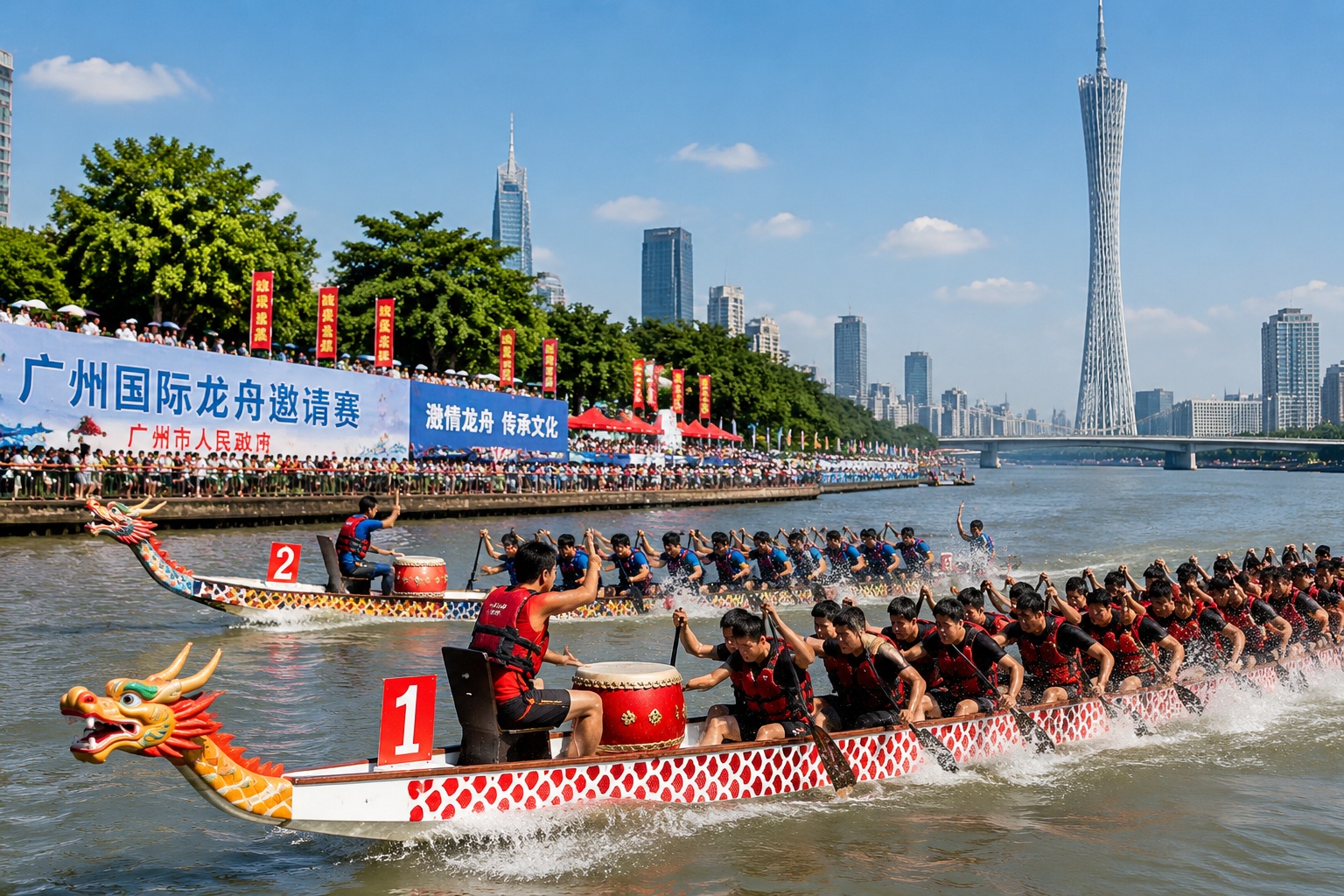
Dragon boat races are spectacular to watch. Teams of paddlers row to the beat of a drum, often with a steering person at the stern and a flag-catcher at the bow. Many cities host international competitions, and if you’re in southern China, chances are high you’ll see one nearby.
Qingming Festival: Graveyard Sweeping and Spring Outings
Qingming, or 清明节 (Qīngmíng Jié), is perhaps the most unique holiday for Western visitors because it combines mourning with celebration. It falls on the 15th day after the Spring Equinox, usually April 4 or 5. The name literally means “clear and bright,” which fits the spring weather.
The primary activity is tomb sweeping (扫墓, sǎomù). Families visit ancestors’ graves, clean them, offer flowers, food, and burn incense or paper money. It’s a time to remember the dead, but it’s not a somber occasion in the way Western funerals might be. Instead, it’s a way to maintain a connection with family history.
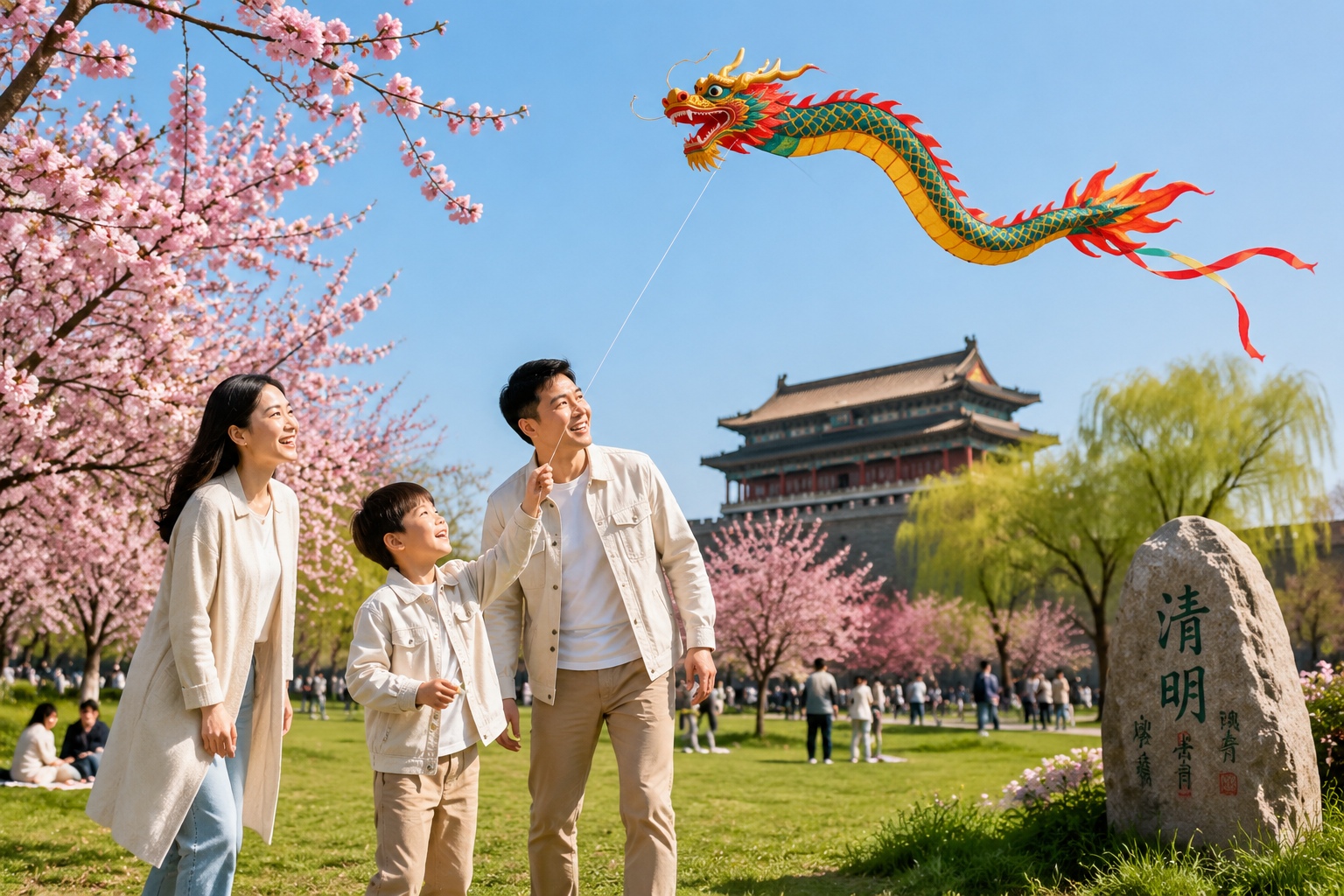
At the same time, Qingming is a spring festival. People fly kites, go hiking, and enjoy the blooming flowers. Because the holiday gives everyone a day off, it’s become one of China’s many “mini-break” moments — a three-day weekend where cities empty out as people head to parks or rural areas.
For a foreigner, observing Qingming is a lesson in how Chinese culture handles death with a mix of reverence and routine. The dead are not forgotten; they’re part of the cycle of life that continues into the present.
How These Festivals Connect Family and Nature
What strikes me most about living in China is how these lunar festivals impose a natural rhythm on daily life. In many Western countries, holidays are tied to astronomical dates (like Easter) or fixed calendar dates (like Christmas). But the lunar calendar keeps an emotional connection to the seasons. The full moon for Mid-Autumn, the early summer heat for Dragon Boat, the spring rains for Qingming — each festival is a way of reading the natural world.
They also force moments of family connection. In a society where people often work far from home, these holidays are when the trains and planes fill up with millions of travelers heading back to their hometowns. The Chinese government even organizes special travel schedules for these “chunyun” (spring travel) peaks, though Qingming and Dragon Boat also see massive surges. If you’re in a Chinese city during any of these breaks, you’ll notice a strange quietness, as if the city itself is taking a breath.
For visitors, the best way to experience these festivals is to join in — even if you’re not Chinese. Accept a mooncake from a coworker. Try a zongzi (both sweet and savory, to pick a side). Join a Qingming outing to a park. These festivals aren’t just ceremonies; they’re an invitation to understand how a whole culture stays in sync with the moon and the seasons.
Start the discussion at forum.chinacomes.com