
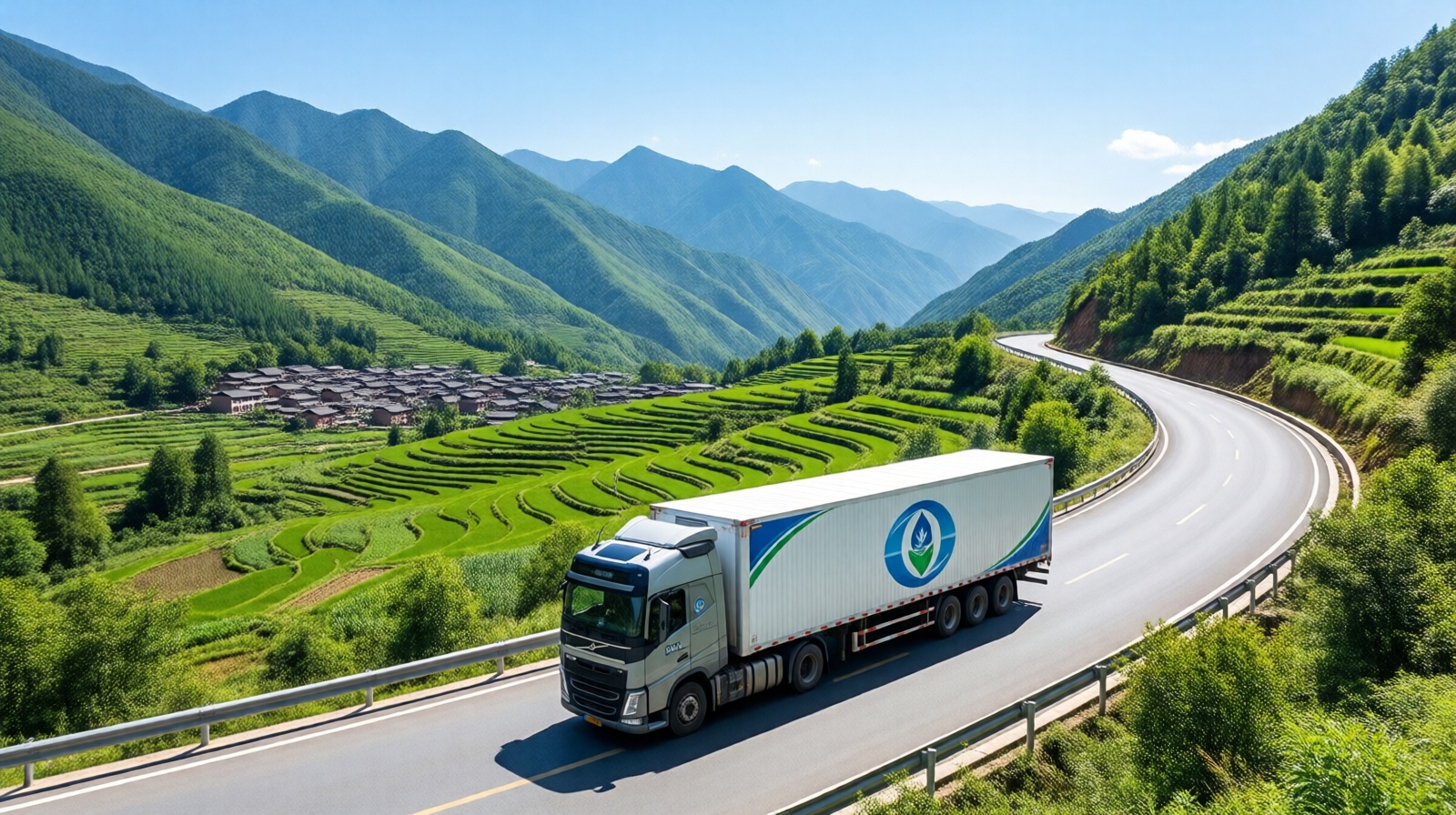

From Mule Trails to Refrigerated Trucks
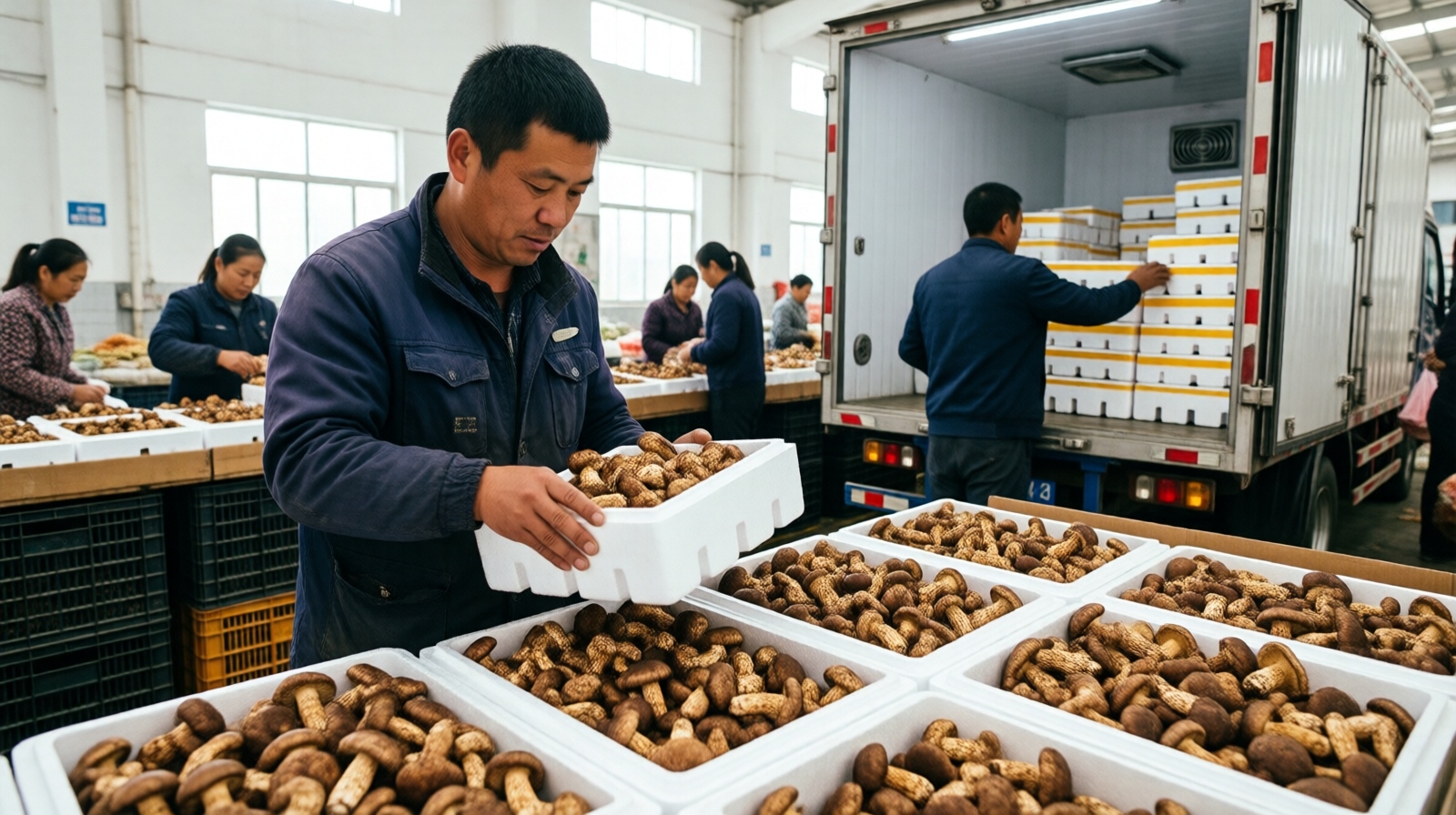
At 4 a.m. in Kunming, Yunnan’s capital, workers at a vegetable and fruit wholesale market are sorting freshly picked matsutake mushrooms into foam boxes. Each box is labeled, sealed, and loaded into a refrigerated truck. By tomorrow afternoon, these mushrooms will be on a cutting board at a Japanese restaurant in Shanghai, more than 2,000 kilometers away. Half a century ago, the same journey would have taken over a month, and most of the mushrooms would have rotted along the way.
Yunnan, a province in southwest China, is known for its dramatic landscapes: snow-capped mountains, deep river valleys, and subtropical forests. But these same features made transportation notoriously difficult. For centuries, the only way to move goods across the province was by mule caravan, travelling along winding mountain trails known collectively as the Tea Horse Road. Tea from Yunnan’s southern villages, medicinal herbs, and spices were strapped onto animals and carried over passes as high as 4,000 meters. A trip from the provincial capital to a remote village could take weeks, and unpredictable weather, landslides, and bandits made it a perilous undertaking.
Why Yunnan Was Once a Logistics Nightmare
The geography explains why Yunnan remained isolated for so long. The province sits on the Yunnan-Guizhou Plateau, where steep mountains cover about 94 percent of the land. Roads were scarce; before the 1950s, there were fewer than 2,000 kilometers of crude roads suitable for vehicles. Most long-distance trade relied on pack animals. Even as China’s eastern provinces built highways in the late 20th century, Yunnan lagged behind because of the terrain and the high cost of constructing roads through mountains.
For farmers, the consequences were clear: they could only sell produce locally. Fresh vegetables and fruits had almost no market beyond their own county, because by the time they reached a city, they were spoiled. Some farmers resorted to drying or fermenting their crops to preserve them, which reduced their value. The famous Pu’er tea, for instance, was often compressed into cakes not only for aging but also because compressed blocks were easier to transport by horse.
Highways, Railroads, and the End of Isolation
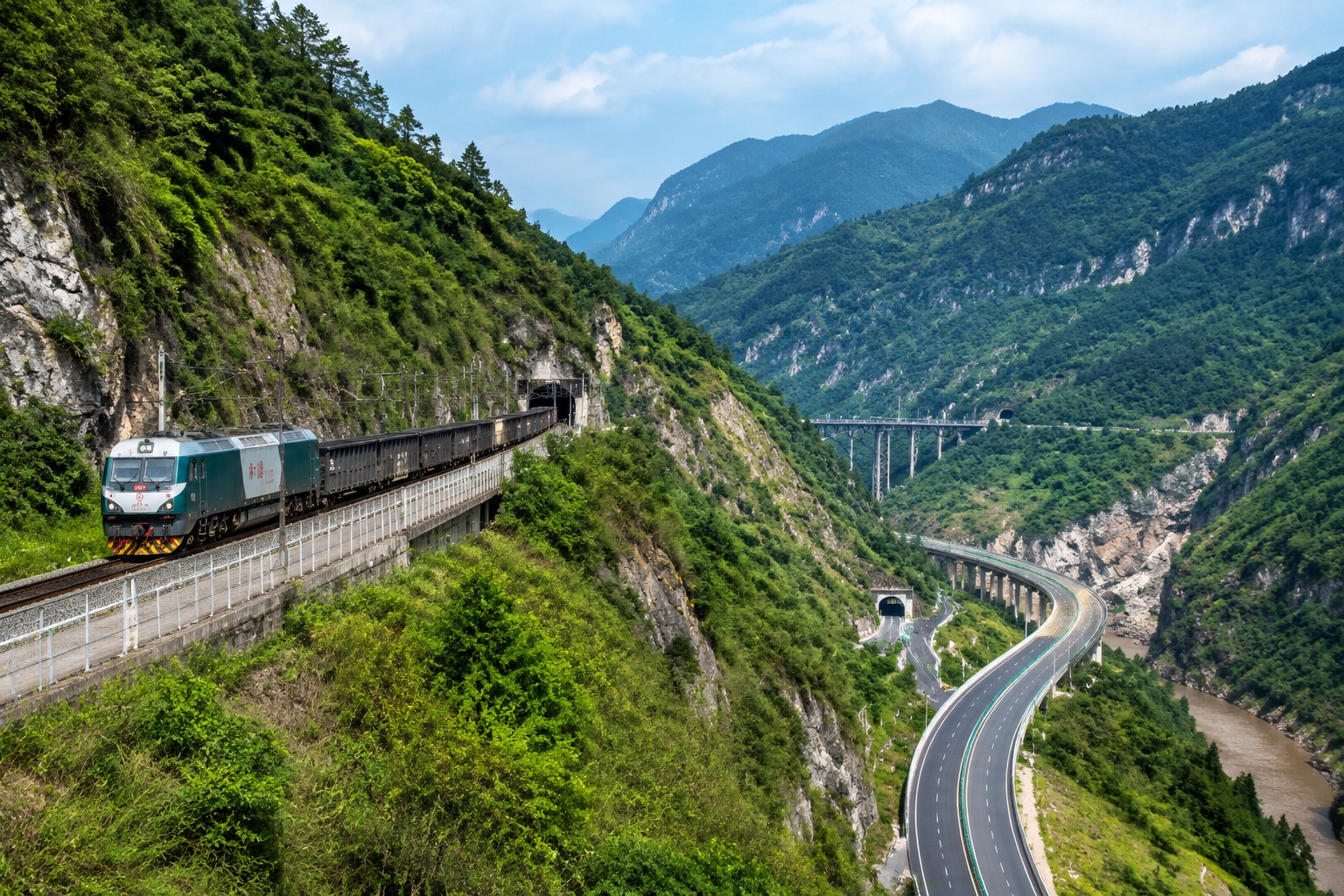
The turning point came with China’s massive investment in infrastructure. Starting in the 1990s, the central government poured money into highways connecting Yunnan with its neighbors. The provincial expressway network now exceeds 10,000 kilometers, linking every prefecture and most counties. Road quality improved dramatically: the trip from Kunming to the border town of Ruili used to take two days in the 1980s; today it takes about nine hours, and many parts are expressway.
Railways arrived later but brought an even bigger shift. The high-speed rail line from Shanghai to Kunming opened in 2016, cutting travel time between the two cities to about 11 hours. Locally, lines like the Dali–Lincang railway, inaugurated in 2020, connect formerly remote areas to the national rail network. Cargo trains now run regular services, and airport infrastructure in cities like Kunming, Xishuangbanna, and Baoshan supports rapid air freight.
The Cold Chain: A Game Changer for Fresh Products
Infrastructure alone was not enough; perishable goods needed temperature-controlled logistics. In the past, fresh produce from Yunnan could only reach nearby markets. The development of cold-chain storage and refrigerated transport changed that. Across the country, the total capacity of cold storage has grown rapidly, and Yunnan has built dozens of modern cold-storage facilities in its main producing areas. For example, a large cold storage warehouse in Kunming can hold up to 30,000 tonnes of produce. Refrigerated trucks are now a common sight on Yunnan’s highways.
Matsutake mushrooms, prized in Japan for their flavor, are a perfect case study. They grow wild in forests at high altitudes and must be used within days of harvesting. In the past, they were often dried and sold at a low price. Today, harvesters in places like Shangri-La bring freshly picked matsutake to local collection points, where they are cleaned, sorted, and immediately pre-cooled to near-freezing temperatures. Within 24 hours, they are loaded onto refrigerated trucks or packed in insulated boxes for air freight. The mushrooms can reach Shanghai, Beijing, or even Tokyo in fresh condition. Previously, this was impossible.
E-Commerce Puts Farmers on the National Map
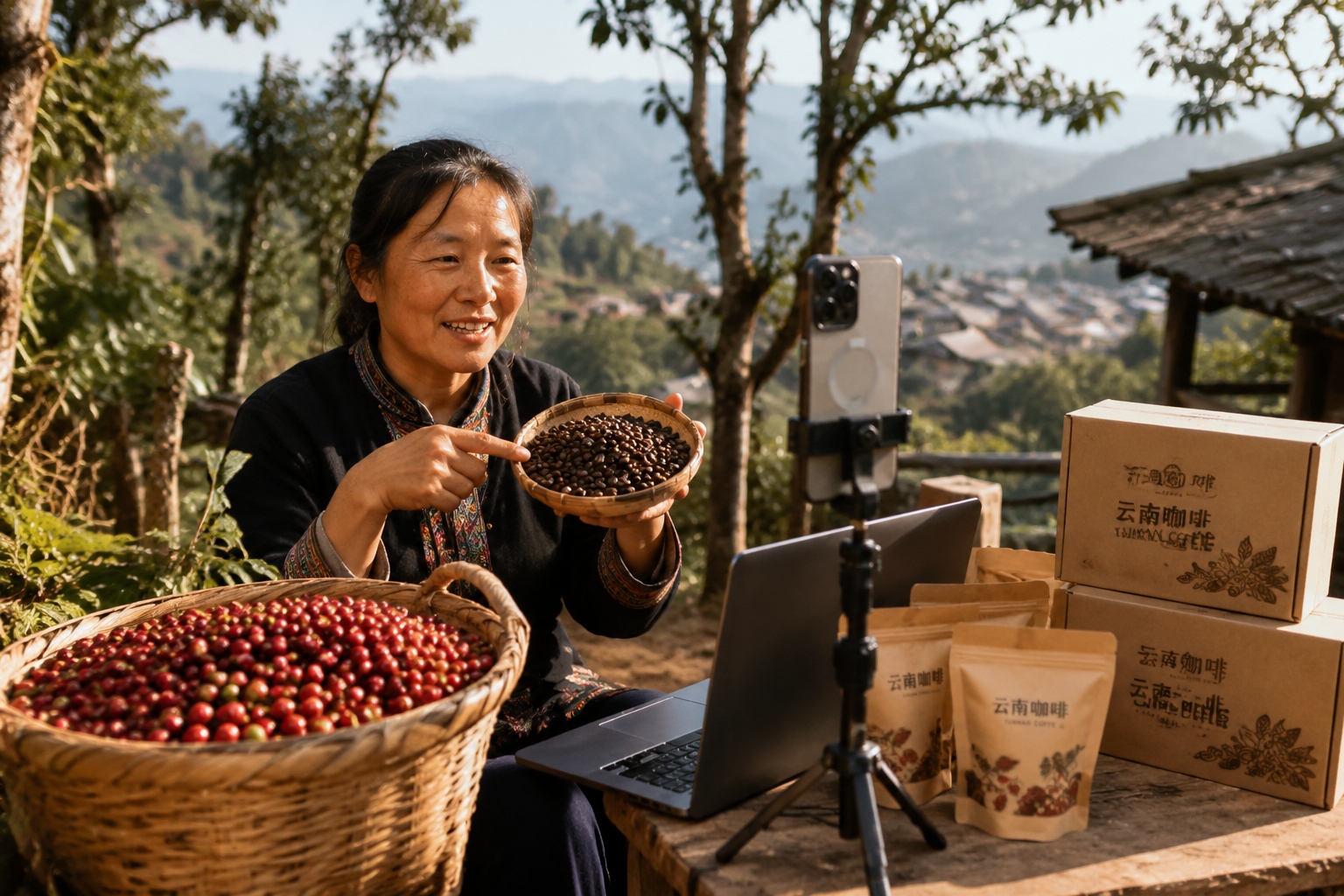
Infrastructure and cold chains opened the door, but e-commerce gave Yunnan farmers a direct route to consumers nationwide. Platforms like Taobao, JD.com, and Pinduoduo have expanded aggressively into rural areas, offering logistics subsidies and training for farmers. Livestreaming is especially powerful: farmers show their coffee beans being picked, their mangoes being cut, or their mushrooms being dug from the forest, and viewers place orders instantly. This has cut out layers of middlemen and allowed even small producers to build a following.
Statistics underline the shift. Yunnan’s rural online retail sales exceeded 200 billion yuan (about $28 billion) in 2021, a fourfold increase from 2015. The province produces nearly a quarter of China’s coffee, and smallholder farmers now use apps to export directly. Similarly, specialty flowers, nuts, and other mountain products appear on national e-commerce sites. One village in the Dali area, famous for walnuts, saw its annual income triple after a community e-commerce cooperative started selling shelled walnuts online.
Still Steep: What Remains Difficult
For all the progress, challenges persist. The cold chain is still fragmented: many small farmers cannot afford their own refrigerated transport and rely on shared services, which may not be available in the most remote pockets. During peak season, road congestion and limited air cargo space can cause delays. Weather events such as heavy rain wash out some mountain roads, although better engineering has reduced this risk. And while online sales have grown, digital literacy among older farmers remains uneven; many still rely on local agents or cooperatives to handle online orders.
Cost is another factor. Cold-chain shipping is more expensive than ordinary trucking, and for low-margin crops, the price can outweigh the benefit. However, government programs offer subsidies for building cold-storage facilities and for purchasing refrigerated vehicles, particularly in poor counties. As more infrastructure comes online and logistics companies expand their rural networks, the gap is narrowing.
Beyond Speed: What the Change Really Means
The shift from horse caravans to cold-chain logistics is not just about speed. It is about inclusion. A farmer in a mountain village can now earn a living from the same product that once could only be traded locally, and likely at a much lower price. With nationwide markets, Yunnan’s unique geographical advantages—its climate, soil, and biodiversity—become economic assets. Consumers across China and beyond can now enjoy wild mushrooms, tropical fruits, and high-altitude coffee that were previously unknown beyond the province.
The change also reflects a broader trend: China’s rural areas are being integrated into modern supply chains. Roads, railways, electricity, and the internet reach even remote communities. The horse caravan is now a memory kept alive in museums and tourist shows, while refrigerated trucks hum along highways—carrying not just goods, but opportunities.
Start the discussion at forum.chinacomes.com