
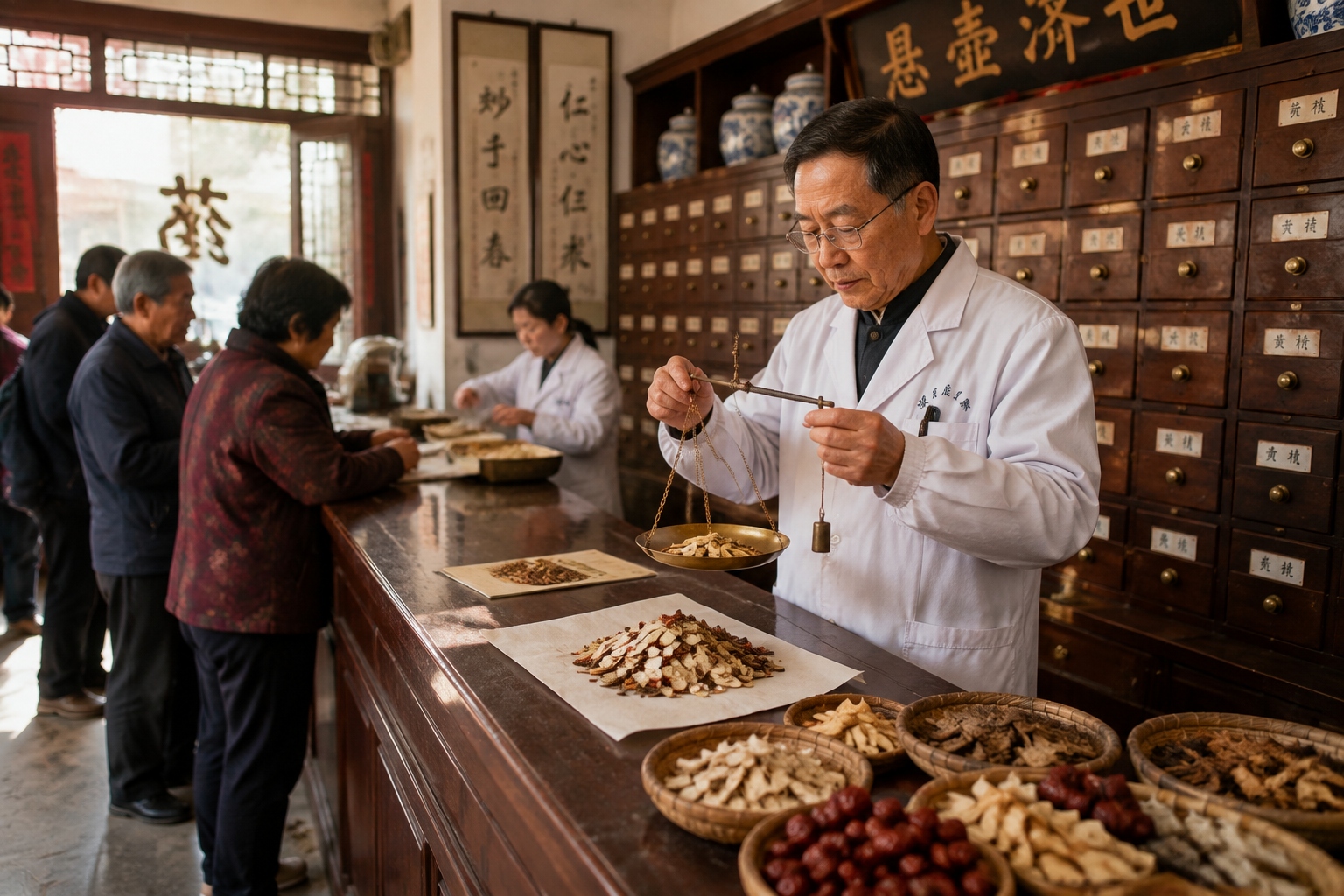

The first time I walked into a traditional Chinese medicine (TCM) hospital in Beijing, I wasn’t sure what to expect. The lobby smelled of herbs and something faintly sweet, like dried dates. Patients sat quietly, holding small white envelopes filled with bark and leaves. An old woman with a scarf wrapped around her neck smiled at me. ‘You’ll get used to it,’ she said. That day, I had a pulse diagnosis, tried cupping for the first time, and left with a bag of herbs I couldn’t pronounce. It was the beginning of my slow, practical education in how Chinese medicine works — not from textbooks, but from my own body.
Why Try Traditional Chinese Medicine?
For many people outside China, TCM can feel mysterious or even intimidating. But at its heart, it’s simply a different way of understanding health. Instead of treating a single symptom, a TCM practitioner looks at you as a whole person: your digestion, your sleep, your moods, your energy. In the West, you might visit a cardiologist for a heart issue. In TCM, you might see one doctor who asks about your sleep, your appetite, and the color of your tongue—then decides your ‘qi’ (vital energy) is out of balance.
The good news is that you don’t need to believe in qi to benefit from a TCM session. Many people in China use both Western and traditional medicine. If you have a chronic condition like migraines or back pain that Western treatment hasn’t fully solved, or if you’re simply curious about another approach, TCM can be a low-effort, high-interest experience. It’s also more accessible than you might think: many TCM hospitals are part of the public health system, and a consultation costs only a few dollars.
How to Choose a TCM Department
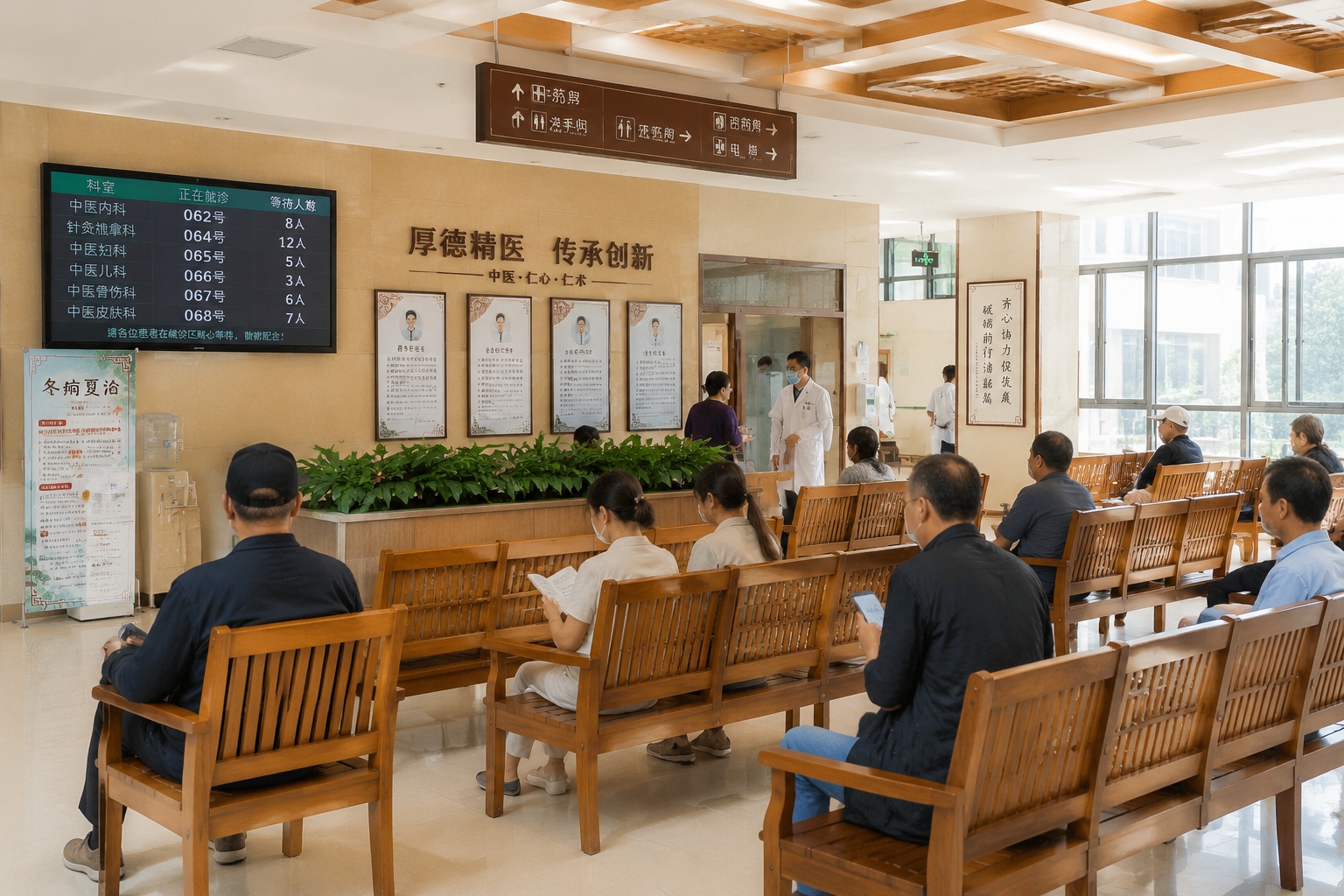
Walking into a Chinese hospital can feel overwhelming — there are long corridors and white walls, and you might see names like ‘Guōshāng kē’ (injury) or ‘Zhēnjiǔ’ (acupuncture). But you don’t need to be a specialist. For a first visit, two departments are most approachable:
- 中医内科 (TCM Internal Medicine): This is the closest to a general practitioner. The doctor will take your pulse, look at your tongue, and ask about your symptoms. They can help with common issues like fatigue, poor digestion, insomnia, or seasonal allergies. It’s the best starting point if you just want to test the waters.
- 针灸科 (Acupuncture): If you’re willing to try needles, this department treats pain and stress. Acupuncture feels like a tiny pinch, and many people find it deeply relaxing afterward. Some overseas visitors are surprised to learn that acupuncture needles are so thin that they don’t hurt at all.
There are also 推拿科 (Tuina), which is a form of therapeutic massage, and 骨伤科 (Orthopedics/TCM), which focuses on injuries and bone health. But for your first time, starting with internal medicine is a safe bet. Many TCM hospitals also allow you to book via a mobile app, but you can also walk in and register on the spot. Just be prepared to wait a bit — popular doctors might have a queue.
The Pulse Diagnosis: More Than Just a Heartbeat
The pulse diagnosis (把脉) is the most iconic part of a TCM visit. When I sat down, the doctor asked me to place my left wrist on a small cushion. She placed her index, middle, and ring fingers on my radial artery — just under my thumb — and pressed gently. For almost a minute, she stayed silent, her eyes half closed, focusing entirely on the pulse.
What she was looking for wasn’t just your heart rate. In TCM, the pulse can feel ‘stringy,’ ‘slippery,’ ‘tight,’ or ‘weak.’ These qualities relate to the state of your inner organs and the flow of qi and blood. The doctor might feel your pulse at three different positions along the wrist, corresponding to different organs. She might also compare your left and right pulses.
Here’s what you should do to prepare:
- Wear loose clothing: Roll up your sleeve easily to your elbow. Tight cuffs can interfere with blood flow and make your pulse feel tense.
- Relax: Nervousness can make your pulse fast and tight. If you’re anxious, breathe slowly for a minute before the consultation. You can even tell the doctor you’re nervous — they’ve seen it all.
- Don’t eat or drink coffee right before: A full stomach or caffeine can affect your pulse. It’s best to have a light meal an hour or two beforehand, and avoid tea or coffee for a few hours.
When the doctor finished, she asked about my sleep and appetite. Then she said, ‘You have a bit of dampness — too much cold watermelon. Your digestion is slow.’ I laughed because it was true: I had eaten a whole watermelon the day before. This kind of personalized observation is what makes TCM feel so surprising — and, I’ll admit, a little unsettling. The diagnosis felt like someone had looked inside me.

Cupping Therapy: What It Feels Like
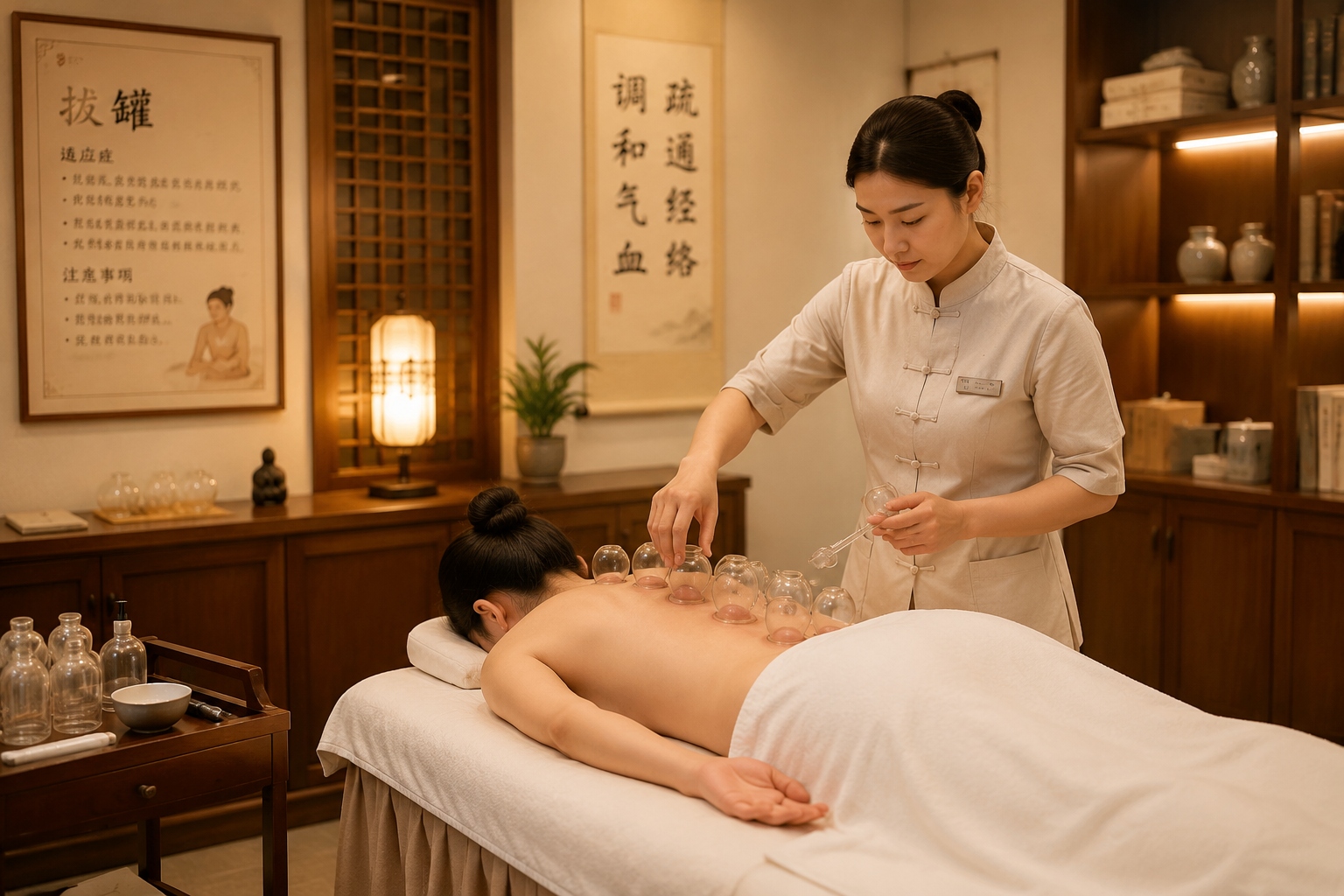
Cupping (拔罐) is another TCM technique that has gained attention globally, especially during the Olympics when swimmers showed those circular bruises. If you’ve ever wondered what it feels like, here’s the honest version.
For my first cupping session, I lay face down on a massage table. The therapist placed glass cups — each about the size of a small jam jar — on my back. Then, using a flaming cotton swab, she quickly heated the cup and placed it on my skin. The heat created a vacuum that sucked a small portion of skin upward. It didn’t hurt — it felt like strong suction, like a deep tissue massage from the inside.
The cups stayed on for about ten minutes. During that time, I felt a warm, stretching sensation. Some people feel relief immediately, especially for muscle tightness. When the cups were removed, my back looked like a leopard print — with round purple-red marks. These marks are not bruises from impact; they’re thought to be stagnant blood or toxins coming to the surface. They usually fade in three to seven days, depending on your skin.
A crucial piece of advice: after cupping, cover yourself. The theory is that your pores are open and you’re vulnerable to wind and cold. Even if you don’t believe in that, it’s common sense to wear a sweater for a few hours. Also, don’t take a shower right away — give your skin a few hours to settle.
Inside a Chinese Herbal Pharmacy
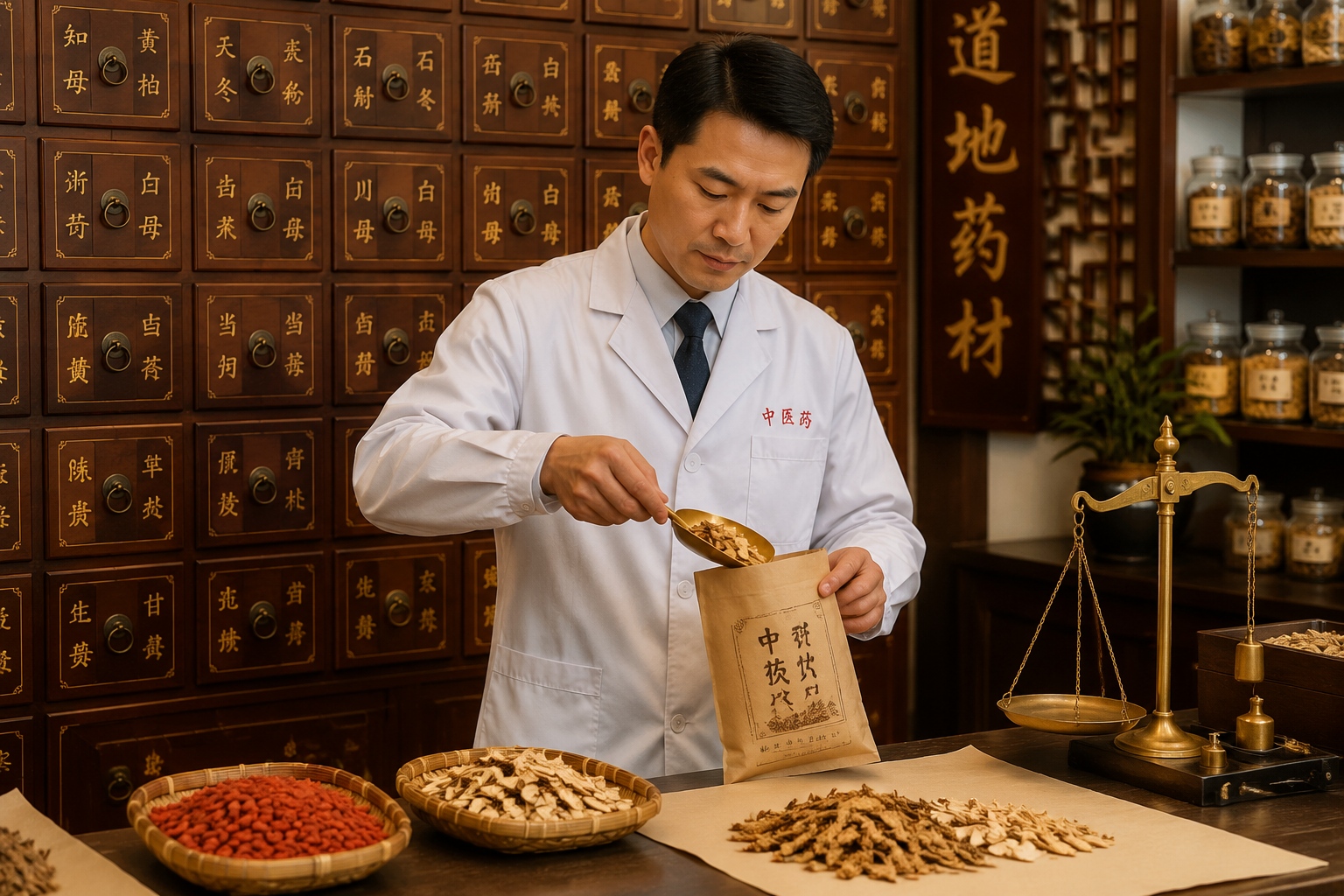
After the cupping, I walked to the hospital’s pharmacy to collect my herbs. The room was lined with enormous wooden cabinets — floor-to-ceiling drawers, each labeled with Chinese characters. In the drawers were dried leaves, twigs, roots, berries, and things I couldn’t identify. A young pharmacist was weighing a small amount of dark brown bark on a tiny scale, then wrapping it in a paper packet.
When I handed over my prescription, I learned that the doctor had written a combination of about eight different herbs. The pharmacy offered two options: take the raw herbs and boil them yourself, or pay a small fee (about 20 yuan, or $3) to have them decocted in the hospital’s lab, which uses high-tech machines to extract the liquid into sealed bags that you just warm up.
I chose the pre-boiled option. The bag smelled like earthy celery with a hint of licorice. I was told to drink it twice a day, warm. Some herbs are quite bitter, and I won’t pretend I enjoyed the taste. But after a week, my digestion improved and my energy felt steadier.
You might recognize some common Chinese herbs, like 枸杞 (goji berries) and 当归 (angelica root). Goji berries are often added to soups for eye health, while angelica root is used to regulate blood and is popular among women. These herbs are not just exotic—they’re part of everyday Chinese cooking. A bowl of chicken soup with goji berries is a normal comfort food. In fact, you can buy dried goji berries at any grocery store, and many young people add them to their tea as a wellness habit.
Tips for First-Timers
If you’re thinking about trying TCM, here are a few pointers from my own experience:
- Trust the process: The doctor will ask questions that may seem unrelated to your main issue. Answer honestly. Your sleep, sweat, and even your dreams can offer clues.
- Describe your symptoms specifically: Don’t just say ‘I feel tired.’ Say whether it’s worse in the morning or afternoon, if you have a dry mouth, or if you’ve lost appetite. Specific details help the doctor tailor the treatment.
- Start with one session: You don’t have to commit to a long treatment plan. A single visit can be an experiment, a way to learn how your body responds.
- Ask questions: If you’re curious about why certain herbs are prescribed, just ask. Most TCM doctors are happy to explain in simple terms.
- Combine with Western medicine if needed: TCM doesn’t have to replace your regular doctor. In fact, many Chinese people use both systems side by side. If you have a serious condition, always keep your Western doctor in the loop.
Conclusion
My first TCM experience wasn’t a miracle cure, but it was a lesson in paying attention to my body. The pulse-taking felt like a conversation, the cupping was oddly comforting, and the herbs made me reconsider my love for iced drinks. Whether you’re seeking relief from a nagging issue or just want to taste what Chinese culture actually feels like, TCM is an open door. And the best part? You don’t need to believe in qi for it to give you a weekend story you’ll never forget.
Start the discussion at forum.chinacomes.com