

Introduction: A Surprising Ingredient in My Latte
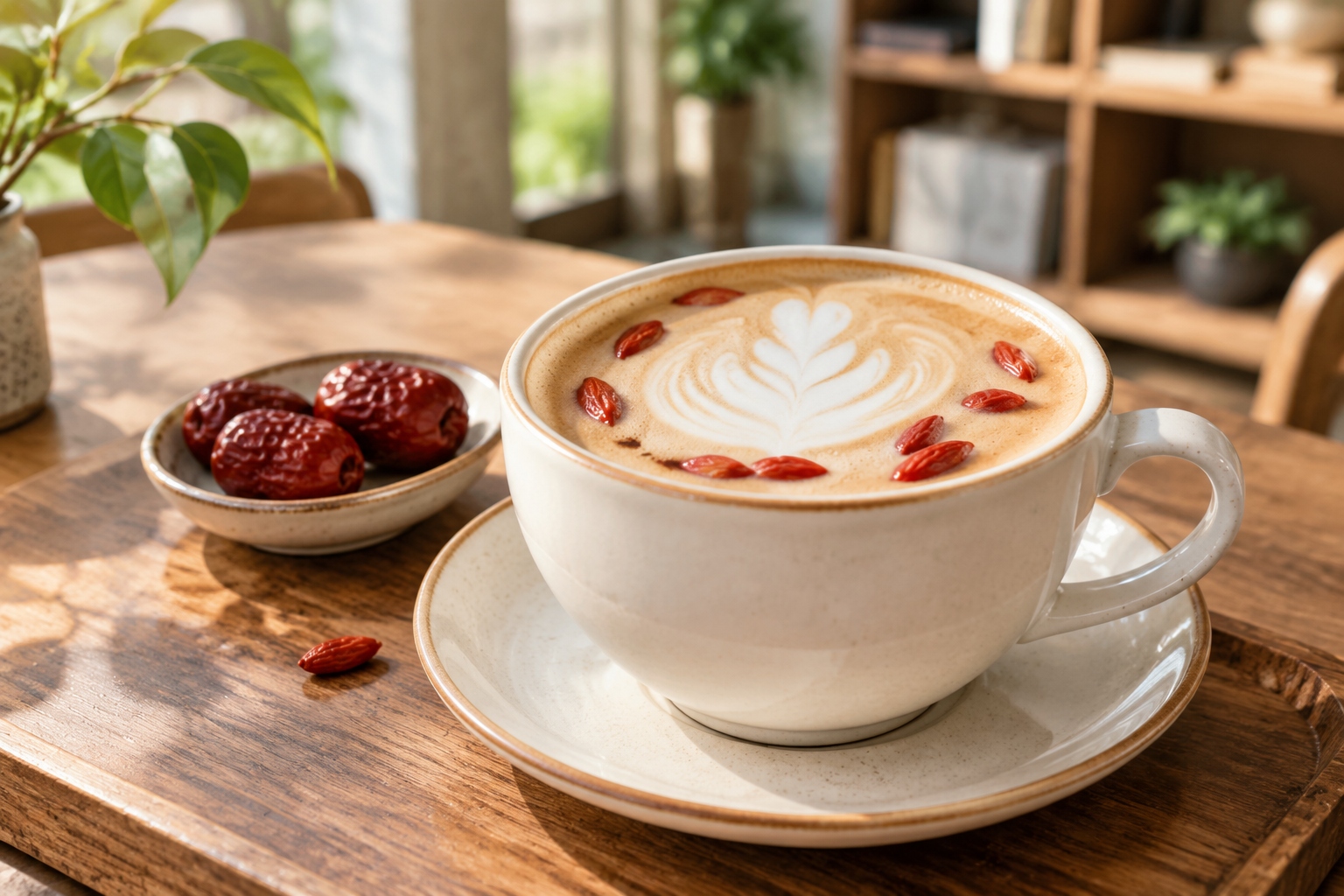
I’ll admit it: I ordered a latte with goji berries last week. Not a smoothie bowl, not a tea—an actual espresso-based latte, topped with a sprinkle of red, chewy goji berries. The barista didn’t blink. “That’s our ‘Longevity Latte’,” she said. “Very popular with people your age.”
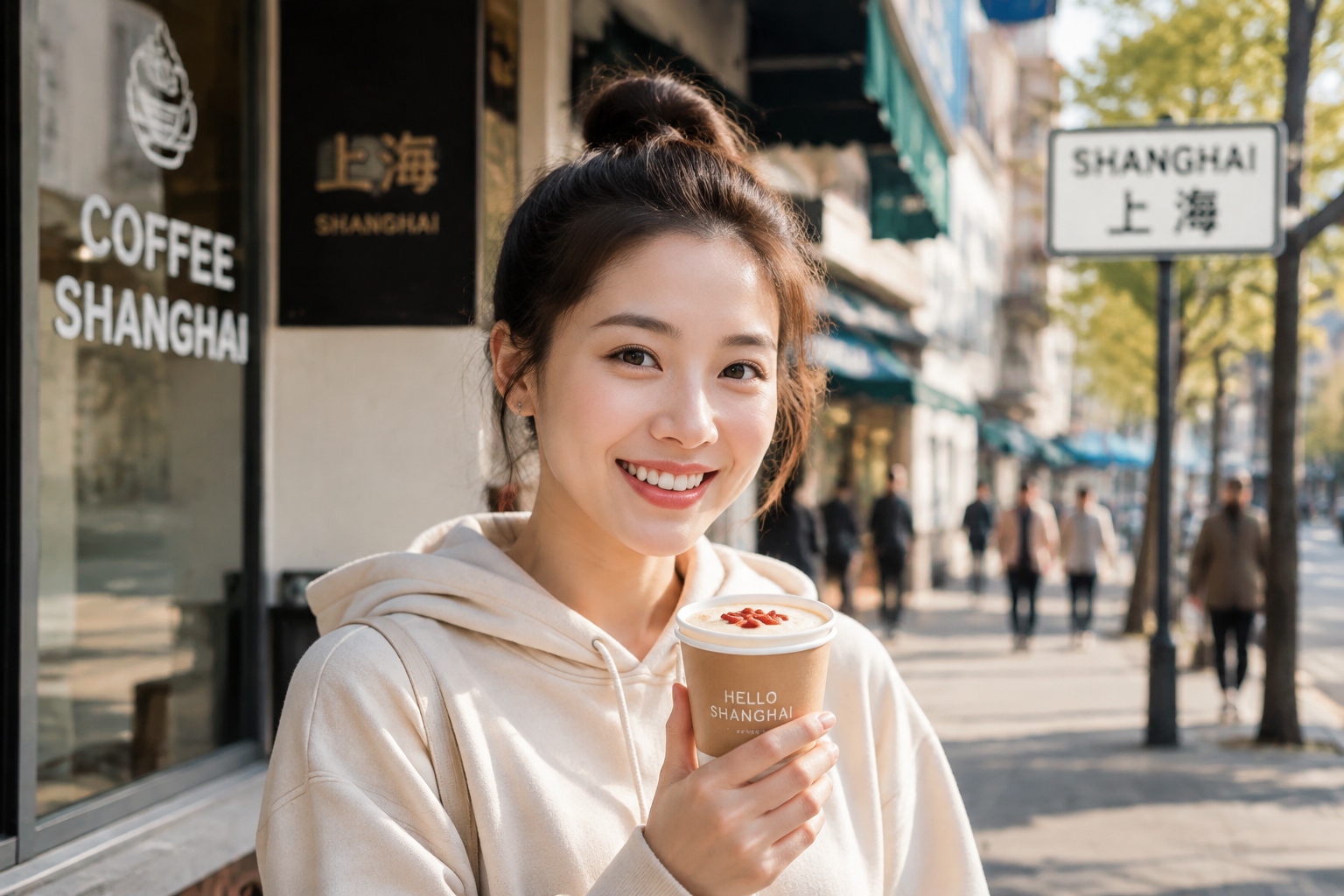
This wasn’t a health food store. It was a sleek, third-wave coffee shop in downtown Shanghai, with a minimalist interior and pour-over stations. And yet, alongside the usual flat whites and cortados, the menu featured drinks infused with red dates (jujubes), ginseng, ginger, and even Sichuan pepper. This is the new face of “food as medicine” (药食同源, yào shí tóng yuán), an ancient Chinese philosophy that has found an unexpected home in modern café culture.
What Is “Food as Medicine”?
The concept of yào shí tóng yuán dates back thousands of years. It’s the idea that food and medicine share the same origin—that everyday ingredients can nourish the body and prevent illness, not just satisfy hunger. In traditional Chinese households, it’s common to simmer chicken soup with astragalus root or make porridge with lotus seeds. Parents tell their children to eat more “warming” foods in winter and “cooling” ones in summer. It’s less a strict diet and more an ingrained cultural instinct.
But in the past, this philosophy rarely extended to specialty coffee or bubble tea. That changed around 2018, when a few hip café chains started experimenting with “health-oriented” drinks. Today, a search on Meituan (China’s largest food delivery platform) for “goji berry latte” returns hundreds of results in major cities. The trend even has a playful name: “punk health” (朋克养生)—a half-joking term for indulging in unhealthy habits while trying to offset them with traditional remedies.
The Punk Health Phenomenon
Chinese millennials and Gen Z are known for two seemingly contradictory behaviors: they burn the midnight oil at work or gaming, and they also obsess over wellness. They might stay up until 2 a.m., then drink a cup of ginseng-infused coffee the next morning. They order fried chicken, but add a side of goji berry tea. This is the essence of punk health: a flexible, sometimes ironic approach to self-care that acknowledges modern life’s pressures while reaching for ancient solutions.
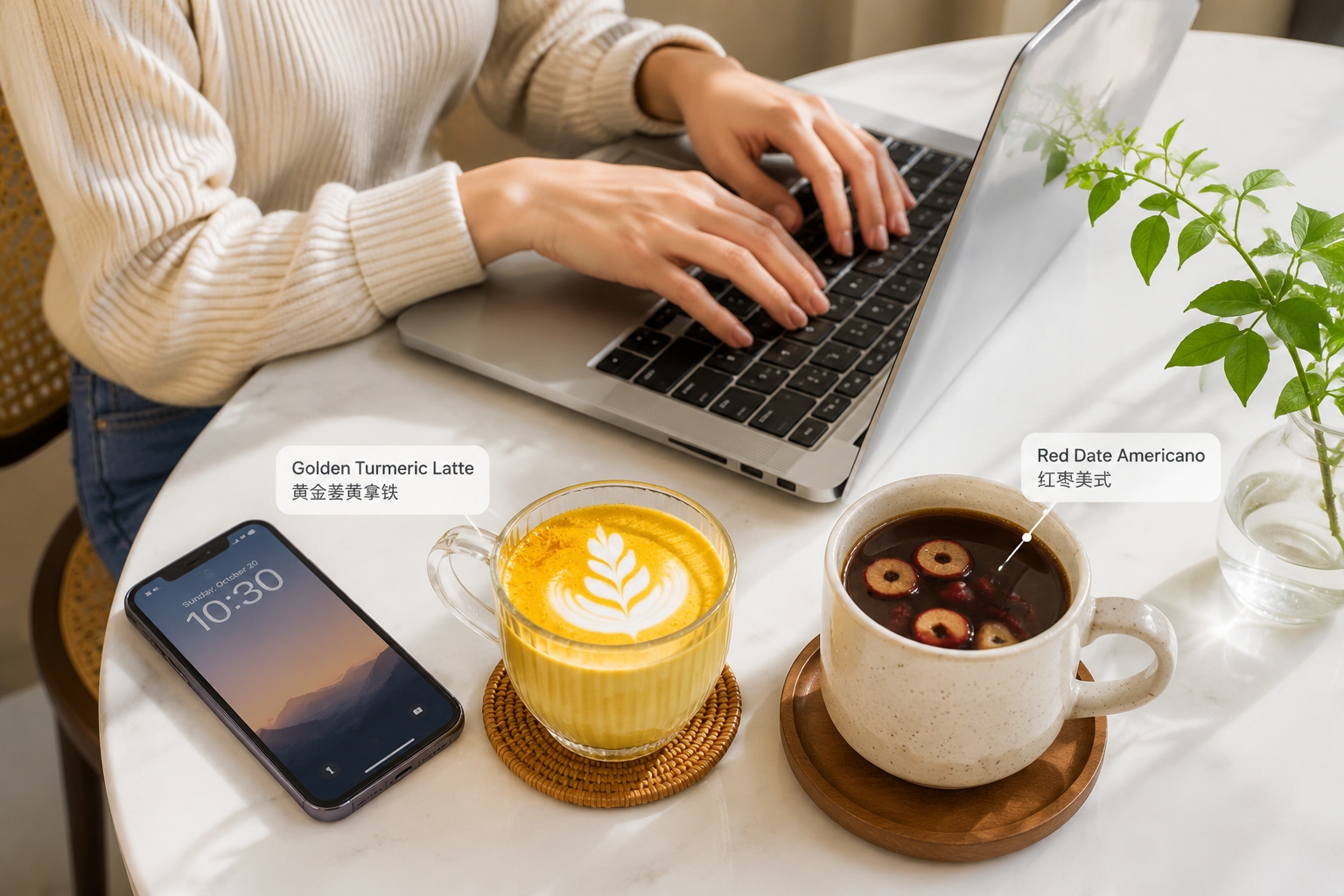
The appeal goes beyond nutrition. These drinks are highly shareable on social media. A latte topped with a red date “flower” or a glass bottle of golden ginger turmeric latte looks beautiful on Xiaohongshu (China’s Instagram-like platform). Posts tagged #punkhealth have millions of views. For many, ordering a goji latte is a way to signal that they care about their health—without overhauling their lifestyle. It’s a comforting ritual, a small act of rebellion against the chaos of urban life.
Why Are Cafés Embracing It?
From a business perspective, adding traditional ingredients helps cafés differentiate themselves in a saturated market. The Chinese coffee market has exploded, with brands like Luckin and Manner competing fiercely. Offering something unique—like a “red date latte” or “ginseng Americano”—can attract curious customers and generate buzz. Some shops even collaborate with traditional Chinese medicine (TCM) practitioners to develop “balanced” recipes.
But taste is the real test. Many of these drinks are genuinely delicious. Goji berries, when soaked in milk, release a subtle sweetness and a slightly floral note. Red dates add caramel-like richness. Ginger brings a pleasant warmth. Baristas have learned to balance the earthy flavors of herbs with the acidity and bitterness of coffee. The result? A cup that feels both familiar and novel.
Three Popular “Medicine-Food” Drinks You Can Try
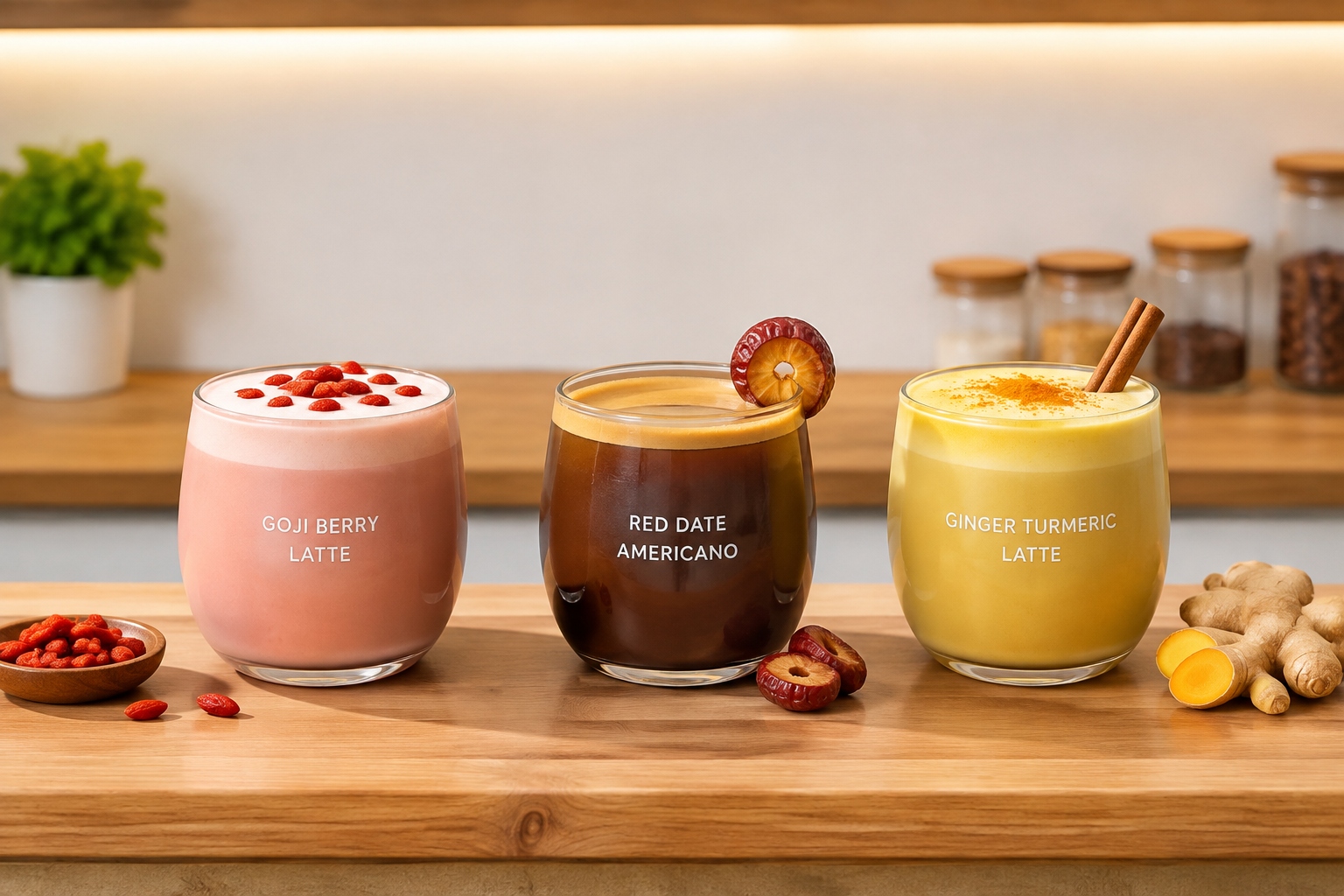
Here are three examples that have gained a following:
- Goji Berry Latte: A classic latte with a layer of goji berry purée at the bottom, topped with whole goji berries. It’s sweet, creamy, and has a pleasant chewiness. Many fans say it’s perfect for an afternoon pick-me-up.
- Red Date (Jujube) Americano: A strong espresso shot combined with a syrup made from red dates. No added sugar needed—the dates provide natural sweetness. It has a deep, almost smoky flavor that pairs well with the coffee’s bitterness.
- Ginger Turmeric Latte (Golden Milk Latte): Not exactly new, but the Chinese version often includes black pepper for absorption, and sometimes a dash of cinnamon. It’s warming, anti-inflammatory, and feels like a hug in a cup.
Underlying Tensions: Tradition vs. Modern Pace
Not everyone is convinced. Critics argue that adding goji berries to a latte is a marketing gimmick that dilutes the real wisdom of TCM. True yào shí tóng yuán, they say, is about a balanced diet and holistic lifestyle, not a quick fix in a paper cup. Others worry about the high sugar content in some customized drinks, which undermines the health claims.
There’s also a cultural tension. On one hand, young Chinese are proud of their heritage and enjoy seeing traditional ingredients reimagined. On the other, the commercialization can feel like a reduction of something profound. Yet most consumers aren’t looking for medicine—they’re looking for a moment of comfort and a connection to their roots, even if it’s served in a takeaway cup.
Conclusion: A Flavor of Modern China
The “food as medicine” latte trend is a perfect metaphor for China today: a country that holds ancient traditions in one hand and a smartphone in the other. It’s not about whether goji berries actually make your coffee healthier. It’s about how people adapt inherited wisdom to fit their fast-paced lives, with humor and creativity. Next time you’re in a Chinese city, order a goji latte. Look at the young professionals and students sipping theirs. You’ll taste not just the ingredients, but a small story of cultural continuity and change.
Start the discussion at forum.chinacomes.com