

The Unspoken Currency of a Business Dinner
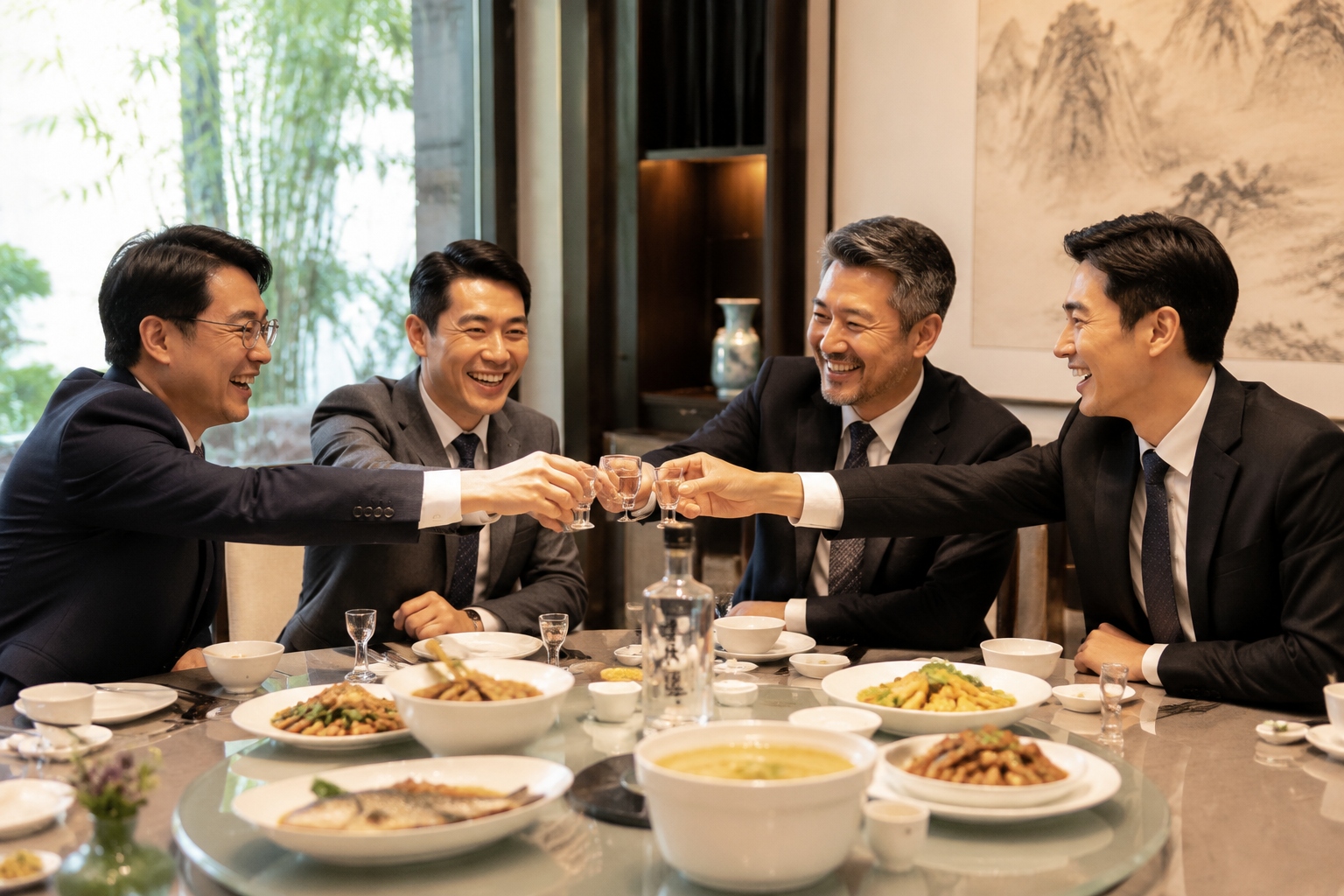
After a long day of negotiations, you sit down at a round table in a private room. The host smiles, unscrews a bottle of clear liquid, and says, “Come on, let’s just drink and chat.” That bottle is baijiu—typically 50% alcohol or more. The first toast is made by the most senior person, and everyone stands. You raise your glass, clink it slightly lower than theirs, and down the whole shot in one gulp. This is not just drinking; it’s a ritual that can seal a deal or ruin a relationship.
In China, baijiu is more than a spirit; it’s a social lubricant that builds trust, tests character, and creates a shared experience. A recent survey by research firm Daxue Consulting found that over 70% of Chinese business executives believe drinking plays a “very important” role in deal-making. The custom is deeply rooted in the concept of guanxi (relationships), where personal bonds often precede formal contracts. But the rules are complex, and missteps can be costly.
Decoding the Toasting Hierarchy
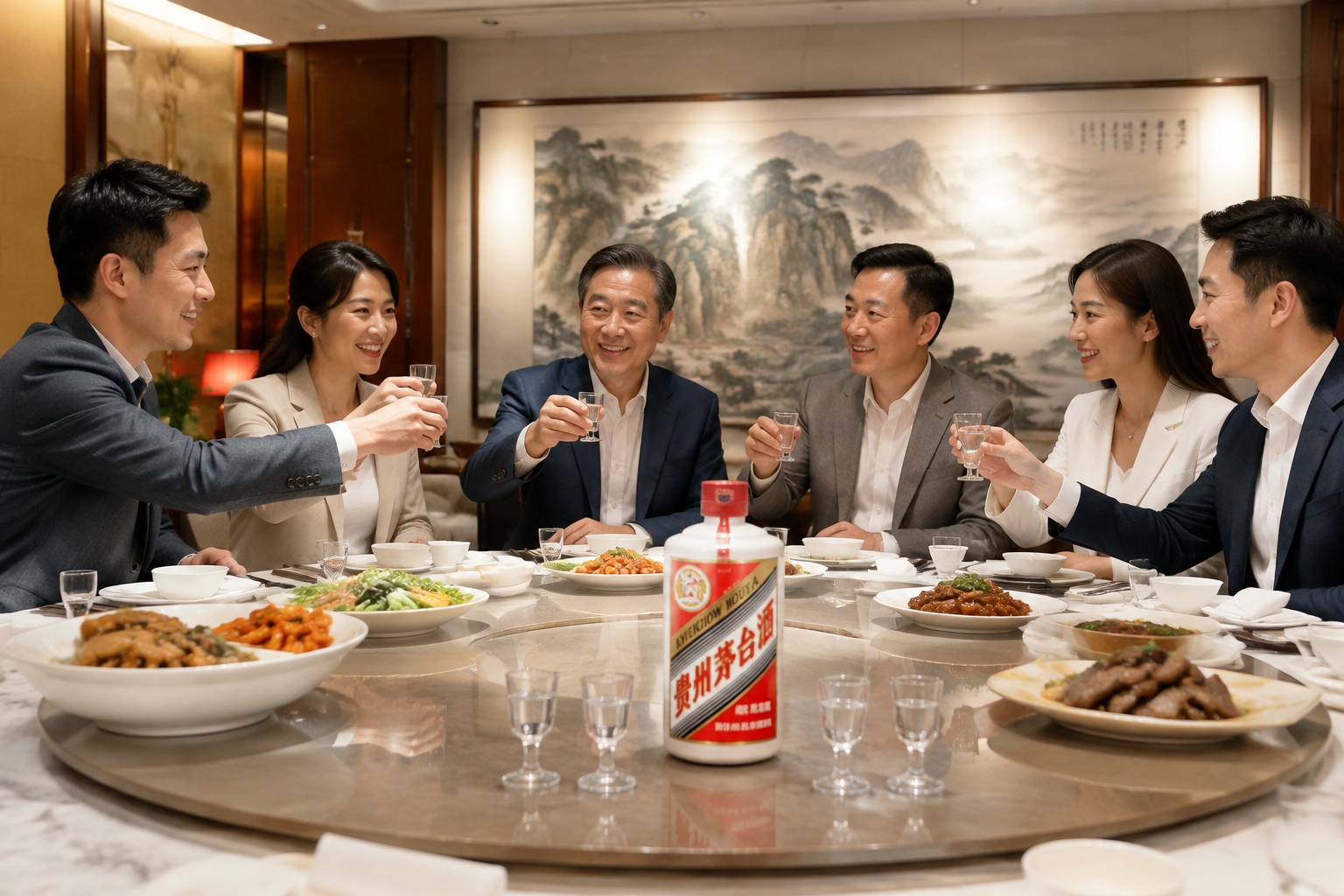
At a Chinese business dinner, seating order and toasting sequence are not arbitrary. The guest of honor sits facing the door, and the host sits opposite. Toasts begin from the host, then move clockwise. The most common toast is ganbei (干杯), literally “dry glass,” meaning you must finish your drink. There are also jing (敬) toasts, where you show respect by lowering your glass edge below the other person’s. Table etiquette: never drink alone, always toast someone; never pour for yourself without first offering to fill others’ glasses.
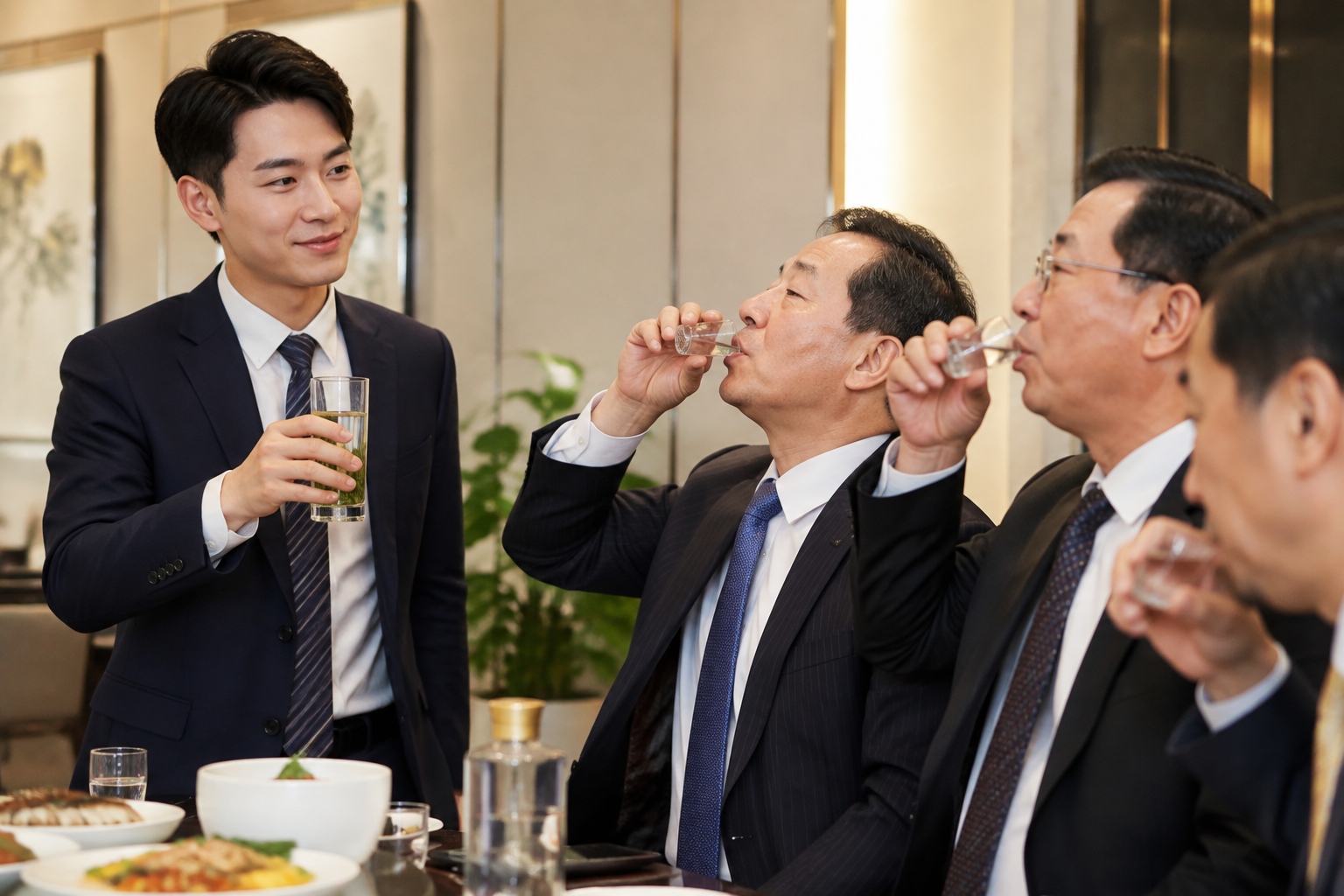
“When a boss toasts you, it’s an evaluation,” explains Liu Wei, a Shanghai-based sales director. “If you hesitate, they might think you’re not committed to the partnership.” The subtext is about hierarchy and willingness to engage. A junior person should always toast with a lower glass, say a few respectful words, and then ganbei.
The art of the toast also involves words. Common phrases include “I wish you good health and success” or “Let’s cooperate happily.” The key is to match the formality of the occasion. Foreign newcomers often misinterpret ganbei as a challenge of endurance, but insiders know it’s more about ritual participation than quantity—no one expects you to drink 20 shots, but they do expect you to show effort.
Why the Pressure to Drink? And How It’s Changing
Historically, China’s “drinking culture” (jiu wenhua) served as a loyalty test and a way to break down formal barriers. In the 1990s and 2000s, many business deals were finalized over heavy drinking sessions. The logic: if you’re willing to get drunk for the relationship, you’re trustworthy.
But the landscape is shifting. Younger professionals born after 1990, known as the “baijiu resisters,” are more health-conscious and less willing to binge. A 2023 report by market research firm Mintel found that 45% of Chinese consumers aged 22–35 say they avoid drinking at business dinners if possible. Government anti-corruption campaigns since 2012 have also curbed excessive spending and public drunkenness among officials, setting a more moderate norm.
Yet in private sectors, especially in manufacturing, real estate, and traditional sales, baijiu remains entrenched. “In my industry, if you don’t drink, you miss half the conversations,” says a mid-level manager at a machinery firm in Shandong. “But it’s changing. I now see more young colleagues saying ‘I have to drive’ or ‘I’m on antibiotics’—and people accept it.”
Survival Tactics: How to Navigate a Baijiu Table Without Losing Your Dignity
If you find yourself at such a dinner, here are strategies grounded in real practice:
- The excuse strategy: Use a socially acceptable reason like “I’m taking medication,” “I have an early meeting,” or “I’m driving” (if you truly are). Avoid claiming you don’t drink at all—that can be seen as a rejection of the culture.
- The “sipping” technique: When toasts come fast, you can sip instead of ganbei if you first plead with a sincere apology: “I’m afraid I’m not a good drinker, but I’ll do my best.” This earns respect for honesty.
- Reciprocal toasting: Take the initiative to toast others with tea or water, explaining your limitation. This shows goodwill and gives you control.
- Partner up: Attend with a colleague who is willing to drink more. They can share the toasting load, and you focus on conversation.
- The “check the phone” trick: If you feel dizzy, excuse yourself to the restroom or take a fake urgent call. It’s acceptable to step out briefly.
Remember: the ultimate goal of the dinner is to build rapport. Even if you drink little, engaging in conversation, showing appreciation for the food, and listening to stories can compensate.
Case Study: The Dinner That Got the Contract
Zhang Lin, a founder of a logistics startup, recalls a pivotal dinner with a state-owned potential client in Chengdu. “We had negotiated for three months with little progress. The boss invited us to a baijiu dinner. I knew it was the moment.”
During the dinner, Zhang carefully observed the other party’s senior: he toasted the client first with a full glass of Moutai, using a toast that praised their company’s reputation. The client reciprocated. Over the next two hours, layers of formality melted. “We drank about six rounds—each time I made sure to pour for others before myself, and I never let my glass sit empty too long.”
The next day, the contract was signed. Zhang believes the dinner built the trust needed to move past the stalemate. “It’s not about getting drunk. It’s about showing that you’re willing to go through the ritual with them.”
Conclusion: A Custom in Flux
Baijiu culture is not a monolith. It varies by region—Sichuan and Guizhou are more intense; coastal cities like Shanghai are more relaxed. And it is evolving. The rise of health awareness, legal liability fears, and a younger workforce are steadily softening the hard-drinking norms. But for now, understanding the unwritten rules remains a valuable asset for anyone doing business in China.
So next time you see that bottle of clear liquid, don’t panic. See it as a cultural key. With a little preparation and a lot of respect, you can unlock doors that spreadsheets alone never will.
Start the discussion at forum.chinacomes.com