

Before the Ascent: A Surprising Start in Lhasa
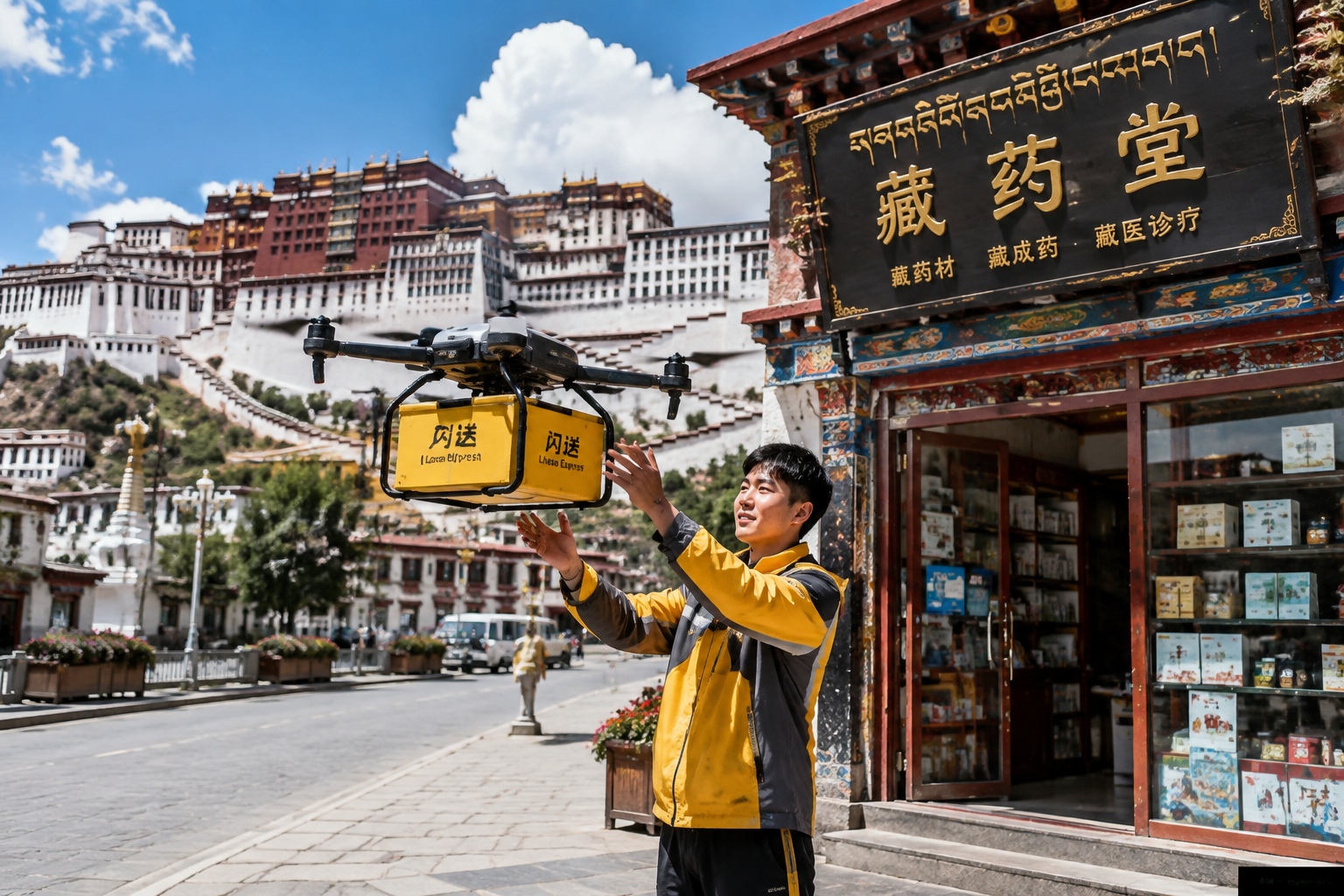
You might expect the journey to Everest Base Camp (EBC) to begin with a rugged mountain road and a complete disconnection from modern life. What I didn’t expect was to be standing in Lhasa, at 3,650 meters, watching a delivery drone drop off a package of altitude sickness medication at a small pharmacy. The young courier shrugged: “It’s faster than driving through the city traffic.” This was my first hint that the Everest experience in today’s China is not what many Western travelers imagine.
The Numbers: A Landscape That Demands Respect
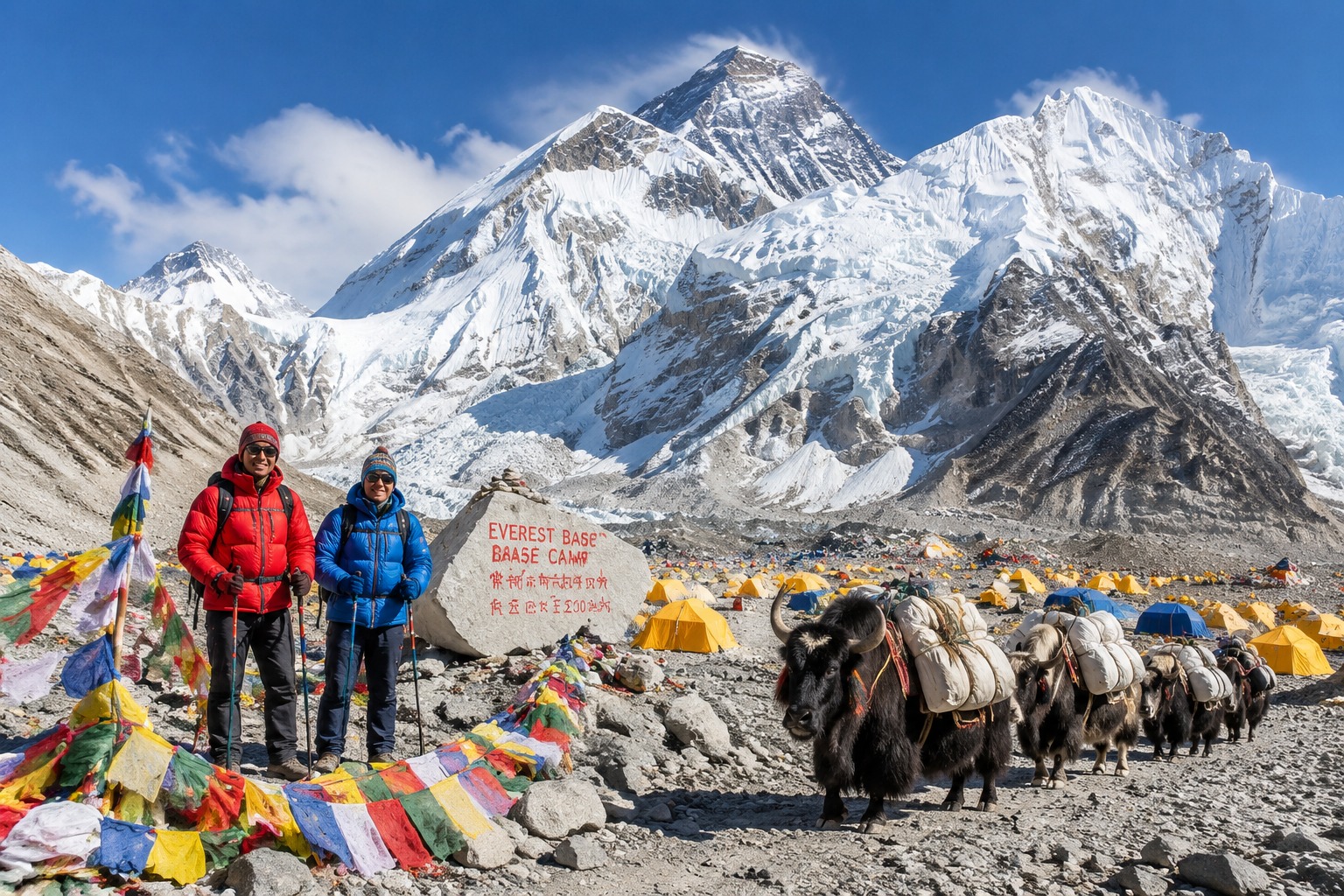
The classic EBC trek from Tingri County to the north side base camp in Tibet covers about 110 kilometers round trip, with altitudes ranging from 4,200 meters at Tingri to 5,364 meters at the base camp itself. Acclimatization is not optional — it’s a matter of survival. On average, climbers spend 6–8 days on the route, with most nights spent in tented camps or simple lodges. The air at base camp contains only about 50% of the oxygen available at sea level. Even walking slowly feels like a full-body workout.
The mountain itself needs no introduction. Mount Everest (Qomolangma in Chinese) stands at 8,848.86 meters, the world’s highest peak. But the north face, which dominates the view from the Tibetan side, is less photographed than the more famous south face from Nepal. It appears steeper, more imposing — a massive black and white pyramid cutting into the sky. Many trekkers say the sheer scale hits them only after hours of staring at it.
Stories from the Trail: Sherpas, Porters, and a Digital Life
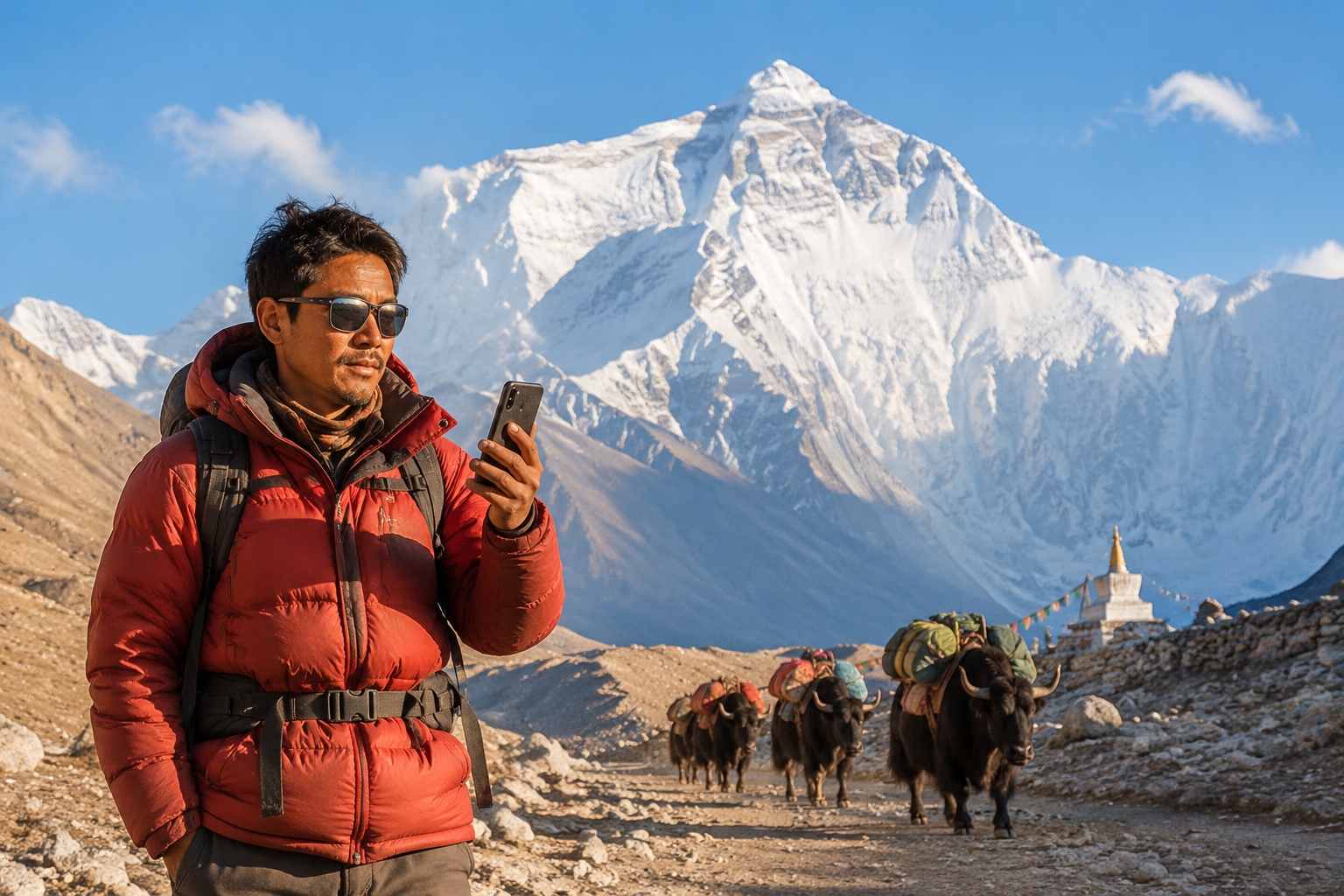
One afternoon I met Tenzing, a 38-year-old Sherpa guide from the Khumbu region who works on the Tibetan side. He has summited Everest seven times and lost three friends on the mountain. His phone, however, was playing a Chinese pop song from a 5G playlist. “My wife watches me through WeChat video from Kathmandu every night,” he said, showing me a crack on his phone screen. “The only problem is charging — solar power banks are our best friends.”
The trekking route itself is a strange mix of ancient Buddhist culture and modern logistics. Prayer flags flutter beside solar-powered weather stations. Yaks carry tents and oxygen cylinders up the same paths that pilgrims have used for centuries. At Rongbuk Monastery — the highest monastery in the world at 4,980 meters — monks use smartphones to livestream morning prayers to followers across China.
The Waste Problem: A Quiet Revolution at 5,300 Meters
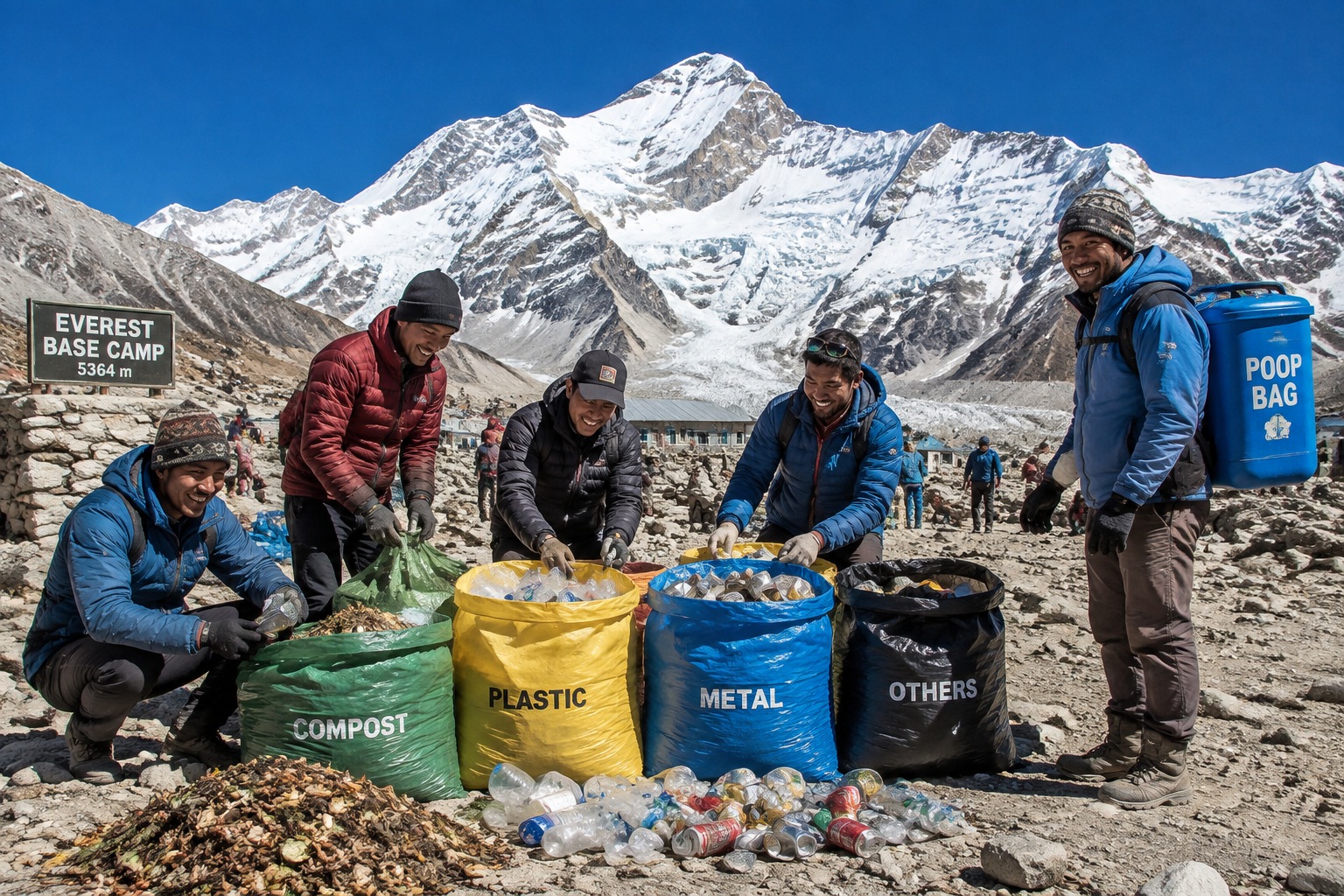
Every trekker has heard the grim statistics: Everest has become the world’s highest garbage dump. For years, the problem was severe on both sides. But on the Tibetan side, a systematic cleanup effort has been underway since 2018. At the base camp, I watched a team of porters sort waste into categories: plastics, metals, organic, and human waste (collected in specially designed barrels). All non-degradable waste is packed onto yaks and trucks and brought down to Shigatse, a city about 350 kilometers away, for proper disposal or recycling.
“Last year we removed 14 tons of garbage from the north side route,” said Wangchuk, a local environmental officer. “But the real challenge is human waste. Every climber generates about 2.5 kilograms per day during the trek. We now require all expedition teams to use ‘poop bags’ — biodegradable bags that can be carried out.” The results are visible: the area around the base camp is noticeably cleaner than it was five years ago, though the battle is far from over.
The Psychological Impact: When the Mountain Changes You
What do people actually feel when they stand at the base of the world’s tallest mountain? I asked a retired teacher from Nanjing who had saved for three years to make this trip. “I thought I would feel proud,” he said, adjusting his oxygen mask. “But I feel tiny. And a little dizzy.” His honesty was refreshing. Many trekkers describe a strange mix of awe and humility — the mountain does not care about your plans, your dreams, or your Instagram feed.
The silence at base camp is another shock. Away from the wind, you can hear your own heartbeat. At night, the stars are so dense and bright that they seem artificial. One guide told me that 60% of his clients cry at some point during the trek — not from fear or pain, but from an overwhelming sense of smallness. “This is the only place I know that makes you feel both completely alone and part of something huge,” he said.
A Changing Relationship: Tourism, Technology, and the Future
China has invested heavily in infrastructure on the Tibetan plateau. The railway to Lhasa, completed in 2006, was extended to Shigatse in 2014, and a new highway has cut the drive from Lhasa to the Everest region by several hours. More tourists are coming — around 40,000 people visit the Tibetan side of Everest each year (before COVID, the number was over 60,000). But with more people come more challenges: how to preserve the very wilderness that people come to see?
One answer is technology. Drones are now used to monitor glacier movement and waste accumulation. Cameras with AI detect illegal mountaineering activities. And a new “smart base camp” initiative, piloted in 2023, uses solar-powered data hubs to track oxygen levels, weather, and even visitor health metrics in real time. “We don’t want to turn Everest into a theme park,” said a project manager. “But we need data to make better decisions about safety and conservation.”
For the local communities, the economic benefits are real. Sherpa guides, cooks, and porters earn steady incomes during the trekking season (April–May and September–October). Many have built new homes, sent their children to university, and started small businesses. Yet they also worry about the long-term effects of climate change on the glaciers — the Khumbu Icefall on the Nepali side has become so unstable that some guides have refused to traverse it.
Conclusion: More Than a Destination
The Everest Base Camp route from the Tibetan side is not the easiest way to see the world’s highest peak. It’s physically demanding, logistically complex, and psychologically draining. But for those who make the journey, it offers something rare: a chance to confront your own limitations against a landscape that is indifferent to your existence.
If you go, prepare well. Respect the altitude. And don’t forget your poop bag. The mountain will reward you not with an easy path, but with a perspective that stays with you long after you’ve returned to sea level.
Start the discussion at forum.chinacomes.com