
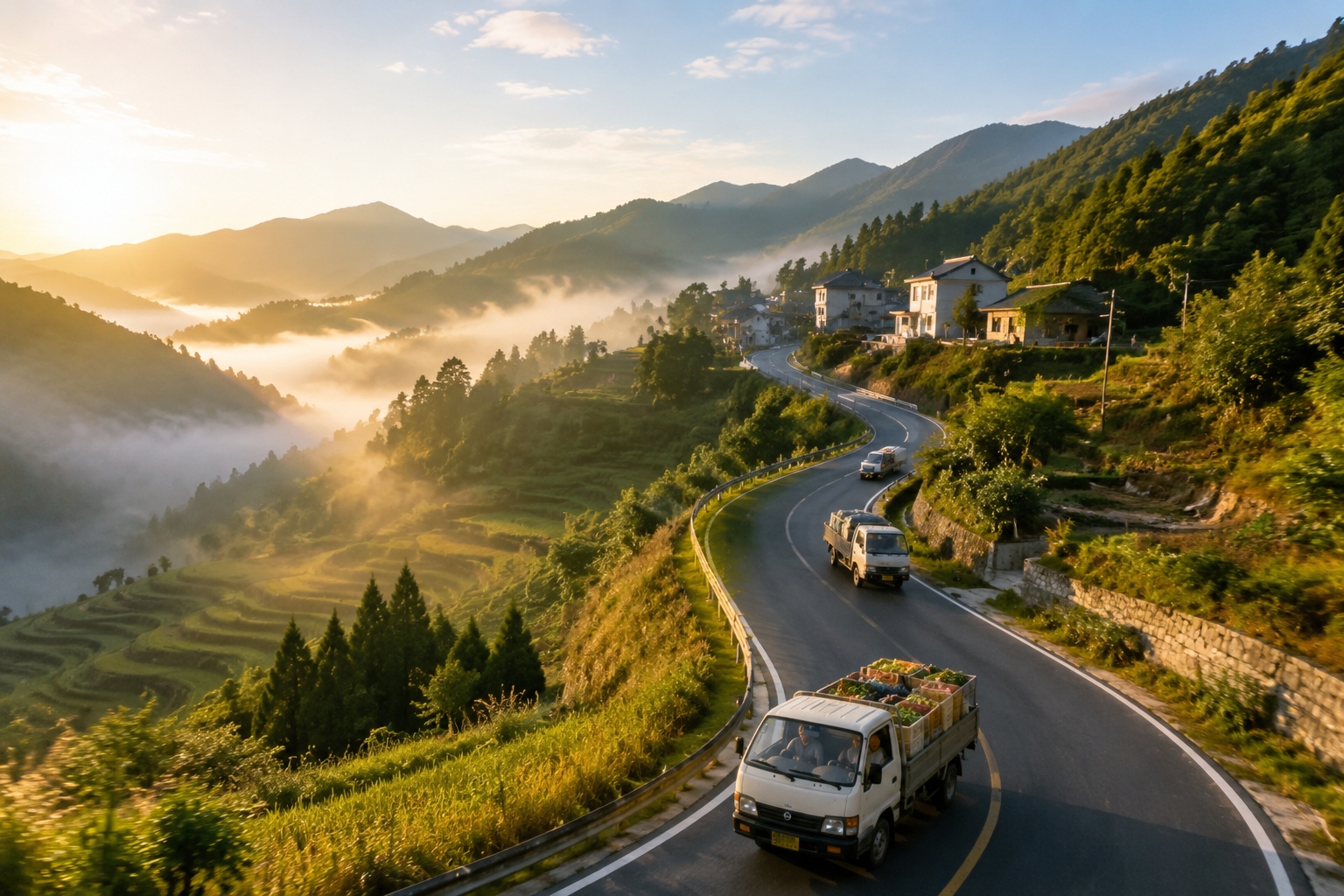

A Morning in the Mountains
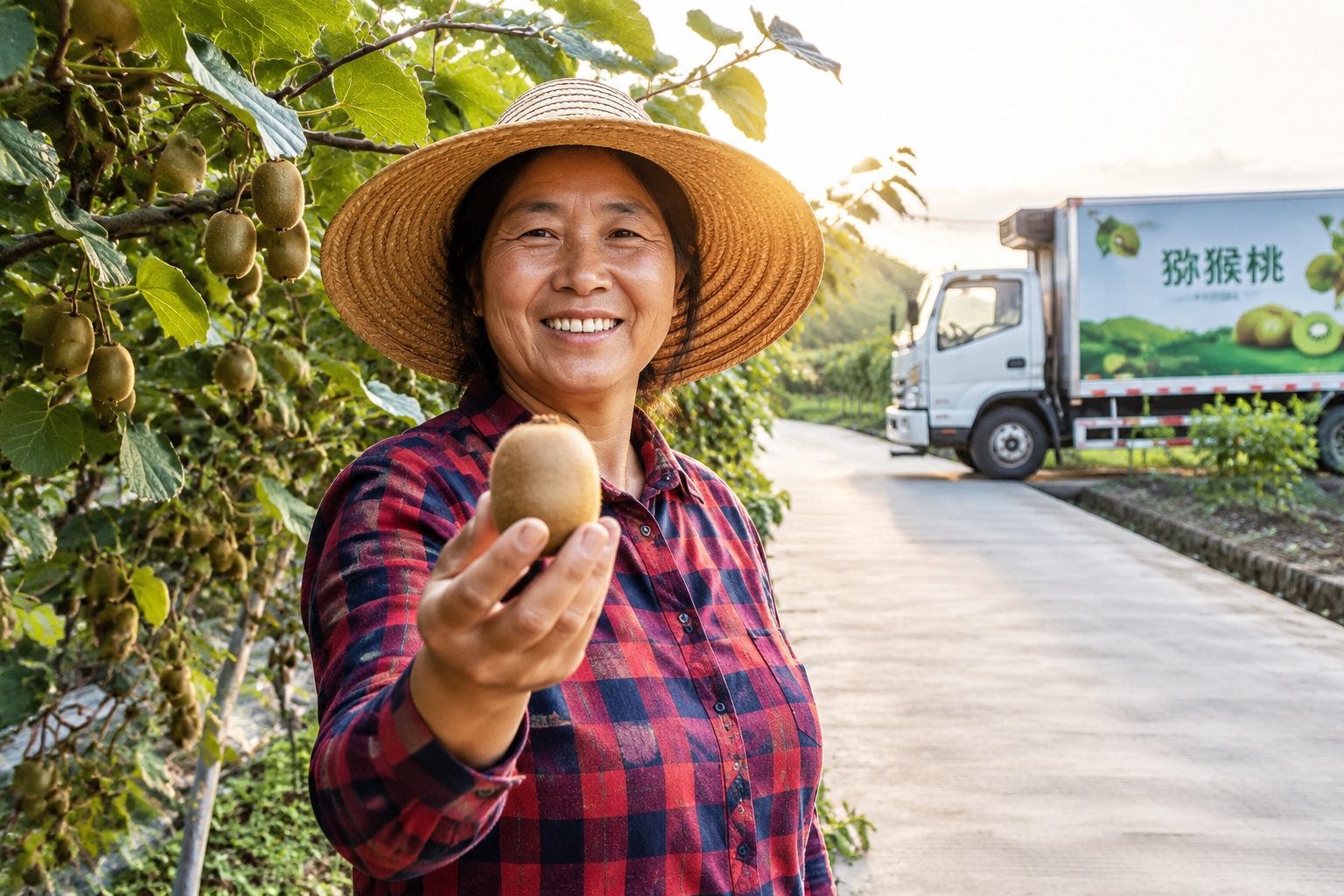
At 6 a.m., Li Fang is already in her orchard in Xiuwen County, Guizhou Province. She picks a kiwifruit, holds it up to the early light, and grins. “This one is perfect,” she says. Today, a refrigerated truck will pull up at the end of the village road, collect her fruit, and head straight to the city. She used to carry the kiwis down the mountain in baskets, then wait for a bus that came twice a day. If the bus was full, she waited again. In summer, fruit rotted. In winter, the path was icy.
Now, a wide, smooth road runs from her village to the county town. The truck ride takes 40 minutes. “The road is our bridge to the market,” she tells me.
7 Million Kilometers of Good News
I first met Li Fang while traveling through Guizhou to understand what 7 million kilometers of rural roads actually means for ordinary people. In China, the total length of rural roads has officially crossed 7 million kilometers – enough to circle the Earth 175 times. But numbers like that can feel abstract. The real story is in places like her village.
According to the Ministry of Transport, by the end of 2023, more than 99 percent of China’s administrative villages were connected by paved roads. The goal of “hardened roads to every village” became a reality, not just on paper but in the daily life of hundreds of millions of farmers. The government has poured investment into these roads for more than a decade, turning muddy trails into concrete and asphalt ribbons that wind through mountains, deserts, and plains.
“Before the road, the village was a dead end,” says Wang Jianguo, a 62-year-old farmer in a nearby village. “Now it’s a living place.” His story is typical: when the road came, a delivery station followed, and then a small shop, and then a bus stop. Life expanded.
From Dirt Paths to Delivery Trucks
The most immediate change is logistics. Farmers in remote areas can now get their produce to market within hours, not days. In the past, high transportation costs meant that a farmer might earn only a fraction of the city price for their crops. Middlemen would often set the price low because they knew the farmer had no choice.
That is changing. Cold-chain trucks can now reach villages that were once impossible to access. Farmers can sell directly through e-commerce platforms like Pinduoduo and Taobao, shipping to consumers in big cities across the country. For Li Fang, this means her kiwifruit sells at nearly 40 percent higher prices than when she sold to local wholesalers.
“I used to watch the fruit rot. Now I watch customers give me five-star reviews,” she says with a laugh.
In many villages, young people are returned after working in cities, because the road makes new businesses possible. Some are with the local cooperatives; others start their own online shops. The road doesn’t just carry goods; it carries ideas. A farmer can take a course in e-commerce, borrow a small loan, and build a micro-brand.
When Roads Bring Visitors
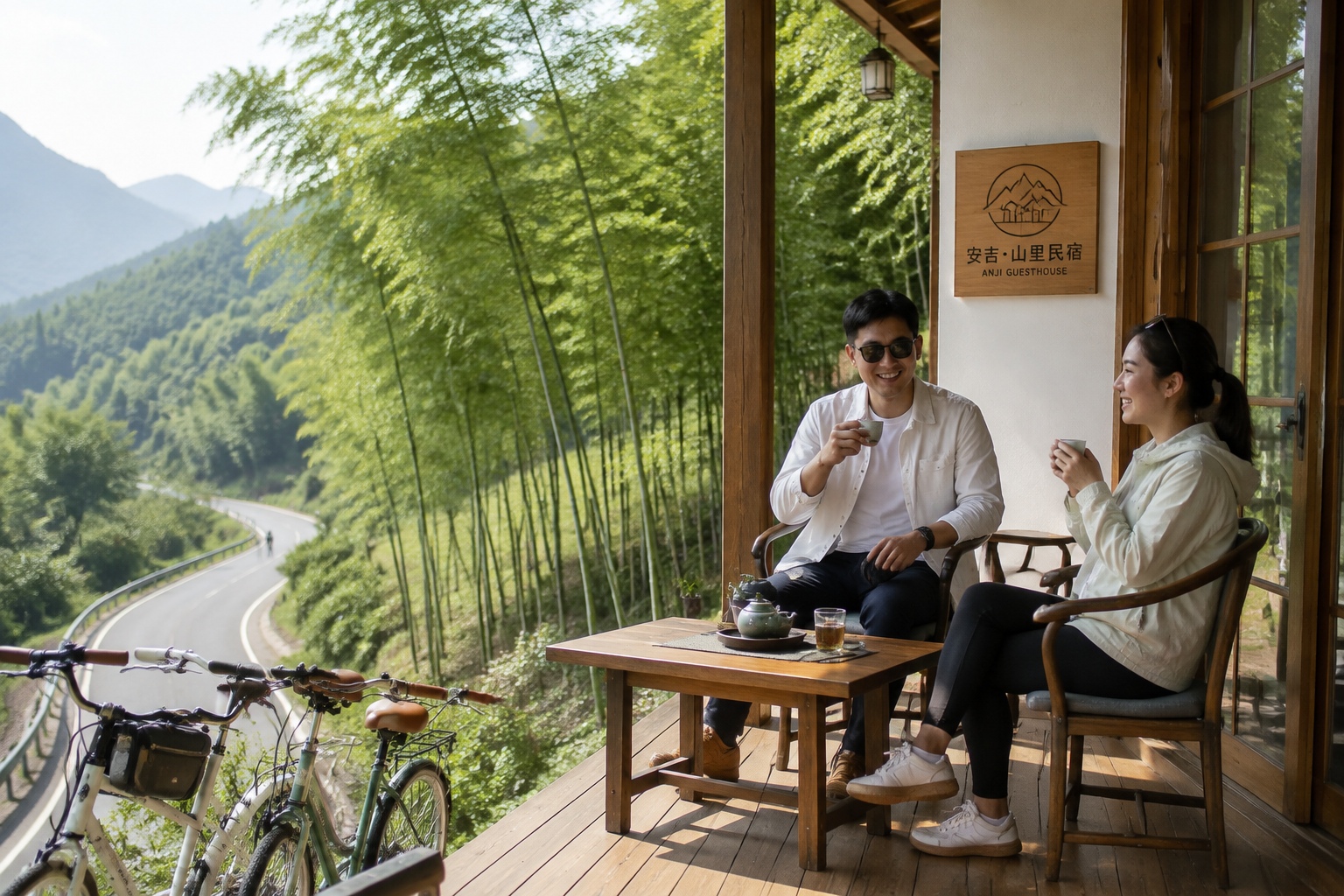
Not all opportunities are about exports. In many parts of China, especially near cities, rural roads have opened the door to tourism. Take Anji County in Zhejiang Province, known for its bamboo forests and tea plantations. A decade ago, few city dwellers knew how to get there. Today, winding mountain roads lead directly to boutique guesthouses and family-run inns.
Chen Mei, a former factory worker, converted her grandparents’ farmhouse into a small guesthouse. She says that during peak season, she turns away guests every weekend. “The road brought the whole city into my backyard,” she told me. She now hires five local women to help with cleaning and cooking.
Tourism revenue in many once-remote villages has grown sharply. The key is that the roads themselves become part of the experience: cyclists and road-trippers come for the scenic drives, stopping to buy honey, nuts, and handmade crafts.
More Than a Road: A Bridge of Opportunity
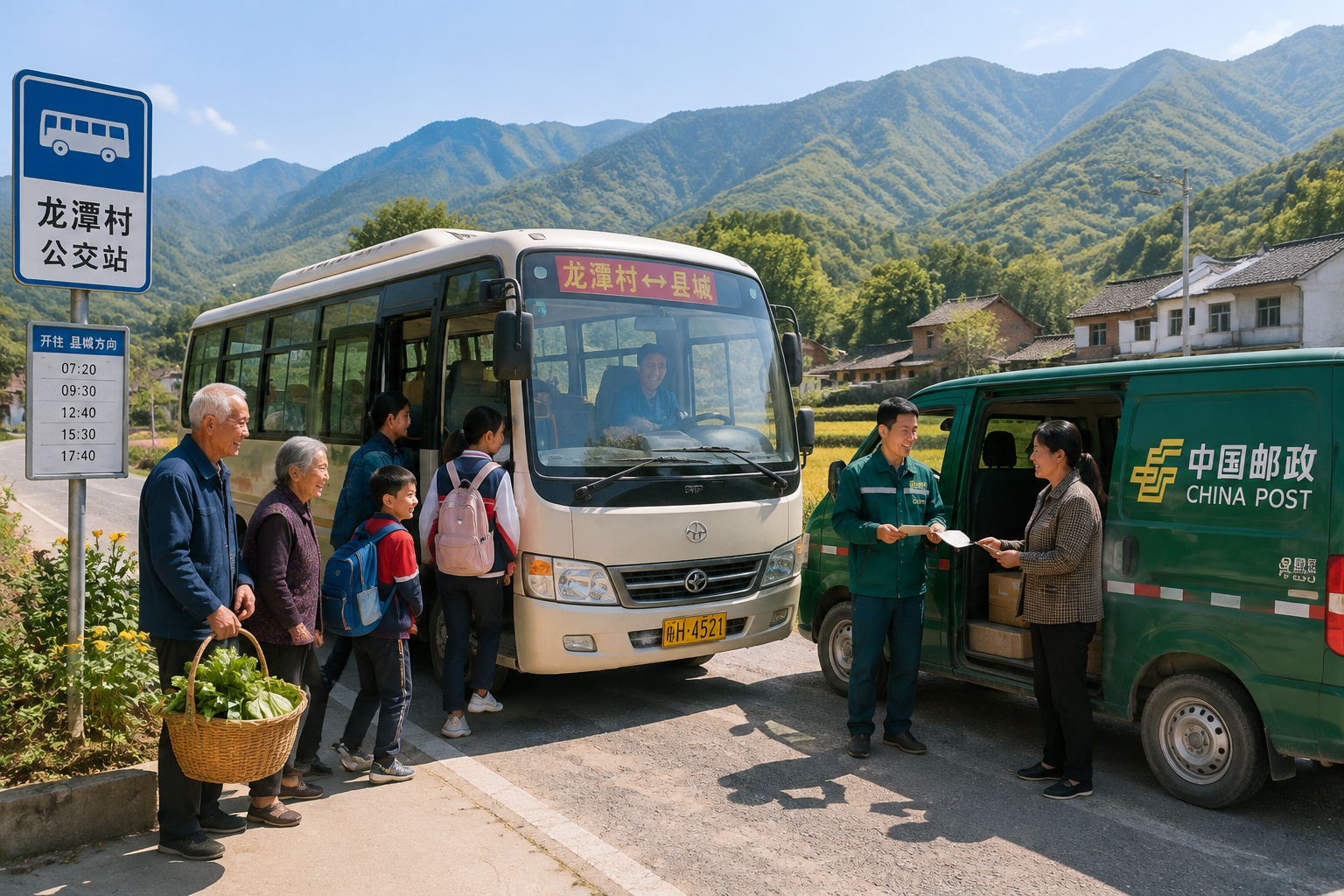
The rural road network is not just about movement. It is about fairness. For decades, farmers in remote areas were cut off from markets, schools, hospitals, and government services. A road changes every one of those things.
Children can get to school faster and safer. Ambulances can reach villages in minutes. Mobile networks and broadband have followed the roads, bringing online classrooms and telehealth consultations. In Xiuwen County, a village doctor told me she can now get urgent medical supplies delivered by courier the next day.
The central government frames this as part of a broader rural revitalization strategy. It’s not just about short-term construction; it’s about creating long-term self-reliance. The phrase “to build a road is to build the economy” is often repeated in policy documents, but here it is easy to see the truth. Roads are the skeleton on which a market economy grows.
Not Perfect, But Moving Forward
Of course, building roads in difficult terrain is expensive and maintenance is a constant challenge. Landslides can cut off mountain roads during the rainy season. Some villages still have poor road quality, and aging infrastructure is a problem in the north, where frost can damage surfaces. The government has introduced “road chiefs” – local officials responsible for maintenance – and invests in repair crews who respond quickly to emergencies.
“It’s not always perfect,” says Wang Jianguo. “But before, we had nothing. Now we have a road.”
Progress is not even across the country. Remote areas of western China, such as parts of Tibet and Xinjiang, have seen later and more difficult construction due to geography. Yet even there, asphalt is crossing the plateau. With each new section, another community joins the map.
A Road to Somewhere
Standing in Li Fang’s orchard, looking down at the ribbon of road below, I think about the word “bridge.” In Chinese, the official slogan says rural roads “bring wealth to every family.” But the more poetic truth is that they connect people to other people, and to the future they hope for.
“I want my daughter to study in the city,” Li Fang says, “but I also want her to want to come back. The road makes both possible. She can leave easily, and she can return with new ideas.”
In a country as vast as China, where geography often created isolation, the rural road network is a quiet, powerful act of connection. It doesn’t make headlines like a high-speed train or a rocket launch. But for hundreds of millions of people, it is the difference between poverty and opportunity, between a dead end and a way forward.
Li Fang picked up another kiwifruit and handed it to me. “Taste the mountain road,” she said. I did. It was sweet.
Start the discussion at forum.chinacomes.com