
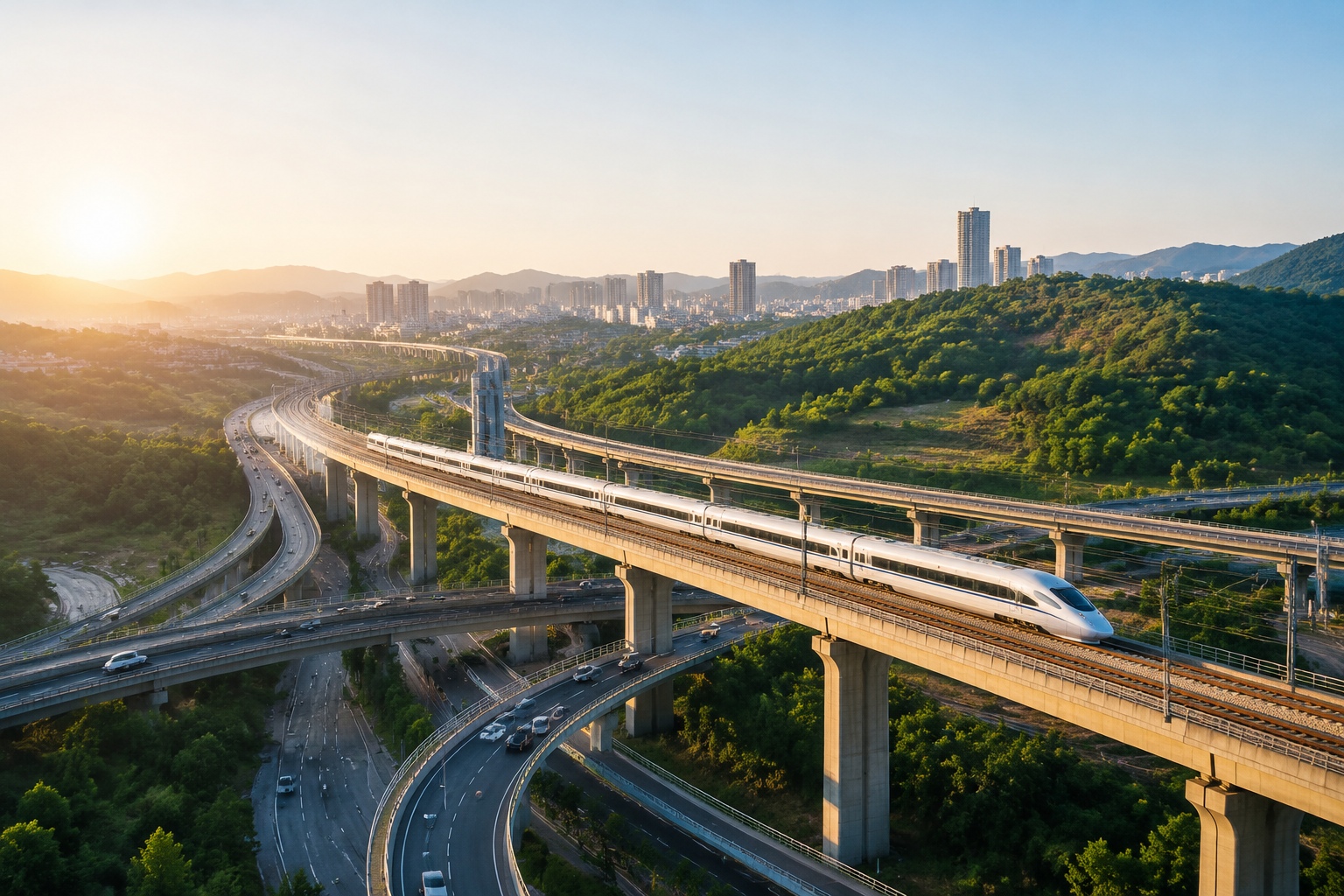

A Commute That Feels Like Teleporting
Li Wei wakes up at 6:30 a.m. in Suzhou, a city west of Shanghai known for its classical gardens and quiet canals. By 7:15, he has already passed through the security check at Suzhou Railway Station, grabbed a coffee from a vending machine, and settled into his seat on a high-speed train. At 7:45, he exits at Shanghai Hongqiao station, hops on the metro, and reaches his office in the Lujiazui financial district by 8:30. His total door-to-door commute: about two hours, with just 30 minutes on the train itself. Many people who live in suburban Shanghai spend longer getting to the same office.
Li Wei is one of millions of Chinese commuters who have quietly benefited from the world’s largest high-speed rail network. What once felt like a journey between two cities now feels like a single metropolitan transit line. This is the everyday ledger of China’s transport infrastructure — a system that has reshaped how people live, work, and consume.
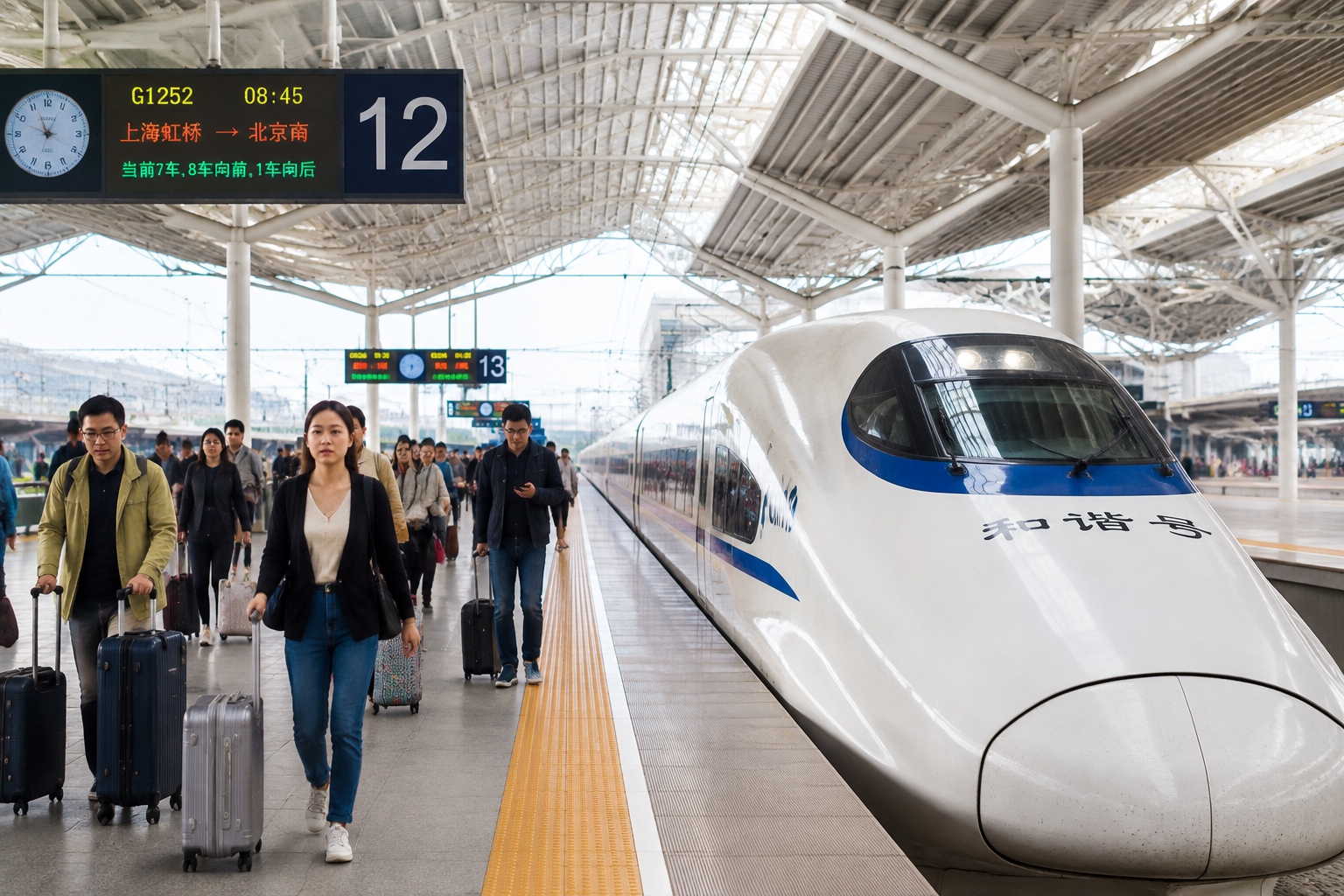
The Scale Behind the Scenes
As of 2023, China’s high-speed rail network stretches over 45,000 kilometers (28,000 miles) — more than the rest of the world combined. The country also has about 177,000 kilometers of expressways and over 10,000 kilometers of urban rail transit (subways, light rail, etc.). These numbers are abstract until you zoom into daily life.
Take the morning rush hour in Beijing. The subway network, the world’s busiest, carries over 10 million passengers on an average weekday. Trains arrive every two minutes during peak hours. In many Chinese cities, a one-hour door-to-door commute is now considered long — a far cry from the 1990s when buses were slow and scooters were the only way to slip through traffic.
The Time Dividend: What Faster Commutes Mean for Families
Time saved is not just time; it’s a shift in daily rhythms. In Chengdu, a city in southwest China, a new ring-road metro line completed in 2023 cut the average commute from the southern suburbs to the city center from 90 minutes to 45. Residents of the new “suburban dream zones” — where housing is 30% cheaper than downtown — no longer need to choose between affordability and accessibility.
This “time dividend” shows up in family life. Parents can return home earlier. Children spend less time in after-school childcare. A 2022 survey by the China Academy of Urban Planning and Design found that over 60% of urban residents in large cities now have a commute under 45 minutes, up from roughly 40% a decade ago.
High-Speed Rails and the Rise of the ‘Cross-City Worker’
High-speed rail has birthed a new category of urban dweller: the cross-city commuter. The Beijing-Tianjin intercity line, for instance, runs 120 kilometers in 30 minutes, making it possible to live in Tianjin — where apartments cost a third of Beijing’s — and work in Beijing’s business districts. Similar patterns have emerged around Shanghai (Suzhou, Kunshan, Jiashan), Guangzhou (Foshan, Dongguan), and Shenzhen (the entire Pearl River Delta is nearly one continuous metro area).
A 2023 report from consulting firm McKinsey estimated that about 15 million people in China now commute across city boundaries at least once a week. That’s roughly the population of Greece moving back and forth every day. For these workers, the “city” is no longer a single administrative unit but a network of connected hubs.
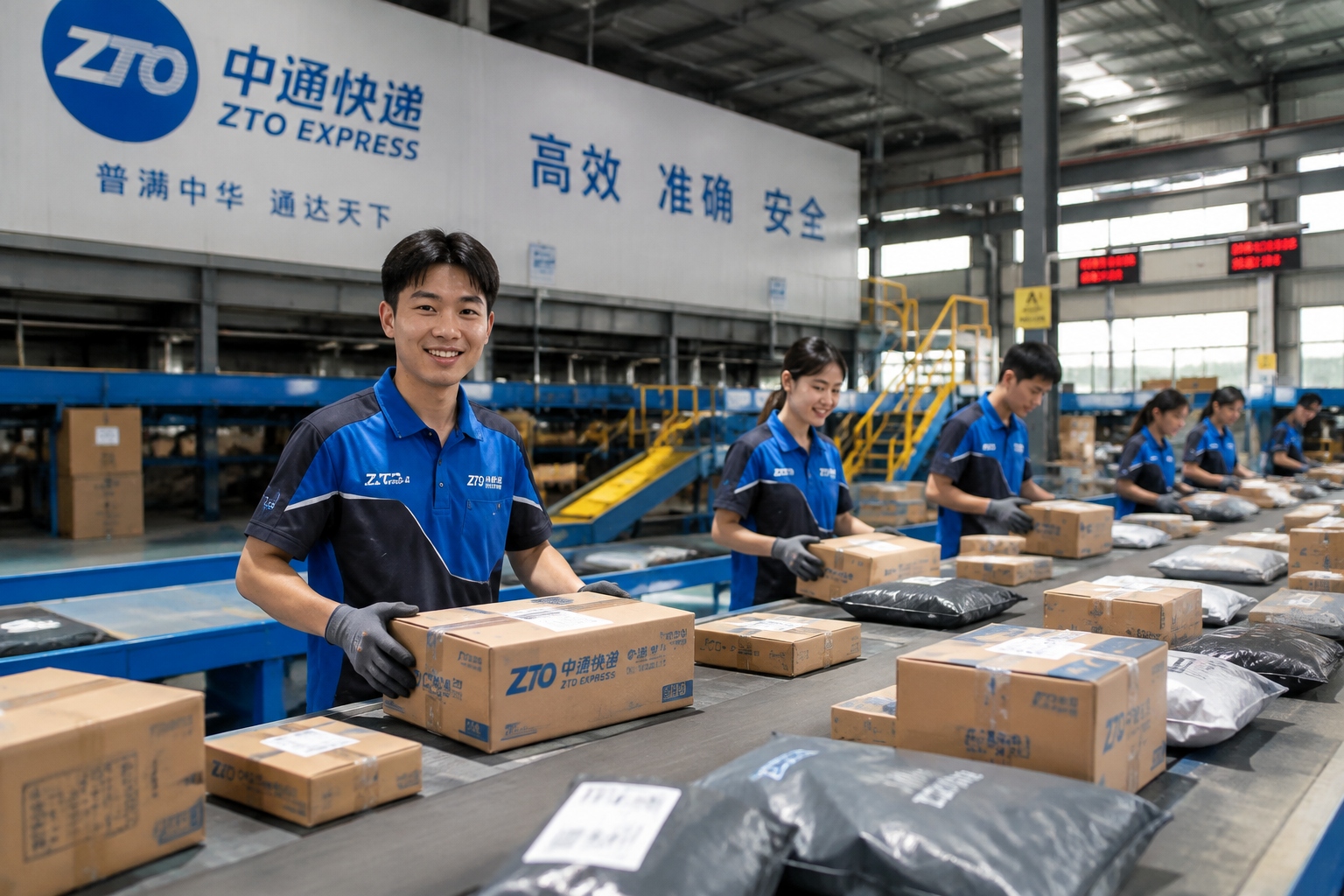
The Logistics Ledger: When Shipping a Parcel Costs Less Than a Bus Fare
Transport infrastructure doesn’t just move people — it moves goods. China’s express delivery sector handled over 83 billion parcels in 2021 (the most recent year when full data was released), and the average cost to ship a small parcel across the country is less than 6 yuan (under $1). That’s cheaper than a single metro ticket in many cities.
This cheap logistics is the hidden backbone of e-commerce. A farmer in rural Gansu can sell cherries online to customers in Shanghai, Guangdong, or even overseas. The cherries are packed in breathable boxes, loaded onto a refrigerated truck, transferred to a cargo plane or a high-speed rail freight service, and delivered within 48 hours. The transport system has effectively flattened the geography of commerce.
For ordinary consumers, the result is an expectation that borders on absurd: order a product at 11 p.m., and it arrives by lunchtime the next day in most cities. Same-day delivery is no longer a premium service but a standard option for many goods. This speed has become so normal that people rarely notice it — which is exactly the point.
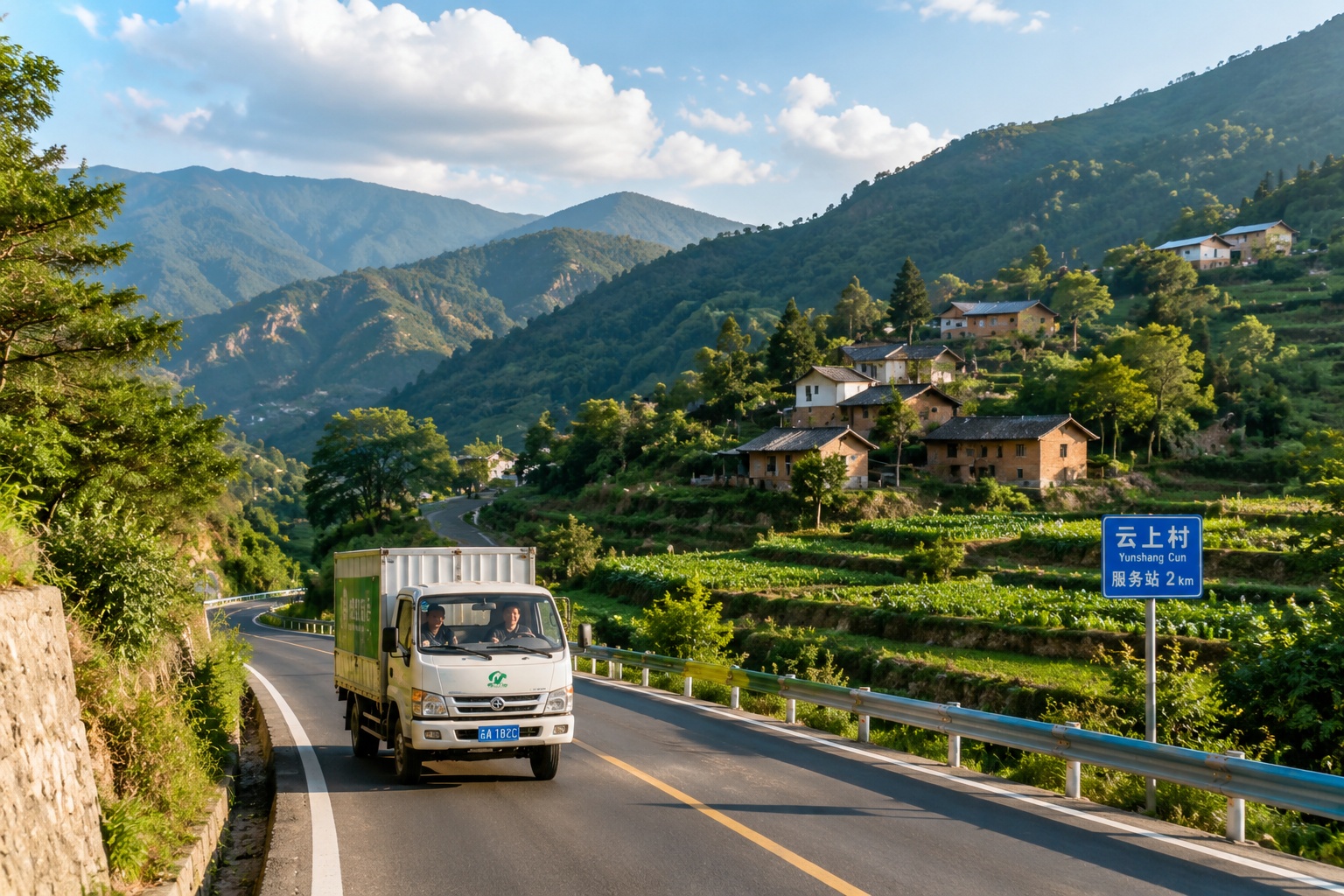
Roads That Reach the Villages: A Rural Revolution
While urban commuters enjoy subways and rail, rural China has had its own transport revolution. Over the past two decades, the government has built over 2.5 million kilometers of rural roads, connecting nearly every village of more than 200 people to the national road network. In places like the mountains of Yunnan or the deserts of Xinjiang, these roads are lifelines.
Take Zhou Xiaohong, a 52-year-old tea farmer in Fujian province. Ten years ago, she had to carry her tea on her back down a mountain path, then take a bumpy bus to town — a trip that took half a day. Now, a paved road runs within 100 meters of her house. A small delivery truck from a local cooperative picks up her tea leaves twice a week. Her income has more than doubled because transport costs dropped and more buyers can reach her.
Rural tourism has also exploded. In 2023, the Ministry of Transport reported that rural passenger trips surpassed pre-pandemic levels, and a significant share were tourists driving on new rural highways to visit villages, homestays, and small scenic spots. The infrastructure has turned once-remote areas into accessible destinations.
The Other Side of the Ledger: Crowding, Debt, and Uneven Benefits
It would be misleading to suggest that all of this has come without costs. The sheer volume of passengers means overcrowding during holidays — the famous “Spring Festival travel rush” sees over 3 billion trips in a 40-day period. And the construction of high-speed rail and subways has piled up debt for local governments, many of which rely on land sales to repay it. Some smaller cities have built metro lines that carry far fewer passengers than expected, raising questions about long-term viability.
There is also uneven benefit. Rural roads help, but they don’t automatically create jobs. High-speed rail stations sometimes sit far from city centers — “ghost stations” that are empty except for the trains that pass through. In the poorest regions, a connection to the network doesn’t instantly solve poverty, though it does provide a tool to escape it.
These complexities are part of the ledger. The Chinese approach to infrastructure is not a simple success story; it’s a continuous negotiation between ambition, cost, and everyday needs.
When the Infrastructure Invisible
If you live in China today, the most telling sign of the transport system’s success is how little attention people pay to it. The high-speed train is just “the train.” The highway is just “the road.” The subway is just “the metro.” It’s only when something breaks — a line suspended for repairs, a road closed due to floods — that people realize how much of their life depends on it.
Multiply that feeling by 1.4 billion people, and you get a nation where speed is not a luxury but a baseline. The everyday ledger of transport infrastructure is a quiet arithmetic: minutes saved, connections made, opportunities opened. It’s not glamorous, but it is profound — and it goes on every day, in every corner of the country.
Start the discussion at forum.chinacomes.com