

A River You’ve Never Heard of, Moving More Than You’d Think
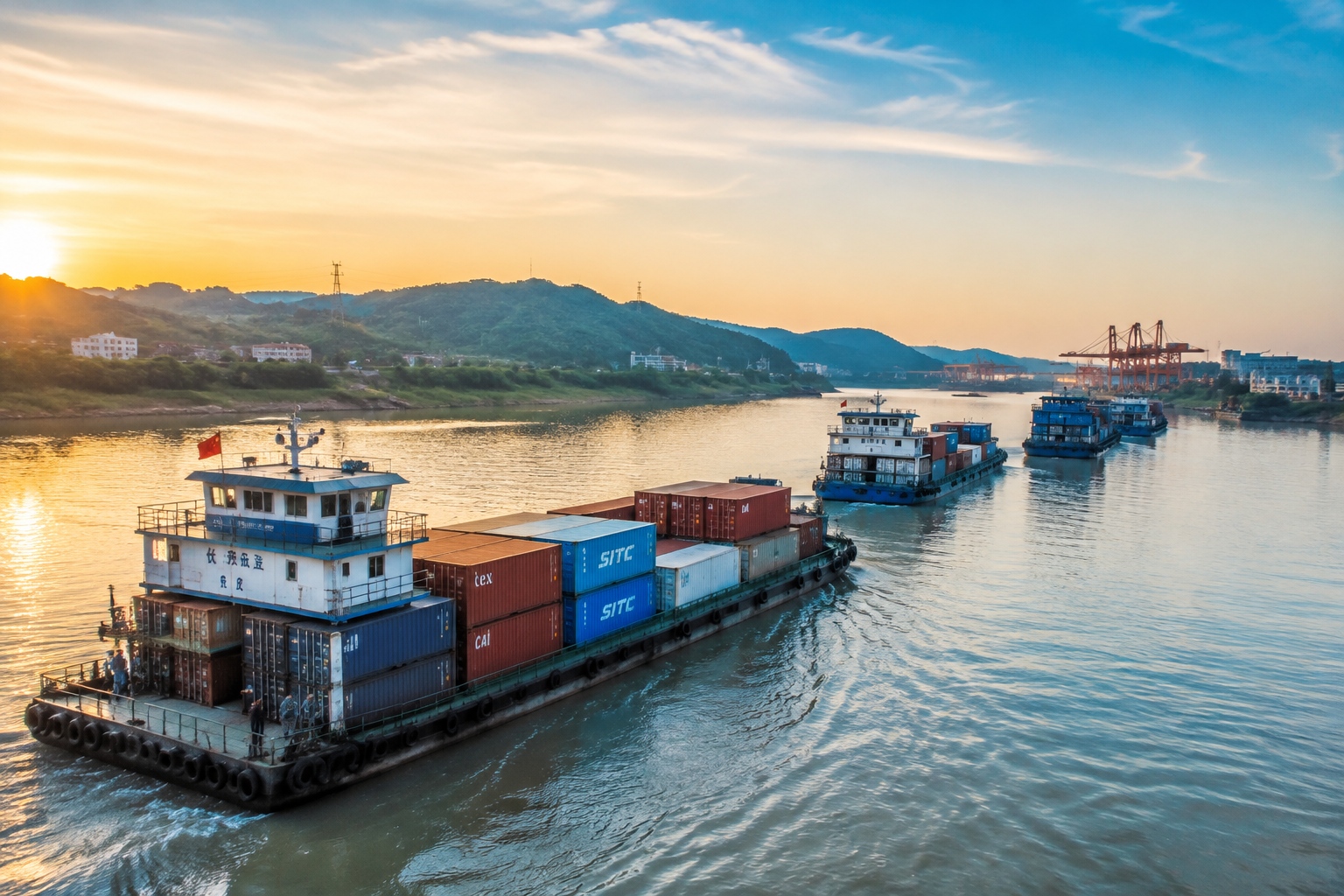
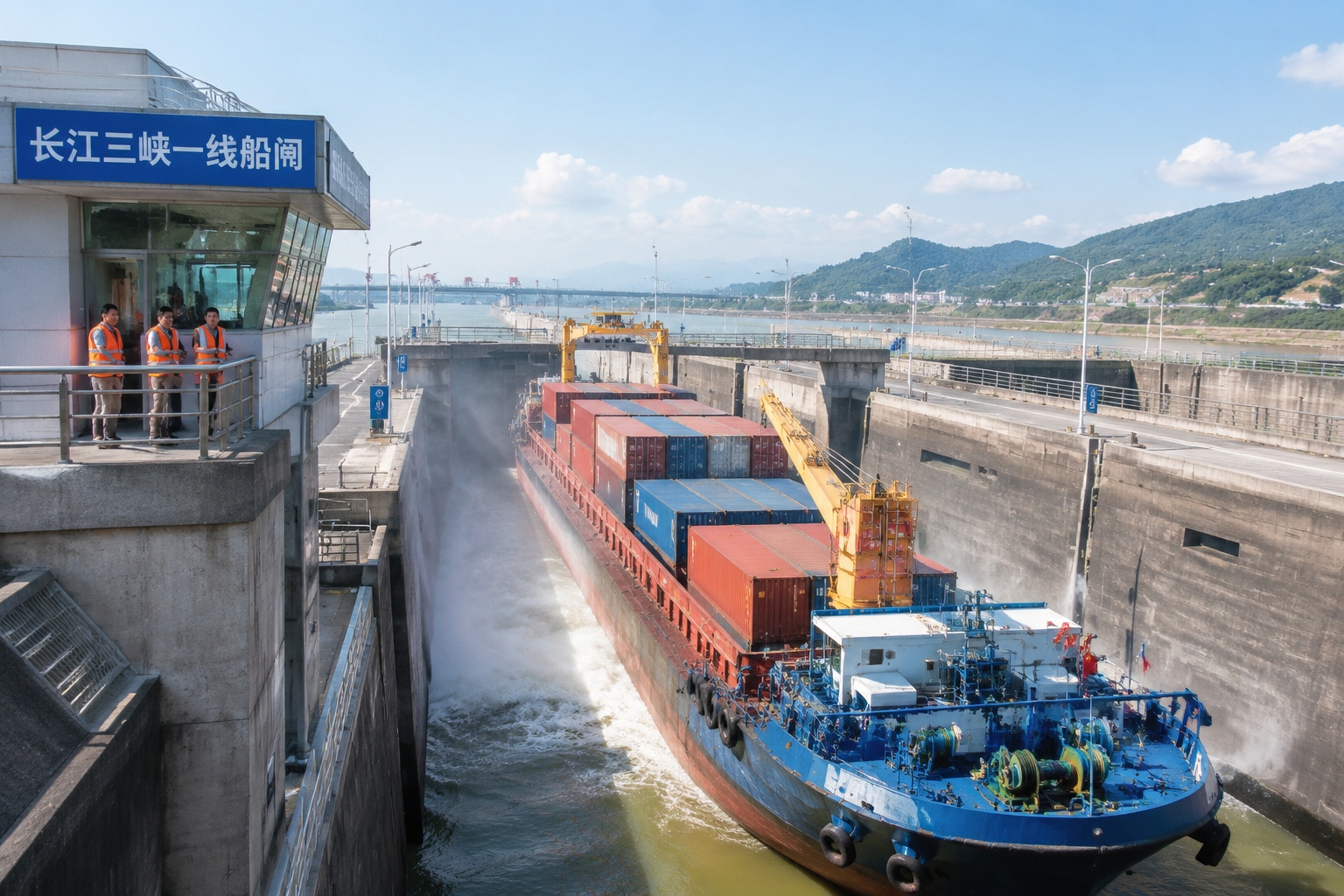
Before dawn, on the Yangtze River near Nanjing, a long line of cargo ships waits to pass through the lock. Some carry steel coils, others are stacked high with colorful containers. The captains drink tea on their bridges while the engines hum. It’s a scene you won’t see on most travel shows, but it happens every single day.
China’s inland waterways are not a romantic backdrop. They are a working highway—one that carries more freight than almost any railway or highway in the world. If you have bought anything made in China, there’s a good chance part of its journey was on water.
The Scale: Why Waterways Matter in China
China has about 127,000 kilometers of navigable inland waterways. That’s more than three times the length of the U.S. Interstate Highway System. The Yangtze River alone moves about 2.6 billion tons of cargo a year—more than the Mississippi, the Amazon, and the Rhine combined.
Why so much? Simple economics. Moving freight by water is cheap. A ton of goods can travel one kilometer on a barge for about one-fifth to one-third the cost of rail, and far less than trucking. For heavy, bulky items like coal, grain, steel, and sand, water is the only way that makes financial sense.
Chinese factories and construction sites are often located along rivers for this exact reason. A steel mill on the Yangtze can receive iron ore directly from a port, melt it, and send finished coils off on another barge. No crowded highways, no endless train schedules.
Not Just the Yangtze: The Reborn Grand Canal
But it’s not only the big rivers. The Grand Canal, the world’s longest artificial waterway, is making a comeback. First built over 2,500 years ago, it once connected Beijing to Hangzhou, carrying rice and silk. For much of the 20th century, parts of the canal were neglected, silted up, or used only for local traffic.
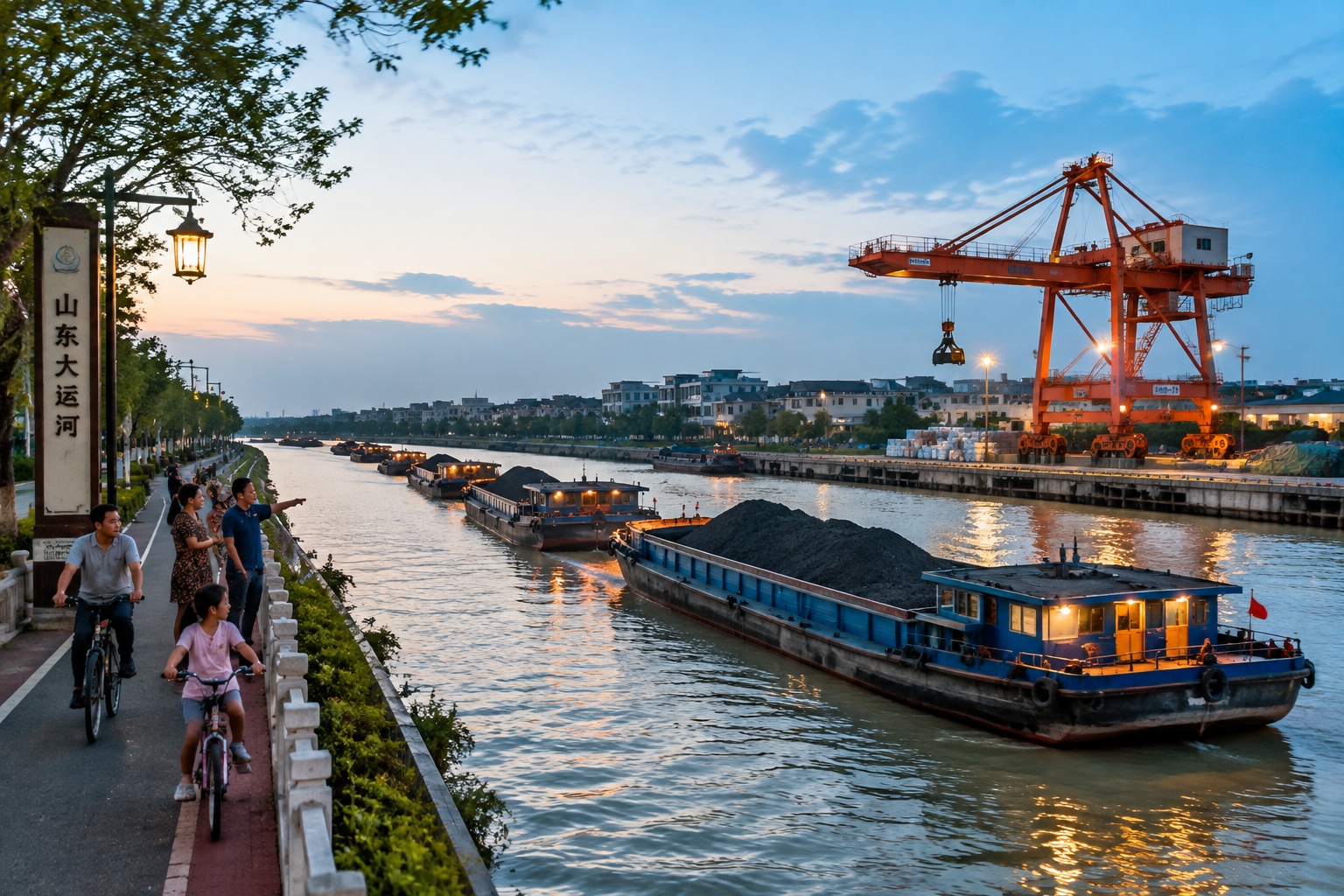
Over the past two decades, China has invested heavily in dredging, widening, and modernizing the Grand Canal. Today, it is not a tourist attraction but a busy freight route. In the northern section, through Shandong province, you can see long strings of barges carrying coal and other bulk goods. New ports and logistics parks have appeared along its banks, turning old river towns into small shipping hubs.
The revival of the Grand Canal matters because it connects five major river systems, linking northern industrial regions to southern ports. It’s a bit like rebuilding an old highway, but this one is made of water.
On the Water: A Barge Captain’s Day
To understand what waterway shipping feels like, talk to someone who lives on a barge. Many families still live aboard their boats—a floating home with a kitchen, a bedroom, and a TV. The captain might have grown up on the water, as did their parents.
In the past, captains had to juggle paper charts, radio calls, and careful guesswork. Today, a smartphone shows real-time depth, bridge clearances, and traffic. Mobile payment apps let them pay for diesel or lock fees without leaving the boat. Even on a remote river, they can order groceries online and have them delivered to the next port.
But life is still tough. Waiting for a lock can take hours, sometimes overnight. The work is 24/7 during peak seasons. Younger people often prefer jobs in cities, so many barge crews are getting older. Still, the lifestyle has its own appeal—no commuting, no office politics, and a front-row view of the changing landscape.
What’s New: Smarter Locks, Cleaner Engines, Bigger Ships
For a system that sounds ancient, China’s waterways are becoming surprisingly high-tech. The Three Gorges Dam has a ship lift that raises large boats more than 100 meters in just a few minutes—like a giant elevator for cargo ships. Smart lock systems use sensors and AI to queue vessels more efficiently, cutting waiting times.
Environmental rules have also changed the fleet. Older ships with dirty diesel engines are being phased out. New LNG-powered barges and even battery-electric ships are appearing on the Yangtze. Shore-to-ship power lets boats turn off their engines while docked, reducing noise and air pollution in cities along the river.
Ships themselves are getting bigger. On the Yangtze, container barges now carry up to 10,000 tons—about the same as 300 heavy trucks. Imagine replacing hundreds of trucks with one long, quiet boat. That’s the logic.
Why It’s a Hidden Giant
Most international attention is on Chinese ports like Shanghai or Shenzhen, where giant ocean ships unload containers. But the domestic river network is the other half of the story. It moves twice as much cargo as all the sea ports combined.
And it’s still growing. New canal projects, like the Pinglu Canal in Guangxi, are being built to connect rivers to the sea, opening a shorter route for Southwest China’s exports. The government sees waterway shipping as a green alternative to trucking, helping cut carbon emissions.
The next time you see a product marked “Made in China,” think of the journey it may have taken. It could have floated down the Yangtze in a box, passed through a lock, and been loaded onto a sea-going ship—all without ever touching a highway. That quiet, powerful water network is one of China’s most underrated achievements.
Start the discussion at forum.chinacomes.com