
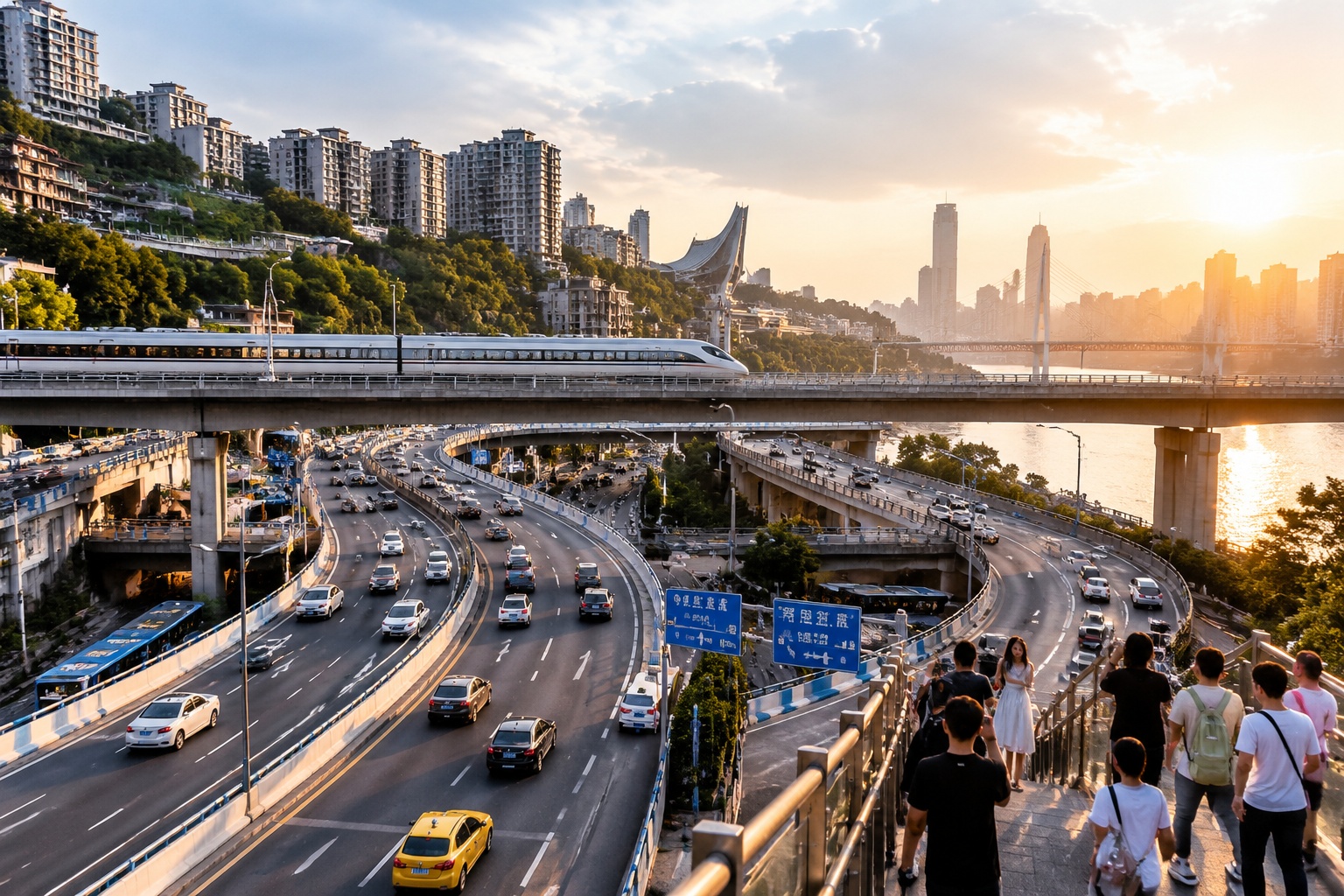

Stuck in Traffic, But Moving Forward
It’s 7 a.m. on Beijing’s Subway Line 10, and the train is packed so tight you could read your neighbor’s text messages. Yet another train arrives in minutes. This is China’s transport: a mix of crushing crowds and surprising precision. Here, high-speed rail covers more than 40,000 kilometers, and total roads stretch over 5.4 million kilometers. But anyone who lives here knows the network is not perfect. It’s late, crowded, and sometimes broken. This article is about the real flaws—and the quiet, practical ways China is trying to fix them.
City Congestion: The Daily Battle
If you drive in Beijing or Shanghai during rush hour, you know the despair of a highway turned into a parking lot. Car ownership is rising fast, and old roads weren’t built for this. The normal responses—car plate lotteries, rush-hour bans, parking fees—have only slowed the tide. Rather than just building more lanes, cities are using data. In Hangzhou, smart traffic lights adjust in real time based on intersection data, cutting average commute times by about 15%. Chengdu runs ‘tidal lanes’ that flip direction depending on traffic flow. It’s not perfect, but it’s better than a decade ago.
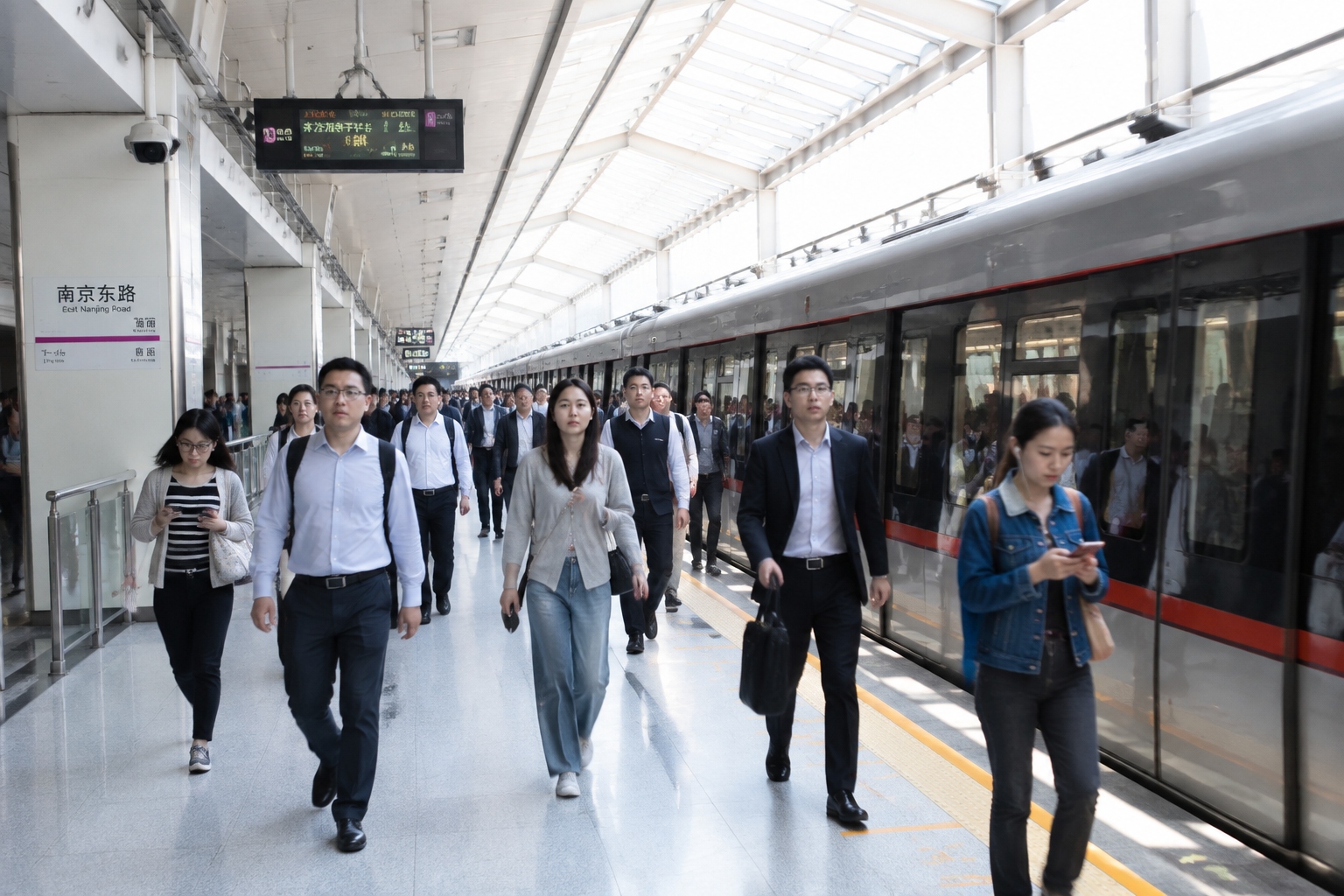
One of the most effective fixes is the metro. Dozens of cities are building subways, and bike-sharing has solved the ‘last mile’ problem. Still, when millions of people move at once, congestion is a math problem with no clean answer. What works is reducing the need to drive—or at least making the need less terrible.
Rural Roads: Who Maintains the Highest Villages?
China’s road-building campaign is real. Since 2015, nearly every village with more than 100 residents has proper paved road access. But building is only the beginning. In mountainous provinces like Guizhou and Yunnan, roads can wash away in summer floods, or ice over in winter. Maintenance funding is often thin. To fix this, some provinces introduced ‘road chiefs’—local officials assigned to specific roads, responsible for inspection and repairs. Drones now inspect remote sections, cutting the time to find damage.
The hardship is real, but so is the effort. A road through a remote canyon may carry just a few vehicles a day, yet it changes a farmer’s ability to sell vegetables at market. That’s why the government keeps investing, even when the economics don’t add up.
High-Speed Rail: Fast, But for Everyone?
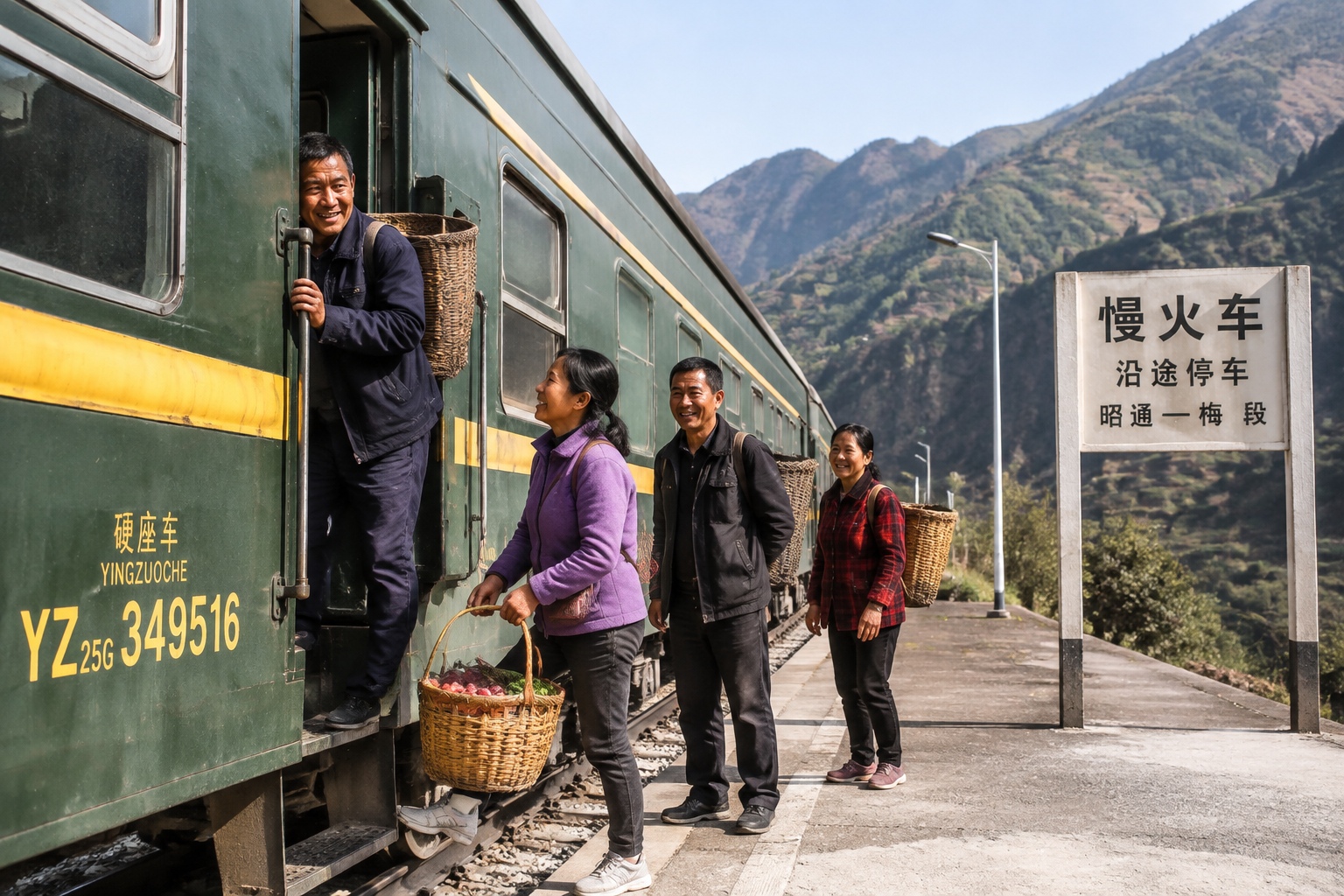
China’s high-speed rail network is often described as a miracle. The train from Beijing to Shanghai takes 4.5 hours, making business trips easier than ever. But not every line is packed. Some western routes run with few passengers, always at a loss. Tickets cost more than an ordinary migrant worker wants to pay. So the government kept 81 ‘slow trains’ operating as subsidies, some with fares unchanged for decades. These trains have no high-speed glamour, but they connect villages to hospitals and markets. It’s a reminder that infrastructure isn’t only about efficiency—it’s also about access.
Logistics: The Heavy Cost of Fast Delivery
E-commerce in China means packages arrive overnight. Behind that speed are millions of heavy trucks on highways. Truck traffic adds to congestion, road wear, and air pollution. In response, the government launched a ‘road-to-rail’ push, moving more freight onto trains. In 2023, railway freight volume was up 4% year on year. At the same time, electric trucks are appearing in port areas and logistics parks, reducing local emissions. It’s incremental, but the direction is clear.
Traffic vs. the Environment: An Ongoing Grudge
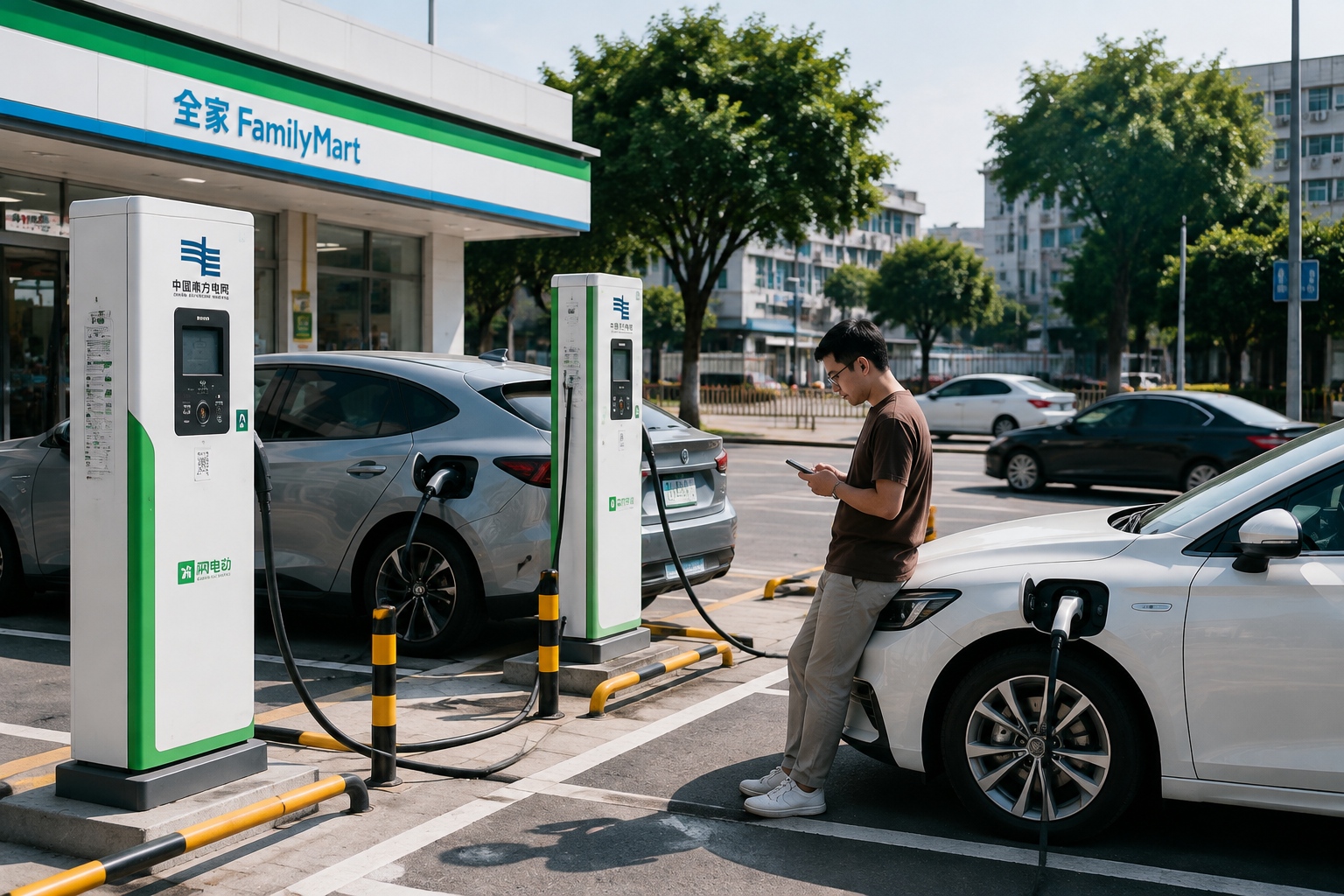
China is the world’s largest market for electric vehicles. Over 20 million new-energy cars now run on Chinese roads. But a fast-growing fleet needs a fast-growing charging grid. During major holidays, highway charging queues can stretch for hours. The government responded with a plan to build ‘four vertical and four horizontal’ fast-charging corridors, covering all major highways by 2025. Local grids are also upgrading to handle the strain. Still, if you drive on a holiday, bring snacks.
Safety: More Rules, Fewer Crashes
Traffic rules are enforced more strictly than many visitors expect. Surveillance cameras issue fines for everything from jaywalking to not yielding. It’s sometimes annoying, but the effect is visible: road traffic deaths per 100,000 people dropped by more than 30% between 2010 and 2020. City planners are also using design to calm traffic, from speed bumps to elevated pedestrian bridges. In Guiyang, an elevated road spirals through the mountains, making steep journeys safer.
Infrastructure Is Just the Beginning
What makes a country’s transport truly better is not just new concrete or electric rails. It’s how the system is managed. China is testing self-driving taxis on the streets of Wuhan and Beijing—still with safety drivers, but real. Smart logistics platforms help truckers find return loads, reducing empty trips. And the government is gradually recognizing that more lanes don’t equal less traffic; better timing, better choices, and better alternatives do.
The Chinese transport network is like a living body: it suffers from aches and pains, but it never stops moving. The problems are visible—crowded trains, cracked rural asphalt, jammed charging stations. But they are also being addressed, with a combination of data, subsidy, patience, and old-fashioned maintenance. If you visit, you’ll get stuck in traffic at least once. But you’ll also get where you’re going, maybe faster than you expected.
Start the discussion at forum.chinacomes.com