


A Shanghai founder with an offshore loan problem
Lina Morandi is a fictional product designer from Milan, but the financing question she faces is one real foreign business owners in China ask. For six years, Lina has run a brand consultancy in Shanghai, and the company has built up a cash reserve in its Chinese bank account. Her Singapore distribution arm now needs a SGD 2 million working-capital line. The Singapore bank wants Lina’s Shanghai entity to guarantee the loan.
That request is not only a commercial decision. In China, a mainland company that promises to repay an offshore borrower’s debt creates a possible future outflow of foreign exchange. The State Administration of Foreign Exchange (SAFE) watches these transactions carefully, and the legal structure used decides whether money can move across the border.
This article explains what cross-border guarantees involve, what 内保外贷 and 外保内贷 mean, what registration does, and how foreigners who have built businesses in China can plan ahead.
What counts as a cross-border guarantee?
SAFE’s core rule, the 2014 Provisions on the Administration of Cross-Border Guarantees (汇发[2014]29号), defines a cross-border guarantee as a legally binding promise by a guarantor to a creditor that may produce a cross-border payment or transfer of assets. If the borrower and lender sit on different sides of the border, the transaction is not automatically forbidden, but it must be checked against SAFE’s registration system.
Before 2014, many guarantees of this kind needed advance approval. The 2014 reform switched the focus to registration after signing. This made the process faster, but it did not remove the border. Registration is ultimately the document that gives a Chinese bank permission to move funds out at the moment of enforcement.
The two basic structures: onshore guarantee and offshore guarantee
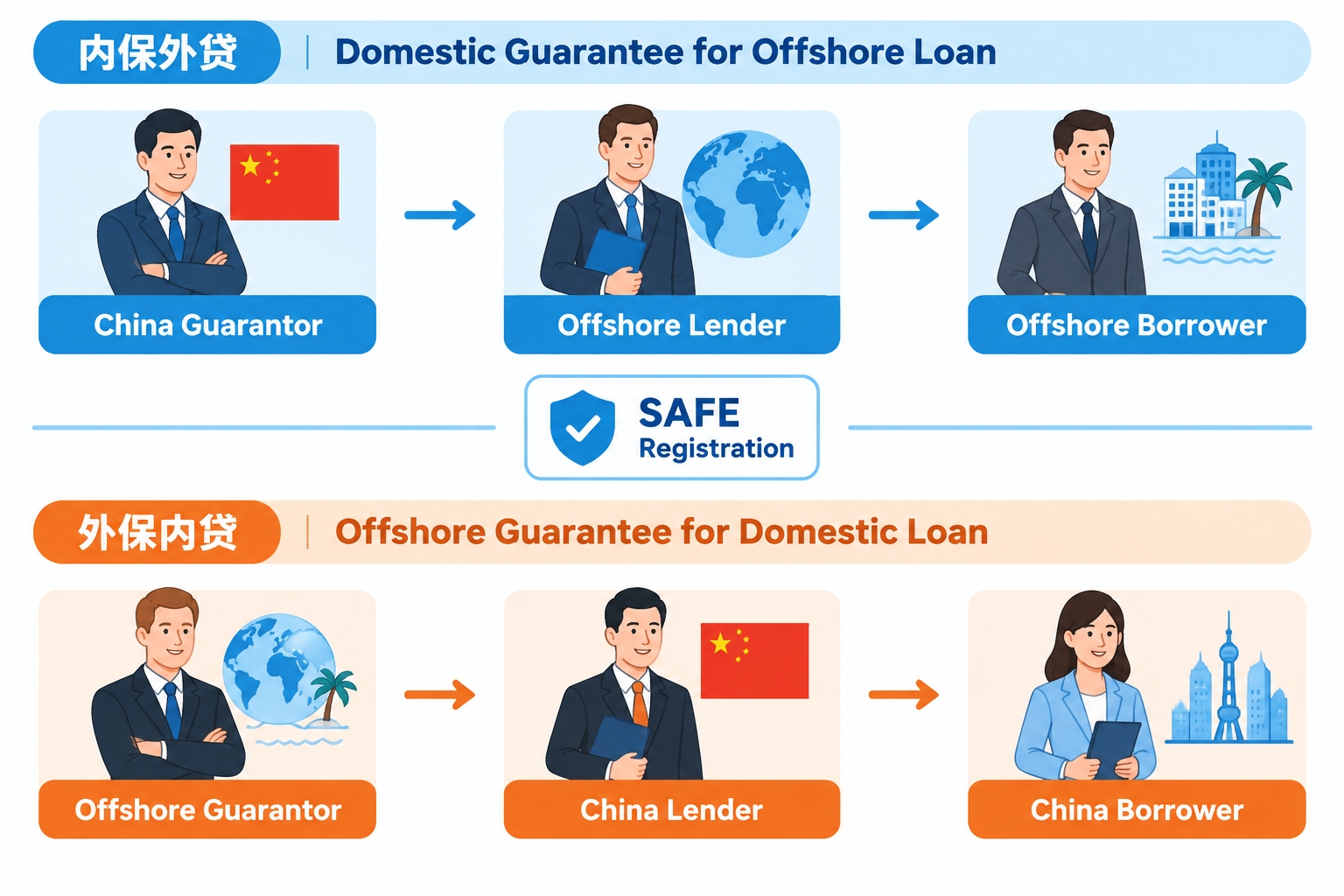
内保外贷 – domestic guarantee, offshore loan
In an 内保外贷, the guarantor is located on the mainland. The borrower and the lender are both outside mainland China. Suppose Lina’s Shanghai company guarantees the SGD 2 million working-capital line that a Singapore bank is giving to her Singapore company. For foreign-exchange purposes, the Shanghai company is the domestic guarantor and is the party that must complete registration. The Singapore company is the offshore borrower; the Singapore bank is the offshore creditor.
This is the classic pattern when a China-based group supports an overseas affiliate. Registration must normally be done within 15 working days after the guarantee contract is signed, and before the guarantee can be called.
外保内贷 – offshore guarantee, domestic loan
The reverse structure is 外保内贷. Here the guarantor is outside mainland China, while both the borrower and the lender are inside. For example, Lina’s Italian parent company guarantees a RMB loan that a Shanghai bank gives to her Chinese company. In this structure, the mainland borrower is the party that has to go through the compliance exercise, not the overseas guarantor. The transaction may also be classified as a form of foreign debt, so the Chinese borrower should check whether it has unused foreign-debt capacity under the macroprudential rules.
Which one do expats meet more often?
An expat whose core assets are inside a Chinese company and who is borrowing for an overseas business will usually meet 内保外贷. A direct 外保内贷 becomes useful when the mainland subsidiary needs local RMB liquidity and the overseas shareholder is the natural guarantor. Understanding the distinction early saves time because the paperwork, deadlines and parties responsible are different.
Can a foreign individual use personal assets in China?
Individuals are not excluded from cross-border guarantee rules, but practical lenders rarely like a direct mortgage over a Shanghai flat or a personal pledge of Chinese deposits in favor of an offshore lender. The reason is not just SAFE. Chinese real-estate registration offices and courts are used to local creditors. If an offshore lender takes a mortgage over a mainland property and the borrower defaults, enforcement may require court proceedings in China, and any payment sent abroad must pass the foreign-exchange system. That creates a layer that many foreign private lenders are not prepared to accept.
For most cross-border bank loans, a cleaner route is to use a mainland-incorporated company as the guarantor, then give that company a counter-indemnity from the foreign shareholder. The bank sees a China-registered entity that can be sued in China and can hold money in China. This is also the route that Chinese banks understand best.
SAFE registration: what it really involves
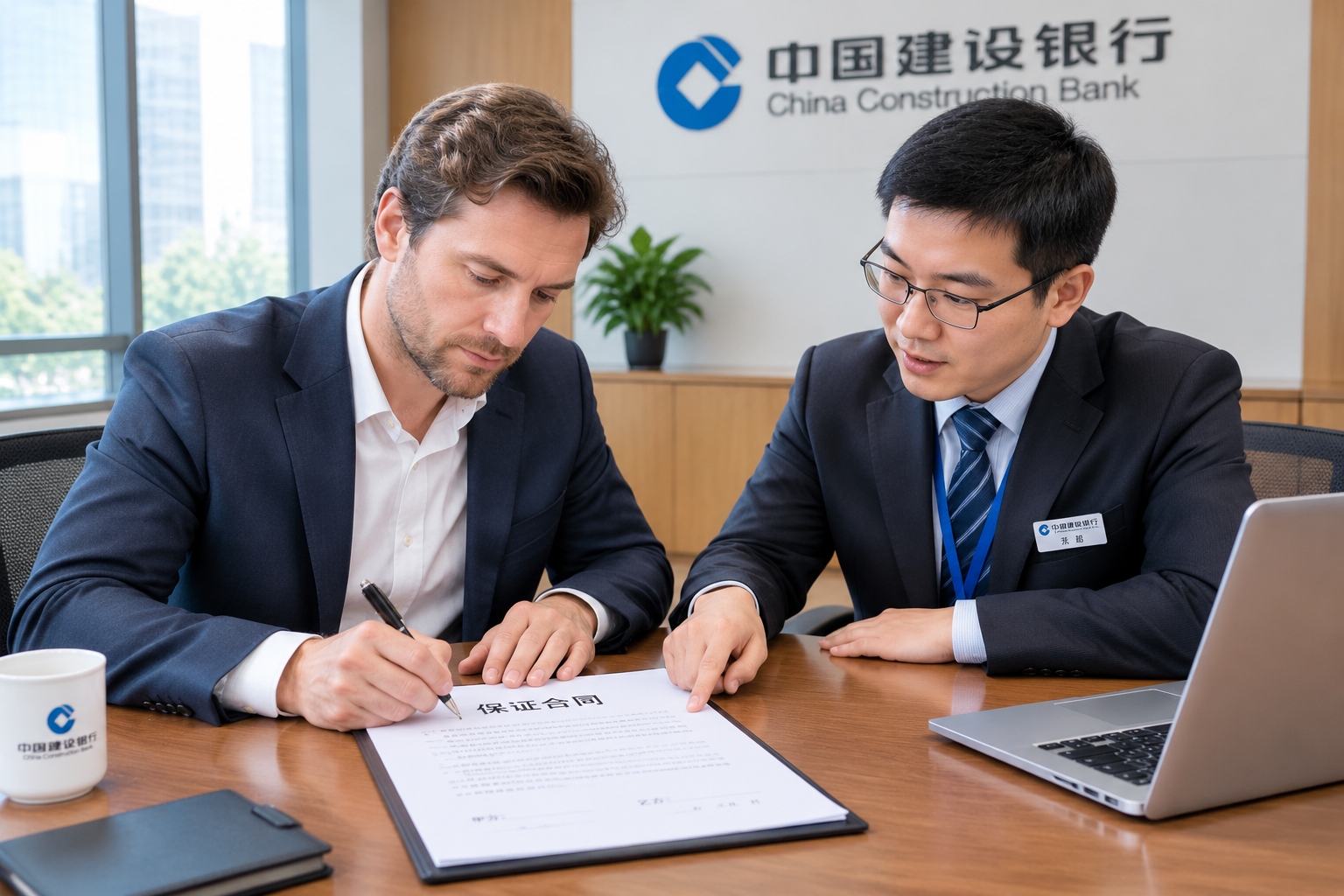
Do not draft and sign the guarantee before you know which type it is. The safest sequence is to talk to a Chinese bank first. The bank can tell you if the guarantee falls into the SAFE registration category, help you prepare the paperwork, and confirm whether the proceeds of the offshore loan may later flow back into China.
For an 内保外贷, after the onshore guarantor signs the guarantee contract, the guarantor’s bank submits the application to SAFE. The deadline is 15 working days from signing. Once accepted, SAFE creates a business registration record in its capital account information system. The bank can then see the registration when it needs to process a future payment.
Typical registration flow
- Confirm the structure with your Chinese relationship bank.
- Prepare the loan agreement and guarantee agreement with the offshore lender.
- Sign the guarantee contract after internal approvals, such as a board resolution or shareholder resolution.
- File the cross-border guarantee registration with SAFE through the bank or directly within 15 working days.
- Keep the registration record; update it if the guarantee is amended or renewed.
Documents you will usually need
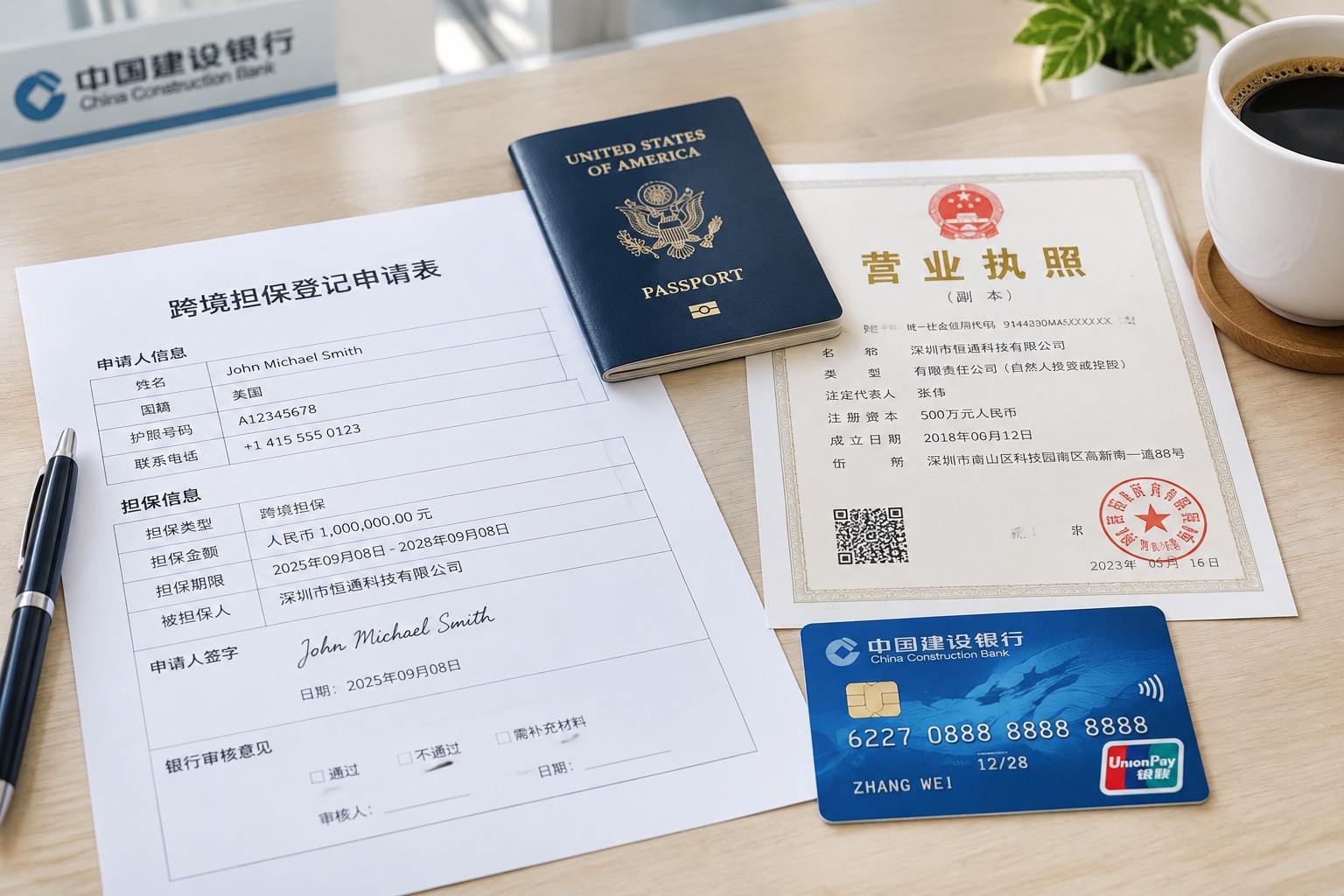
- Signed cross-border guarantee contract.
- Offshore loan or financing agreement.
- Mainland guarantor’s business licence and passport copies of legal representative.
- Overseas borrower’s incorporation certificate or passport copy.
- Corporate resolution approving the guarantee.
- Latest financial statements, bank balance certificate or proof of the pledged asset.
- If the transaction is between related companies, a brief explanation of the commercial relationship.
What the regulator is watching
Registration is not a rubber stamp. Chinese banks and SAFE look at three things before they let a cross-border guarantee continue.
First, the offshore financing should have a genuine commercial purpose. The borrower should be an actual business, not an empty vehicle used only to move money around. Second, the funds raised overseas should not be sent back into mainland China through fake trade, investments or loans without a separate, lawful path. This return flow, often called round-tripping, is a major red flag under foreign-exchange rules. Third, the guarantor should have the ability to perform. If the guarantee is backed by pledged bank deposits, shares or property, the bank will require evidence that those assets are truly under the guarantor’s control and free from other liens.
For an expat shareholder, this often matters more than personal wealth. A WFOE with cash flow can support a guarantee; a personal promise without bankable assets is less useful.
When the guarantee is actually called
If the offshore borrower fails, the creditor asks the Chinese guarantor to pay. The Chinese guarantor’s bank will check the SAFE registration record before making the transfer. If the guarantor has RMB but the offshore loan was in US dollars or Singapore dollars, the bank can help purchase foreign currency after confirming the registered guarantee covers the payment. Once the payment is made, the Chinese guarantor normally inherits a right of reimbursement against the offshore borrower. This new overseas receivable may itself need to be recorded. The exact requirement depends on the amount and the structure, so the bank or legal adviser should confirm it at the same time as the original registration.
This is why registration cannot be an afterthought. Without the record, no Chinese bank is allowed to release the funds. The contract may still be valid between the parties, but the money path to the offshore lender is blocked.
What can go wrong without registration
A poorly planned cross-border guarantee can create a court case in China even before the creditor gets paid. The offshore lender may sue the mainland guarantor, win, and then discover that sending the judgment money out of the country is a separate foreign-exchange matter. Guarantee registration is not a judgment on whether the contract is morally or legally fair; it is an administrative record that makes a future cross-border transaction visible to the state. If a guarantee is unregistered or intentionally structured to avoid scrutiny, the bank will not process the payment and the regulator can impose penalties for illegal cross-border capital movement.
Practical takeaways
If you are a foreign business owner in China and want to use mainland assets for offshore financing, do these things before signing anything.
- Ask your China bank to classify the transaction as 内保外贷, 外保内贷 or another form of cross-border guarantee.
- Treat SAFE registration as part of the closing checklist, not something to do at default.
- Keep the use of the offshore loan outside China unless all parties understand the separate registration or foreign-debt route for bringing funds back.
- Build in time for bank compliance, board resolutions, valuation and SAFE review. One month is a more realistic planning window than one week.
- Get written confirmation from your bank or lawyer before you rely on the personal apartment as collateral. Often a mainland corporate guarantee is easier to enforce than an offshore mortgage.
The cross-border guarantee framework exists so that money flows into and out of China can be tracked. It does not stop foreign-invested companies from using China-based strength to support an overseas operation. With the right structure and a registered path, the transaction can work. The risk appears when people treat the border as irrelevant.
This article is general information and does not replace advice from a Chinese lawyer or licensed bank on your specific transaction.
Start the discussion at forum.chinacomes.com