
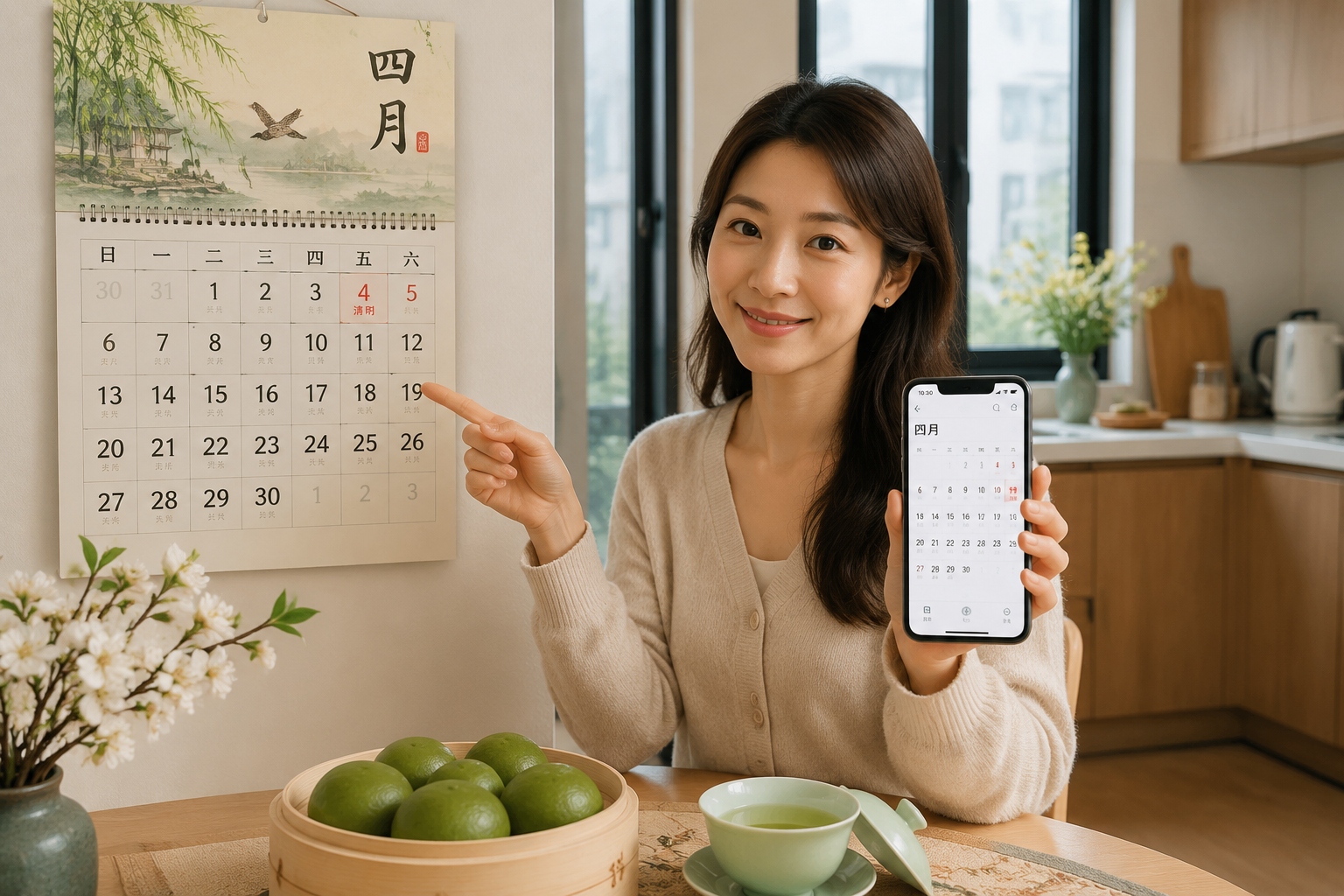

It is early April in Shanghai, and a familiar scene is playing out across the city. An office worker checks her phone and notices a small green note on the date: Qingming, which means ‘clear and bright.’ She tells her team she’s taking the weekend to visit her grandmother’s grave in the countryside. Meanwhile, a bakery downstairs has started selling bright green qingtuan, rice cakes dyed with wormwood leaves, that appear only around this date. From the convenience-store freezer to a university classroom calendar, traditional Chinese timekeeping is still quietly running.
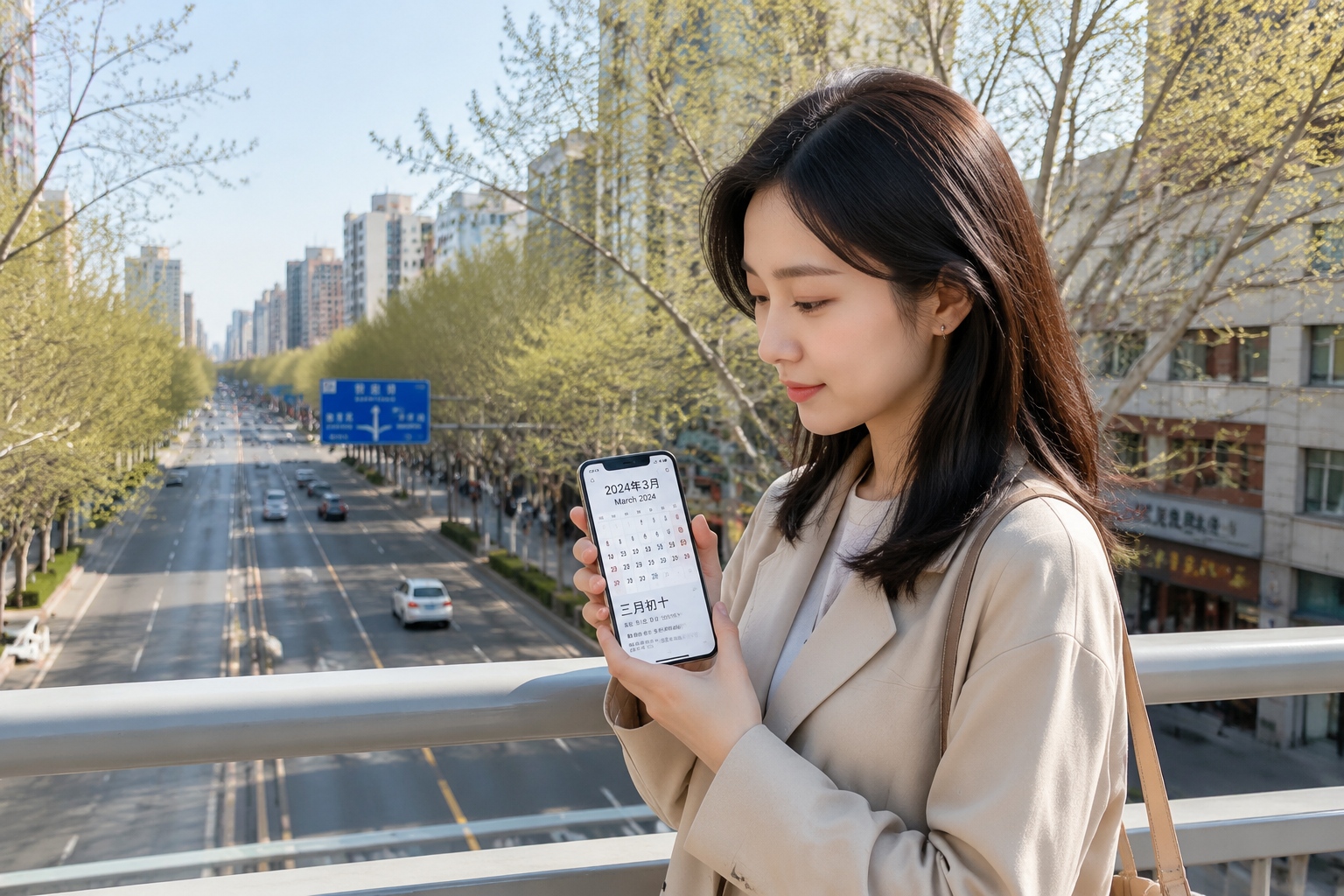
What Exactly Is the Chinese Calendar?
If you have heard the phrase ‘Chinese lunar calendar,’ you might imagine a moon-only system shifting freely across seasons. But if that were true, Chinese New Year would sometimes occur in summer, and no one wants a Spring Festival without spring. In fact, the traditional Chinese calendar is lunisolar. The months are based on the moon’s cycles, but a leap month is added every two or three years to keep things aligned with the solar year. That is why Chinese New Year always lands between January 21 and February 20 on the Gregorian calendar.
Think of it as a compromise: watch the moon for the day of the month, but rely on the sun to know when spring begins. This simple blend makes the Chinese calendar far richer than a single-long systems of lunar dating—and it gives all other ‘lunar-only’ calendars a hard time staying relevant.
The 24 Solar Terms Are the Solar Half of the Story
Around 2,000 years ago, Chinese astronomers took the solar year and cut it into 24 slices, each about 15 days long. Each slice became a jiéqì (节气), or solar term, with a name that reflected its moment in the farming season. Start of Spring. Rain Water. Awakening of Insects. Grain Full. White Dew. Cold Dew. Great Snow.
These terms track the sun, not the moon, so they show up on nearly the same Gregorian date every year. Qingming lands around April 4 or 5; Winter Solstice around December 21 or 22. The moon months shift, but the solar terms stay reliable, which is why a farmer in an ancient village and a city professional in Shenzhen can both use them without consulting each other.
Why Do Ancient Farming Markers Matter in a Tech-Driven Country?
Superficially, a worker in Shanghai does not need to know that Rain Water will bring wet days. But Chinese life has not forgotten the value of time as a cycle; it has just moved the almanac into apps and restaurants.
Take food. After the solar term Start of Autumn (around August 7 each year), the choice on takeout apps quickly changes. Stews and ‘autumn health’ dishes appear because locals take seriously the old habit of ‘autumn paste’ — eating a bit more to prepare for the cold months. During Great Heat, street-side hospitals and tea shops may recommend mung bean soup to remove internal heat. You will hear a colleague say, ‘Today is White Dew, so I’ve switched to pears.’ Many of these sayings are not rigorous science, but nor are they pure superstition. They serve as regional, seasonal advice that has survived because it helped people feel better in a climate with distinct seasons.
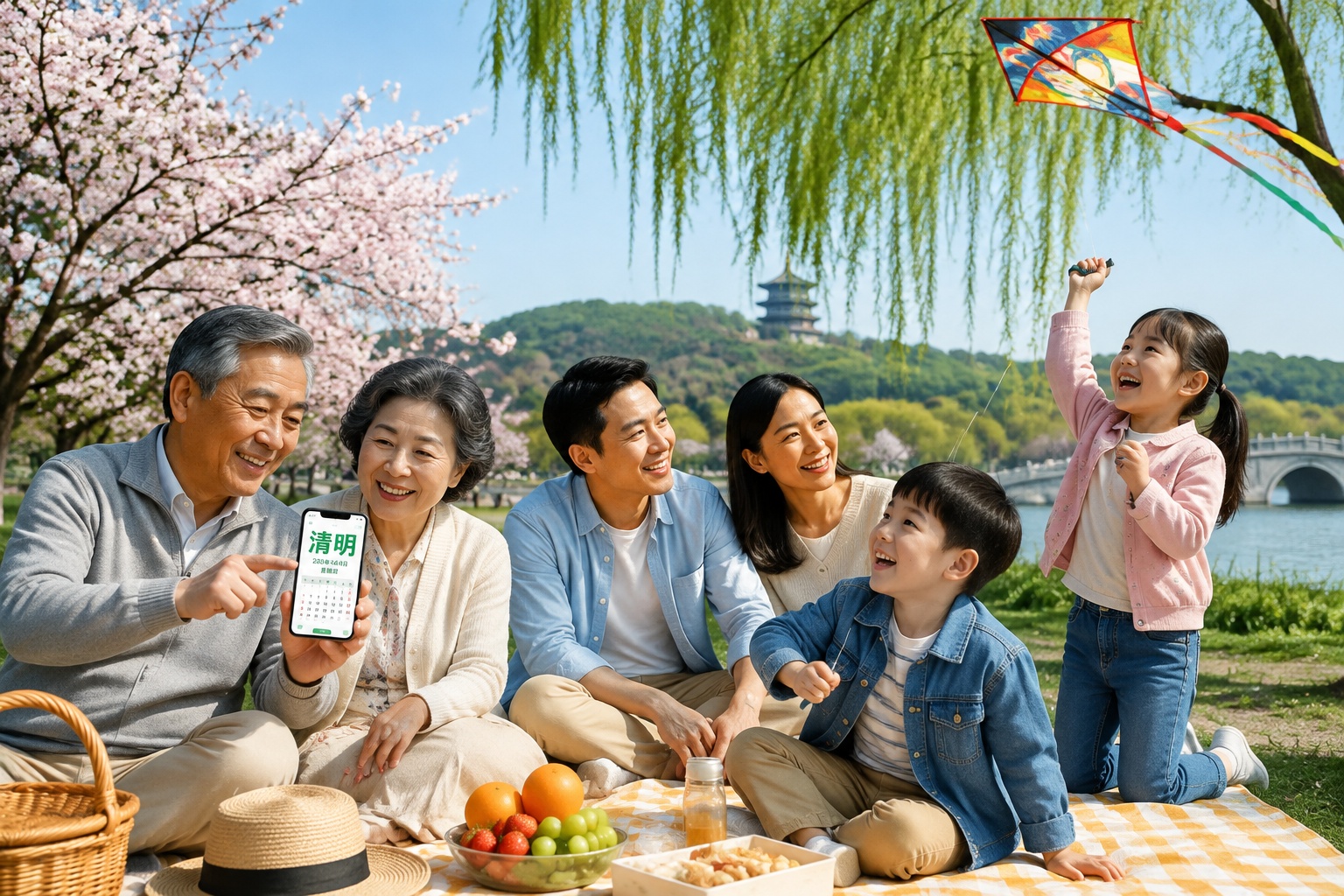
Festivals are another place where the solar terms remain alive. Qingming is a national public holiday in China; families clean gravesites and enjoy an outing in spring. Winter Solstice is not a public holiday but is still widely observed: in northern China, people make steaming plates of jiaozi (dumplings); in the south, they make tangyuan (glutinous rice balls). You do not need to be religious to take part. The term simply reminds Chinese people: it’s time to gather with family, share a warm meal and think about the next season.
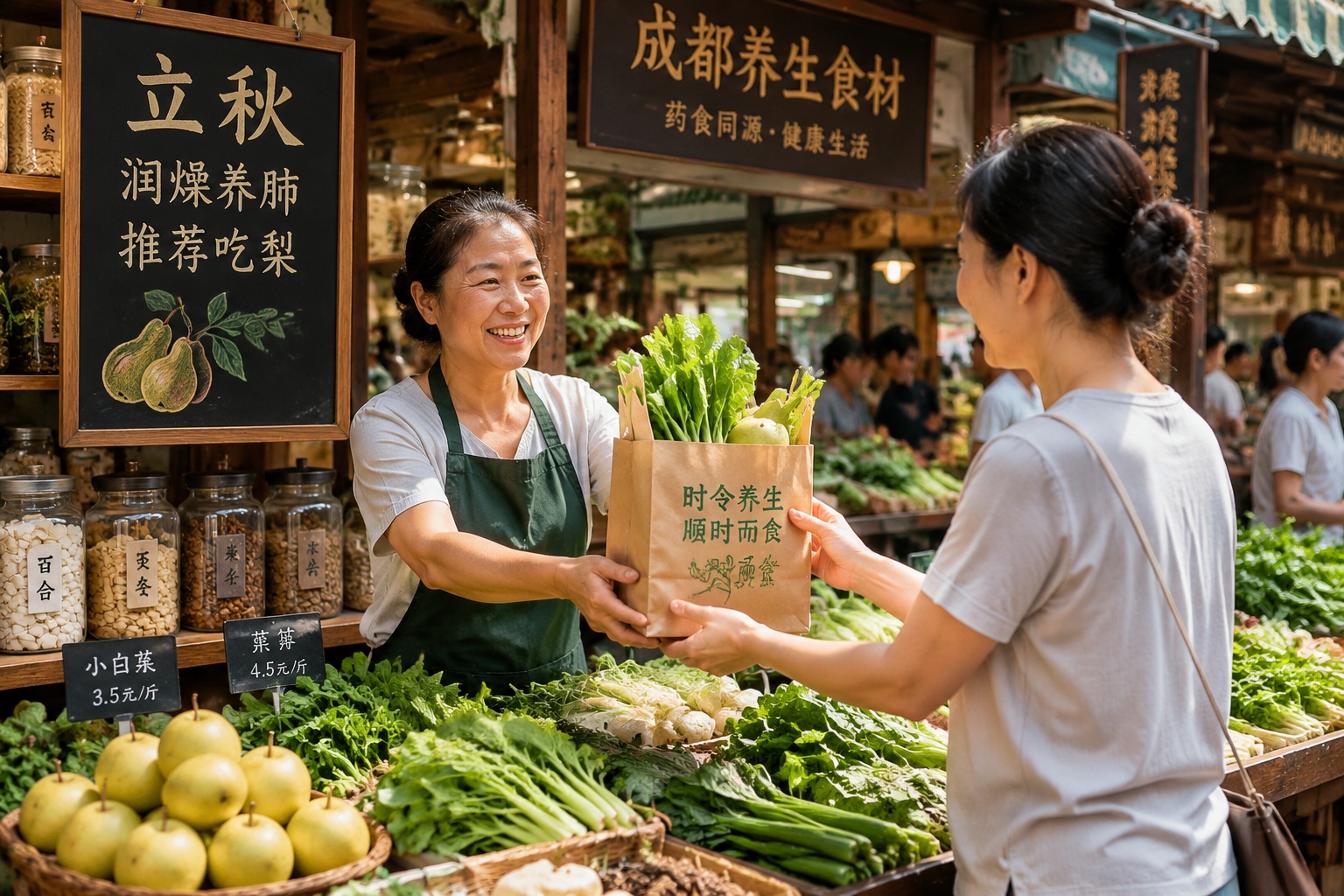
The terms have become part of the digital user experience, too. Many Chinese weather apps show a small label for the current solar term at the top. Health apps and supermarket chains send push notifications, such as ‘Grain Rain: best season to drink green tea.’ On social media, young women in particular repost ‘what to eat for your body type when the calendar changes.’ Sometimes it feels like a wellness trend; other times it is simply a nice theme for a lunch with colleagues.
A Quick Field Guide to Living on Chinese Time
If you’re a visitor or a new expat, you don’t need to memorize a 24-word list. Understanding four of the key dates will help you follow the local rhythm.
- Qingming (early April). Expect heavy domestic travel. Trains sell out, park roads become congested, and thousands of people head to family burial sites on the same sunny morning. If you can, plan a short city break nearby, but book way ahead.
- Start of Autumn (early August). This is when shops will push you to ‘do autumn paste.’ Try the seasonal comfort foods—duck in Nanjing, sweet lotus roots in Hangzhou, or a home-cooked broth. You’ll get a taste of why the Chinese phrase ‘should eat it when the season says so’ is still good advice.
- Winter Solstice (late December). A time of family dinners, not in form of a public holiday but from a quiet neighbourhood level. If a local friend invites you for jiaozi on this day, consider it a gesture of inclusion.
- Watch for the astronomical dates on your phone. Turn on the Chinese calendar display in your phone’s settings or download any China-based weather app. Seeing a label such as ‘Great Heat’ saves you from long explanations when someone says, ‘I don’t eat chillies in this season.’
A Second-hand Rhythm for Modern Life
Some outsiders assume that the Chinese calendar is only for festivals or something that remains for elderly people at home. On the contrary, it functions as a second-hand relation to time that runs alongside the Gregorian date on the desk. The Gregorian calendar tells you when meetings and flights happen. The lunar calendar tells you when to eat together, when to remember your ancestors, and why you should pay attention to the first rainy days of spring. The 24 solar terms are the hidden layer that gives China’s time a texture—poetic names that sound like fragments of a nature documentary, and useful cues for a life that still wants to feel connected to the Earth’s orbit. Next time you check your calendar in China, take a quick glance at the word underneath. You will be reading not just a date, but a 2,000-year-old habit of noticing what the sky is doing.
Start the discussion at forum.chinacomes.com