

A conversation at a trade fair
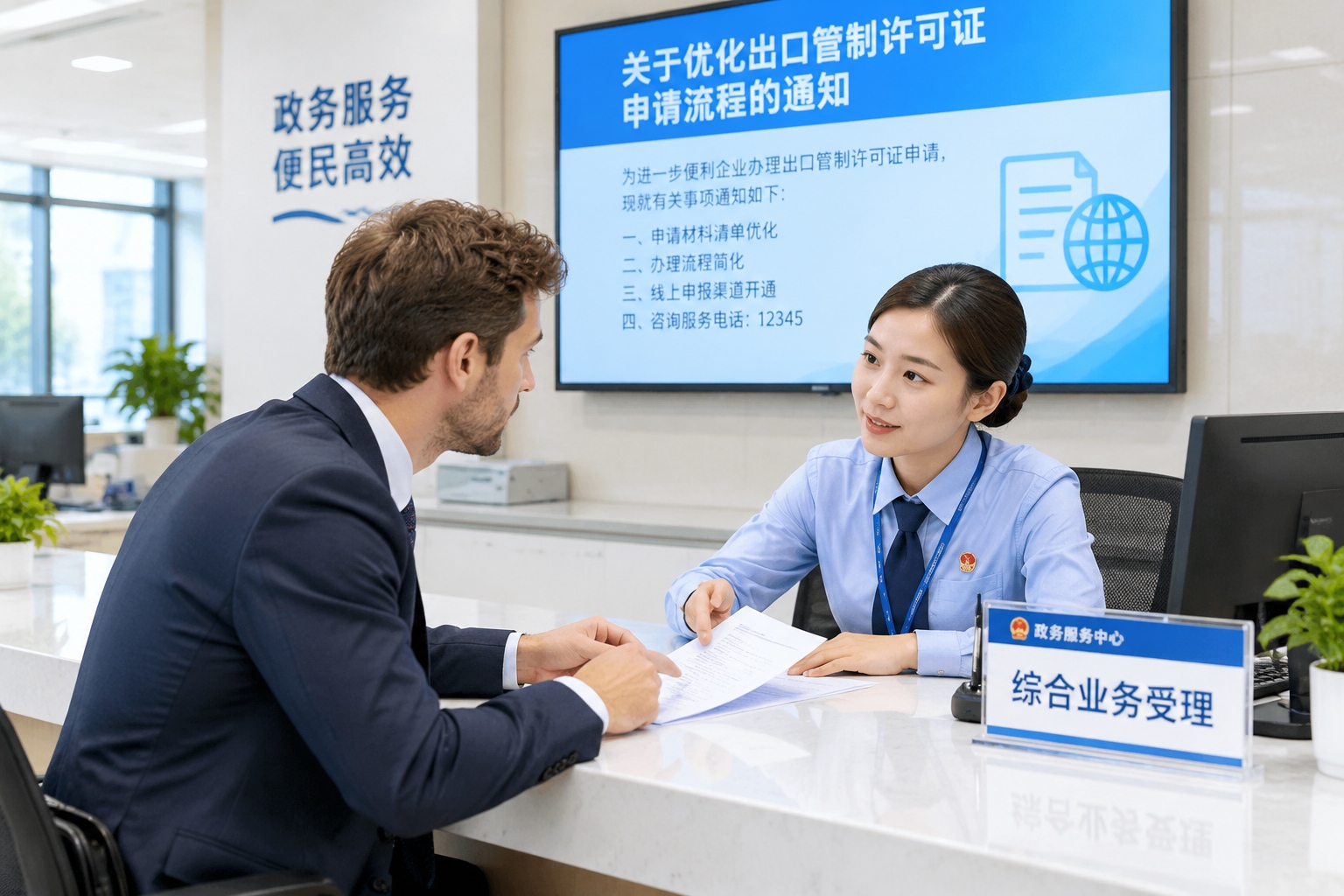
Maria, a German sourcing manager for an industrial automation company, was walking through a trade fair in Shenzhen when a supplier stopped her: the high-performance motion controller she liked could not be shipped to her company’s plant in Mexico without an export license. “We’ve bought similar parts from South Korea and never had this issue,” she said. The supplier pointed to a note on the wall: “China’s Export Control Law.” That scene is becoming familiar in procurement offices around the world.
The law came into force on December 1, 2020, consolidating and replacing scattered regulations that previously governed specific categories. It provides a unified legal framework to control exports of dual-use goods, military products, and nuclear-related items. For foreign companies buying sensitive technology from China, understanding this law is no longer optional. It affects everything from industrial software to drone components.
What exactly is controlled?
The law covers “controlled items” — broadly any goods, technology, and services that could threaten national security or be used for weapons of mass destruction. They fall into three main categories: dual-use items (civilian goods that can also be used for military purposes), military products, and nuclear items.
For most foreign tech and manufacturing firms, the critical list is the Export Control List of Dual-Use Items, jointly published by China’s Ministry of Commerce and other agencies. It is updated periodically and currently includes advanced machine tools, certain types of robots, high-performance computers, sensors, lasers, and specialized software. In 2022, for example, China added advanced chip-design software (EDA) and other technologies to the list, following export controls on supercomputing and artificial intelligence applications.
What surprises many foreign buyers is that “technology” can be controlled just like hardware. A training manual or source code can count as a controlled item. Even sharing technical specifications over email with an overseas partner may trigger the law.
When does a foreign company need a license?
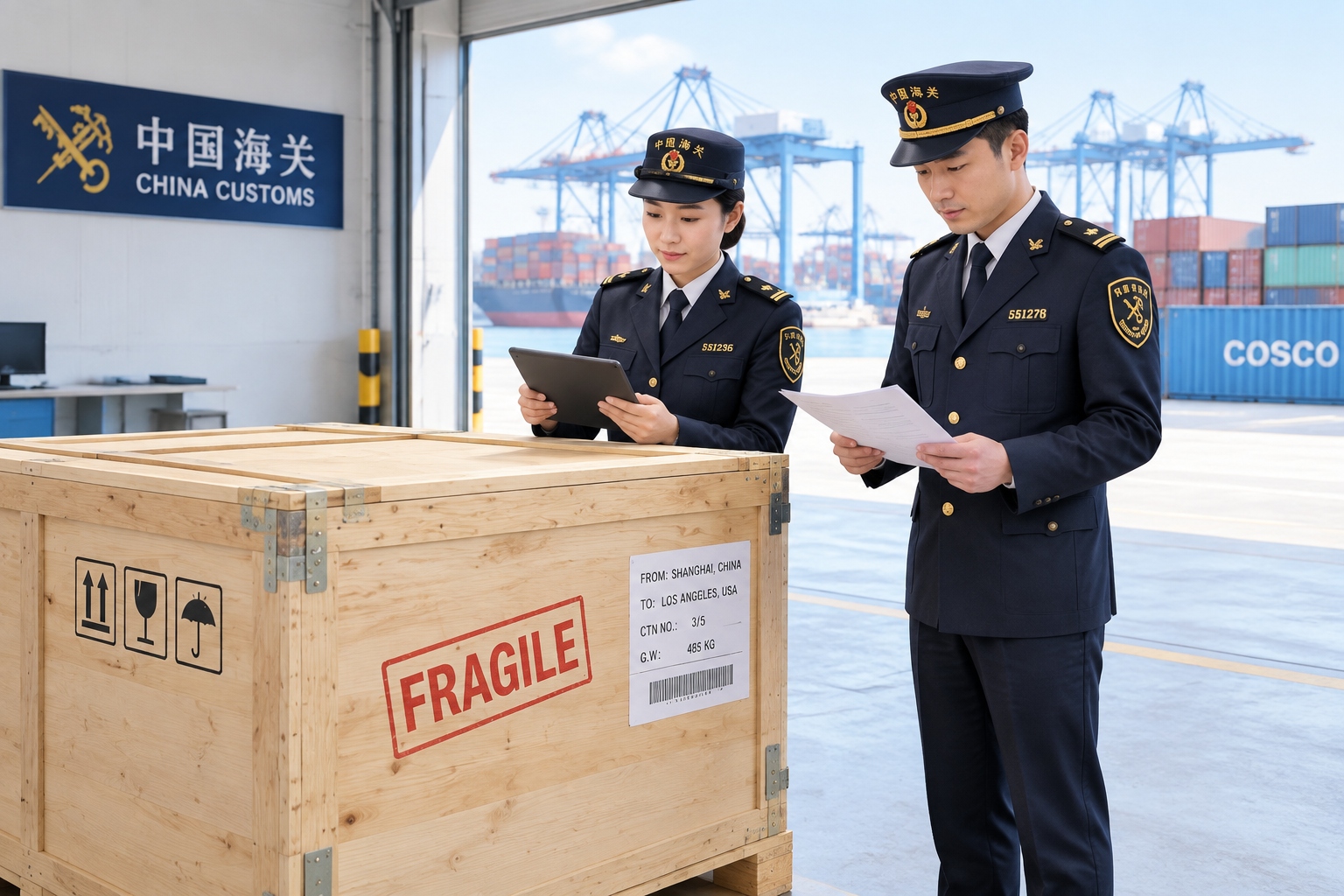
The law requires an export license for any transfer of controlled items from China to another country. That includes physical goods sold by a Chinese supplier, as well as technology transferred electronically or through services. If you purchase a controlled item in China and have it shipped to your factory in Vietnam, you are an exporter in the eyes of the law and need to obtain a license from China’s Ministry of Commerce.
The rules also apply when a Chinese subsidiary of a foreign company provides controlled technology to a foreign individual or entity — even if the technology never leaves China. A French engineer working at a joint venture in Shanghai who receives access to restricted source code could be considered a “foreign recipient,” and the supplying company must verify whether an export license is needed.
Not every purchase triggers a license. Buying low-end mechanical components or standard office software is normally fine. The key is to check the published controlled-item lists and the “end use” of the goods. If your end user is a military entity, even items not on the list may be restricted under the “catch-all” provision, which gives authorities the right to block any export if it could harm national security or be used in weapons of mass destruction programs.
How to obtain an export license
Applying for a license from the Chinese government is not like placing an online order. It involves multiple steps and documentation:
- Determine the product’s tariff code and match it against the current controlled list.
- If the item is controlled, contact the supplier, who will likely require you to submit an end-user certificate explaining exactly where the goods will go and what they will be used for.
- Submit an application to the Ministry of Commerce through its online system. You will need to provide a detailed description of the item, its technical parameters, the end user, and the end use.
- The Ministry evaluates the application, often requesting additional documents. By law, the decision should be made within 45 working days; in practice, it can take longer if national security reviews are involved.
Once granted, the license is usually valid for 12 months. Each shipment may require a separate license, though Chinese authorities sometimes issue licenses that allow multiple exports of the same item under special conditions. If you plan regular shipments, consider registering as a licensed exporter or consult a customs broker to set up the most appropriate arrangement.
What are the consequences of non-compliance?
China’s export controls are not a paper tiger. Exporting a controlled item without a license, providing false information, or violating a license condition can lead to serious penalties. Administrative measures include confiscation of illegal gains, fines up to ten times the value of the goods, suspension of export rights, and even revocation of the exporter’s business license.
Criminal liability is also possible. Since the law took effect, Chinese authorities have enforced it. For example, unauthorized exports of drone components that could be used in military applications have led to prison sentences for company executives. Foreign individuals can also face legal action if they help bypass these rules.
Practical compliance steps for foreign buyers
So what should a foreign company do to stay on the right side of China’s export controls? Here are a few practical measures:
1. Set up an internal screening process
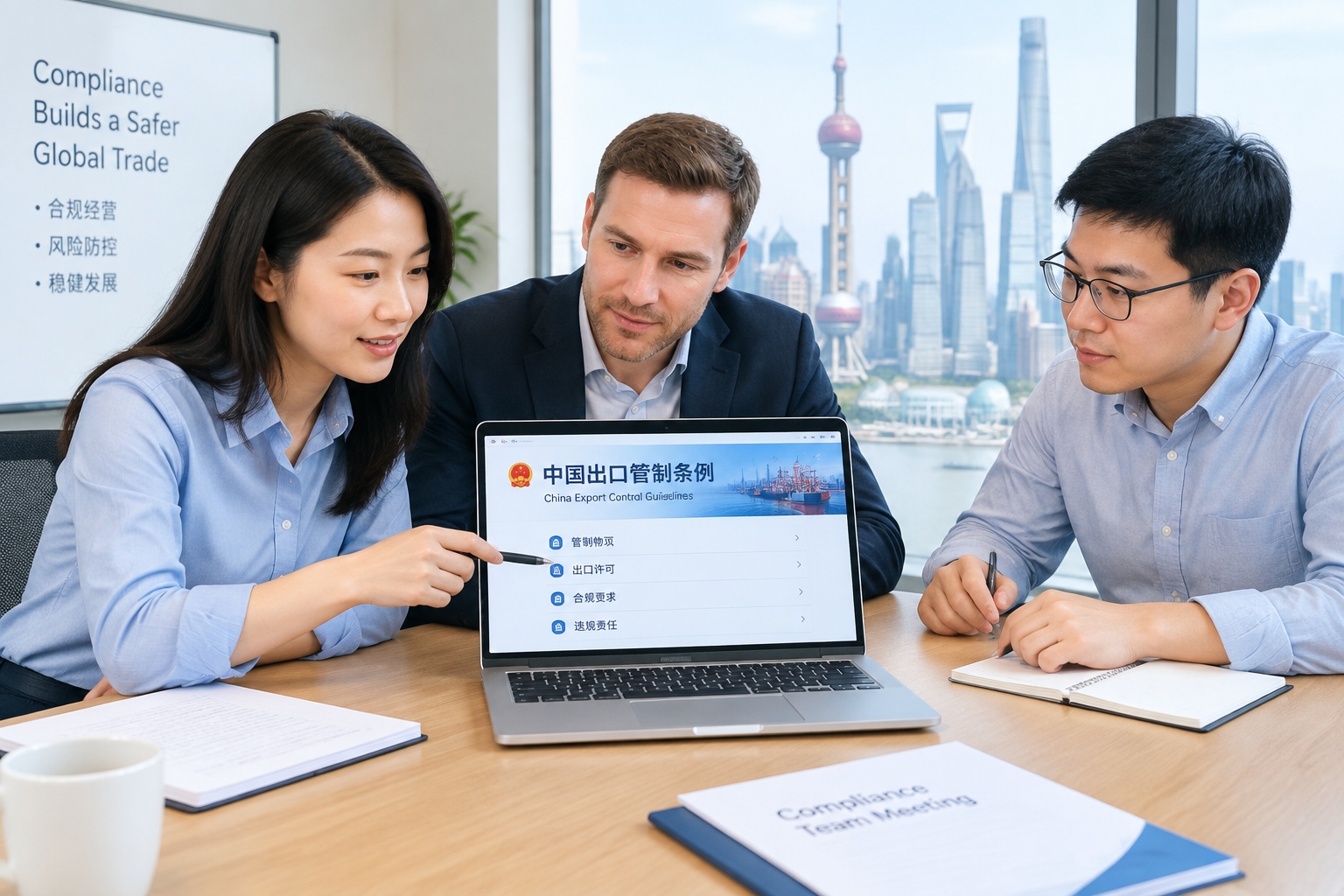
Train your sourcing team to identify controlled items. When requesting quotations, ask suppliers whether their products are subject to export control in China. Many large Chinese manufacturers are now aware and will tell you upfront.
2. Check the lists before signing contracts
The controlled-item lists are public. You can inspect them on the Ministry of Commerce’s website or use the database published by China Customs. If you are unsure, hire a local trade law attorney or customs broker with export-control experience.
3. Be transparent about end use
Chinese suppliers are required to ask for end-user certificates when selling controlled items. Do not dismiss this as bureaucracy. Providing vague or misleading answers may not only delay your shipment but could also put you on a compliance watchlist.
4. Consider the “deemed export” dimension
If you have a joint venture or subsidiary in China and intend to transfer controlled technology to foreign personnel, plan ahead. Avoid uncontrolled sharing of sensitive design documents or source code without consulting legal counsel.
The bigger picture
China’s export control law is not an isolated development. It mirrors similar rules in the United States, the European Union, and Japan. For foreign companies, this means that doing business with China now requires the same seriousness about compliance that they already practice in other jurisdictions.
After her trade fair meeting, Maria went back to her hotel and emailed her company’s head of legal affairs: “Please check our orders in China — some items now need export licenses.” That is perhaps the most sensible first reaction. Understanding the law matters, but acting on it matters even more.
Start the discussion at forum.chinacomes.com