

The Machine Hall That Taught Her to Fly
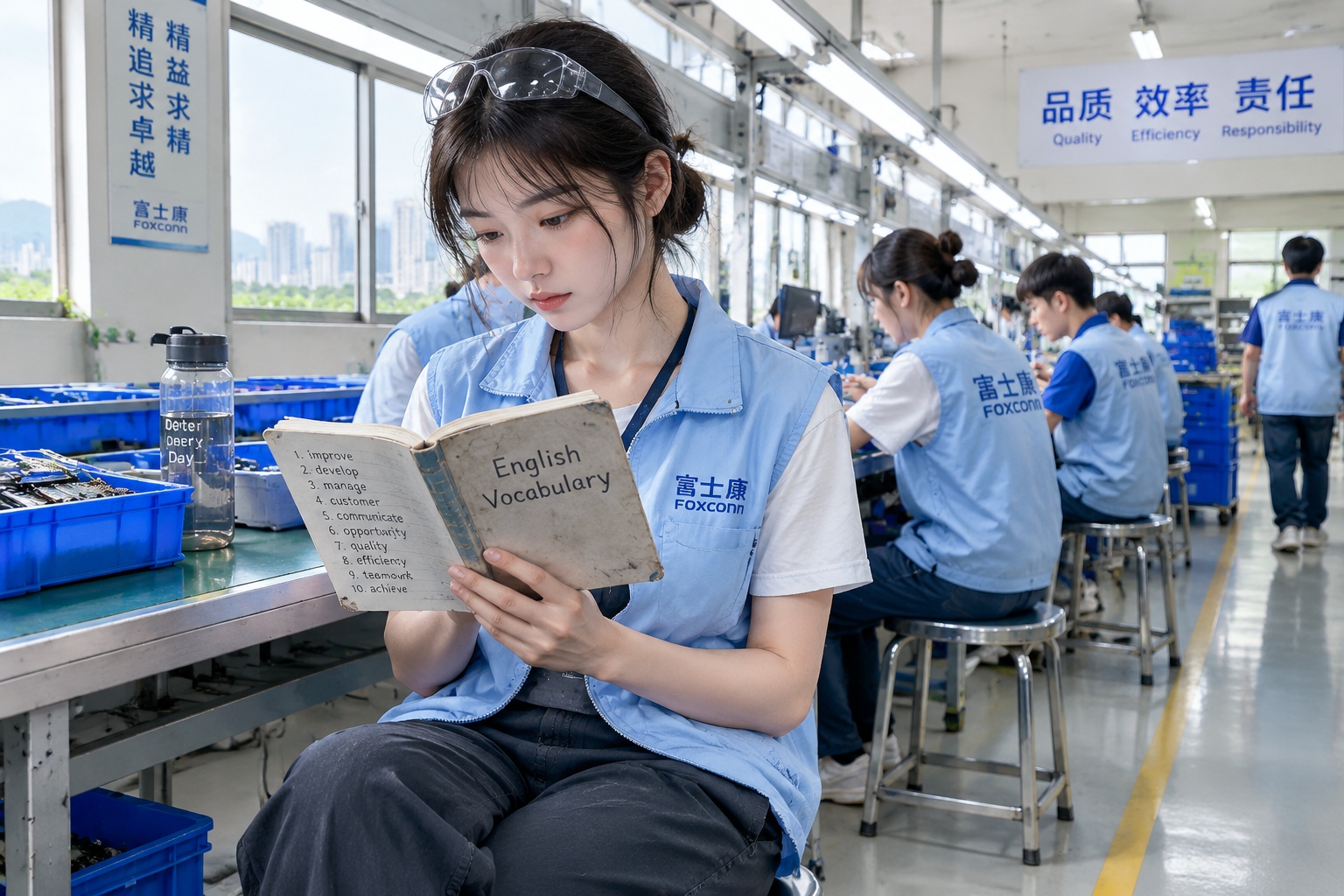
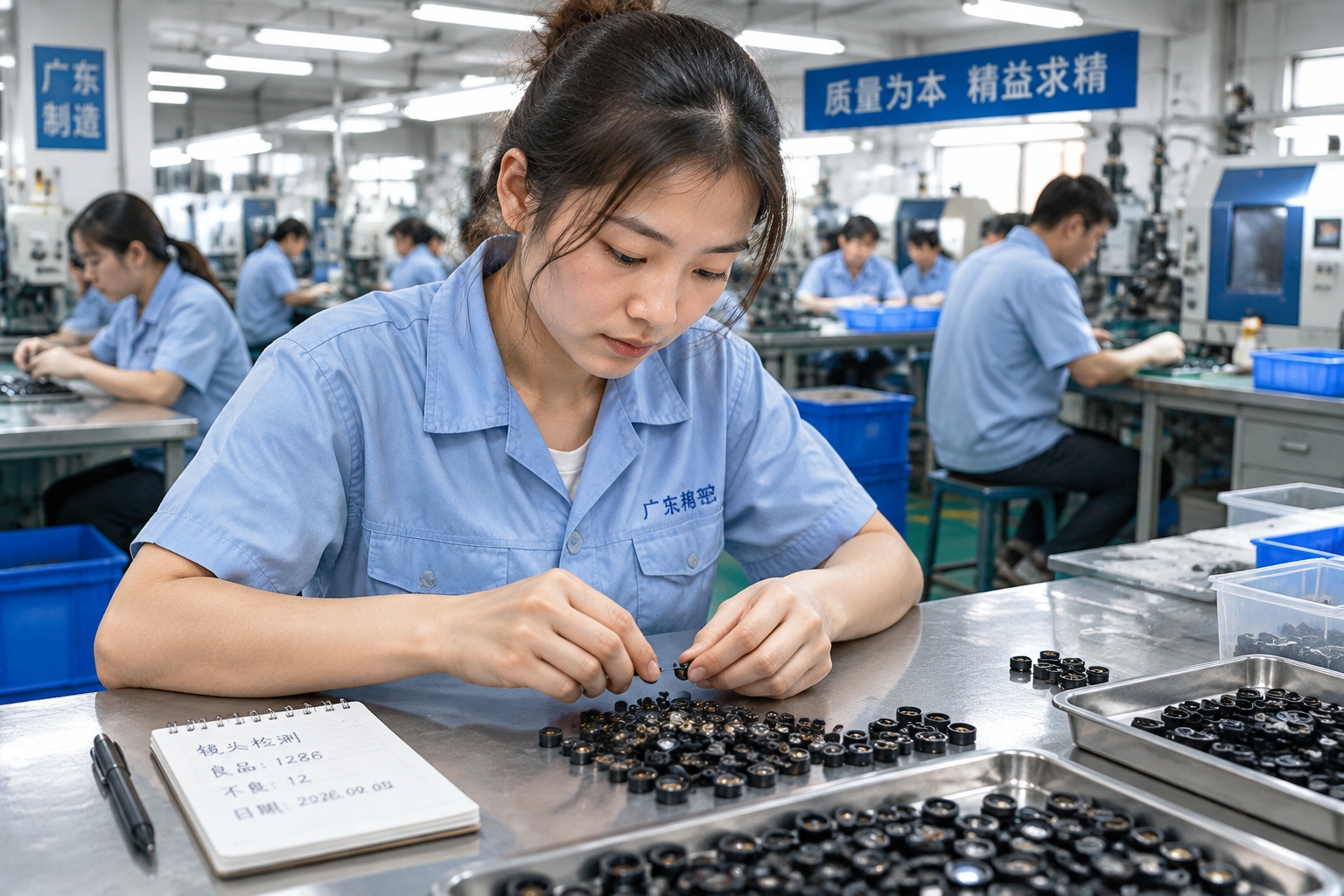
The noise never stops. On the third floor of an electronics plant outside Shenzhen, rows of women and men sit shoulder to shoulder, their hands moving in quick, repetitive motions. It is late afternoon, but the factory floor is lit like midday. Li Na, 22, is at her post, fitting tiny camera lenses into phone housings. Every few seconds, a new component slides under her fingertips. Her earplugs are worn soft. The air smells of solder and air conditioning.
During a fifteen-minute break, she pulls a thin notebook out of her work vest. On the cover, someone has written “2021, go.” Inside are English vocabulary lists, each word copied ten times. She hasn’t told many coworkers about the notebook. A couple of them have seen it, though. “Still studying?” one older woman asked once, half-smiling. “Aren’t you too old for that?” Li Na didn’t answer. She simply put the notebook away.
A Village Start, A Winding Detour
Li Na grew up in a farming village in Henan province, in central China. Her father has chronic back problems; her mother grows wheat and corn. She was a good student in primary school, but by the time she reached high school, her grades had slipped. In 2019, she sat the gaokao—China’s notoriously competitive university entrance exam—but scored below the cutoff for any bachelor’s program. With money tight, her parents urged her to work. A neighbor in Shenzhen said the electronics plant was hiring.
So, at nineteen, Li Na packed a duffel bag and boarded a fourteen-hour train. The factory paid about 4,500 yuan a month, including overtime, plus meals and a spot in an eight-bed dormitory. For a village girl, it felt like serious money. She sent half of it home.
The work was not physically brutal, but it was strange. She had never imagined a life where she would repeat the same motion eight or nine hours a day. “The days melted together,” she recalls. “You didn’t need to think. You just moved your hands.”
Over time, the monotony wore on her. She noticed older workers with worn hands and tired eyes, still doing the same tasks they had done a decade earlier. “I was afraid I would become one of them,” she says. “Not because the job was bad, but because I could not see a way forward.”
The Night Shift Decision
The turning point came in August 2020, during a midnight break. She was scrolling through her phone when she saw a post from a former classmate who had just been admitted to a nursing college. In the photo, her friend stood in front of a university gate, holding a red admission letter. Li Na felt a pang she could not name. She stared at the image for a long time.
That night, she made a list on a scrap of paper: her savings, the cost of tuition, the risk of failing again. She had saved roughly 18,000 yuan after two years of work. Returning home to study for a year would cost maybe 8,000, including a cram school and living expenses. If it didn’t work out, she told herself, she could always come back to the factory.
She didn’t tell her parents right away. She knew they would worry. Instead, she told a coworker, who said, “You’re crazy.” But Li Na felt increasingly sure. “Factory work taught me two things,” she says. “I could endure hard conditions. And I wanted to use my brain again, not just my hands.”
In early 2021, she gave notice. Two weeks later, she took the train back to Henan, carrying the same duffel bag, now filled with textbooks.
Cram School and a Second Chance
In a county seat an hour from her village, Li Na joined a one-year gaokao review class. Most of her classmates were 18-year-olds just out of high school. At 22, she was the oldest in the room. The desks were scarred with pen marks. The air smelled of chalk and instant noodles. She sat in the second row, took notes, and asked questions without embarrassment.
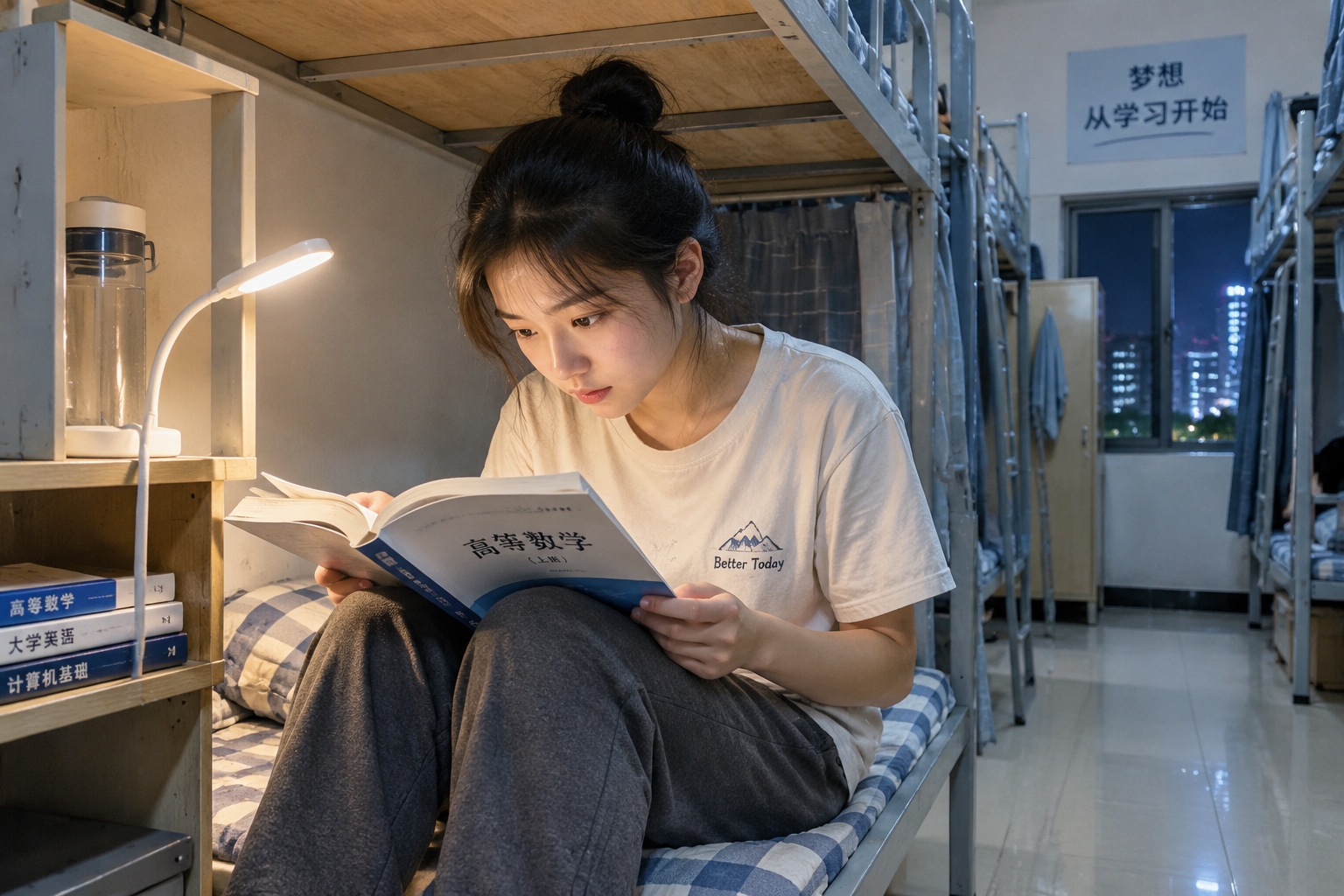
The first month was difficult. Her math had faded; her English had never been strong. She struggled with standard, geometric, and verb tenses. Each night, she returned to a shared room in a small apartment, switched on a desk lamp, and studied until 1 a.m. “I told myself: this is just one year. You owe it to yourself to try.”
She was not alone in her loneliness. One girl in the class also came from a factory background, a textile mill in Zhejiang. They sometimes ate noodles together and talked about their lives. Li Na says knowing someone else had taken a similar road helped her stay steady.

University Days and Looking Ahead
In June 2021, Li Na sat for the gaokao again. She scored above the admission line for a provincial teachers college, enrolling in a four-year program in elementary education. When the acceptance letter arrived, she was at home, watering the vegetable patch. Her mother cried. Her father, rarely expressive, took a photo of the letter with his phone.
Now in her second year, Li Na lives on campus in a noisy dormitory with four younger students. She is by most measures “older” than her classmates, but she says no one treats her differently. “They ask me for help with life decisions,” she says, laughing. “I’m like the dorm’s cool aunt.”
She works as a part-time tutor on weekends to help cover living costs. She says she is grateful for her time in the factory, but she does not romanticize it. “I met good people there. I also saw how tired a person can become when they have no options.” Her plan is to graduate, return to her hometown, and teach in a rural primary school. “I want to show kids that you can take a different road, even if it has a few bumps.”
Li Na’s story is not a smooth, triumphant narrative. She knows luck played a role. She had savings, a family that did not force her to send money home, and the confidence to walk away from a steady paycheck. Millions of Chinese migrant workers do not have those conditions. But her path—from a factory line to a university lecture hall—still says something important about the country’s ever-moving opportunities. Not everyone gets a second chance, but more people are taking them.
The factory is still hiring. There is always a new batch of nineteen-year-olds arriving with duffel bags, just as she did. Some will stay for decades. Some will leave. Li Na is now the kind of person who shows the rest that leaving is possible.
Start the discussion at forum.chinacomes.com