
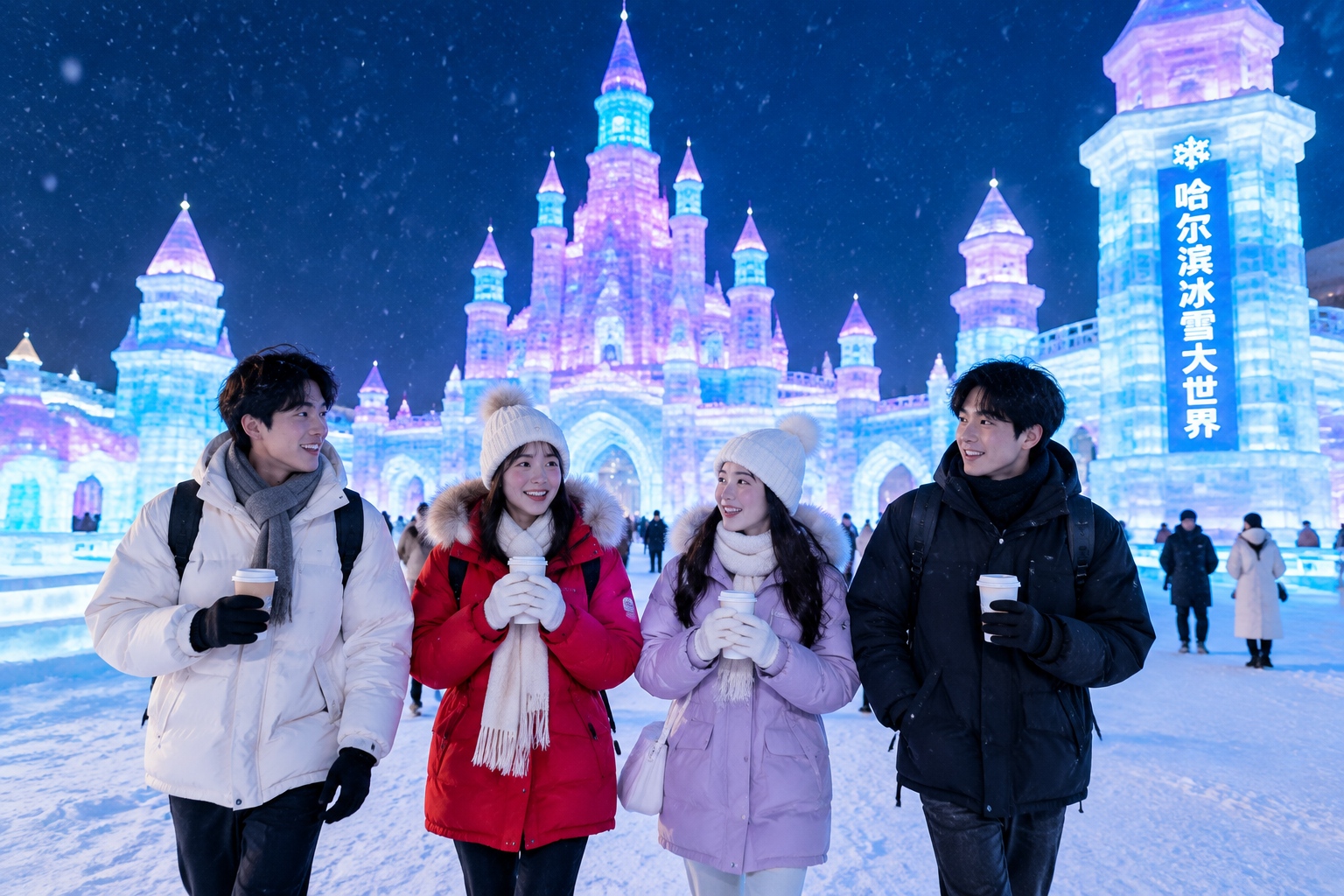

Imagine standing outside at minus 20 degrees Celsius. Frost creeps up your jacket, neon lights shimmer on giant ice castles, and your breath freezes mid-air. A street vendor hands you a candied hawthorn skewer that snaps like glass. Then, less than a day later, you can land in a tropical zone of 25°C and palm trees, where people order coconut drinks in flip-flops. That contrast is exactly what makes winter travel in China so surprising.
China stretches from tropical Hainan in the south to subarctic Heilongjiang in the north, so ‘winter’ here is not one season. It is a bundle of possibilities: snow, sand, steam, and sea breeze. This guide walks you through four of the most popular winter escapes — Harbin’s Ice and Snow World, Changbai Mountain’s skiing and hot springs, Sanya’s warm beaches, and Yunnan’s hot springs — and shows you how to plan the journey without losing your mind.
Harbin Ice and Snow World: A City of Ice That Melts Every Spring
Harbin, the capital of Heilongjiang province in northeast China, is genuinely cold in winter. Temperatures routinely fall below minus 20°C, which freezes the Songhua River so solid that ice cutters can saw it into blocks. That ice is the raw material for one of China’s most visually extraordinary festivals.
Every winter, workers carve thousands of blocks from the river and assemble them into palaces, towers, and bridges. The park is rebuilt each year with a different theme. When night falls, colored lights transform the whole area into a glowing fairy-tale city. You can slide down an ice slide larger than a school bus, walk through a maze made of translucent blue bricks, and warm up with a cup of hot tea from a small stall. Even many Harbin locals come back every season because there is always something new.
For first-timers, the best move is to rent a thick padded coat and water-resistant boots at the entrance, dress in layers, and bring disposable hand warmers. Aim to enter in late afternoon so you can watch the lights turn on — the moment when the ice starts to glow is magical. The festival runs from late December to late February; January and early February are the biggest and coldest months.

Changbai Mountain: Ski on Powder, Soak in Volcano-Heated Springs
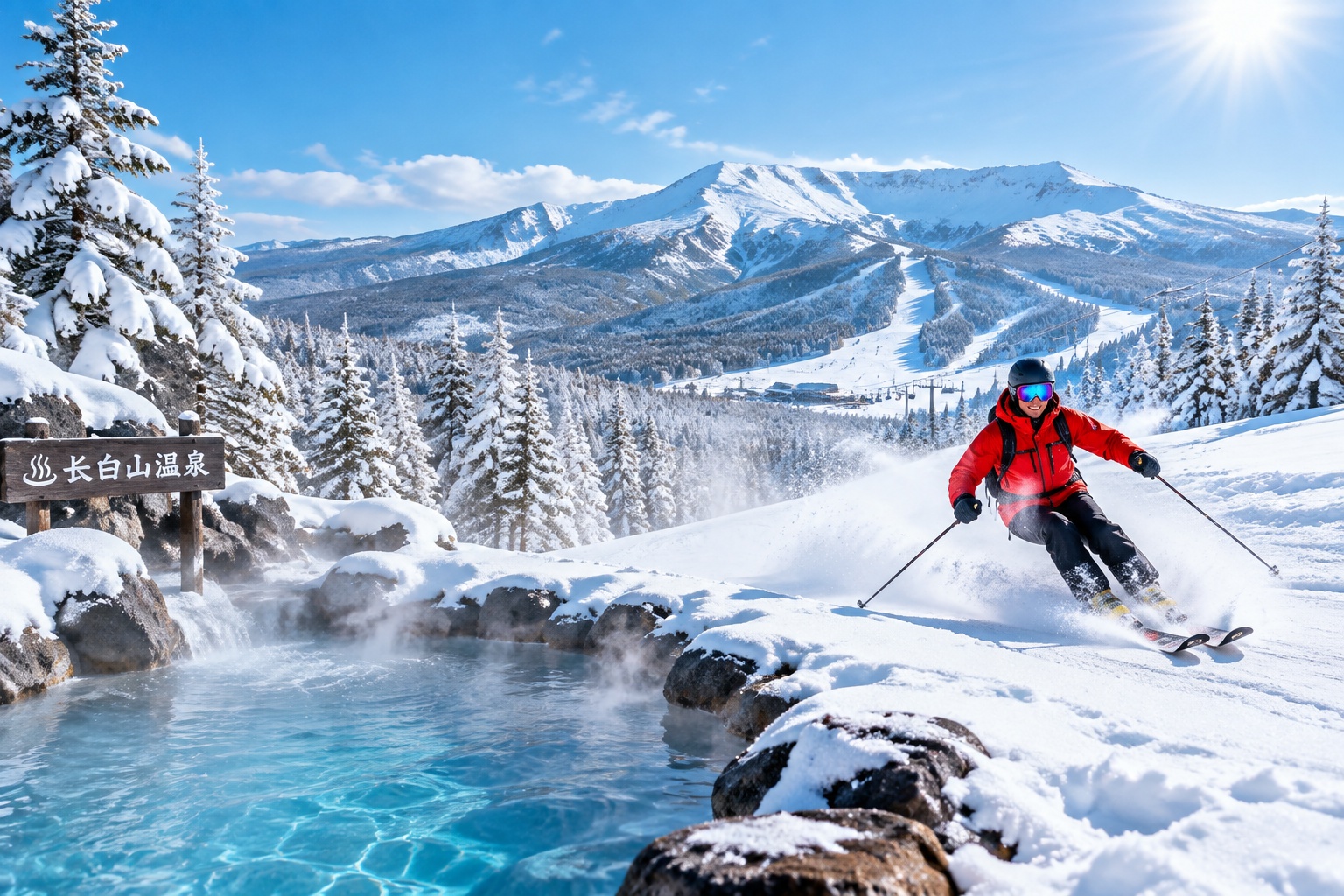
Head northeast, cross into Jilin province, and you reach the foothills of Changbai Mountain, a dormant volcano that sits on the Chinese border with North Korea. In the local Manchu language the name means ‘forever white’. The mountain’s volcanic heat feeds dozens of bubbling hot springs that freeze when hitting the cold air.
The resort area here, often called Changbaishan, is a true snow playground. Its powder snow is often dry and light, which is exactly what skiers love. There are gentle slopes for beginners, tree-lined runs for intermediate skiers, and a growing backcountry scene for experts. Since many Chinese people are new to skiing, lessons and equipment rentals are easy to arrange, and English signs are present at the larger resorts.
What makes Changbai unique is the combination of snow and water. After skiing for a few hours, most visitors drop into one of the open-air hot spring pools attached to nearby hotels. Imagine sitting chest-deep in 40°C spring water while snowflakes land on your head and your phone stays warm on a dry towel nearby. That is winter, Changbai style.
When the weather clears, you can take a cable car up to try to glimpse the famous crater lake. It is often hidden in clouds, which makes spotting it feel like winning a small lottery. Catching a glimpse is pure luck, so treat it as a bonus.
Sanya: The Beach Escape China Runs To Every Winter
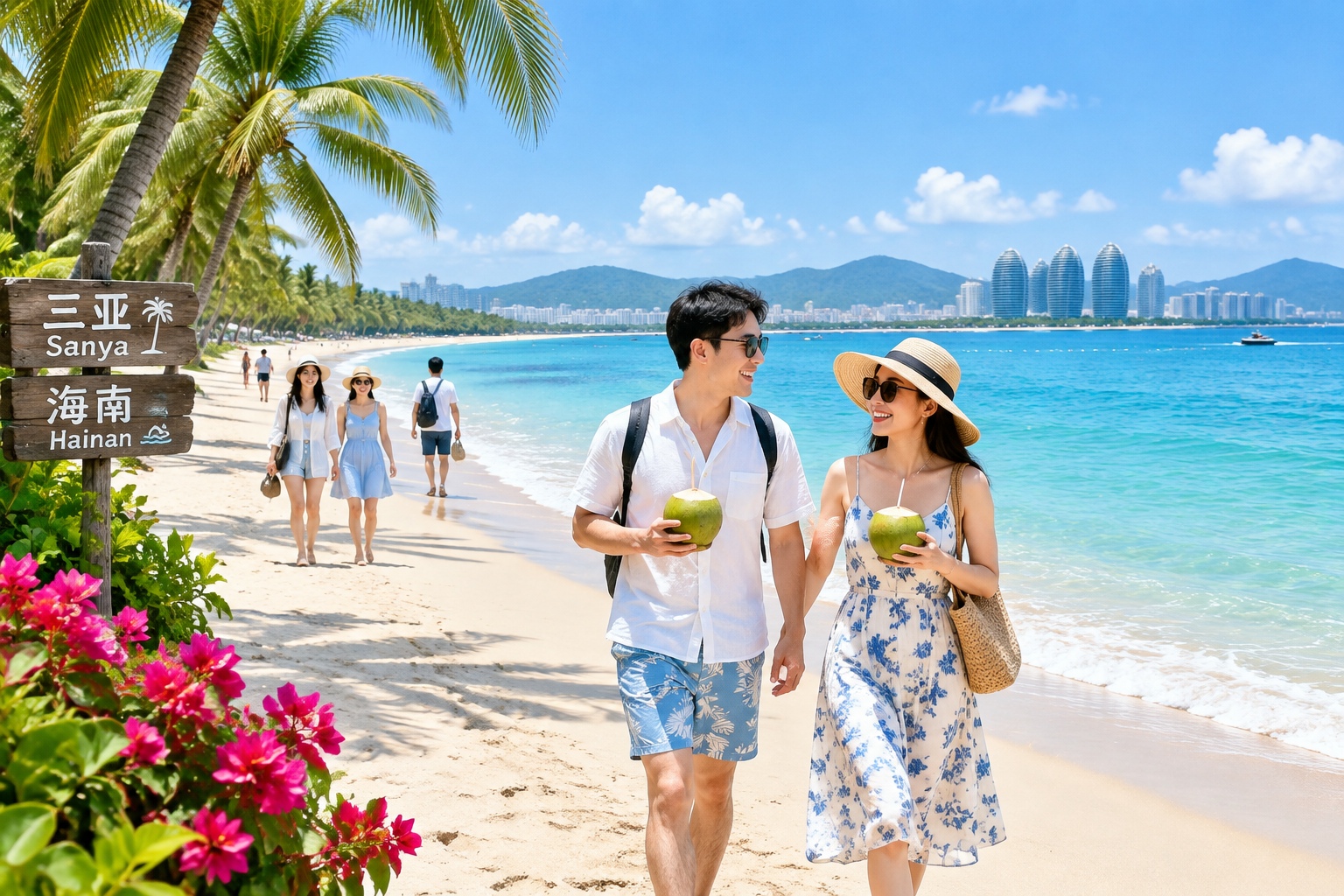
Meanwhile, at the southern tip of the country, the tropical island of Hainan is in peak season when Beijing and Shanghai shiver. Sanya, Hainan’s largest resort city, enjoys daytime temperatures around 25°C in January. For northern Chinese, Sanya is the winter sun destination — you might even meet retired couples from Harbin swimming in the sea before breakfast.
Why is this surprising to outsiders? Because you’re in China yet can experience something close to a Southeast Asian beach holiday. The snorkeling trips, sailboats, and long stretches of white sand aren’t so different from Thailand’s. Sanya adds a Chinese layer: fresh lychee stalls, seafood restaurants that nearly sell out by night, and a huge Buddhist statue at Nanshan Cultural Zone that you can see from the bay.
The city boomed as a domestic resort, but it is easy to visit as a foreigner. Many flights from international hubs land directly. During the Chinese New Year holiday, hotel prices can triple, so reserve as early as possible. For a lower-priced, laid-back option, you can stay near Dadonghai Bay instead of the luxury hotels at Yalong Bay.
Yunnan: Soaking in Hot Springs While the Sun Shines
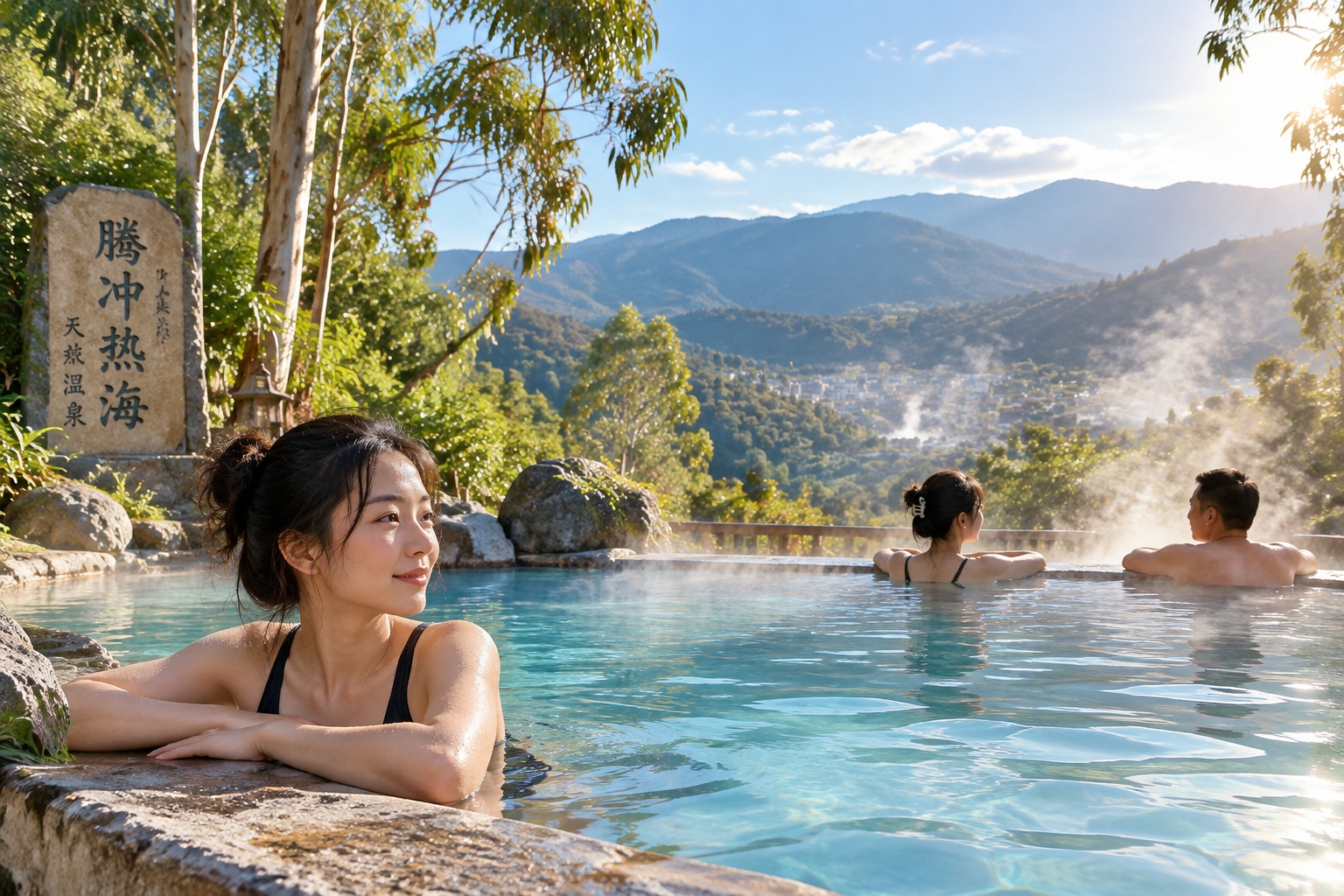
If cold makes you tired and beaches feel too far out, the southwestern province of Yunnan offers a softer version of winter. Kunming, its capital, sits 1,900 metres above sea level, which gives it mild, sunny days even in January. Locals call it Spring City.
For an even deeper hot-spring fix, fly or drive to Tengchong, near the Myanmar border. This is a volcanically active valley, and natural thermal springs bubble up all over. Many of the best pools are part of spa hotels, but in the countryside you can find small public baths used by farmers for decades. Surrounded by pine forests, soaking in a pool with the temperature at 38–40°C is a deeply local experience.
Pair your soak with a visit to old towns such as Dali or Jianshui, or drive to the Hani rice terraces, which are flooded with water in winter and shimmer in the sun. A bowl of local Yunnan rice noodles with hot broth completes the day.
Getting Around: High-Speed Rail, Flights and Festival Season
China’s infrastructure is huge, and in winter you can make it work without a lot of pain. For Harbin, high-speed trains from Beijing take about five hours, cutting through snowy plains — an experience in itself. For Changbai, most visitors fly to Changchun or Yanji and then ride two hours in a bus or taxi. For Sanya, it is easier to fly because Hainan is an island. For Yunnan, high-speed trains and flights both work.

Buy long-distance train tickets on the official 12306 app, usually 15 days in advance. International travel platforms like Trip.com can also sell the same seats in English. Book domestic flights early and stay flexible if snow causes delays. During China’s Spring Festival, which usually falls in January or February, millions travel to reunite with family, so buy tickets far ahead. Also note some restaurants and small shops close for a few days.
So which direction is right for you? If you love cultural spectacle and can handle intense cold, put on three layers and head to Harbin. If you want a ski vacation but also dream of open-air hot springs, Changbai Mountain tops the list. If your ideal winter is green leaves and sand, book Sanya early. If you’re chasing warm sunlight and natural healing, Yunnan’s hot springs are waiting. Combining destinations? Give yourself at least two weeks for a smooth, unhurried journey.
Winter in China is not a season to hide from. It is an open invitation to taste contrasts — from ice palaces to beach umbrellas, from boiled noodles to coconut water. The trains are fast, the warm coats are cheap, and the hot spring water is real. So decide what you need in January and let China surprise you.
Start the discussion at forum.chinacomes.com