

Introduction: A German Engineer’s First Day on a Chinese Site
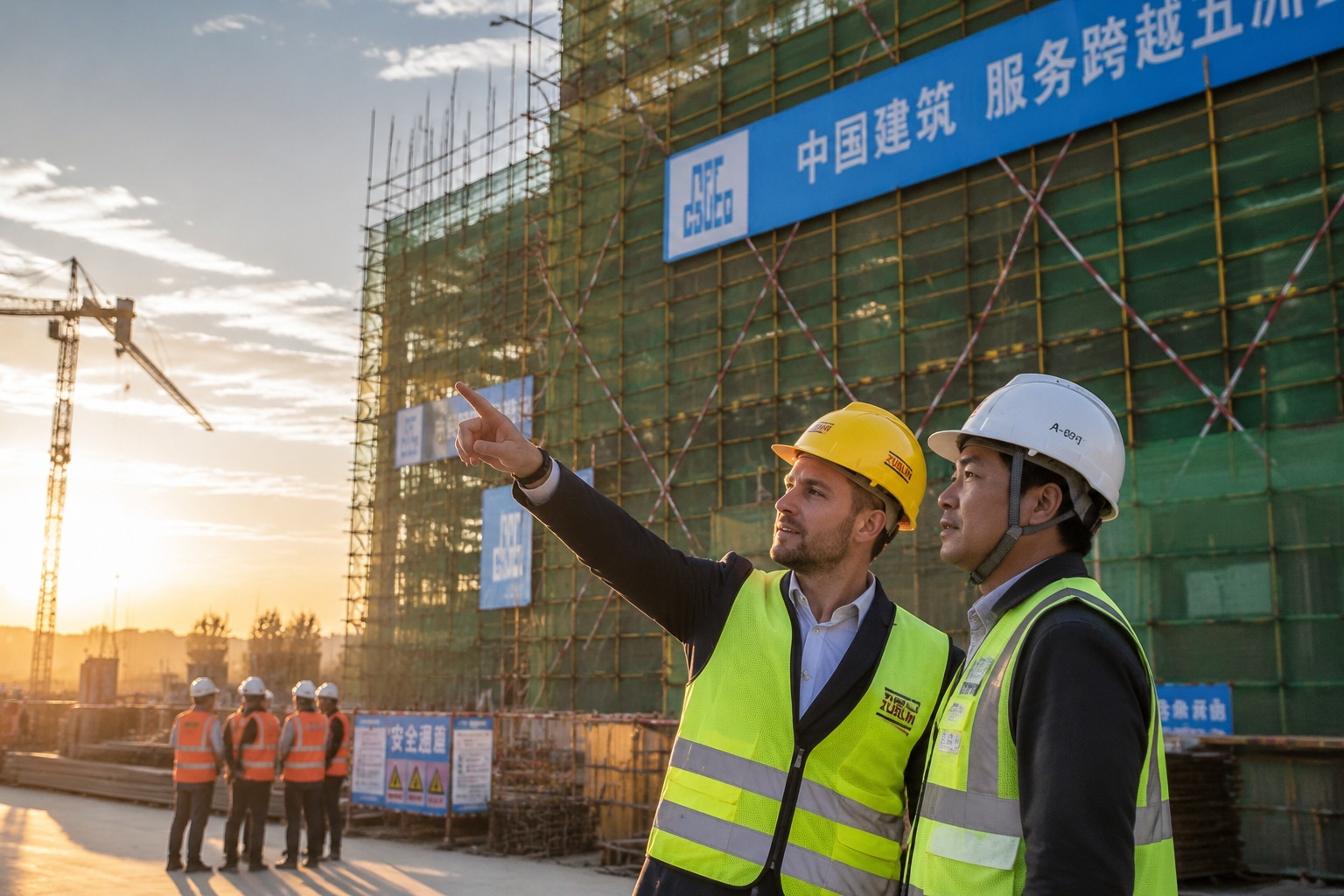
Markus, a structural engineer from Stuttgart, had spent 15 years on construction sites across Europe. When his company sent him to oversee a project in Shanghai, he braced himself for chaos. “In Europe, we hear stories about Chinese sites being wild west—no rules, no helmets,” he told me over coffee in a Shanghai cafe. “But what I saw on my first day was the opposite.”
He arrived at 7 AM. Every worker wore a bright orange safety vest, a hard hat, and steel-toe boots. A safety officer checked each person before they entered the site. “In Germany, we have similar rules, but here it felt more strict—like no one dared to challenge it,” Markus said.
The Rule of the Hard Hat: A Cultural Difference
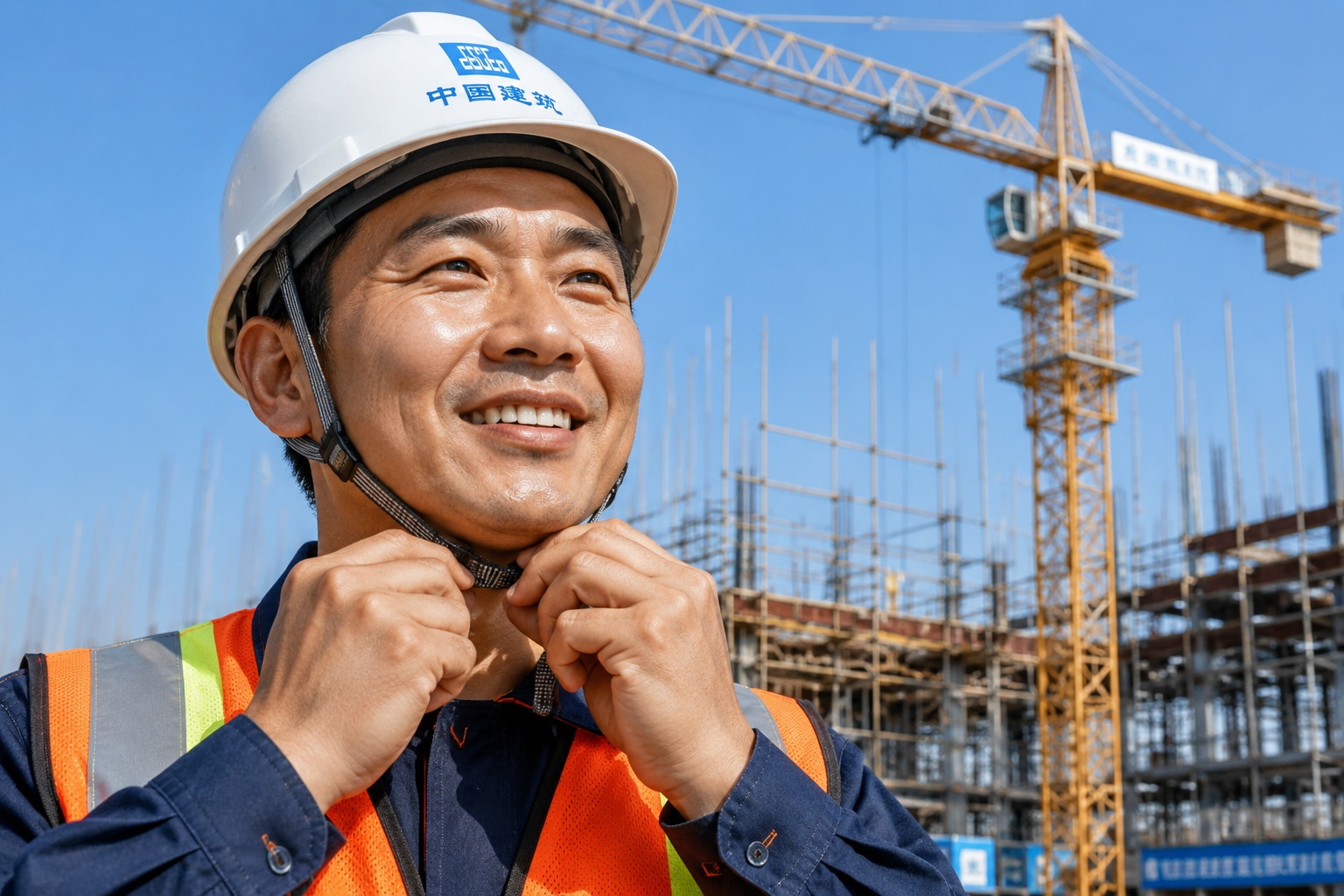
For many Western readers, the image of a Chinese construction worker without a hard hat is a common stereotype. But Markus insists that’s outdated. “Today, if you step onto any major Chinese construction site without a helmet, you will be stopped—immediately. It’s not like Europe where sometimes workers take them off in hot weather.”
Why the difference? In China, safety regulations are enforced not just by the government but by the company and even the workers themselves. There’s a system called “safety supervision” that includes full-time inspectors, daily briefings, and fines for non-compliance. Markus noted: “In Germany, safety is about personal responsibility. In China, it’s about collective enforcement—everyone watches everyone.”
Beyond the Helmet: Scaffolding, Nets, and Concrete
Markus pointed out other details: the scaffolding on Chinese sites is often made of steel tubes with couplers, similar to Europe, but the safety nets are more extensive. “In China, they wrap the entire building in green safety nets, sometimes even above the top floor. In Germany, we use nets only around specific work areas.”

He also noticed the cleanliness. “In Europe, a site can be messy with cables and materials everywhere. Here, they have dedicated storage zones, and workers sweep the concrete debris daily. It’s not just for safety—it’s for order.”
Why Is Chinese Construction Safety So Rigid?
To understand this, you have to know that Chinese construction companies face huge liability if an accident happens. The government can shut down a project for weeks for a single safety violation. “In Germany, the fines are also high, but the culture is more flexible. In China, it’s zero tolerance,” Markus explained.
Another factor: the labor market. Many workers are migrants from rural areas, and if they get injured, they lose income. So they are often more vigilant. “I saw a worker scold his colleague for not tying his harness correctly. That peer enforcement is rare in Germany.”
Conclusion: A Model That Works—But Has Limits
Markus admits that not every Chinese site is perfect. Small projects in remote areas may lack the same discipline. But on large, regulated sites, the safety culture is world-class. “I came expecting to teach them. Instead, I learned a thing or two about consistency.”
For Western readers who think of Chinese construction as chaotic, Markus says: “Come see it yourself. The hard hat isn’t optional—it’s the law, and everyone follows it.”
Start the discussion at forum.chinacomes.com