

Introduction: A Stranger at the Airport
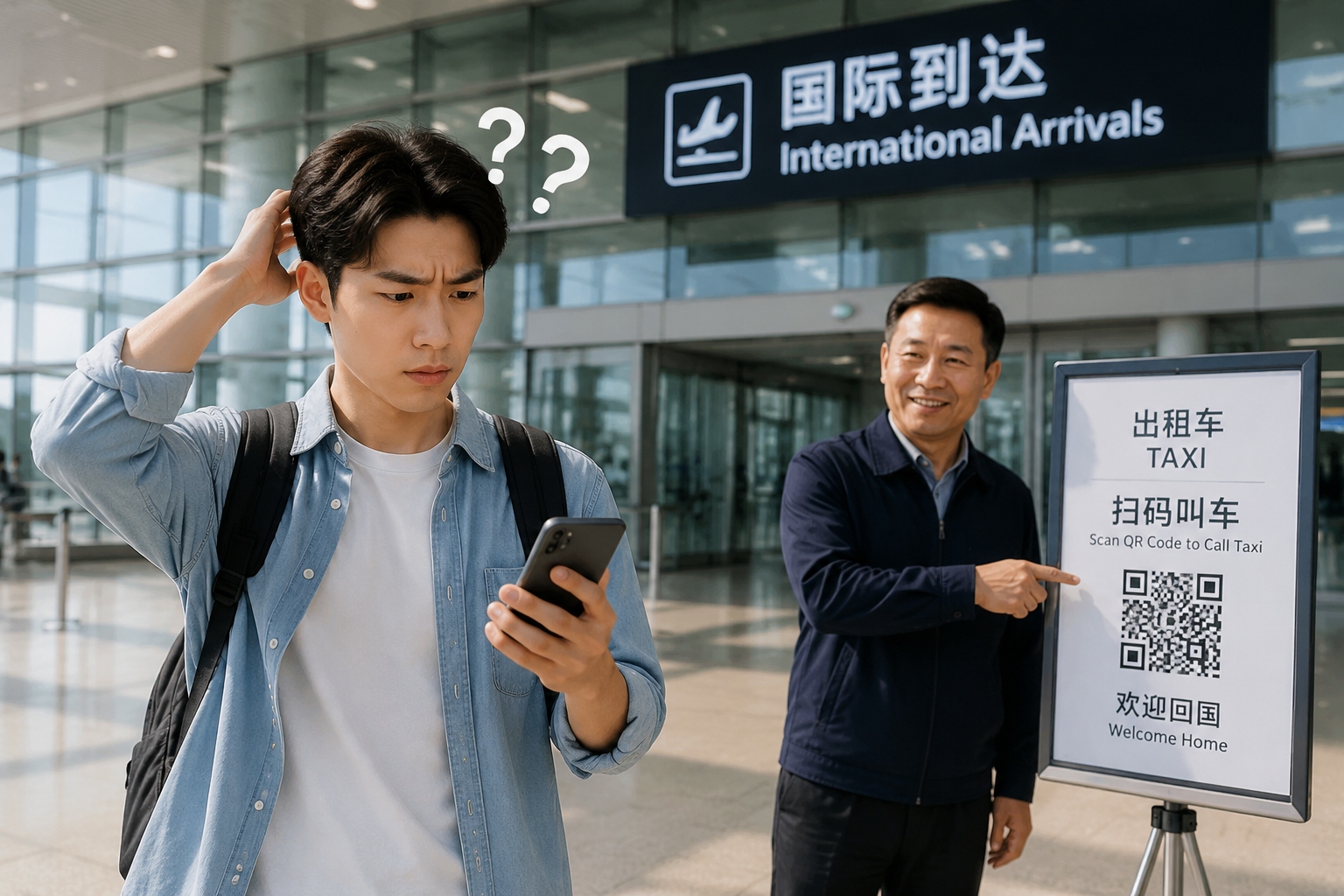
I landed in Shanghai after four years in London. The air felt heavier, thick with humidity that clung to my skin like a familiar but forgotten handshake. I walked into the arrivals hall, and the first thing I noticed was the crowd of people staring at their phones—not typing, but scrolling through something called "Mini Programs." The man at the taxi stand looked up and asked, "Do you have WeChat Pay?" I pulled out my credit card, then a ten-pound note. He shook his head and pointed to a QR code on the window.
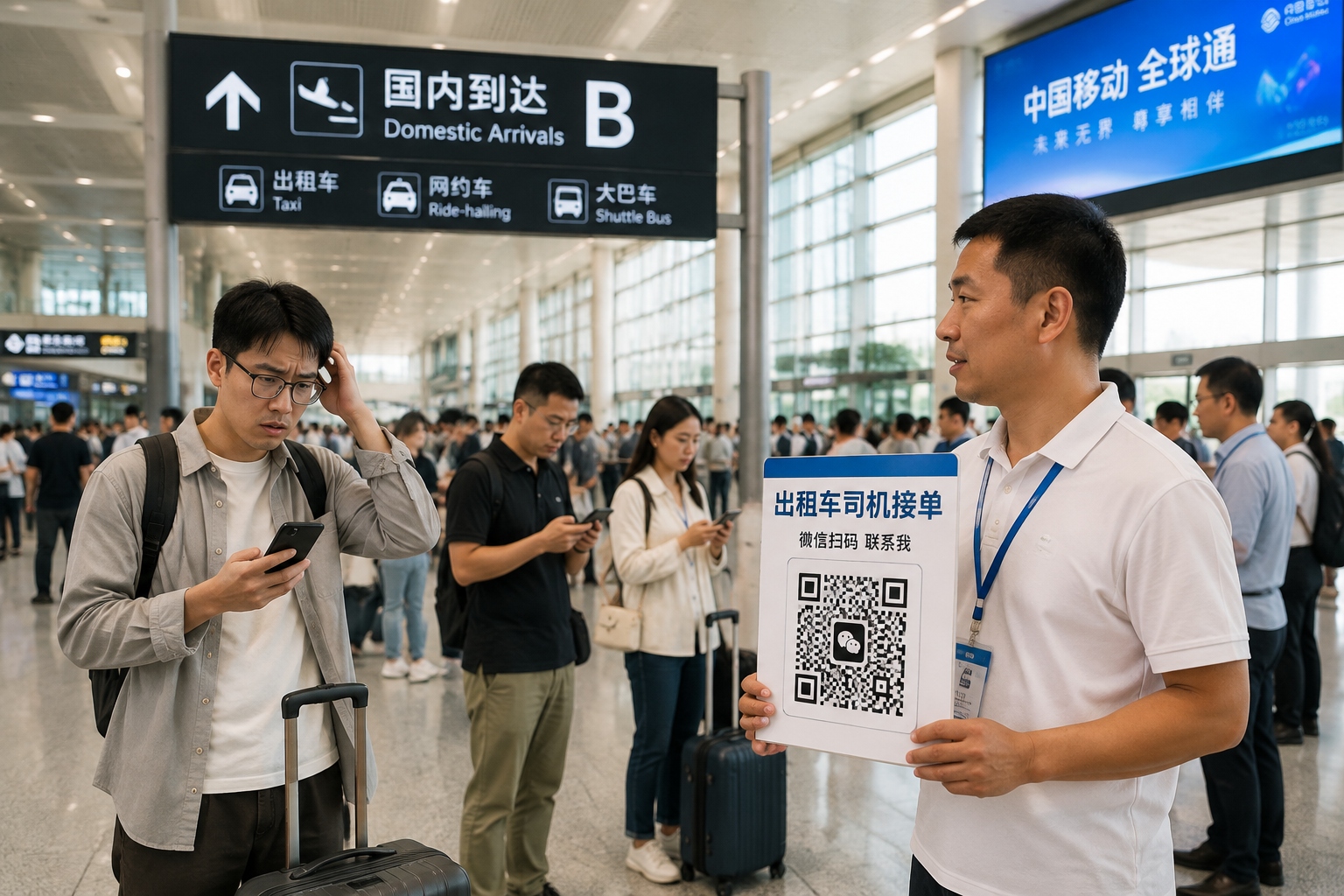
It wasn’t that I had forgotten China. It was that China had sprinted forward while I was away. My first week back felt like stepping onto a movie set where everyone knew the script except me. I had to relearn my own country—how to buy a coffee, how to catch a train, how to talk to a shopkeeper without looking like a confused foreigner.
The Shock of a Cashless Society
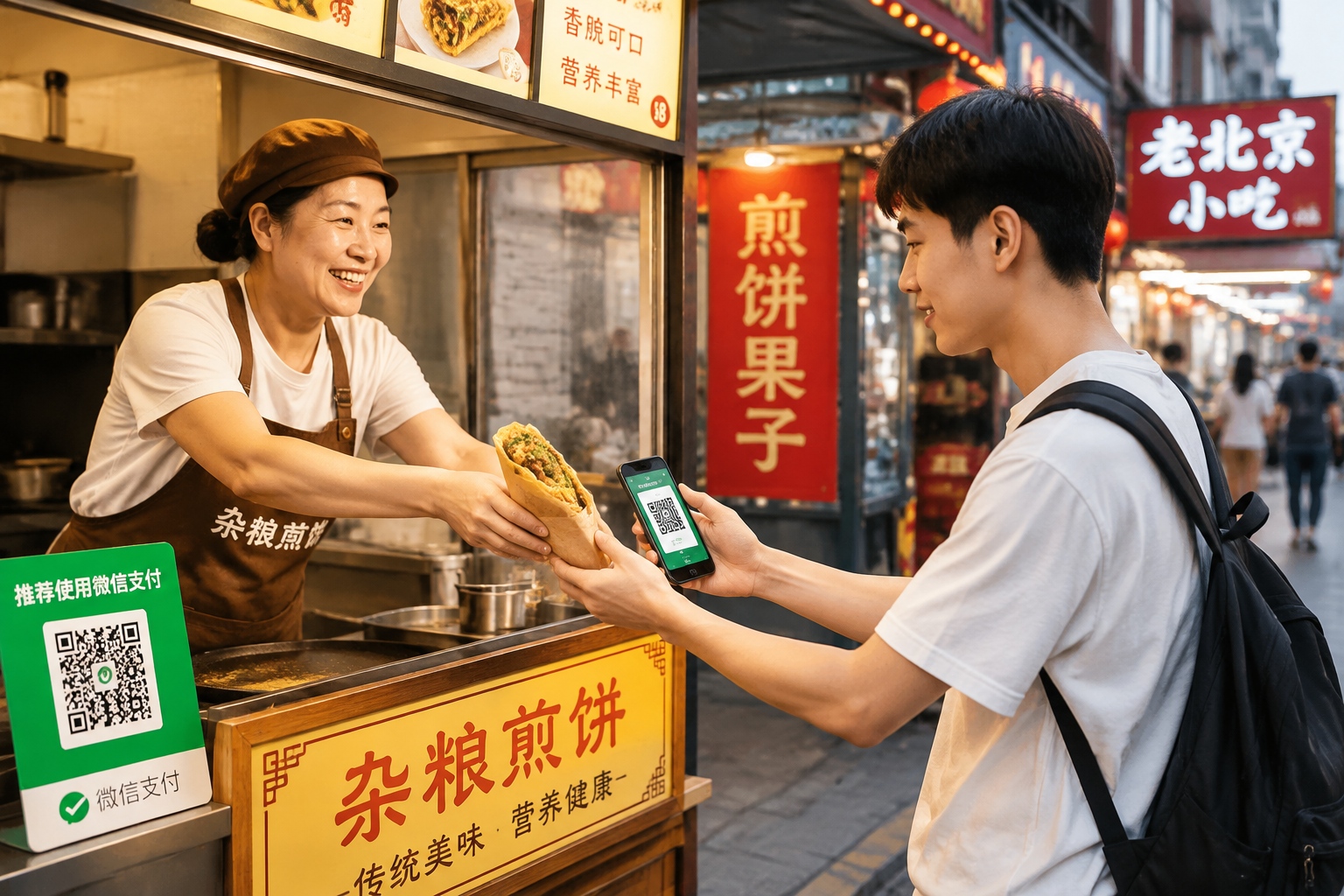
In London, I was used to tapping a card or waving my phone at the terminal. In Shanghai, the street vendor for jianbing (a savoury crepe) asked me to scan a QR code for a 5-yuan order. No one carried cash. Even the small vegetable stall in my residential compound had a printed Alipay code hanging over the greens. By the end of the first week, I had stopped asking "Can I pay with cash?" and started asking "Which QR code do I scan?"
This is the reality of China’s digital economy. It didn’t simply grow; it leapfrogged. In the early 2000s, most Chinese people never had a credit card. Instead, when smartphones entered the market, millions jumped straight to mobile payments. Companies like Alipay and WeChat Pay built trust by offering buyer and seller protections that traditional bank transfers didn’t have. Today, even the tiniest snack stall has a payment code. The scale is staggering: mobile payment transactions in China reach trillions of dollars each year.
Learning to Live with Super Apps
The biggest challenge for me was accepting that WeChat is not just a messaging app. It’s a bank, a taxi hailer, a food delivery service, a social network, a health clinic, and a government service portal. I watched my mother book a doctor’s appointment through the hospital’s WeChat account. She received a notification about consultation times, paid the fee online, and viewed her lab results—all without printing a single piece of paperwork. My aunt, who lives in a smaller city, orders groceries via Alipay and gets them delivered to her door within 30 minutes. My cousin pays rent, utilities, and even electricity bills from the same app.
For a Westerner, this may feel invasive or overwhelming. But for Chinese users, it’s simply convenience. The super-app model means you don’t need to juggle ten different services. You have one platform, one identity, one payment method. This centralisation is not only about business; the government has integrated many public services into these apps. I could renew my passport, register my address, and book a COVID vaccine appointment all from the same phone I use for video calls.
The City I No Longer Recognized
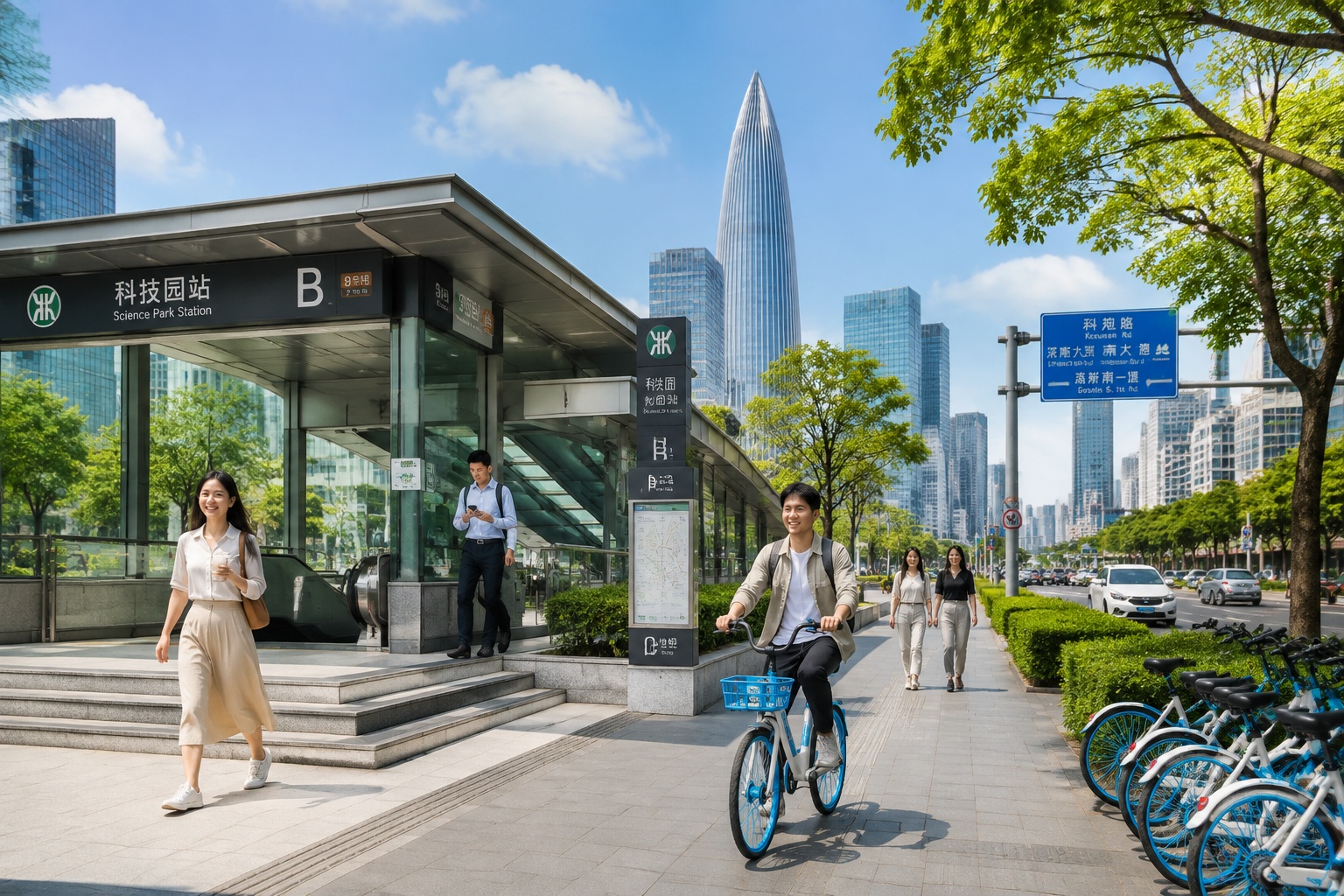
Shanghai had changed physically too. New metro lines appeared on the map that I had never seen before. Buildings shot up overnight. The old neighbourhood where I used to buy breakfast had been transformed into a pedestrian street with colourful café fronts and bike racks.
I took a ride on a shared bicycle—unlocked by scanning a QR code. My mind flashed to my childhood, when my father used a physical key and a chain lock. Now bikes are everywhere, both shared and electric. The city has invested heavily in cycling lanes, though it’s still a bit chaotic at morning rush hour.
Trains are another leap. In London, the only high-speed line I knew was Eurostar. In China, I can book a high-speed train from Shanghai to Hangzhou, about 180 km, in under an hour, with tickets ordered on my phone in seconds. The Beijing-Shanghai high-speed rail line cuts a 1,300 km trip down to about four and a half hours. When I told my British friends about China’s high-speed rail network—which now exceeds 40,000 km—they couldn’t quite believe it. But that’s the size of this country: differences aren’t incremental; they’re massive.
Relearning Social Rules and Community Life
It wasn’t only about technology and concrete. The social fabric had shifted. In my apartment complex, a property management company collects fees, organizes neighbourhood events, and manages recycling sorting. During the pandemic, I saw community volunteers helping elderly residents register for health codes and submit PCR tests. There is a term for this: community governance, mixing top-down regulation with bottom-up participation. In a Western context, you might compare it to a mix of a homeowners association, a local council, and a neighborhood watch—but it’s more involved.
I also had to relearn social conventions. In China, it’s normal for a friend to ask about your salary or your relationship status. At first, it felt intrusive. But I realized it’s a way of showing care. In London, conversations tended to stay polite and light. Back home, a neighbour might ask, "Have you eaten?" and genuinely mean it as an expression of concern. It’s a different kind of intimacy—less guarded, more direct.
At the same time, some things had changed. Young Chinese people are more conscious of personal boundaries. They still care about family, but they also value personal space. Online, they use different platforms than their parents. The cultural gap between generations is wider than I remembered, but it’s also more flexible.
Why Does China Feel So Different?
Many friends abroad ask me why China feels like a different planet. The answer is speed, scale, and the ability of a whole society to adopt change collectively. China’s economic reform opened doors in the late 1970s, but the real acceleration came with digitalisation. When smartphones appeared, the country was eager to jump ahead. The lack of legacy systems—like widespread credit cards or a deeply embedded landline culture—meant that new technology could be adopted faster.
Government support also plays a huge role. Policies have pushed for infrastructure investment, smart cities, and digital currencies. The private sector is incredibly competitive. If one company doesn’t make it easier for you, another will. This kind of environment produces rapid iteration. For a returnee, adjusting feels like learning a new operating system. You feel clumsy at first, but the tools are so thoughtfully designed that the learning curve is surprisingly short.
Conclusion: A New Kind of Familiarity
Three months later, I pay for everything with my phone, order fresh vegetables from a nearby farm while sitting in my pajamas, and scan QR codes without a second thought. I have relearned my home—or rather, I have accepted that home is a moving target.
Studying abroad gave me the gift of seeing China with fresh eyes. Returning meant letting go of my old image and embracing the chaos and convenience of today. It wasn’t a rejection of the country I’d left; it was an invitation to understand that China is not a static film reel. It is a living, changing society.
If you are thinking of returning to a place you left long ago, prepare to be surprised. Expect to feel like an international student in your own country. But also expect to be welcomed by a society that doesn’t rest, and in that restlessness, you might just find a new version of yourself.
Start the discussion at forum.chinacomes.com