


The Thermos Comeback
If you step into a typical Chinese office around 3 PM, you’ll notice a curious trend: rows of sleek thermoses, not filled with coffee, but with floating red berries, pale chrysanthemum petals, or deep red dates. This isn’t a tea ceremony—it’s the new normal for China’s stressed-out youth. Meet Xiao Wang, a 28-year-old marketing manager in Shanghai. Her desk is a battlefield of deadlines and data, but her trusty 500ml thermos is her armor. “I used to chug three cans of Red Bull a day,” she laughs. “Now I drink goji berry tea. My mom is proud of me.” Xiao Wang is part of a massive shift: young Chinese are turning to traditional Chinese medicine (TCM) not as a last resort, but as a daily lifestyle choice. And it’s not just about feeling healthy—it’s about feeling in control.
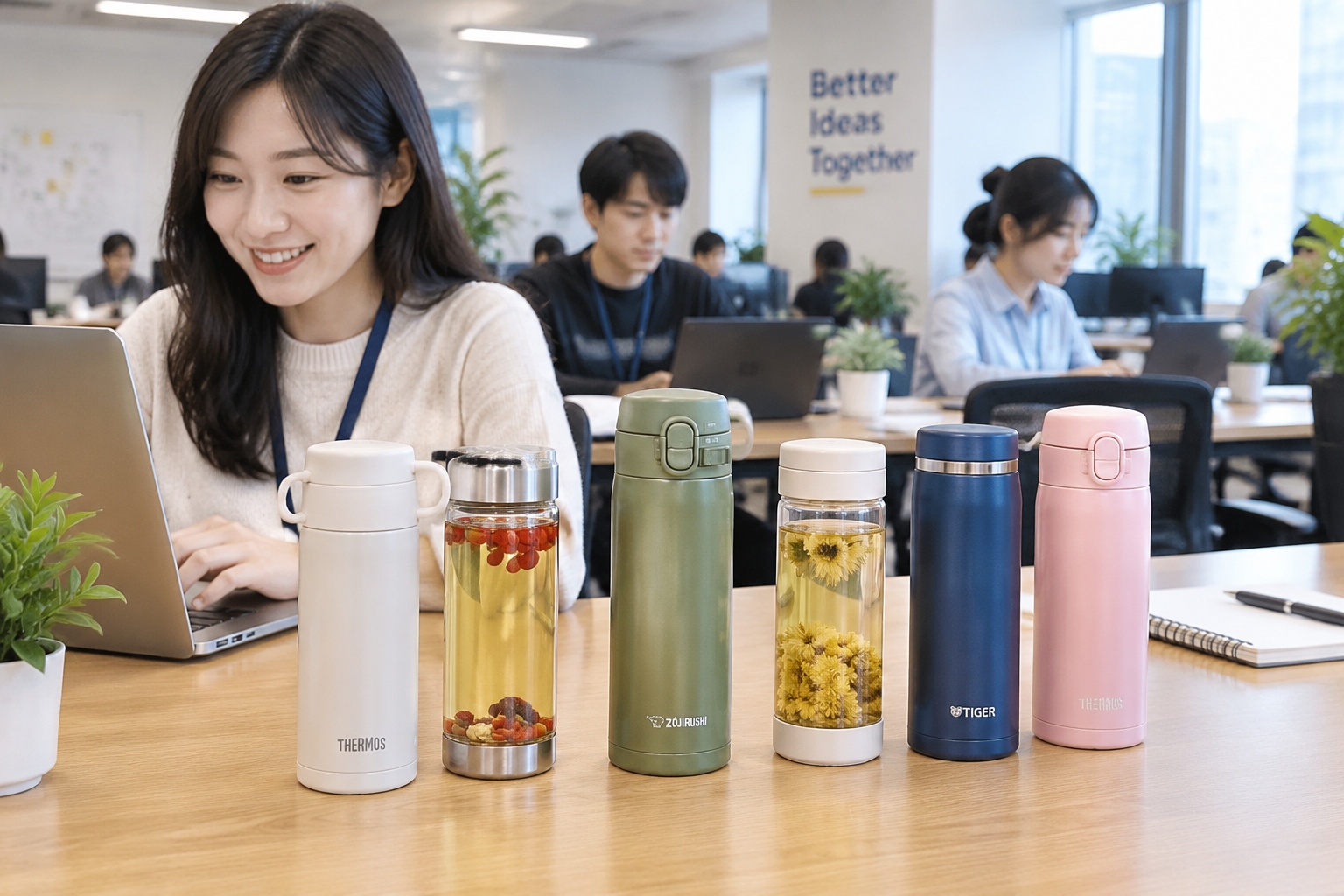
Why Goji Berries? The New Stress Antidote
Goji berries (wolfberries) have been a TCM staple for centuries, believed to nourish the liver and improve eyesight—perfect for screen-staring millennials. But the real appeal goes beyond the berry. “It’s about ritual,” explains Dr. Li, a TCM practitioner in Beijing. “Young people are overwhelmed by algorithm-driven work, 996 culture, and constant notifications. Sipping a warm, slightly sweet tea forces them to pause. It’s a mindful break in a chaotic day.” The trend is backed by data: sales of goji berries on e-commerce platforms like Taobao jumped 40% in the past year, with the biggest buyers aged 25–35. Meanwhile, TCM-style tea shops—where you can get custom blends for “stress relief” or “energy boost”—have popped up in every major city, their queues rivaling bubble tea chains.
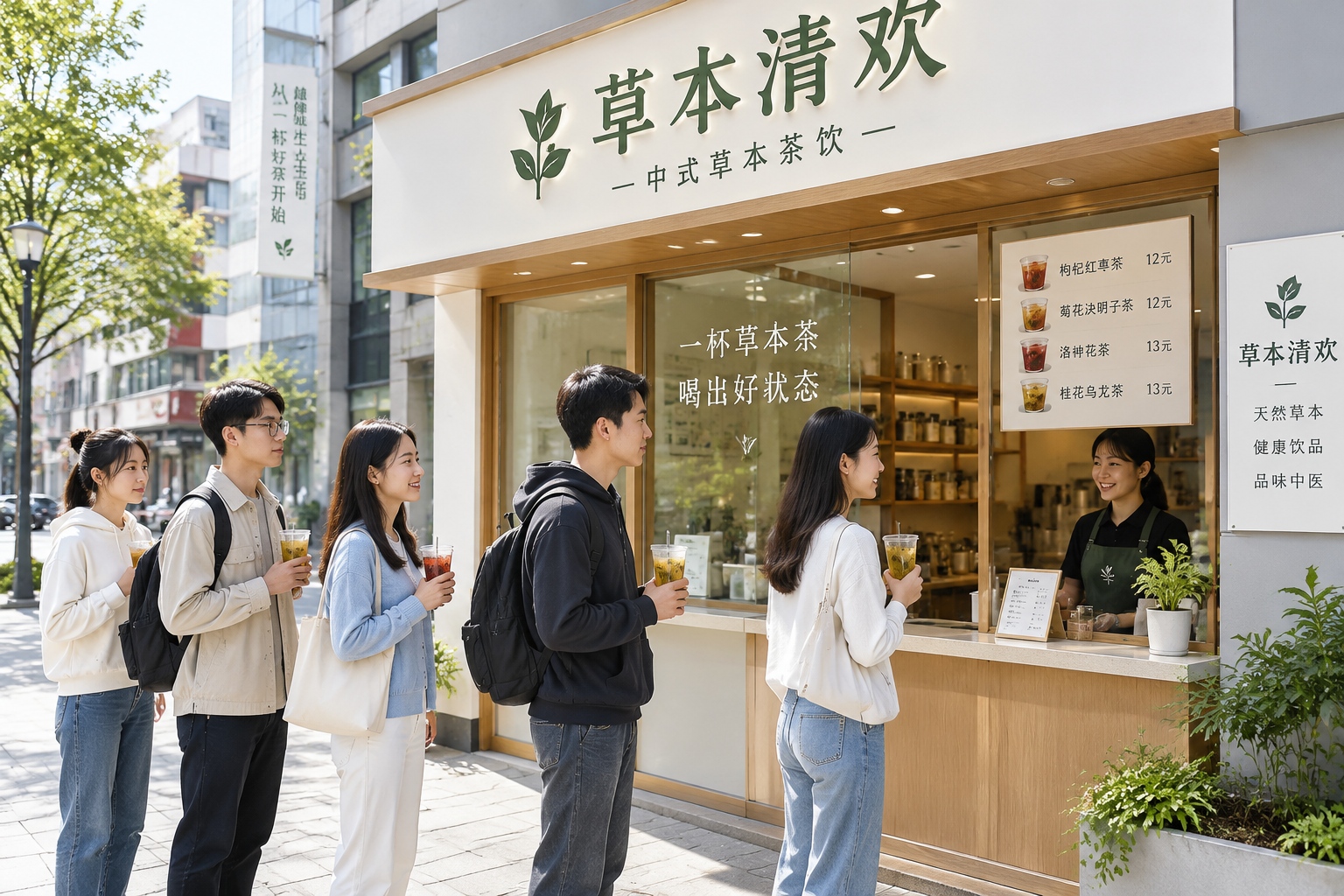
The “Punk Health” Phenomenon: Contradictions and Charm
Chinese netizens have coined a term for this paradoxical behavior: “punk health” (朋克养生). It describes the habit of doing extreme unhealthy things while simultaneously trying to counter them with TCM remedies. Stay up all night gaming? Drink ginseng tea. Binge on spicy hot pot? Sip some honeysuckle to “cool down” your internal fire. Eat a heavy meal of fried chicken? Follow it with hawthorn tea to aid digestion. It’s a hilarious, deeply human response to modern contradictions: we know we shouldn’t, but we do—and we try to fix it the TCM way. Social media is filled with memes: a photo of a cigarette with a goji berry attached to the filter, or a party-goer nursing a glass of baijiu with a side of herbal tea. This self-aware humor makes TCM feel accessible, not preachy.
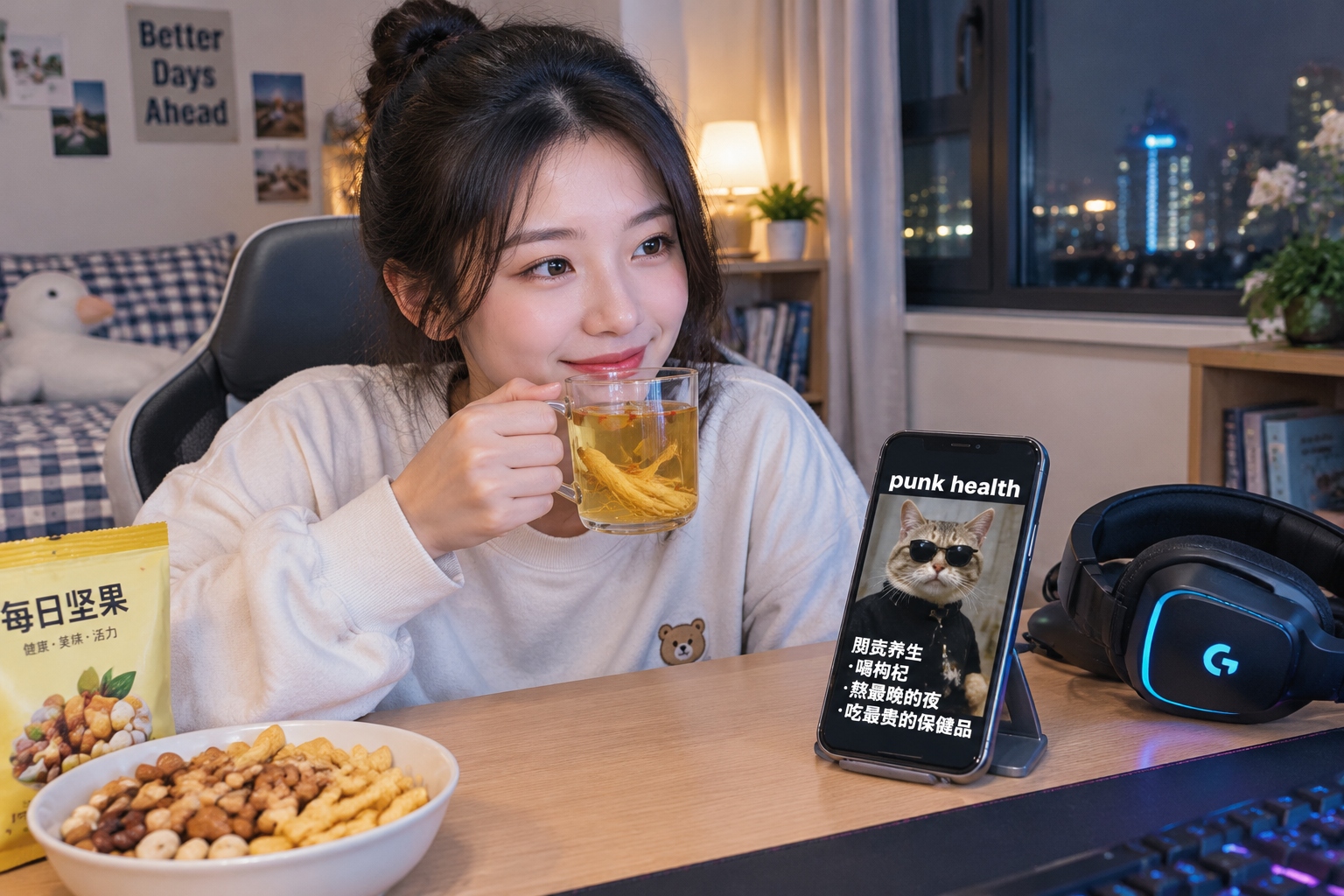
From Acupuncture to Apps: TCM Goes Digital
The TCM revival isn’t just about thermoses. Tech-savvy youth are downloading apps that offer tongue diagnosis, pulse analysis, and personalized herbal recommendations. One popular app calls itself “TCM for Gen Z” and uses AI to match symptoms with ancient formulas. Another startup in Shenzhen creates wearable bands that apply acupressure to your wrist—the modern version of acupuncture points. Even traditional clinics are adapting: many now offer WeChat-based Q&A, online herbal prescriptions, and same-day delivery of medicine. The result? TCM is shedding its image of old men with long beards and becoming a sleek, data-driven wellness tool.
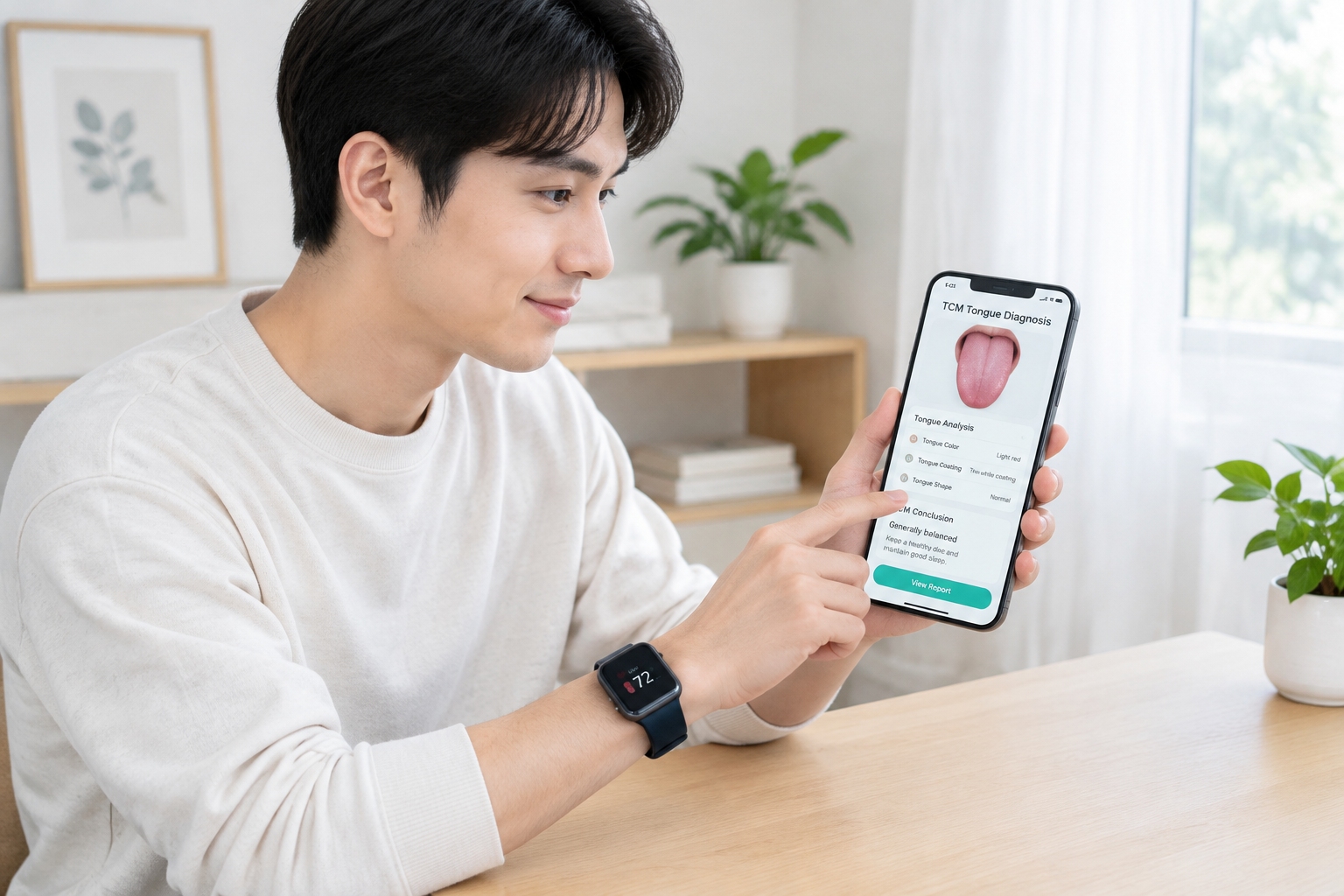
It’s Not Just Tea: A Deeper Shift in Mindset
What’s driving this deep dive into TCM? Broader societal pressures. China’s young workforce faces intense competition, sky-high housing prices, and the infamous “996” work schedule (9 AM to 9 PM, six days a week). Burnout is common. In a 2023 survey by the China Youth Daily, 76% of respondents under 30 reported feeling anxious about their health. TCM offers a narrative that Western medicine sometimes misses: it’s not about treating a disease, but about restoring balance. “When I drink my goji tea, I feel like I’m doing something proactive,” says Xiao Wang. “I can’t control my boss’s demands, but I can control what goes into my body.” This sense of agency is powerful. TCM becomes a personal rebellion against a system that demands constant output—a quiet, warm ritual of self-care.
A Balancing Act: Tradition Meets Modern Chaos
Of course, the trend isn’t without skeptics. Some medical professionals warn that self-prescribing herbs can be risky, especially without proper diagnosis. And there’s a fine line between cultural revival and commercial hype—some “TCM teas” sold on social media contain excessive sugar or dubious ingredients. Yet for most young enthusiasts, the benefits outweigh the risks. They’re not abandoning modern medicine; they’re adding a layer of tradition to their chaotic lives. As one blogger put it: “We’re not trying to become ancient sages. We’re just trying to survive the week without losing our minds.” In a world of burnout, a warm cup of goji berries is a small but meaningful victory.

Start the discussion at forum.chinacomes.com