

Introduction
On a humid morning in Yuxi, a former tobacco machinery technician named Li Wei now adjusts robotic arms in a solar cell factory. The workshop smells of solder, not cured leaves. Li, 42, admits he resisted the change at first, but the new job pays 20% better and offers a future you can plan around. He is part of a quiet worker migration that tells the story of Yunnan’s economic shift.
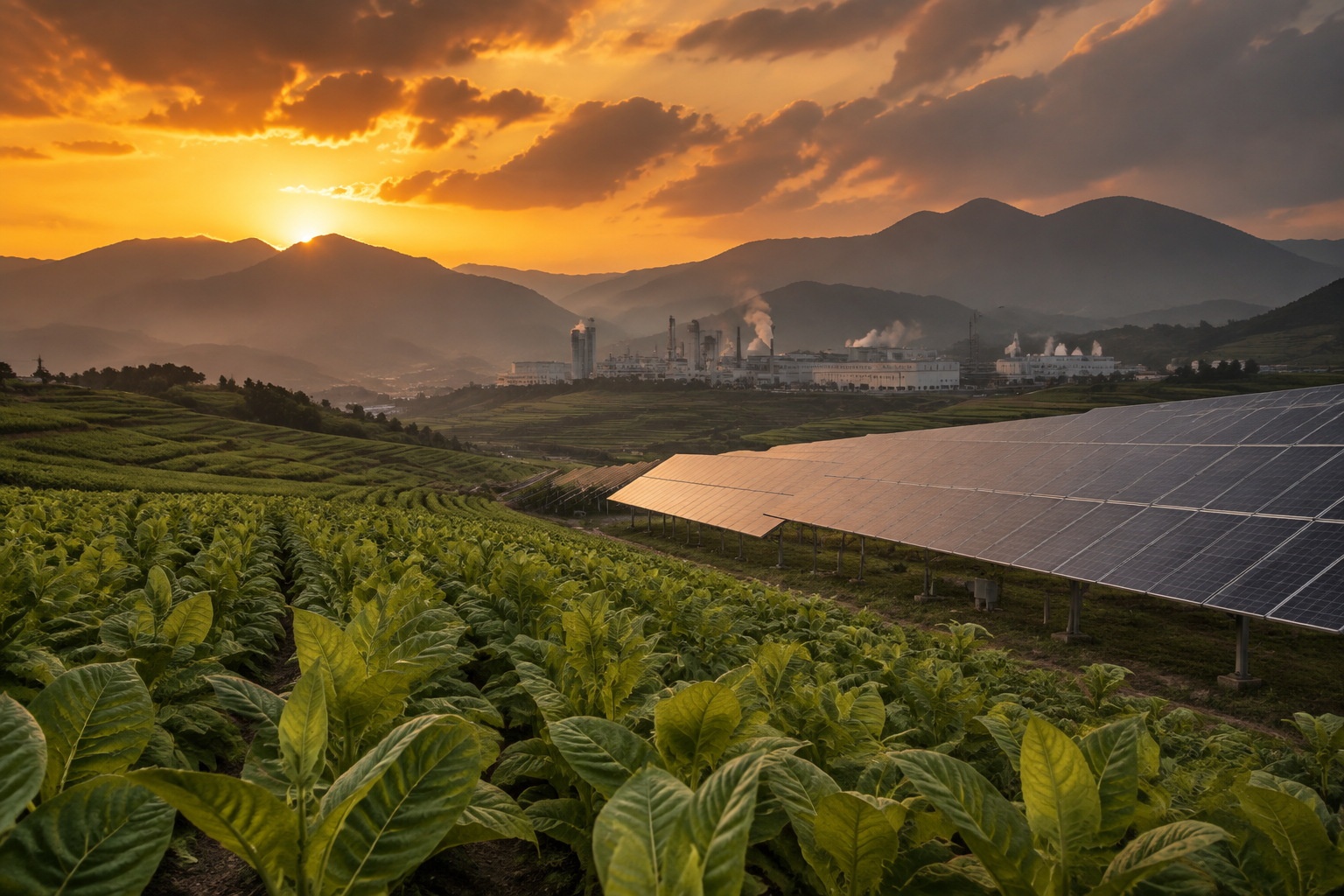
For decades, Yunnan was defined by tobacco. The province in southwest China grows the country’s finest tobacco leaves and hosts Hongta Group, once China’s most profitable industrial company. Tobacco taxes built roads, hospitals, and schools across the region. But the late 2000s brought change. Anti-smoking campaigns, public health rules, and a steady decline in smokers forced the industry to shrink. Now, Yunnan is trying to grow something else.

The Rise and Fall of the Tobacco Empire
Yunnan’s tobacco dominance was never just business. In the mid-1990s, one out of three Chinese cigarettes came from Yunnan. The province controlled 80% of the country’s high-quality tobacco leaf. In Yuxi, the Red Pagoda of Hongta Group loomed over the city as a symbol of industrial might. Employees got free housing, good pensions, and status.
At its peak, tobacco contributed almost 30% of Yunnan’s fiscal revenue, according to the Yunnan Finance Department. That share has now dropped to about 10%, but tobacco remains the province’s largest single taxpayer. The decline follows years of stricter regulations: bans on smoking in public places, higher cigarette taxes, and graphic health warnings. China’s smoking rate has fallen to about 24% among adults, according to a 2023 CDC report, and young people increasingly turn to e-cigarettes.
The sector still employs about one million people directly and indirectly in Yunnan, but many jobs are low-margin and seasonal. Plantation workers and factory operators feel the squeeze first, and they are the ones walking into new factories, hoping manual skills transfer.
New Pillars: Green Energy and Materials
Yunnan may lack oil, but it has water and sun. The province sits on major rivers like the Lancang and Jinsha, which feed some of the world’s largest hydropower stations. Hydropower made up 70% of Yunnan’s electricity in 2022, making its grid one of China’s cleanest. Power prices can drop below 0.35 yuan (US$0.05) per kilowatt-hour, a magnet for energy-hungry industry.
So came the silicon makers. Qujing, a former coal-and-machinery city, now hosts a LONGi base producing photovoltaic cells. In Baoshan, Tongwei and other companies convert quartz into solar-grade silicon. By 2023, Yunnan produced nearly one-third of China’s polysilicon, a key solar-panel raw material, according to the Yunnan Energy Administration. The province is also building a green aluminum sector, using cheap hydro to smelt bauxite into high-purity metal for EV batteries and bodies.
The provincial government calls this policy “green energy big factories.” It links industrial permits to renewable power use, turning a geographic disadvantage into an industrial advantage.
Agriculture, but Not as You Know It
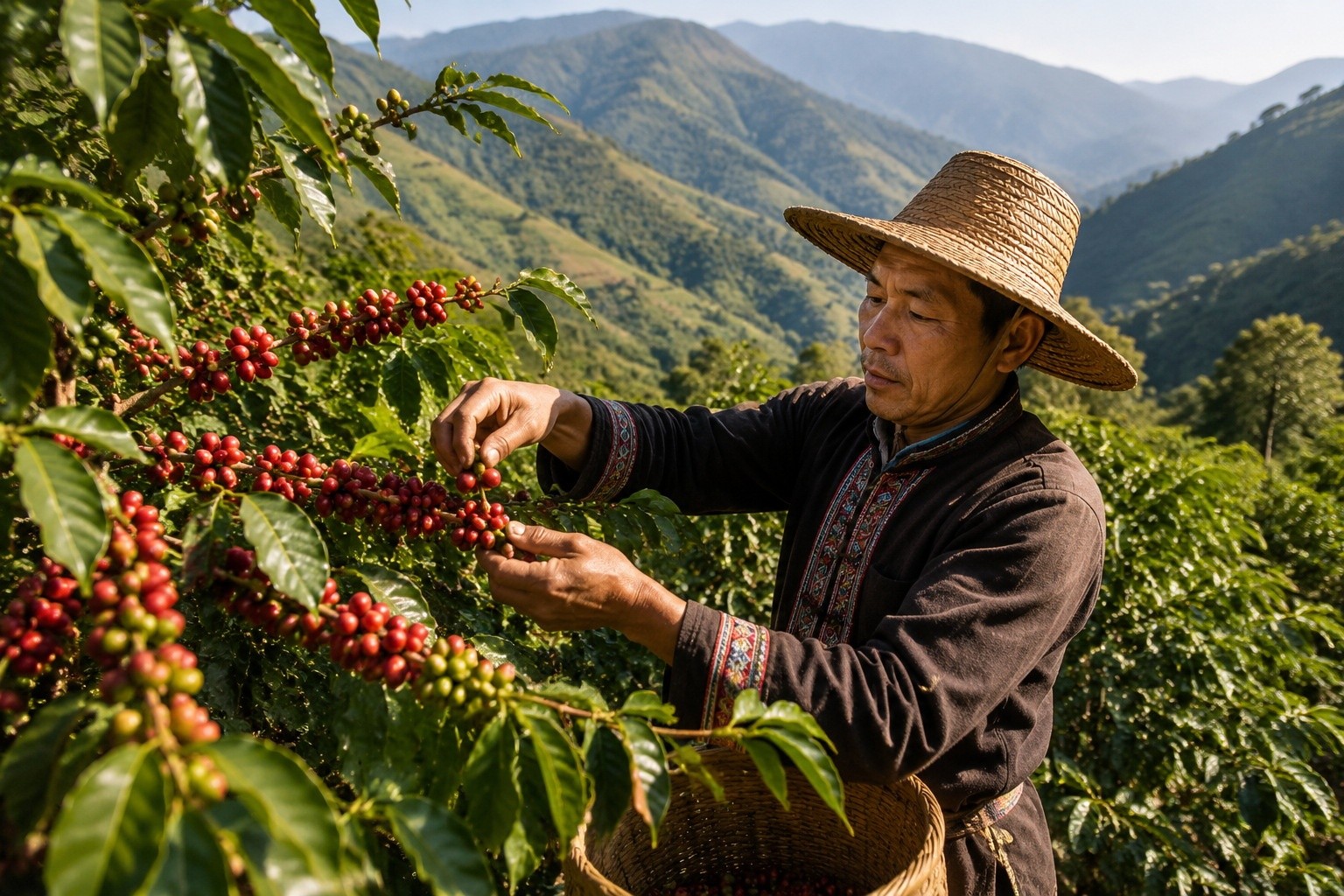
The countryside is changing too. Coffee is a prime example. Yunnan grows 98% of China’s coffee beans, but for decades farmers sold raw beans to traders for pennies. Specialty coffee shops in Kunming now source directly from farmers, and international brands like Nespresso have set up buying programs. In Pu’er, some farmers replaced tobacco fields with coffee and tea, boosting household income by 30–50%.
Floriculture is another bright spot. Kunming’s Dounan Flower Market moves over 2 billion stems a year, the largest in Asia. Buyers from India, Thailand, and Australia haggle for roses, lilies, and carnations each morning. Moving from tobacco to flowers cuts crop cycles and reduces government management, but it also brings weather risk and price swings.
The Digital Layer
Beneath the physical economy, a digital transformation hums. Yunnan’s cool climate and cheap land attract data centers. Alibaba, Tencent, and China Telecom run server farms powered by hydropower. These centers support China’s “east data, west computing” strategy, shifting heavy processing west to clean energy.

For ordinary people, digital services are everywhere. Kunming has the usual ride-hailing and food delivery, while rural farmers use smartphone apps to check soil moisture and coffee prices. The government estimates the digital economy now accounts for about 15% of Yunnan’s GDP.
What Still Needs Work
It would be wrong to call this transition smooth. Tobacco still provides a million direct and indirect jobs, and older workers often lack the skills for silicon plants. Reskilling programs exist but are uneven. Regional gaps are stark: Kunming and Qujing thrive, while remote mountain counties still rely on subsistence farming and out-migration.
There are environmental costs, too. Polysilicon production is energy-hungry, and battery-materials mining can scar the land. Local groups have flagged water use at crystal plants. The government says renewable energy offsets these impacts, but a full life-cycle review is needed.
Looking Ahead
Yunnan’s story is not a sudden leap from tobacco to tech, but a steady replacement of one pillar with several smaller ones. The province leverages its natural strengths—water, sunlight, land—to attract clean-energy industries. For worker Li Wei, the change is personal. He never planned to leave tobacco, but now he checks circuit boards and thinks, “This is also Yunnan.”
The path requires more reskilling, less dependence on commodity prices, and stricter environmental oversight. But the direction is clear. Yunnan is learning to live without its “tobacco king.”
Start the discussion at forum.chinacomes.com