

A Small Box, a Big Thrill
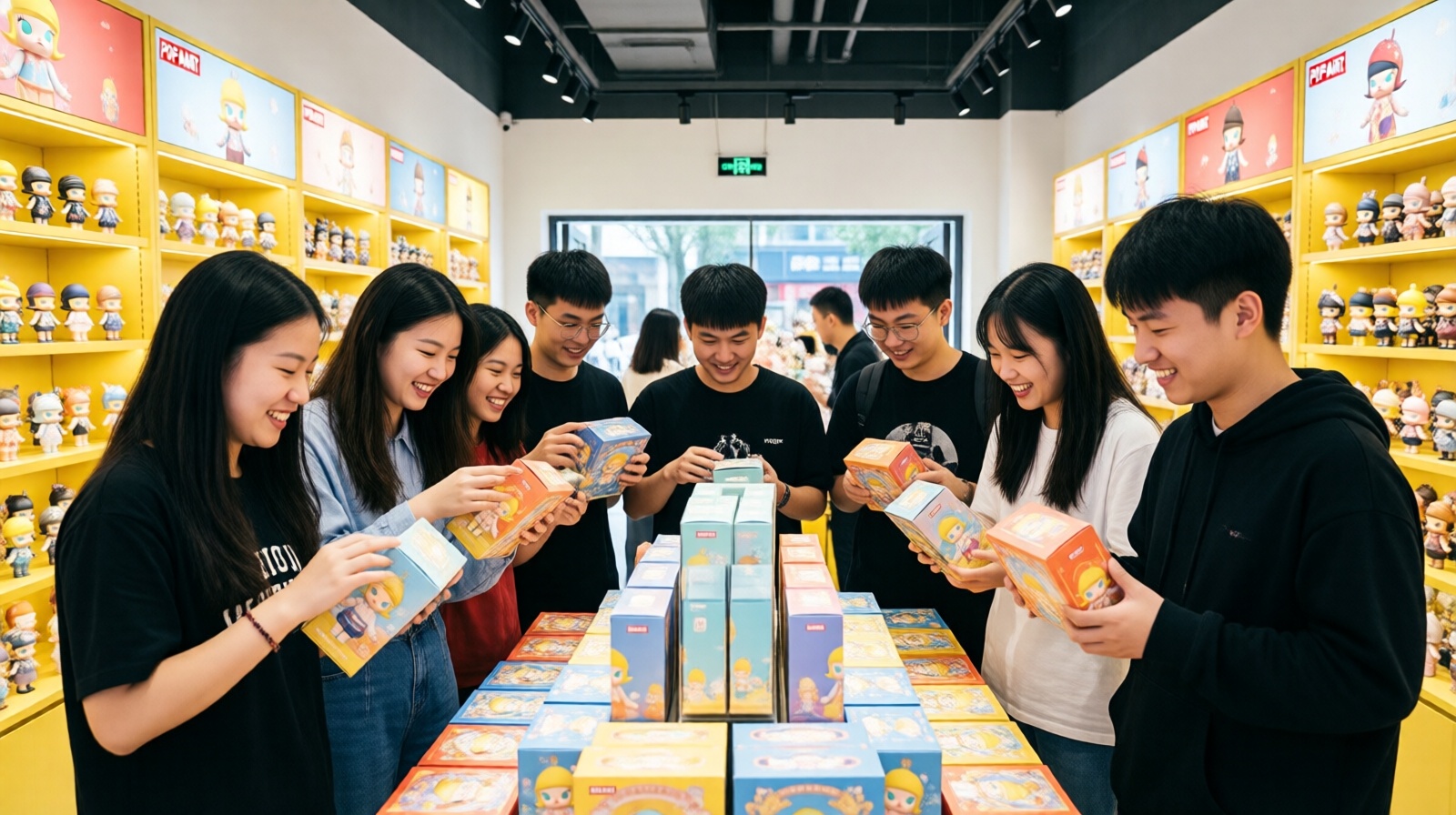
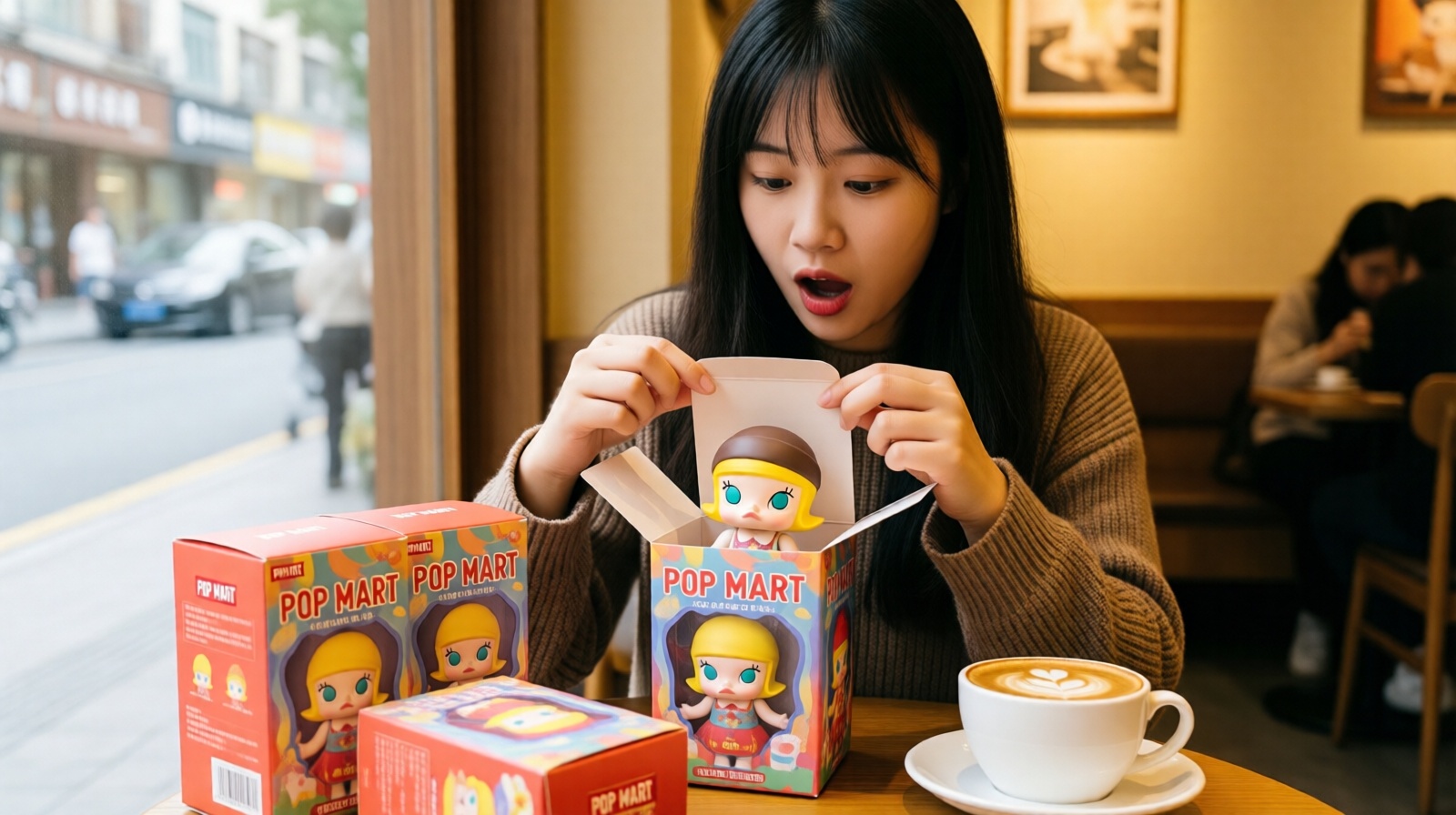
On a Friday evening in Shanghai, 19-year-old college student Li Wei walks into a pop mart store near People’s Square. She doesn’t come for a handbag or a pair of sneakers. She heads straight to a wall of colorful blind boxes—small sealed packages containing a random figurine from a series. She picks one, pays 59 yuan (about $8), and tears it open right there. Inside is a rare “Molly” figure, and she lets out a happy shriek. For Li Wei and millions of Chinese Gen Zers, this is the new luxury: the thrill of surprise, the joy of collecting, and a sense of belonging to a community of fans.
This scene is repeated countless times across China every day. Blind boxes, or “manghe,” are not a passing fad—they are a cultural and economic phenomenon. In 2023, the Chinese blind box market was valued at over 15 billion yuan (about $2.1 billion). The leading brand, Pop Mart, has become a household name among young people, with over 300 stores nationwide and dozens of vending machines in malls and subway stations. The products are not just toys; they are emotional anchors, conversation starters, and even investment items. Rare figurines can sell for hundreds or even thousands of yuan on secondary markets.
From Physical to Digital: The Rise of Digital Collectibles
But the generation born after 2000 doesn’t stop at physical objects. In 2021, a new trend emerged: digital collectibles, or “shuzi cangpin”—China’s version of NFTs (non-fungible tokens), but with local characteristics. Unlike the speculative frenzy of global NFTs, China’s digital collectibles are more regulated and focus on art, culture, and brand engagement. Major platforms like Alipay, Tencent, and JD.com have launched their own digital collectible marketplaces, selling limited-edition digital artworks, themed badges, and virtual items tied to popular IPs.
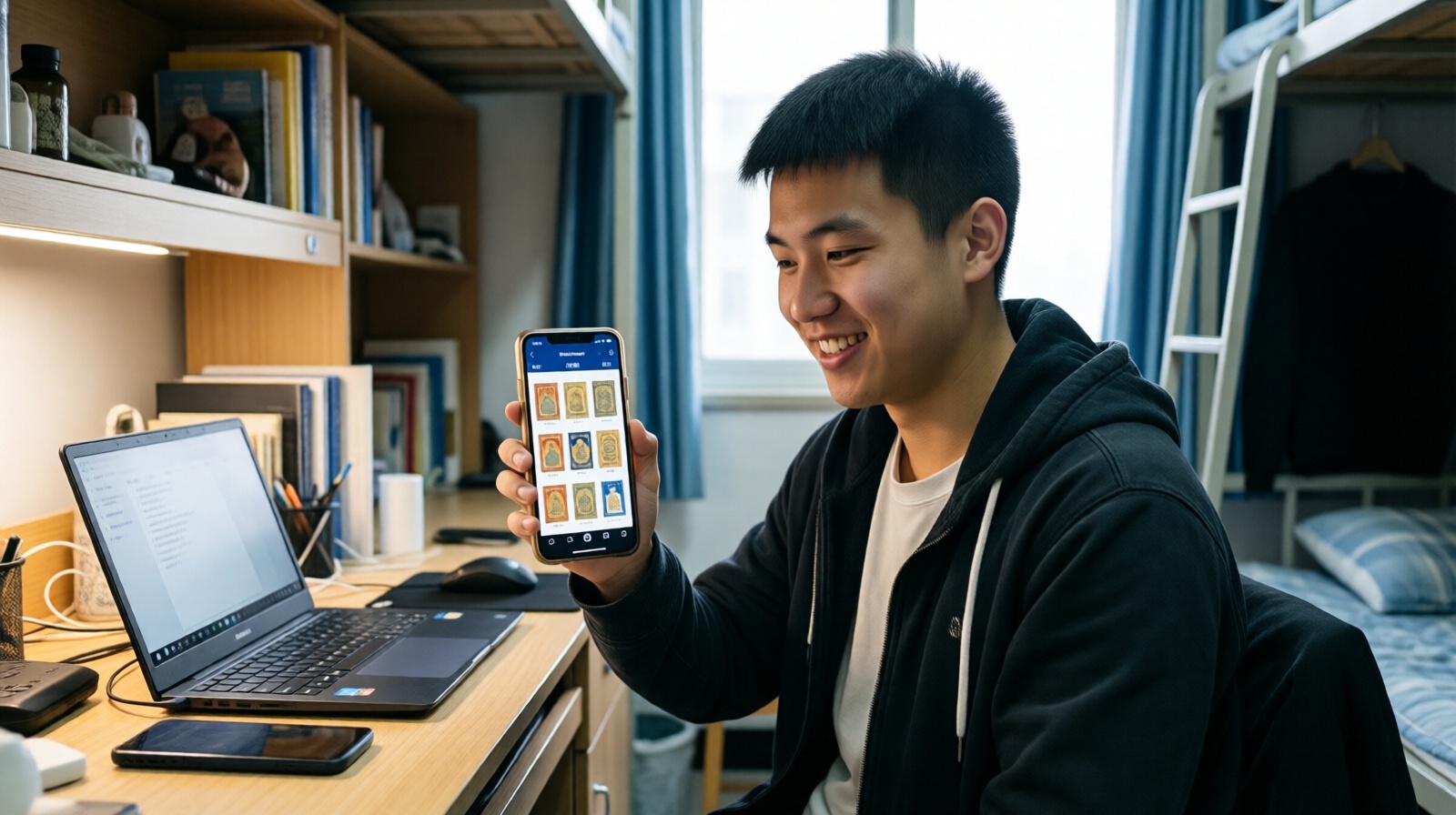
Take 22-year-old Zhang Hao from Beijing, a computer science major who spends a portion of his monthly allowance on digital collectibles. He owns a set of digital stamps from the Palace Museum and a limited-edition virtual sneaker from a Chinese sportswear brand. For him, these items are not just files—they are a form of self-expression and identity. “When I show my digital collection on my social media profile, it’s like wearing a special outfit,” he says. “It shows I’m part of a certain culture, that I appreciate art and tech.”
Why Gen Z Spends Differently
To understand this shift, you have to look at the economic and social context of China’s Gen Z. They are the first generation born into relative affluence, with parents who experienced China’s rapid growth. They are digital natives, spending an average of over 6 hours per day on their phones. They value experiences over possessions, and they seek emotional resonance in what they buy. A luxury handbag may signal status, but a blind box or a digital collectible signals a shared passion, a story, or a moment of joy.
Moreover, these products are affordable and accessible. A blind box costs about the same as a movie ticket. A digital collectible can be as cheap as 10 yuan ($1.40). This allows young people to indulge in “lipstick effect” spending—small treats that bring happiness without breaking the bank. They also offer a sense of community: collectors trade, show off their hauls, and discuss rare finds on social platforms like Xiaohongshu (Little Red Book) and Douyin (TikTok).
The Role of Gamification and Uncertainty
The psychology behind blind boxes and digital collectibles is similar to that of loot boxes in video games. The uncertainty of what you get triggers dopamine release, making the purchase addictive. Brands have mastered this by creating rare items that have a low probability of being pulled, encouraging repeat purchases. Digital collectibles add another layer: the excitement of a “drop”—a limited release that sells out in minutes. Zhang Hao recalls waiting online for a digital art piece by a famous Chinese illustrator, which sold out in 3 seconds. “It felt like winning a lottery,” he says.
Not Without Criticism
This consumption pattern has its detractors. Critics argue that blind boxes encourage gambling-like behavior in minors, and some schools have banned them. The government has also stepped in: in 2022, regulations were introduced to require blind box companies to disclose the probability of obtaining each item, to prevent exploitation. Digital collectibles, too, have faced scrutiny over potential speculation, though the market is now more tightly regulated, with bans on cross-platform trading to curb financial risks.
A Window into a Generation
Whatever the controversy, the rise of blind boxes and digital collectibles reveals something important about China’s Gen Z. They are a generation that finds uniqueness and meaning not in traditional luxury, but in small, accessible, and shareable items. They are reshaping the consumer landscape, forcing brands to think differently about value. And they are creating a culture where joy is measured not by the price tag, but by the surprise, the rarity, and the connection it brings.
As Li Wei says, clutching her new Molly figure, “I don’t need a big bag of happiness. A tiny one is enough—as long as it’s a surprise.”
Start the discussion at forum.chinacomes.com