

The Dinner Table That Changed Everything
On a humid evening in Nanjing, I watched my friend Li Wei sit back and let her 8-year-old son, Duan, order his own dinner at a crowded noodle shop. He chose a bowl of spicy beef noodles, loaded with chili oil. Li Wei’s mother, sitting beside us, raised an eyebrow. A few years ago, Li Wei would have vetoed that instantly, replacing it with a gentle vegetable soup and a lecture on nutrition. Now she simply smiled and ordered a side of cucumber.
That small scene is a telling window into a bigger shift in Chinese parenting. Li Wei is one of a growing number of Chinese mothers who are stepping away from an intense, pressure-cooker style of raising kids known in Chinese as “ji wa” (鸡娃). The term literally means “chicken baby” and refers to the practice of cramming children with academic lessons, music classes, sports drills, and extra homework – much like stuffing a chicken to fatten it quickly.
For years, Li Wei was a textbook “ji wa” mom. But today, she’s learning to let go. Her transformation is not an isolated story. It reflects a quiet revolution in how many urban Chinese families think about childhood, success, and happiness.
What Is a ‘Ji Wa’ Mom?
If you’ve heard of Amy Chua’s “Tiger Mom,” you already have a rough idea. But “ji wa” parenting is more pervasive in mainland China than the memoir of one strict Chinese-American mother. It’s a strategy adopted by millions of middle-class families who see education as the only reliable ladder to a good life. Children as young as three attend English immersion classes, math olympiad coaching, and piano lessons. By age six, many have schedules packed from early morning to late evening, with little time for free play.
This culture is rooted in the gaokao, the infamous national college entrance exam, which takes place over two days each June and determines which university a student can attend. Since university ranking can shape a person’s entire career, the competition starts early. Parents often sacrifice their own leisure, and sometimes their child’s health, to prepare their little ones for this all-important race.
The term “ji wa” captures this intensity. In Chinese slang, “da ji xue” (打鸡血) means to get an injection of chicken blood – a metaphor for getting excited and energized. So to “ji wa” is to keep your child injected with study fervor. It’s not affectionate; it’s an admission of parental anxiety.
From Schedules to Serendipity: How One Mother Changed Course
Li Wei was a devoted “ji wa” mom for four years. When her son was three, she enrolled him in phonics classes. Then came piano, abacus math, and a weekly nature walk class for “science exposure.” On weekends, her car was a shuttle between tutoring centers. She kept a laminated weekly schedule on the fridge with slots for every half hour.
But something cracked. At age seven, Duan started getting stomachaches every Sunday night. His pediatrician asked Li Wei if there was stress at school. Not long after, she noticed Duan was pulling out his own hair when he did homework. She took a photo of his homework desk and showed it to me: it was neat, but there were tiny piles of hair on the floor.
Then came an unexpected external nudge. In July 2021, Beijing enacted the “double reduction” policy, which banned for-profit tutoring in core school subjects. Li Wei’s favorite math and English centers shut down within months. She panicked at first. “I felt like my entire plan was falling apart,” she told me. But as she watched other parents in her social networking groups struggle, she began to question the plan itself.
She started reading about free-range parenting, Finnish schools, and the “purpose of education.” She also had honest conversations with her son, who admitted he was terrified of disappointing her. Li Wei gradually dismantled the schedule. Now Duan has time to build LEGO sets, join his school’s soccer club, and, crucially, play without a purpose.
Food as a Litmus Test: What a Meal Reveals About Parenting
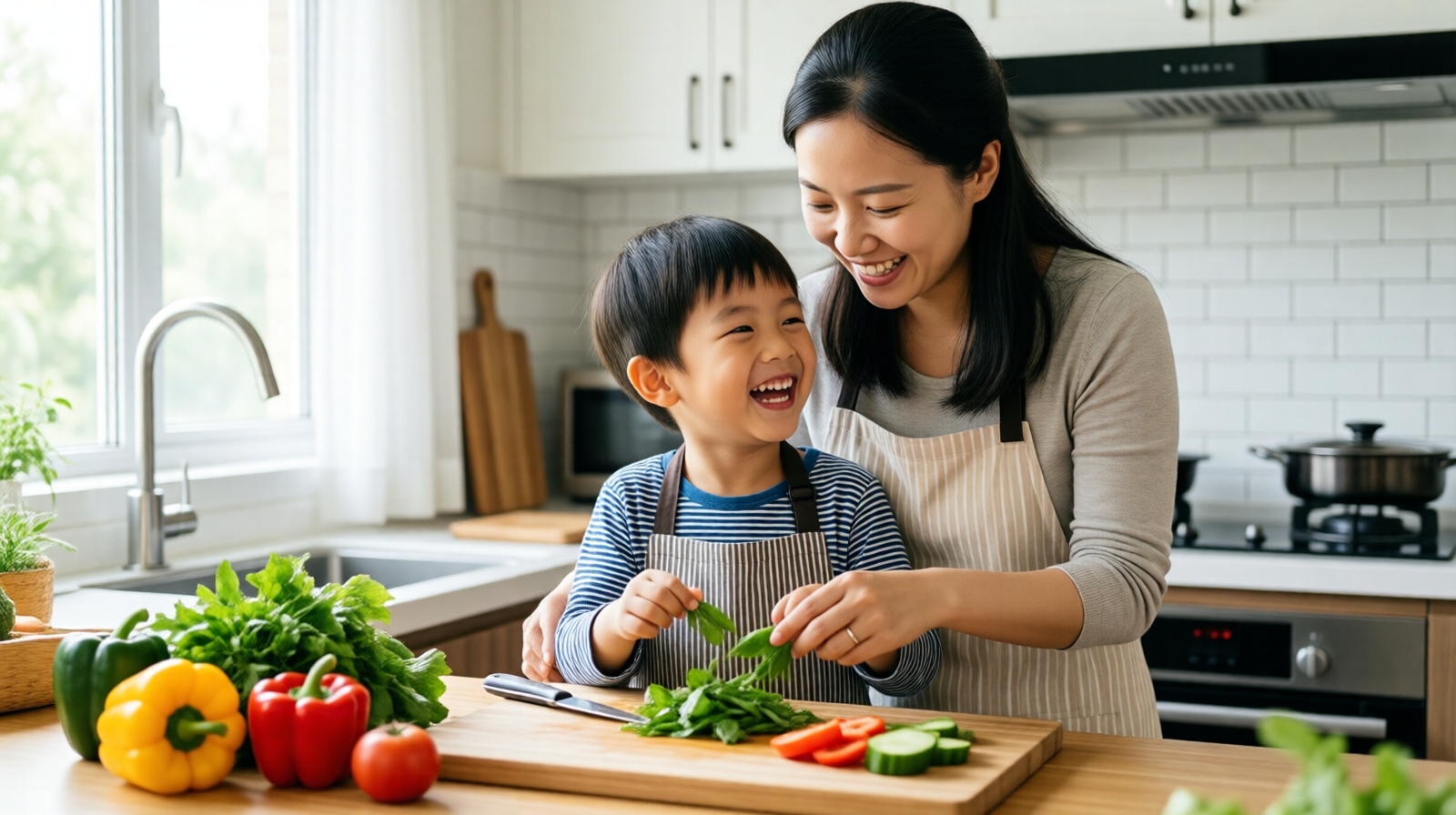
The most visible marker of her change is at the dining table. Food has always been a mother’s love language in China. For a “ji wa” mom, nutrition is just another performance metric. Li Wei used to pack exact portions of blueberries, walnuts, and greens – all selected for brain development. Snacks were strictly limited. Now she and Duan go to the wet market together on Saturday mornings. He picks out okra and crab, whatever catches his eye. They cook simple dishes together, and she lets him accidentally sprinkle too much salt.
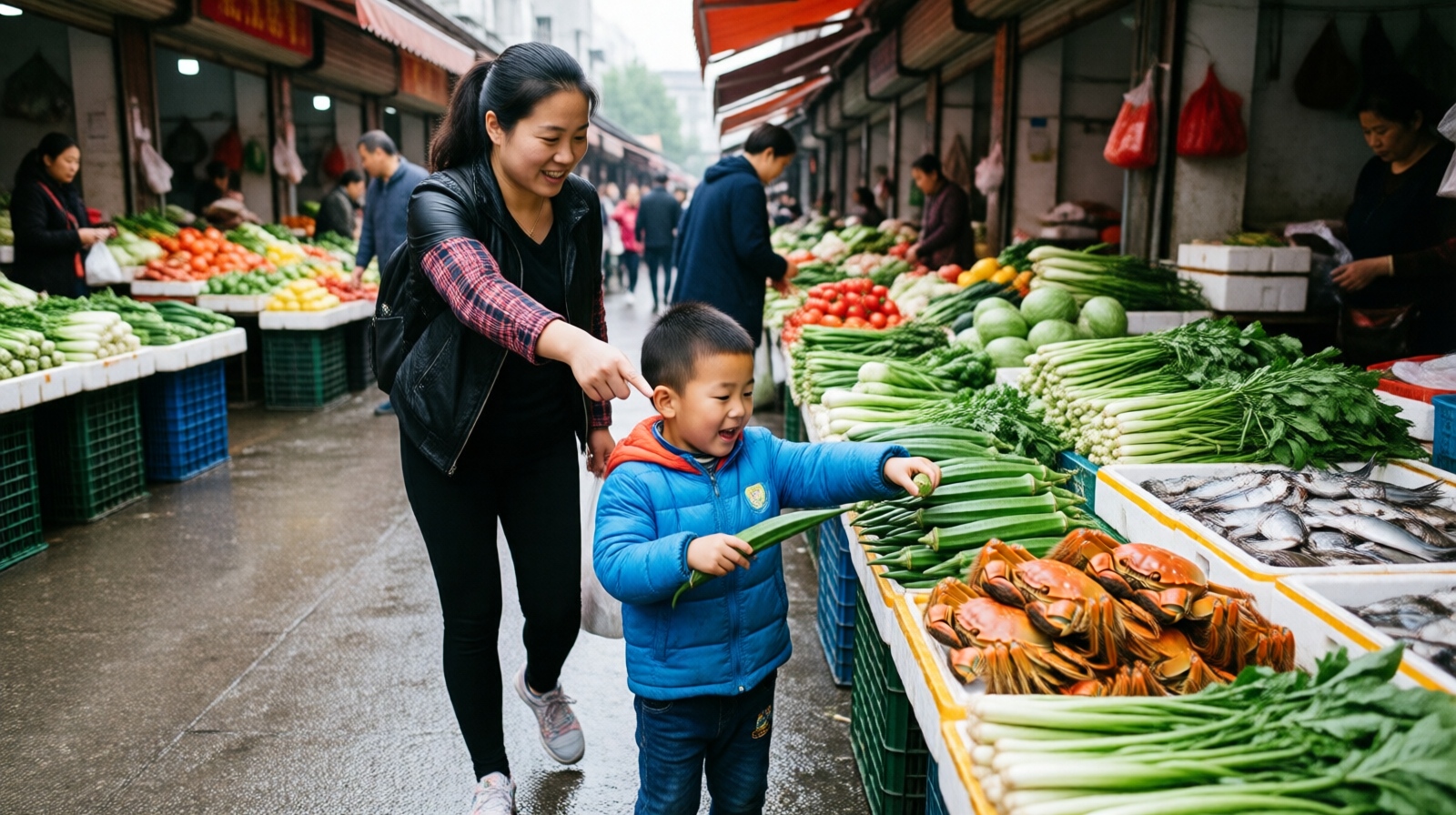
Last month, Duan announced he wanted to make the family dinner all by himself. He made egg-fried tomatoes, a simple comfort food, but he served it with pride. Li Wei’s own mother was scandalized: “A boy in the kitchen? What’s next?” But Li Wei sees it as a small victory. “If he can choose his own food, he can choose his own path,” she says.
This shift from controlling every mouthful to trusting a child’s taste is a microcosm of a larger parental reevaluation. In many Chinese families, food is where control first shows up: how much to eat, when to eat, and what is “good for you.” Loosening that grip is unnerving, especially when grandparents and neighbors judge your every move.
Beyond the ‘Tiger’: Why Chinese and Western Parenting Differ
To Western eyes, a Chinese mother letting her son cook might seem like a minor thing. But to understand why it matters, you have to understand the default parenting script in China. The script is written by history: centuries of Confucian emphasis on education and family honor, a brutal competitive exam system, and the one-child policy, which concentrated all of a family’s hopes and resources on a single child. Western parents may worry about their child’s “self-esteem,” but Chinese parents often worry about “losing face” if their child fails.
This is not an either-or situation. The West has its own helicopter parents and competitive “school-run moms.” But the cultural frameworks differ. In many Western contexts, independence is prioritized early, and failure is often seen as a learning opportunity. In China, the stakes feel higher: the gaokao is a single, unforgiving moment that can determine whether you end up in a big city with a good job or in a smaller town with fewer options. So parents become guardians of their children’s futures, and the line between caring and controlling blurs.
The good news, as Li Wei’s story shows, is that this is changing. The forces driving the change are not just personal epiphanies. There are also structural shifts: the double reduction policy forced a national conversation about the costs of intensive tutoring. The rise of social media exposes parents to diverse parenting philosophies from around the world. And a younger generation of urban parents, who themselves grew up in the pressure cooker, want a different childhood for their own kids.
The New Landscape: A Diversity of Parenting Styles
Today, Chinese cities are seeing a visible plurality of parenting approaches. Alongside the still-present “ji wa” mothers, you’ll find “Buddha-style” parents (佛系家长) who say “whatever will be, will be” and let their kids play video games. There are also “free-range” parents (散养派) who take their kids to the park for entire afternoons, or even let them walk to school alone – something that would have made a 2010 mother panic.
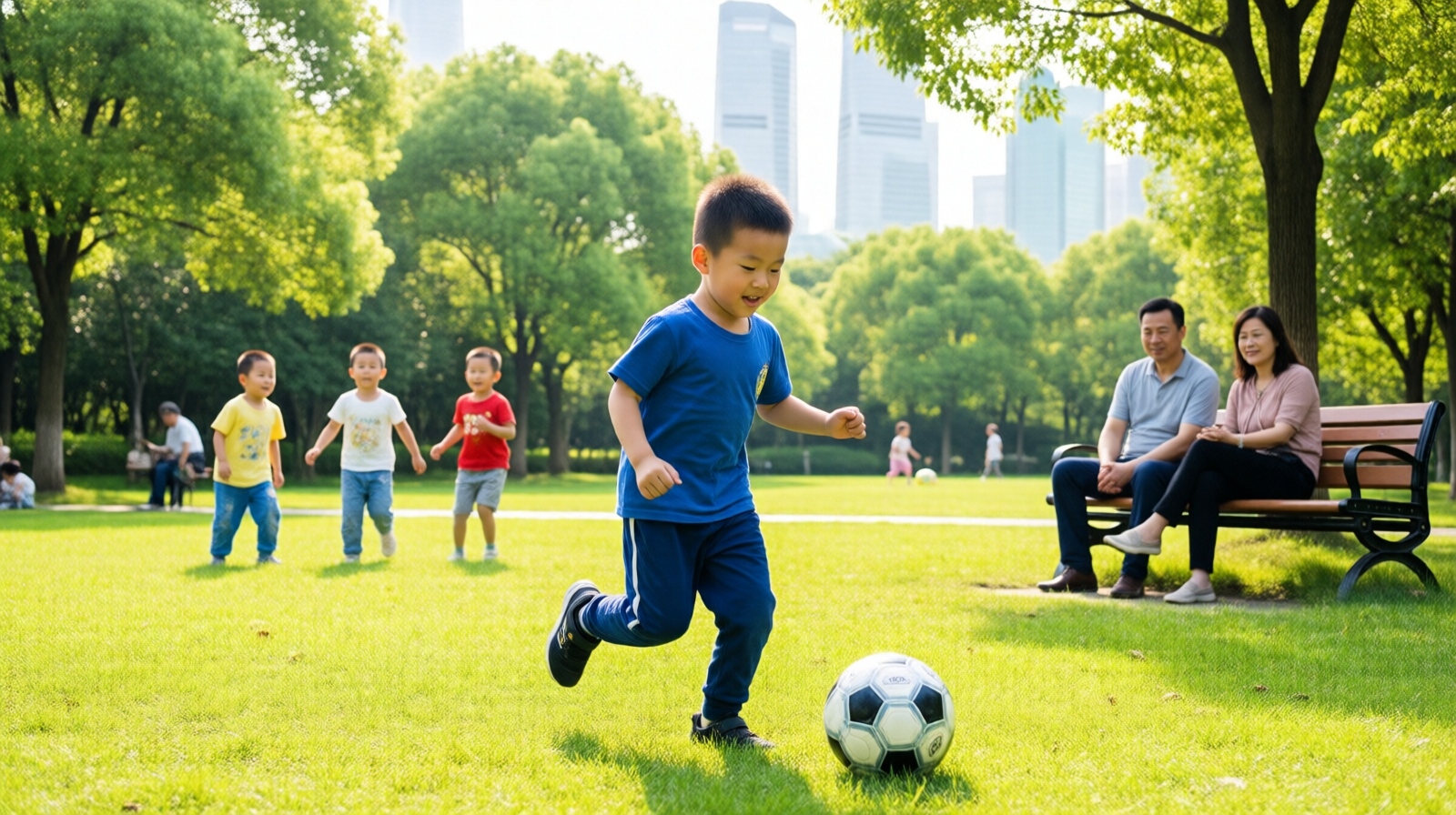
Public spaces are catching up. Many cities have expanded playgrounds and parklands. Community centers host family cooking classes. Schools are under pressure to reduce homework hours, and a 2023 survey by a Chinese education group found that more than 70% of parents now support a more balanced life for their children, though they still worry about grades.
Li Wei hasn’t become a full free-range parent. She still carefully chooses Duan’s school, and she limits screen time more than some. But she has crossed a psychological line. “I use to think my job was to make his future perfect,” she says. “Now I realize my job is to let him find his own flavor.” She laughs at the pun, but it’s an apt metaphor for a generation of Chinese mothers trying to serve up a childhood that’s not just nutritious, but also delicious.
Conclusion: What This Story Tells Us About China Today
Li Wei’s shift is not a complete break from tradition. She still cares deeply about grades, and she will not hesitate to hire a tutor if Duan ever falls behind in a subject. But her journey – from rigid scheduling to spontaneous dinners, from overcontrolled meals to a child who cooks with confidence – shows that Chinese parenthood is not a monolith. It is a living, evolving practice, full of contradictions and improvisations.
If you meet a Chinese mother today, you’ll likely find a bit of herself in each role: a tiger on some days, a free-range chicken on others. The real story is not about which style wins; it’s about more families daring to ask, “What does my child actually need?” And for Li Wei, the answer often lies in the kitchen, where her son now makes his own simple dishes and proudly serves them. The food changes, but the love remains.
Start the discussion at forum.chinacomes.com