

A store closes, a classroom opens
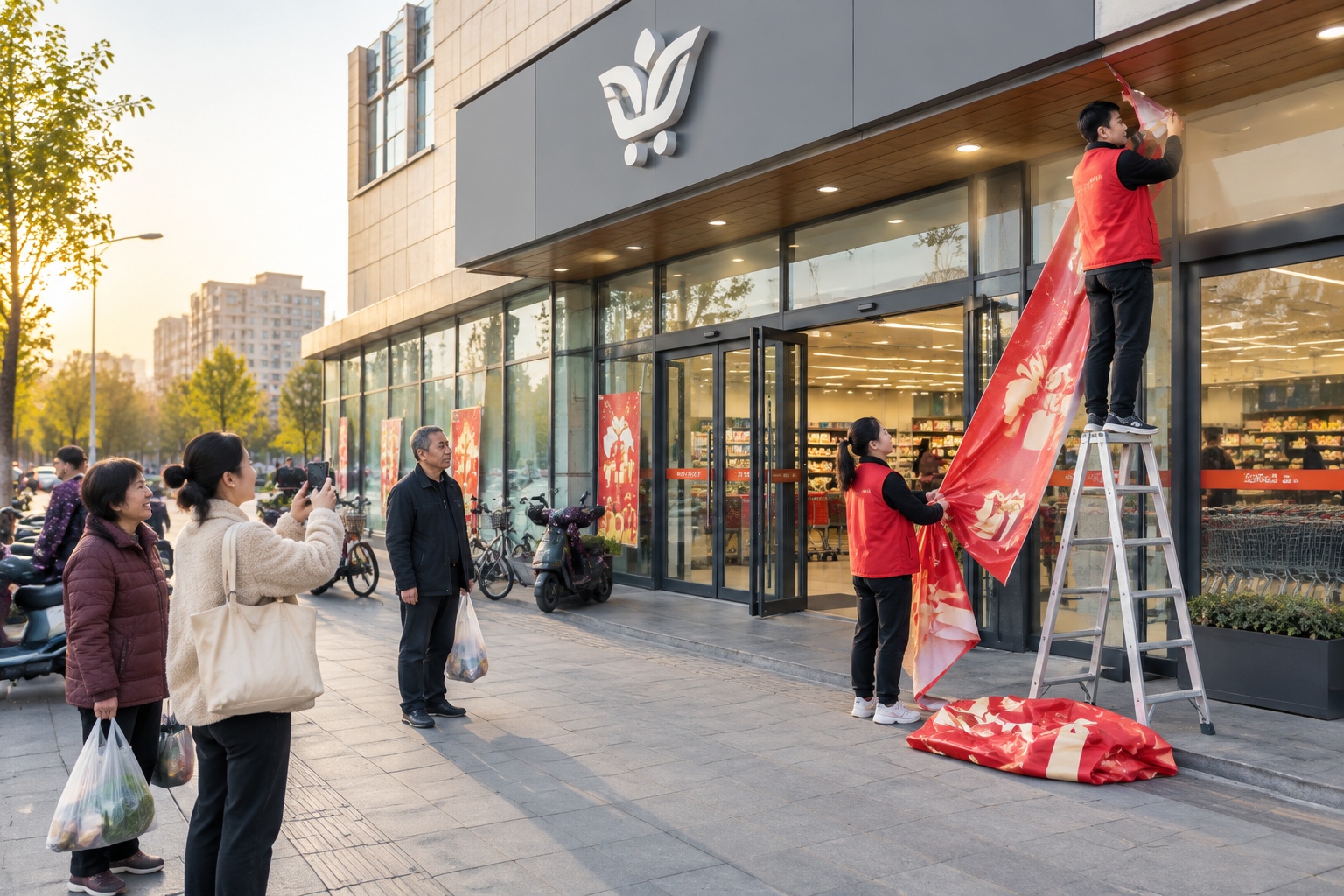
On a muggy morning in Xuchang, a city in central China’s Henan province, the shutters of a Pangdonglai supermarket came down for the last time. Employees in red vests folded banners. A few customers stood outside, taking photos of the empty entrance. The store had reportedly sold more than 1 billion yuan—about $140 million—worth of goods a year. In Chinese retail, closing a store like that is not a normal business decision. It is a statement.

Across town, in another Pangdonglai building, a different kind of scene was starting. A group of new hires sat at long tables with notebooks. They were not called employees yet. They were called xueyuan—students. Before they touch a cash register or stock a shelf, they go through a training period. Only after passing an assessment do they sign a formal labor contract. The two moves—closing a profitable store and turning new hires into students—look separate. They are part of the same experiment.
What is Pangdonglai, and why does a closing store matter?
If you ask a Chinese shopper about Pangdonglai, you may get a story about free umbrellas, a staff member walking an elderly customer home, or a return policy so generous it feels suspicious. The chain was founded in 1995 by Yu Donglai in Xuchang. It operates about a dozen stores in Xuchang and Xinxiang, two cities in Henan. It is not a national giant like Walmart or Yonghui. But its reputation is outsized.
Publicly reported figures put Pangdonglai’s 2024 sales at 16.98 billion yuan, or about $2.3 billion. That is a lot for a regional chain. It has become a case study for Chinese retailers who want to know why customers travel from other provinces to shop in a supermarket. In 2023 and 2024, Pangdonglai teams helped reform other supermarket chains, including Yonghui and Bubugao. Managers from across China have visited Xuchang to study its aisles, its staff smiles, and its return counters.
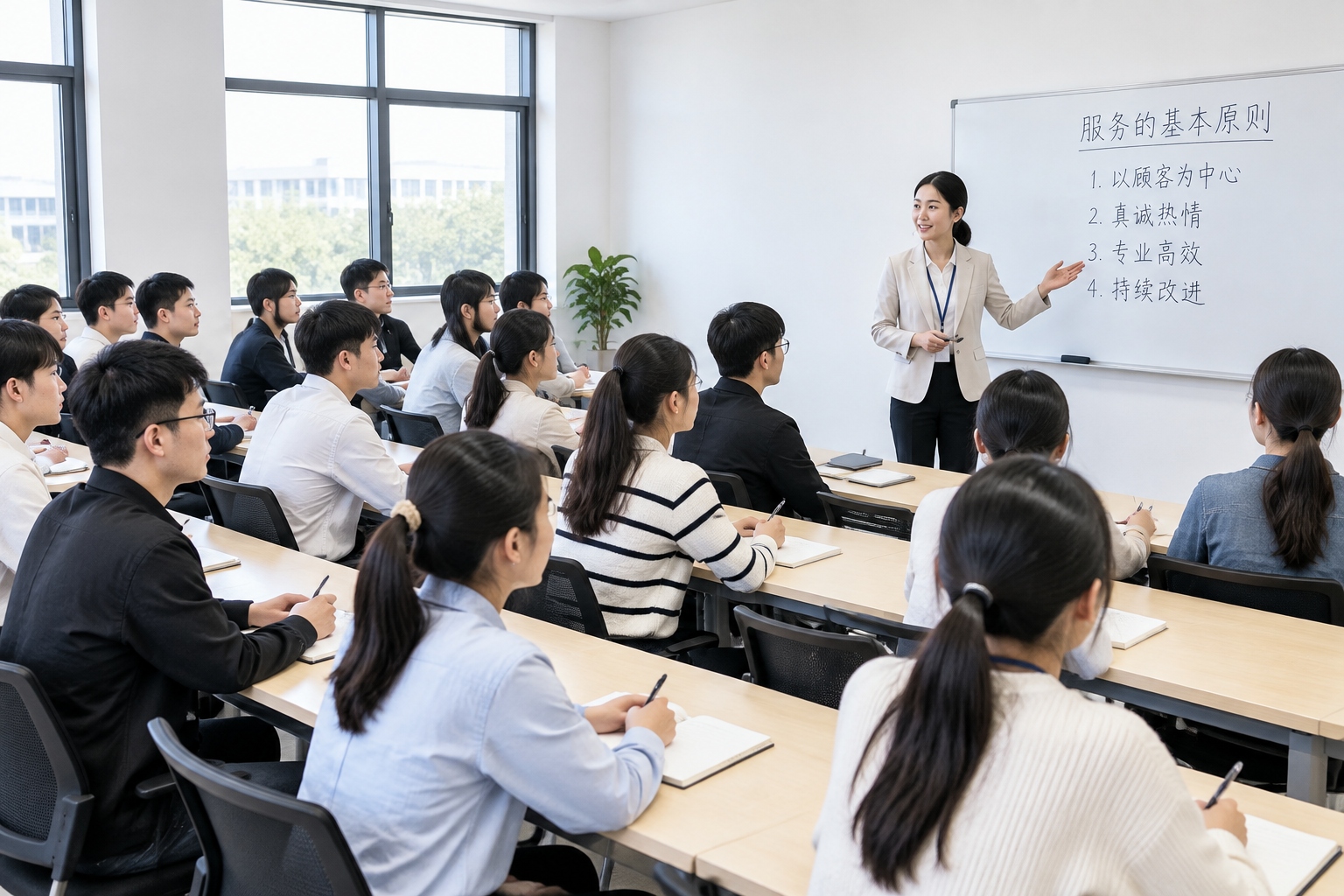
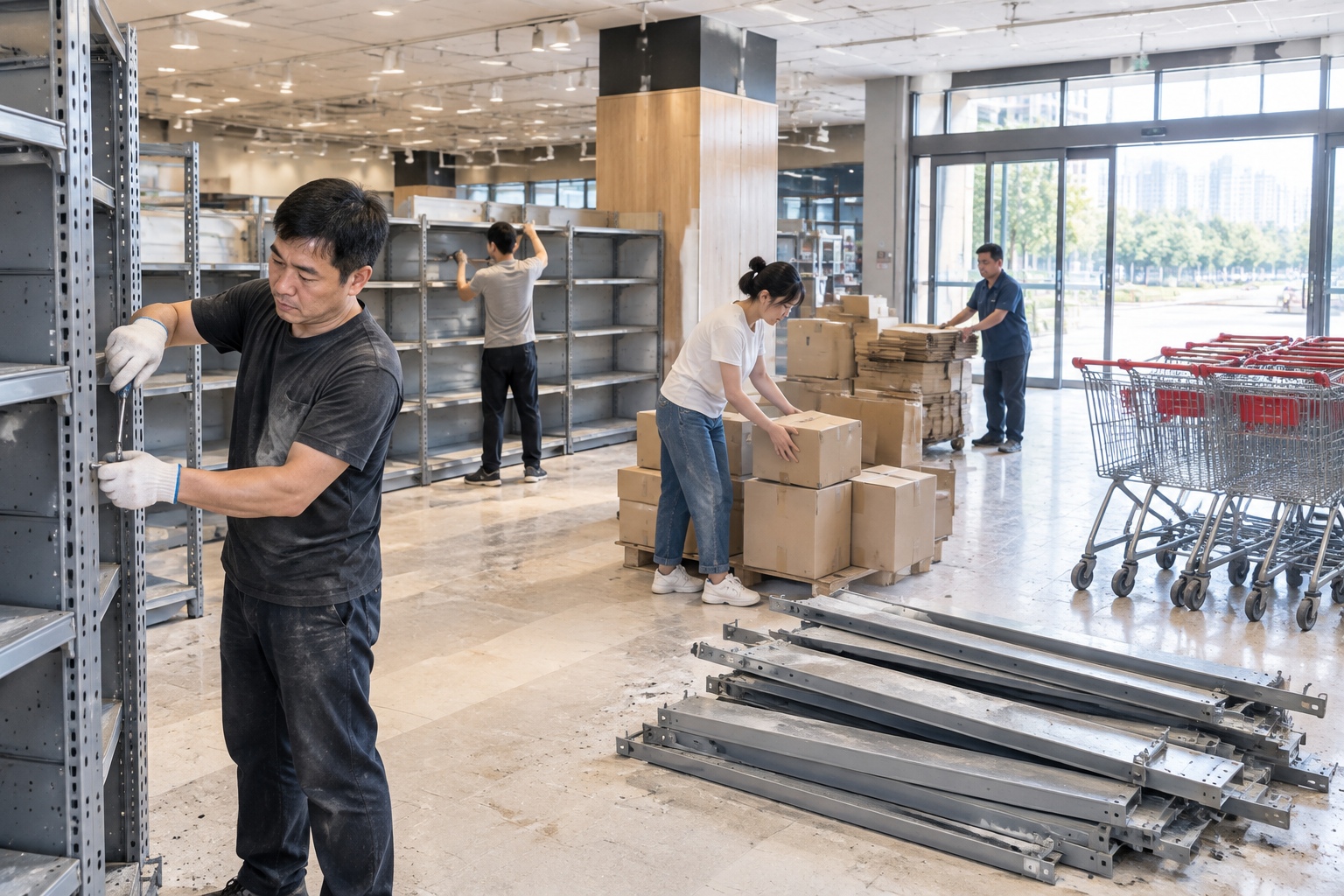
So when local media reported that Pangdonglai would close its Life Plaza store in Xuchang, people noticed. The store was one of the oldest. It was profitable. Its annual sales were reportedly over 1 billion yuan. In a sector where chains often keep weak stores open to protect market share, Pangdonglai walked away. In public remarks, founder Yu Donglai framed the closure as a choice about quality, not losses. The lease had ended. The building was old. Keeping it open might have strained the standard that makes Pangdonglai, Pangdonglai.
The logic of subtraction
Pangdonglai’s model depends on intense service. That requires well-rested, well-paid employees. A store that no longer fits the model can become a drag. Closing it frees experienced staff for new projects, including a large commercial complex the company is building in Xuchang. It also sends a message to employees and customers: growth is not the only goal. In Chinese retail, that is unusual. Most companies celebrate store openings. Pangdonglai is willing to be measured by what it closes.
From new hire to ‘student’: inside the training contract
While one store closes, another experiment is happening in a training room. New hires at Pangdonglai are not immediately called employees. According to Chinese media reports, they sign a “student agreement” rather than a labor contract. The training period can last weeks or months. They study service standards, product knowledge, and company culture. They receive a stipend. After passing an assessment, they sign a formal labor contract and receive full benefits.
To overseas readers, this may sound like an internship or a probation period. In China, it touches a sensitive nerve. The labor contract is the legal basis for social insurance, minimum wage, and protection. Delaying it can be risky for workers. Labor lawyers have debated whether the “student” label is a legitimate training phase or a way to keep costs flexible. Pangdonglai says the goal is better fit and lower turnover. The company argues that service quality depends on people who understand the culture before they face customers.
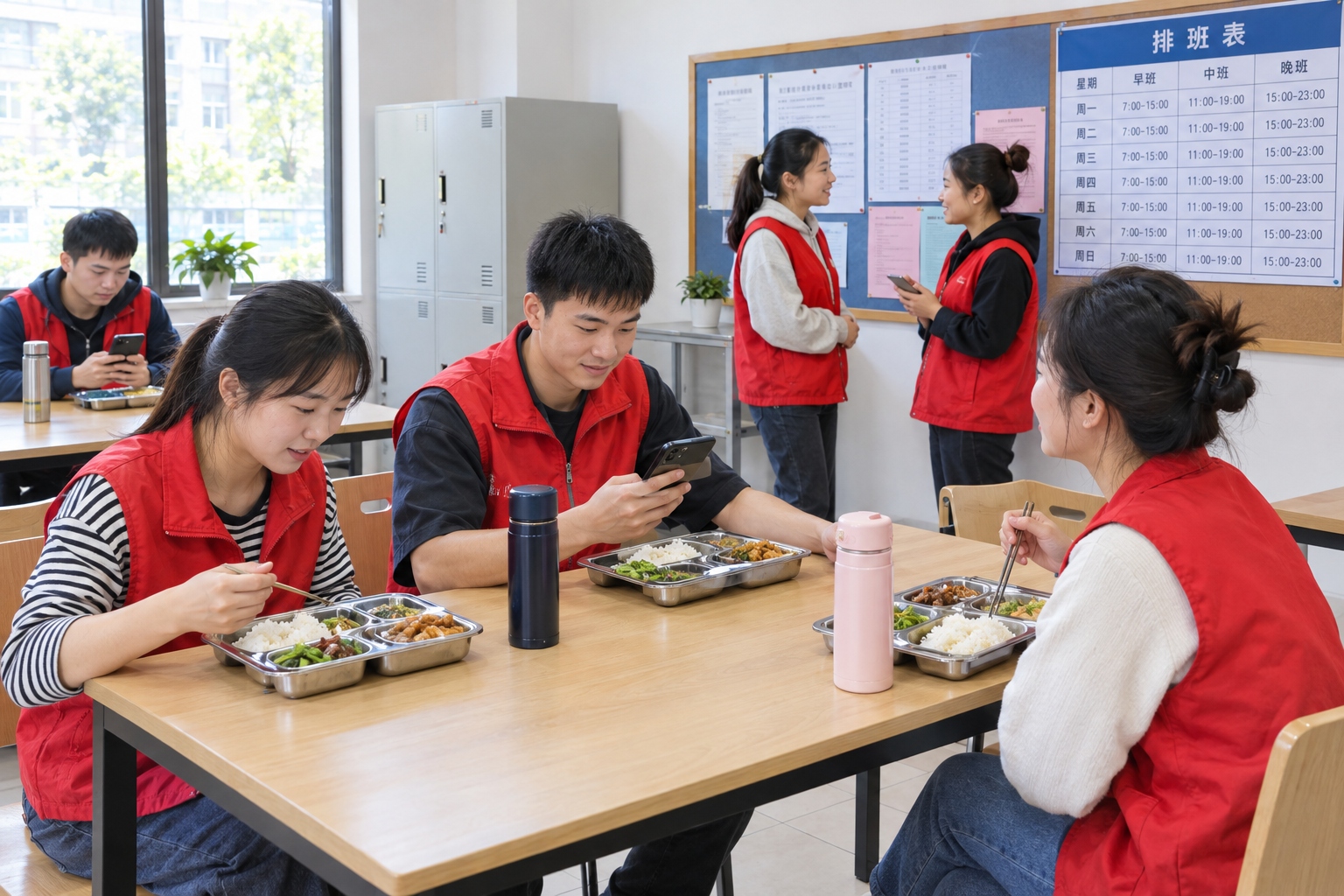
In a training room on the fourth floor of a Pangdonglai store, a group of twenty-somethings practice how to greet a customer who cannot find a product. The trainer asks them to repeat a phrase: “Let me take you there.” Not “It’s on aisle three.” The difference is the point. At Pangdonglai, service is not a script. It is a performance of care. The company wants to know if a new hire can sustain that performance on a busy Saturday, after a difficult customer, at the end of a long shift.
Why turn employees into students?
Pangdonglai’s competitive advantage is not price. It is the feeling of the store. Employees are expected to be proactive, patient, and emotionally present. That is hard to teach in a two-day orientation. The student period is a filter. It lets the company observe attitude, stamina, and willingness to follow detailed rules. It also gives new hires a chance to quit early if the culture is too intense.
At the same time, the system responds to a labor market reality. Young Chinese workers are less willing to accept low pay and long hours in retail. They compare jobs on social media. Pangdonglai’s answer is to offer above-market pay, long annual leave, and a weekly day off—Tuesday—when all stores close. In Xuchang, a third-tier city, a stable retail job with 40 days of paid leave is unusual. The student phase is the doorway to that package.
The business logic: high service, high cost, slow growth
Pangdonglai’s model is expensive. High wages, generous benefits, and a weekly closure all eat into margins. The company can afford it partly because its stores are extremely productive. A single store can generate more revenue than some national chains’ entire regional operations. But the model is hard to copy at scale. It depends on dense local knowledge, strong supplier relationships, and a founder who is treated almost like a moral authority.
Closing a profitable store fits this logic. Growth is not the only goal. If a store’s lease, layout, or location no longer supports the standard, keeping it open could dilute the brand. The company has also been cautious about expanding outside Henan. It has helped reform other retailers, but it has not turned into a national chain. The talent experiment is part of the same caution: protect the culture first, then grow.
What the experiment means for Chinese retail
Pangdonglai is often described as a “miracle” or an “exception.” Both words miss the point. It is a response to a broader shift in China’s retail industry. After years of e-commerce growth, physical stores are competing on experience and trust. Supermarkets that only sell goods are struggling. Those that offer service, community, and a sense of safety are surviving. Pangdonglai is an extreme version of that trend.
For workers, the experiment raises a question: can a company demand emotional labor and still treat people well? For employers, it asks: how much training is enough before a new hire becomes a full employee? For customers, it is simpler: the store feels different. That feeling is built by people who are given time, pay, and rules. The student system is an attempt to manufacture that feeling at the front door.
There are limits. Not every city has a founder like Yu Donglai. Not every retailer can afford to close a store that still makes money. Not every worker wants to be a student again. The model works in Xuchang partly because Pangdonglai is deeply embedded in the local economy and culture. Copying the contract without copying the pay, training, and respect would not produce the same result.
Back to the training room
Back in Xuchang, the closed store is quiet. But in another Pangdonglai building, a training session is starting. Someone writes on a whiteboard: “Do not sell to customers. Help them buy.” The new hires copy it down. In a few weeks, some will sign contracts. Others will leave. The experiment continues, one batch of students at a time.
Start the discussion at forum.chinacomes.com