

The Warmth of Choice: Why Dumplings and Tangyuan Matter More Than Taste
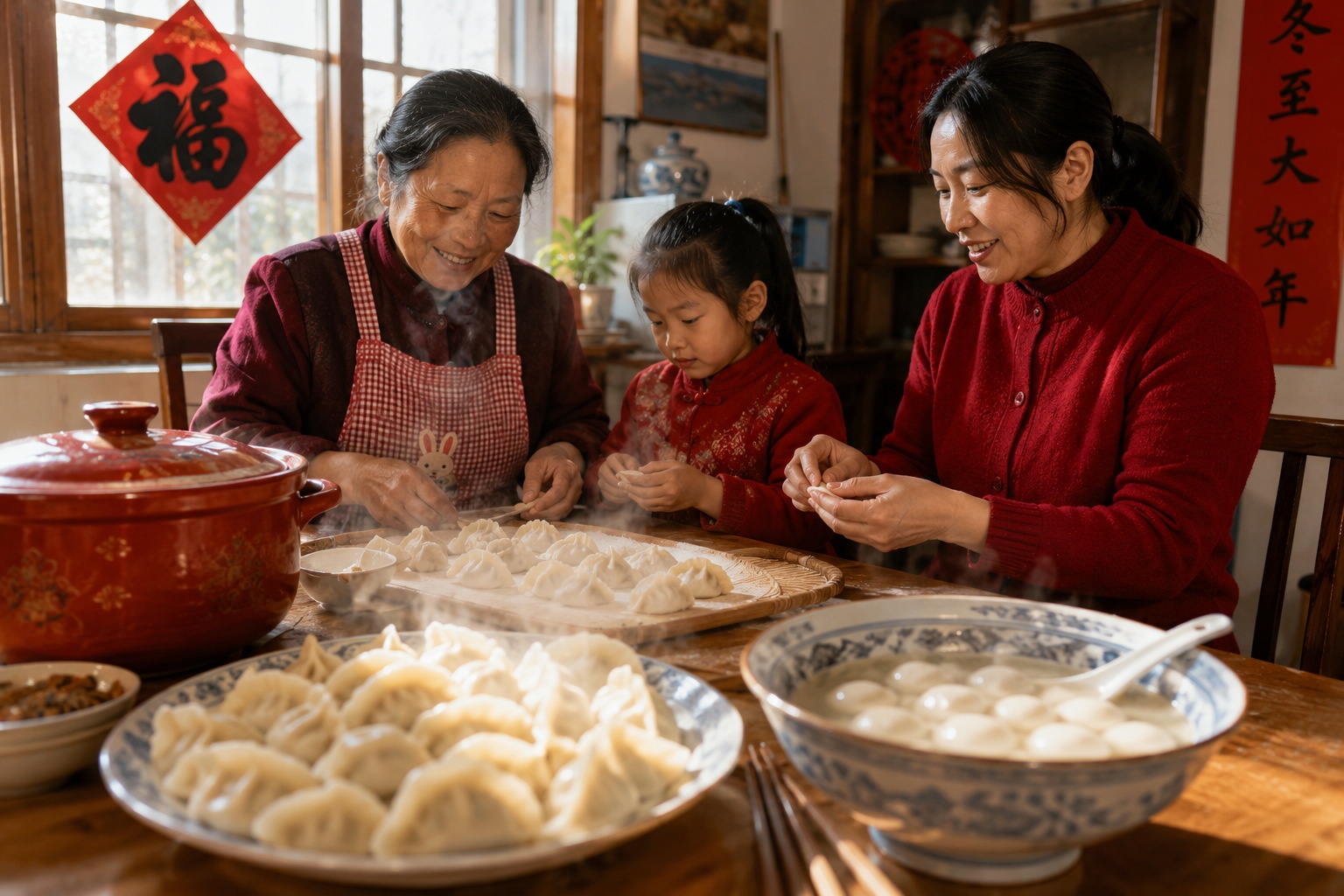
If you walk into a kitchen in Beijing on the Winter Solstice, you will smell wheat. In Shanghai or Guangzhou, the air smells of glutinous rice. For millions of Chinese people, this isn’t just a difference in preference; it is a matter of identity. The debate over whether to eat dumplings (jiaozi) or sweet rice balls (tangyuan) on December 21st is one of the few things that reliably unites the entire country in friendly disagreement.
To an outside observer, this might seem like trivial culinary nationalism. But for locals, it touches on geography, history, and what “home” feels like. In the North, where winters are freezing and wheat was the primary crop for centuries, dumplings represent resilience and warmth. They are labor-intensive: making the dough, chopping the filling, and sealing each pleat by hand is a communal activity that reinforces family bonds. In the South, where rice thrives and winters are milder, tangyuan symbolizes unity and completeness due to their round shape.
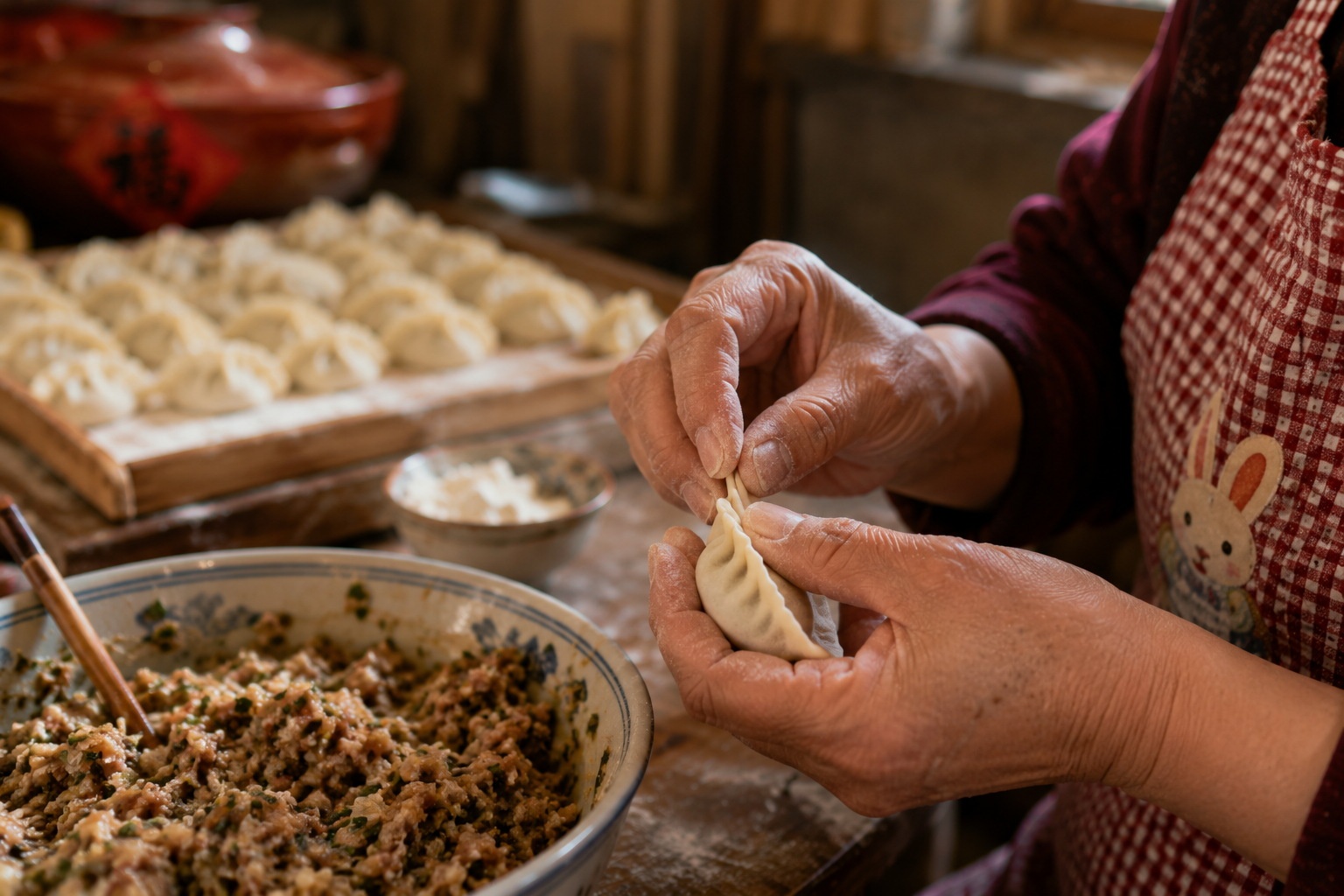
The contrast is stark. A dumpling is savory, often filled with pork, cabbage, or chives, wrapped in a thin wheat skin. It is a meal that requires effort. A tangyuan is sweet, filled with black sesame paste or peanut butter, boiled in syrup. It is a dessert that melts in your mouth. But both serve the same function: they are anchors in a rapidly changing world, reminding people of their roots before the sun reaches its shortest day.
Beyond the Plate: How Migration and Urbanization Are Blending Regional Traditions
However, the clear North-South divide is becoming increasingly blurred in China’s megacities. Over the past three decades, more than 300 million people have moved from rural areas to urban centers. In cities like Shenzhen, Beijing, or Shanghai, you will find Northerners cooking dumplings and Southerners making tangyuan in the same apartment complexes.
This migration has created a unique cultural hybridity. In many northern Chinese households, if one spouse is from the South, the Winter Solstice dinner table becomes a battlefield of compromise. Some families make both. Others have adopted a “one dish per year” rule, where they rotate which tradition to follow, or simply choose based on what ingredients are available at the local supermarket.
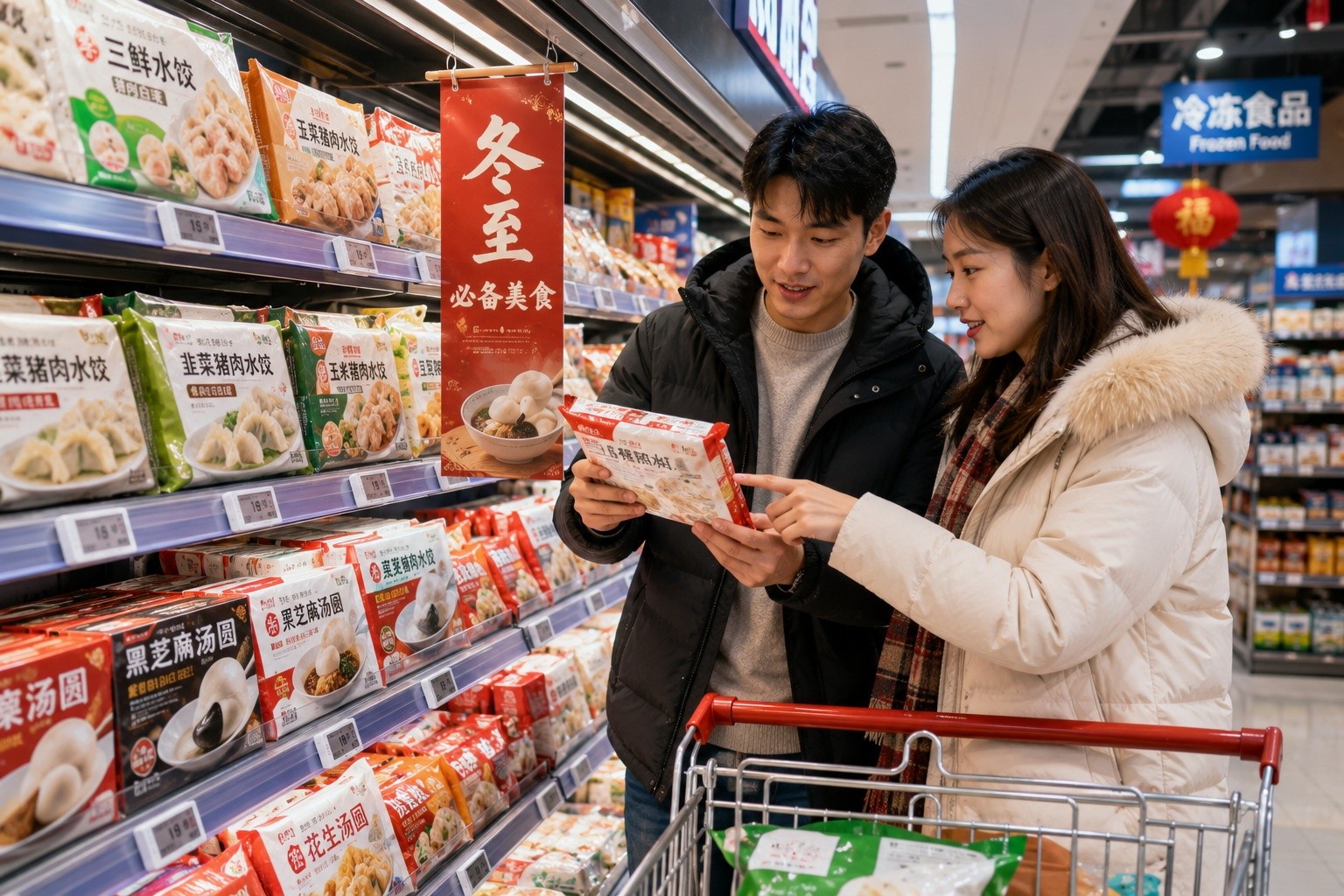
Urbanization has also changed *how* these foods are prepared. In the past, making dumplings or tangyuan was a weekend project involving three generations. Today, with both parents working full-time, many young couples buy pre-made versions from supermarkets or order them via food delivery apps. The ritual remains, but the labor has shifted from the kitchen to the digital marketplace. This shift reflects a broader trend in modern China: tradition is being preserved not through manual repetition, but through convenient consumption.
A New Normal: How Young Urbanites in China Redefine ‘Home’ During Winter Solstice
For China’s younger generation, the Winter Solstice is less about rigid tradition and more about emotional connection. Many young professionals live far from their hometowns. For them, the holiday is an opportunity to call home, not necessarily to eat the traditional food themselves.
I spoke with Li Wei, a 28-year-old software engineer living in Hangzhou. His family is from Shandong, in the North. “My mother insists we eat dumplings,” he told me. “But I’m used to tangyuan from my college days in the South. So, we compromise. We order dumplings for my parents’ video call, but I make tangyuan for myself because it’s faster.”
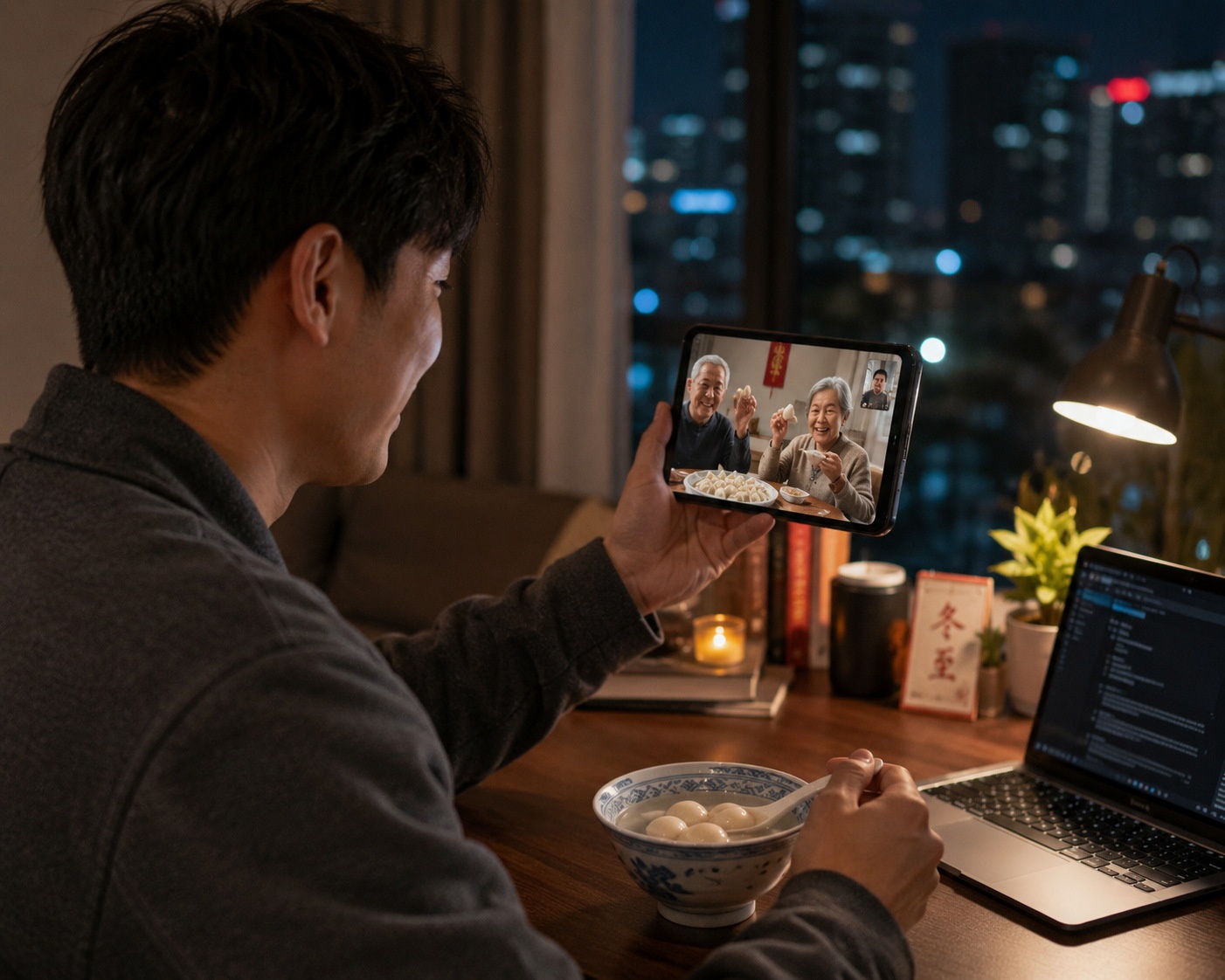
This pragmatic approach is common. The “North-South divide” is no longer a hard border but a flexible spectrum. Young people are redefining “home” not as a place where you must follow ancestral rules, but as a feeling of connection that can be expressed through digital means or hybrid meals. The food matters, but the intention behind it matters more.
The Global Connection: Shared Rituals, Similar Meanings Across Cultures
While the specific foods differ, the human impulse behind them is universal. In Italy, families gather to make tortellini during the holidays. In Germany, people share lebkuchen or gingerbread. In the US, Thanksgiving centers around turkey and pie. These rituals serve the same purpose: to pause the hustle of modern life and reaffirm relationships.
Understanding China’s Winter Solstice through the lens of dumplings versus tangyuan offers a window into how Chinese society balances tradition and modernity. It shows that even in a country as vast and diverse as China, people are finding new ways to honor the past while navigating the present. The bowl you choose may define your regional pride, but the warmth you share defines your humanity.
As the shortest day of the year ends, whether you eat a savory dumpling or a sweet rice ball, the message is the same: no matter how far you travel, you are never too far from home.