
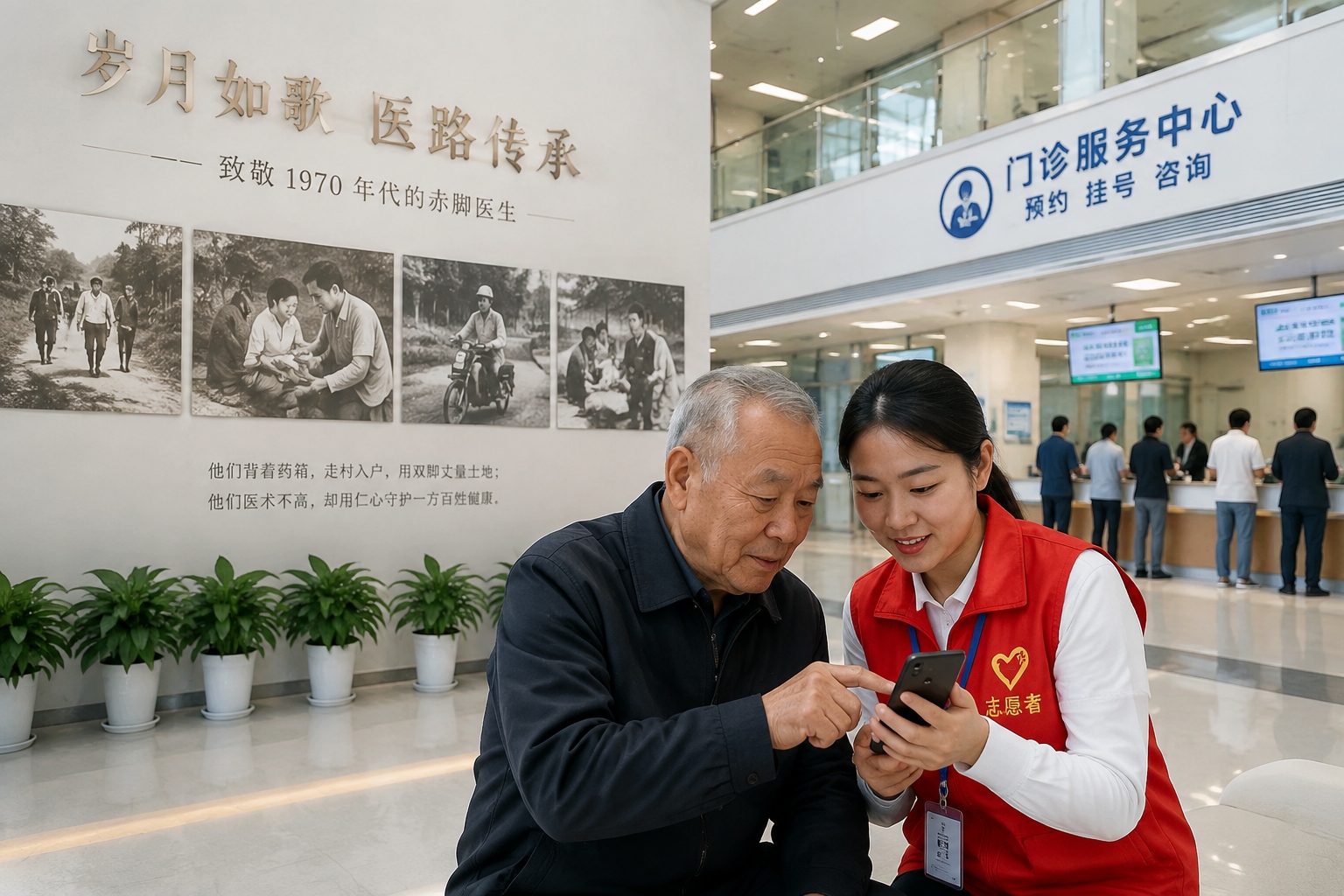

When Wang Guizhen was born in a remote mountain village in Guizhou Province in the 1950s, her village had no doctor and no clinic. If someone fell ill, the family would boil herbal remedies, and in the worst cases, carry the patient on a stretcher for hours to the nearest town. Then, in the late 1960s, a young man with a small medical kit arrived in the village. He was a ‘barefoot doctor’ — a peasant who had received a few months of medical training and was now serving the community with basic treatments and preventive care. That man delivered eight of Wang’s children and treated her mother’s pneumonia with penicillin.
Today, Wang’s granddaughter, 28-year-old Lin Lin, lives in Beijing. When she feels unwell, she pulls out her smartphone, opens a hospital appointment app, and schedules a consultation with a specialist at a top-tier hospital. If surgery is needed, she might be treated by a robot-assisted system guided by a skilled surgeon. The contrast between the two generations illustrates a transformation that has reshaped healthcare in China over the past 70 years.
The Barefoot Doctor Era: Foundations of Primary Care
In the 1960s and 1970s, China faced a rural healthcare crisis. Most villages had no access to qualified doctors. The barefoot doctor program was a pragmatic solution: the government trained millions of local peasants to deliver basic primary care. These doctors were called ‘barefoot’ because, during agricultural seasons, they worked in rice paddies with bare feet, ready to attend to medical needs at any time. They received training in basic hygiene, vaccination, emergency care, and treatment of common diseases like malaria and diarrhea. They also emphasized prevention, which was cheap and effective. China’s infant mortality rate dropped from about 200 per 1,000 live births in the early 1960s to less than 60 in the 1980s. The barefoot doctor program was later lauded by the World Health Organization as a model for primary healthcare.
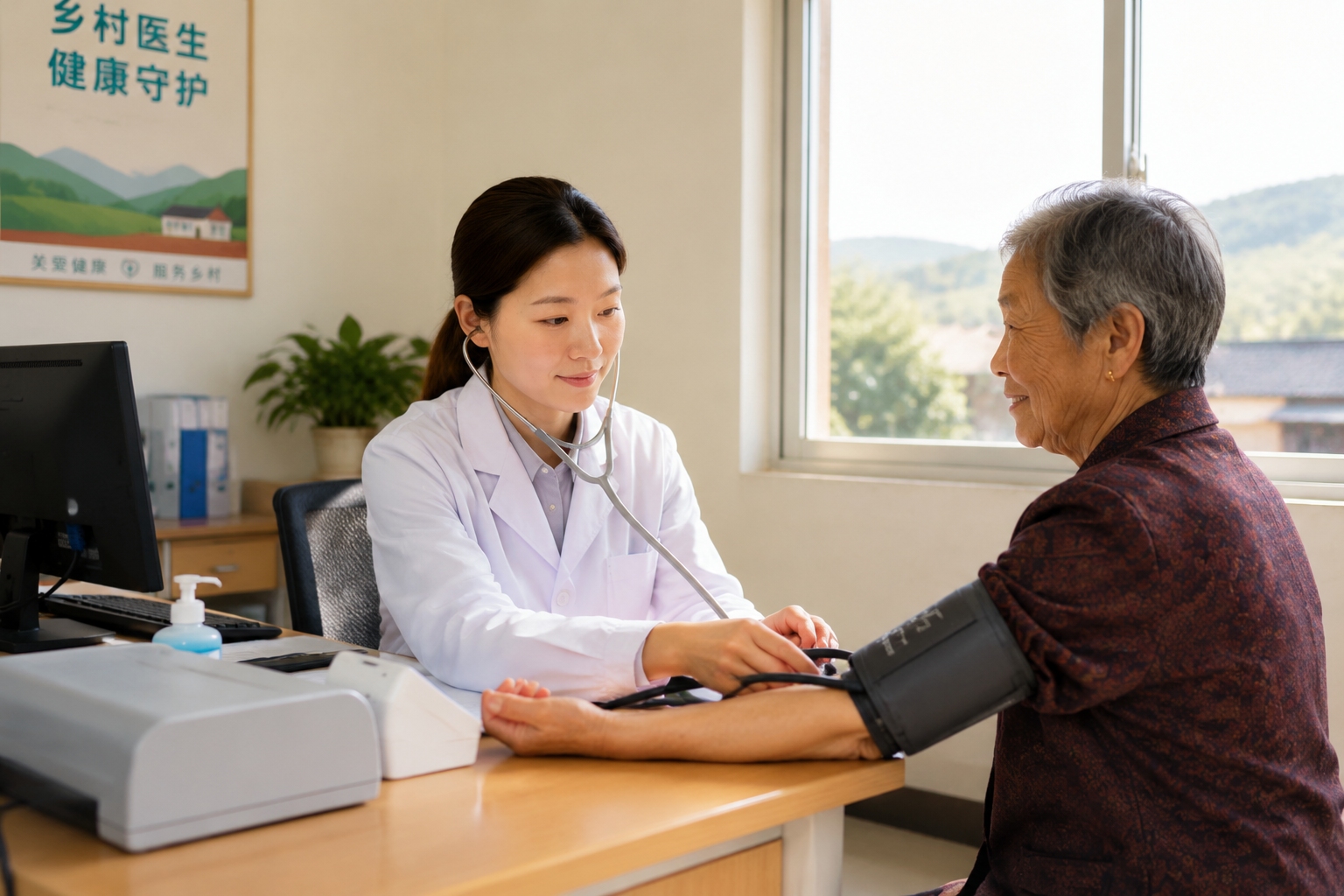
For an international reader, it may be surprising that a low-tech approach could make such a difference. But in a state with limited resources, training thousands of village-level health workers was the most feasible way to extend basic services. This network later became the backbone of the rural health system, and many barefoot doctors went on to become formal ‘rural doctors’ after additional training.
Universal Coverage: The Great Leap in Access
For decades after the economic reforms in 1978, China’s healthcare system became more market-oriented, which improved quality but left many people behind. By the early 2000s, about half of rural residents had no health insurance, and many families fell into poverty after a serious illness. The government responded with a series of reforms. In 2003, it launched the New Cooperative Medical Scheme (NCMS) for rural residents, followed by the Urban Resident Basic Medical Insurance (URBMI) in 2007. By 2010, China claimed to have reached 95% coverage. Today, the basic medical insurance system covers more than 1.3 billion people, making it the largest social security program in the world.
For an American reader, this might be startling: while the U.S. debates the affordability of healthcare, China has implemented a mandatory, though tiered, system that ensures almost every citizen has a basic safety net. The trade-off is that public insurance does not cover everything; co-payments and out-of-pocket costs can still be significant. Yet the achievement of extending coverage to a vast population is undeniable.
Digital Health: From Queues at Dawn to Tap-and-Go Care
Anyone visiting a modern Chinese hospital will quickly notice the digital revolution. Ten years ago, patients would queue outside hospital registration windows at 4 a.m. to secure a spot. Now, most hospitals offer appointment booking through WeChat mini-programs or dedicated apps, reducing waiting times and making the process transparent. Once inside, patients can use self-service kiosks to pay, print test results, and access their electronic health records. Many clinics now use AI-assisted imaging analysis to help doctors spot small lesions in CT scans.
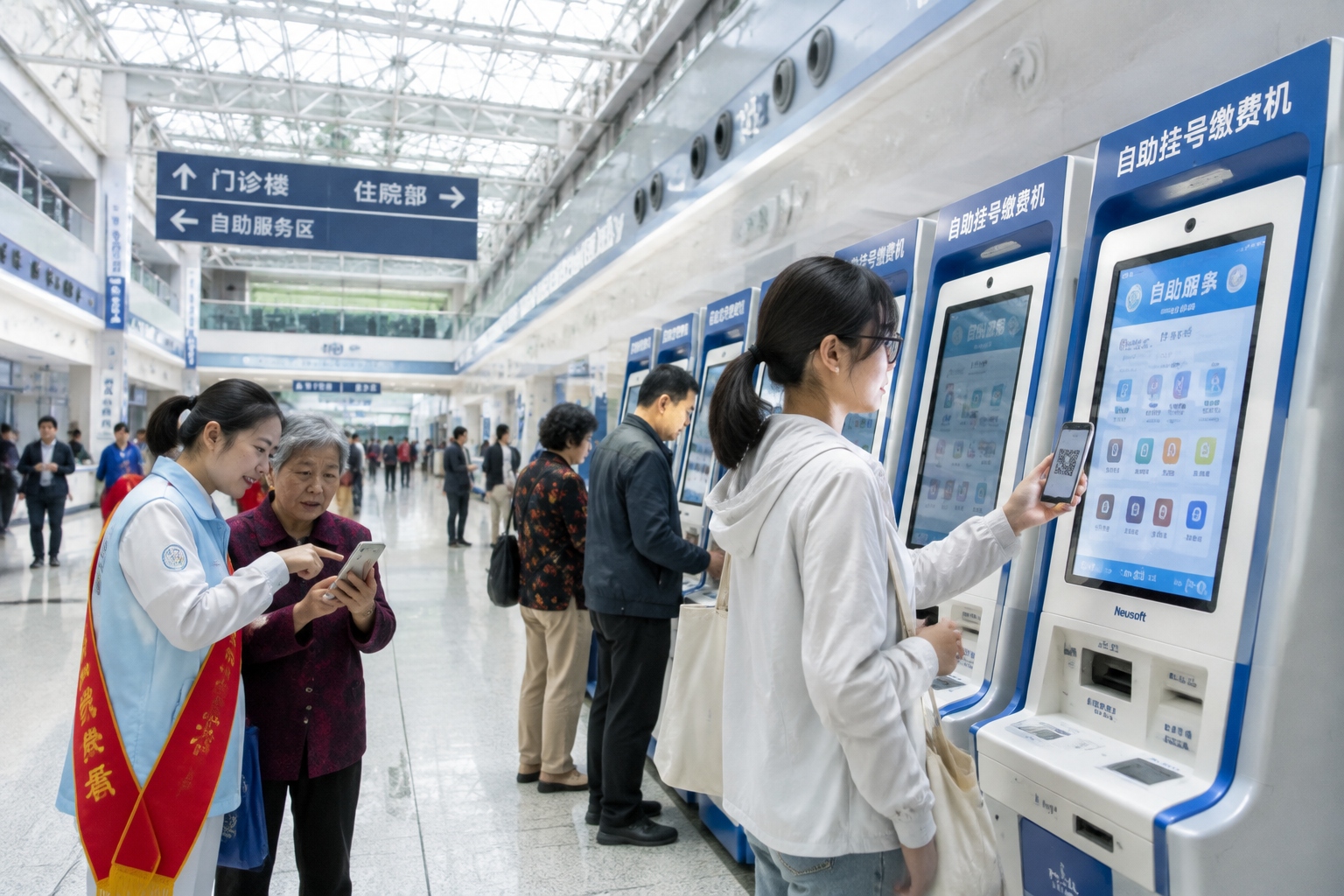
Telemedicine has also expanded, especially in underdeveloped areas. For instance, a county hospital in Sichuan can connect with a top hospital in Chengdu for remote consultations, allowing a local doctor to discuss a challenging case with a specialist hundreds of kilometers away. During the COVID-19 pandemic, online prescriptions and drug delivery services became a lifeline for chronic disease patients. These digital tools have made healthcare more efficient, but they also require a certain level of digital literacy. An elderly patient without a smartphone might still need a family member’s help, which is why hospitals in big cities often have volunteers at service counters.
High-Tech Leap: Robots, AI, and Precision Medicine
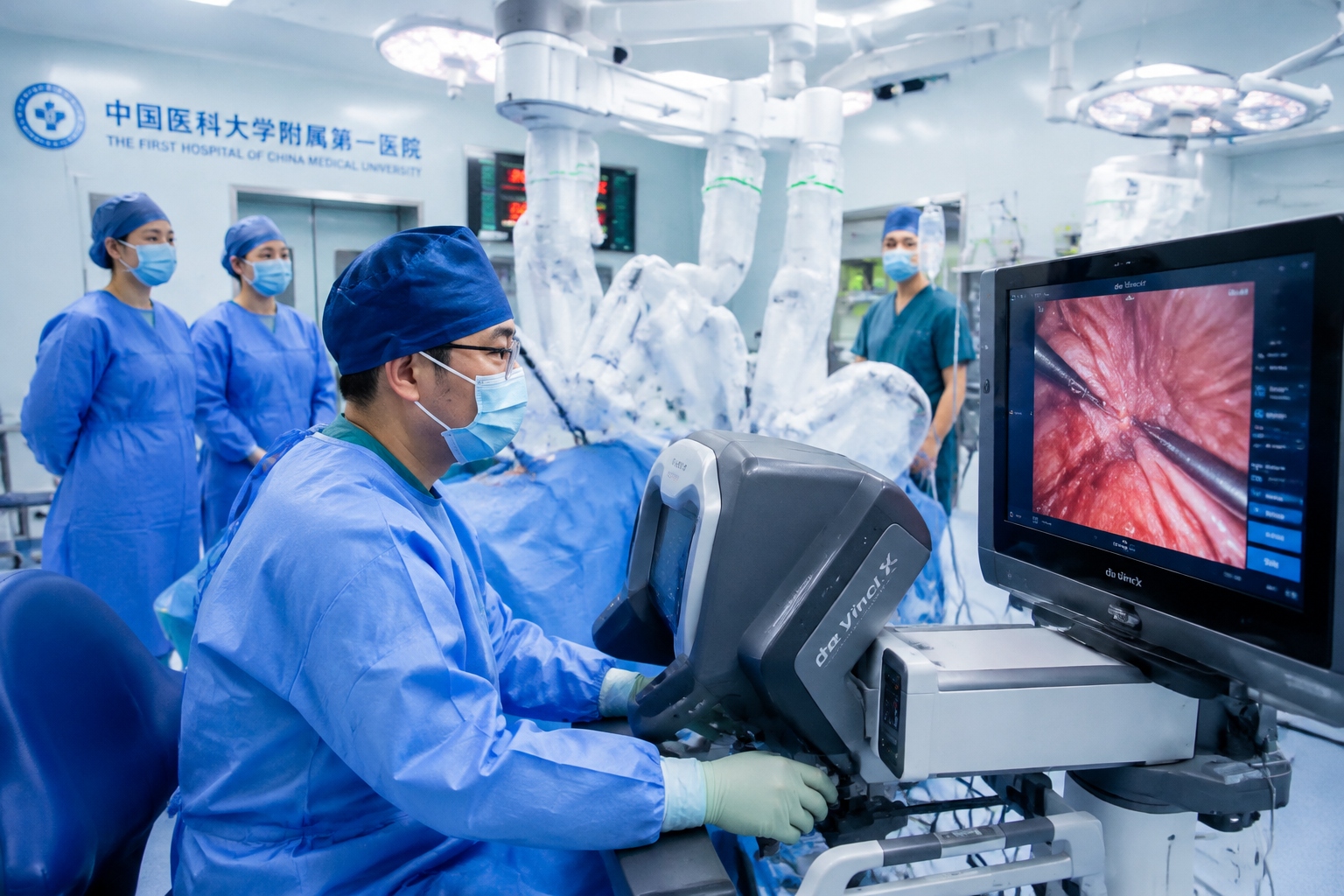
In 2020, the First Hospital of Jilin University performed the first domestic robot-assisted surgery using a Chinese-made surgical robot system. But even before that, foreign systems like the da Vinci Xi had been used in dozens of Chinese hospitals for prostate operations, heart surgery, and more. The da Vinci system costs millions of dollars, and surgery with it can cost 30,000-50,000 RMB (about $4,200-7,000), which is not fully covered by insurance. However, as Chinese companies develop lower-cost alternatives, the price is expected to drop.
Beyond robots, AI diagnosis is playing a growing role. For example, an AI system from Tencent can analyze medical images to detect diabetic retinopathy, a leading cause of blindness, with high accuracy. In 2019, the National Health Commission approved the use of AI in some diagnostic fields. While these technologies are not yet used everywhere, they symbolize the new ambitions of Chinese medicine. The country is also at the forefront of gene editing research, despite the controversial 2018 incident involving CRISPR babies, which sparked global ethical debates.
Persistent Challenges and Inequalities
Despite the achievements, significant gaps remain. Rural hospitals still lack qualified doctors, as many young medical graduates prefer to work in big cities. A 2019 study found that the average number of practicing physicians per 1,000 people in cities was more than double that of rural areas. The aging population is also creating higher demand for chronic care and long-term care. By 2030, it is estimated that over 25% of China’s population will be over 60. To address the issue, the government has launched policies to strengthen training for rural doctors and to build a tiered care system where patients are encouraged to first visit community clinics. The ‘Healthy China 2030’ plan emphasizes prevention and health management, not just treatment. This system is far from perfect, but it is evolving in response to both the opportunities and the challenges of a rapidly changing society.
From a Stretcher to a Robot: A Story of Possibility
Wang Guizhen’s story is a microcosm of China’s medical transformation. The barefoot doctor who delivered her children represented a pragmatic answer to a basic need: accessible care. Today, her granddaughter can access world-class technology in Beijing, yet the journey is not fully complete. The next decade will test whether China can bring high-quality care to everyone, regardless of where they live, and whether it can sustain its innovation without losing the human touch. For a nation that started with barefoot doctors and now operates surgical robots, the future holds both immense promise and enormous responsibility.
Start the discussion at forum.chinacomes.com