

Two Worlds in One Province
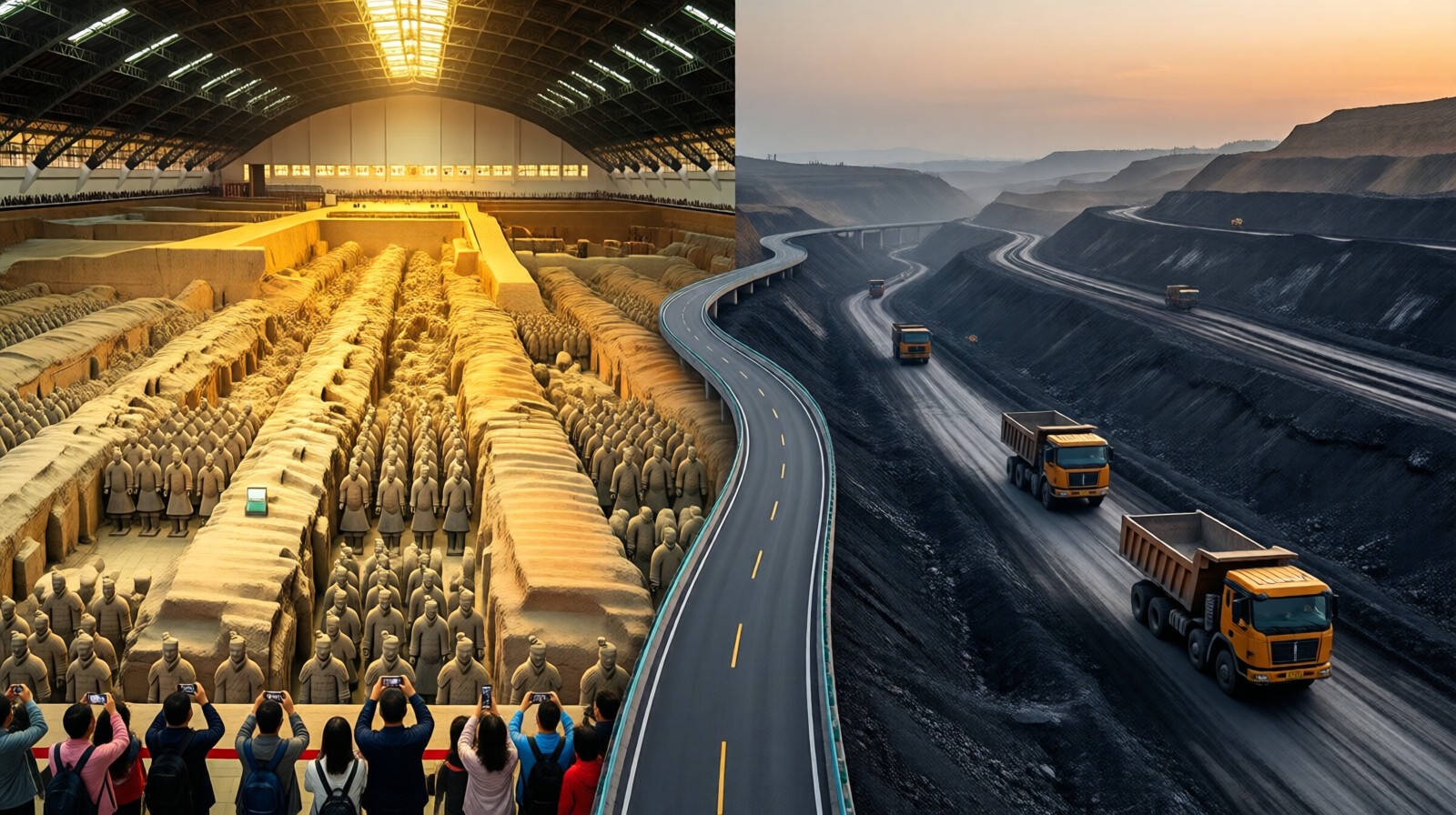
At the Terracotta Warriors museum in Xi’an, a tour guide named Wang Lei raises his voice above the murmur of a hundred visitors. “This is the army that protected an emperor 2,000 years ago,” he says, pointing to the rows of clay soldiers. Outside, modern Xi’an hums with start-ups, universities and high-speed rail. But a six-hour drive north, in Yulin, a coal miner named Chen Jianguo finishes his shift, his face smeared with black dust. His town depends on a different kind of treasure buried under the loess plateau. This is Shaanxi: a province that lives in two economic ages at once.
Shaanxi covers an area about the size of Sweden, with a population of 39 million. It has two distinct faces. The south, centered around Xi’an, is fertile and historic. The north, where the Yellow River cuts through the Loess Plateau, is arid and mineral-rich. These two regions share a name but little else. Understanding Shaanxi means understanding this split. The province’s GDP reached 3.5 trillion yuan (about $490 billion) in 2023, making it the 14th-largest provincial economy in China. But that number hides a deep internal divide.
A Province Built on Coal
Coal has been mined in Shaanxi for centuries, but the modern boom began in the 1990s, when China’s high-speed growth demanded massive amounts of energy. Today, Shaanxi produces about 600 million tonnes of coal a year, roughly a seventh of China’s total. The city of Yulin alone accounts for more than half of that output. The mines are industrial behemoths. Some are open pits that stretch for kilometers, their terraced walls descending into the earth like giant staircases. Others are deep underground, where temperatures stay above 30 degrees Celsius even in winter.
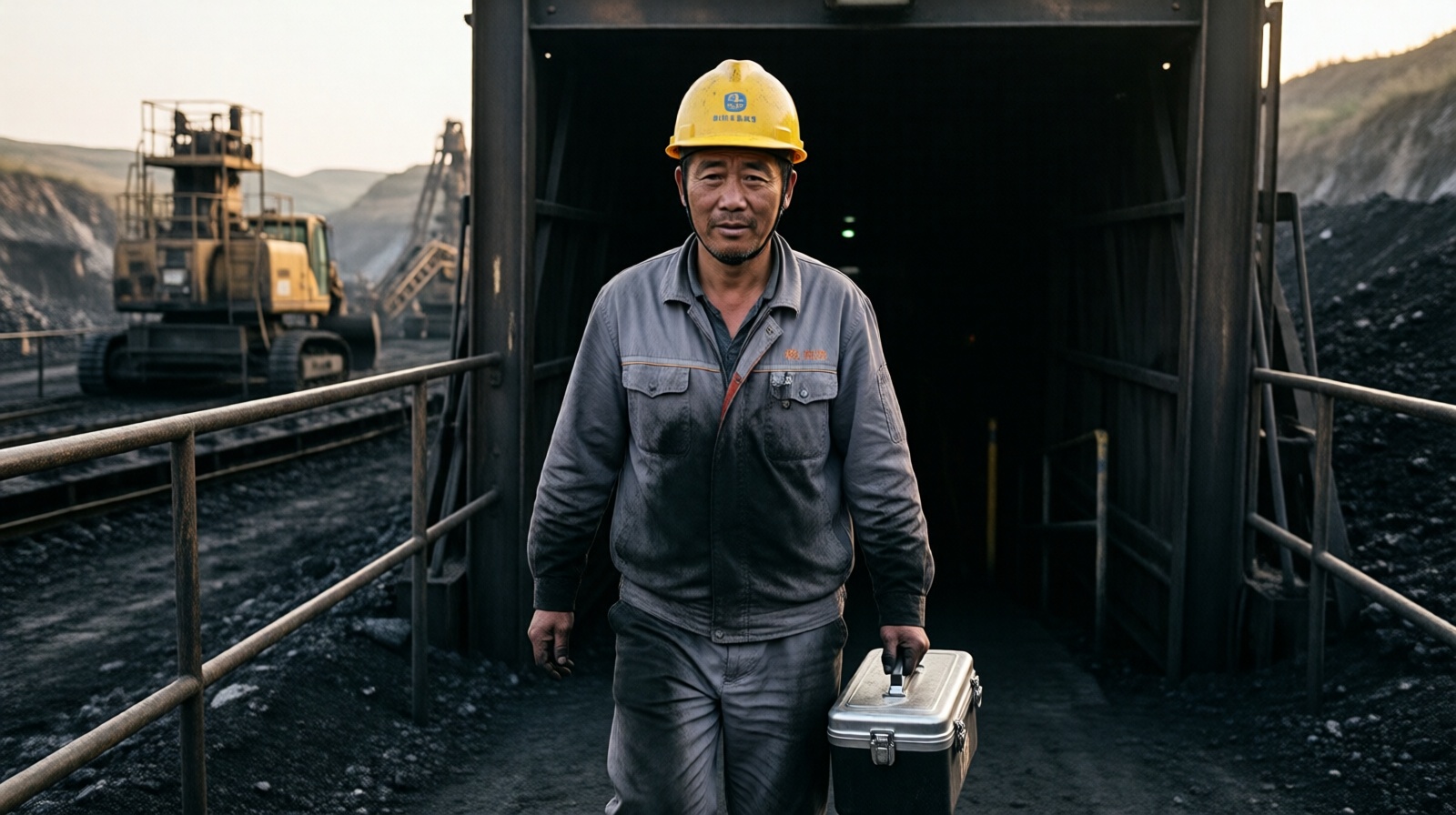
Chen Jianguo, 42, has worked in a mine for 18 years. His father mined coal before him. “The money was good in the 2000s,” he says. “A miner could earn more than a university professor.” But the work is dangerous and grueling. Chest diseases are common. In recent years, safety rules have tightened, but the mines are still dark, dusty places. He still takes his family to Xi’an for a holiday every year, but he can’t imagine working there.
Mining villages often look like boomtowns. In Shenmu, a mining hub, luxury car dealerships and flashy nightclubs sit next to rows of workers’ dormitories. “We are the Kuwait of China,” a local driver jokes. When coal prices are high, money flows freely. When prices drop, the town contracts. In 2015, after a global coal glut, Shenmu’s real estate market crashed, leaving half-finished buildings that still stand today.
The Heritage Economy
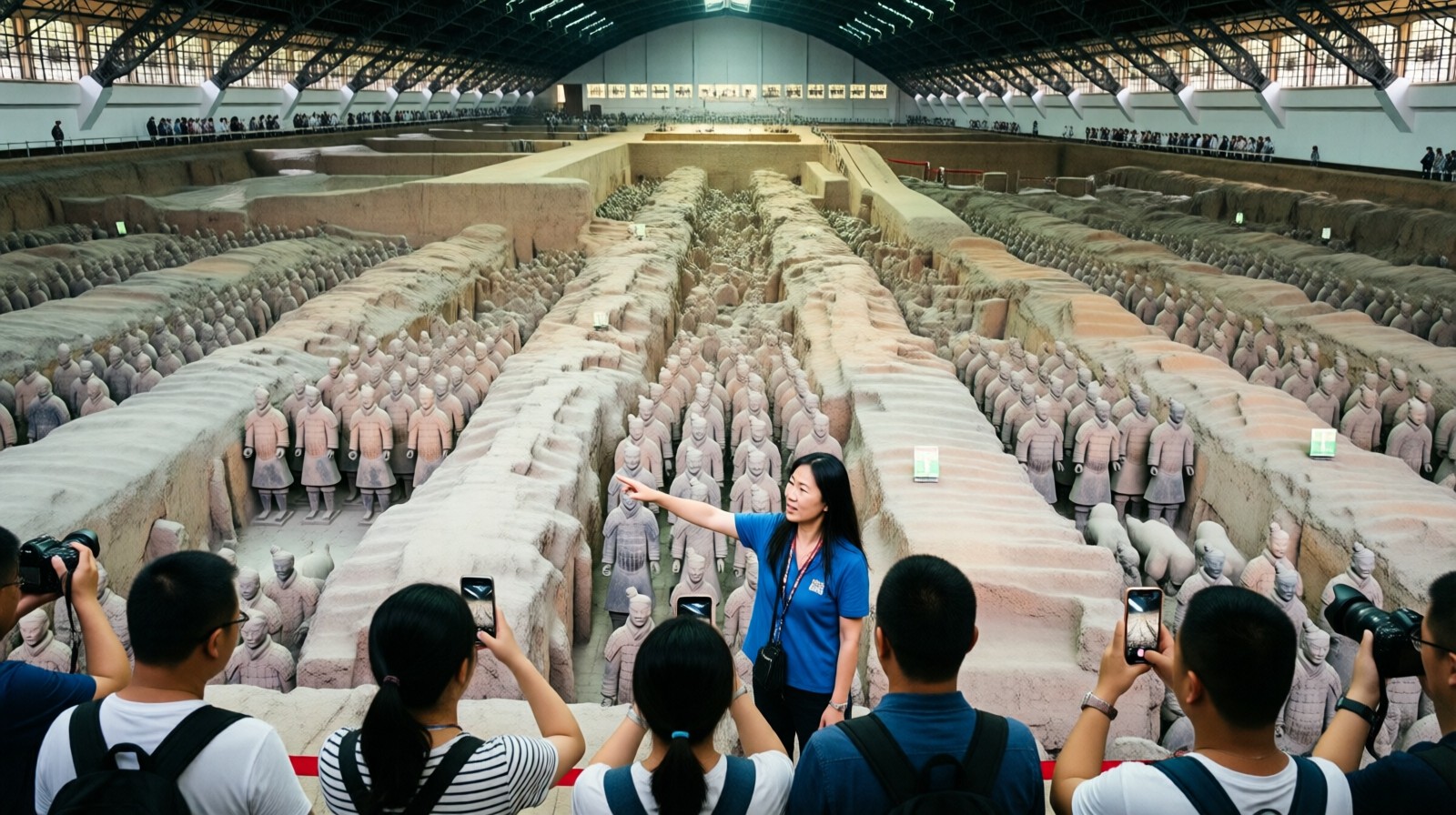
While the north digs for coal, the south builds on the past. The Terracotta Warriors, discovered in 1974 by peasants digging a well, became a UNESCO World Heritage site in 1987. They are now China’s most famous archaeological site. In 2023, the museum received over 8 million visitors. That year, Xi’an’s total tourism revenue exceeded 200 billion yuan (about $28 billion). The city’s ancient city walls, the Bell Tower, and the Great Mosque in the Muslim Quarter all draw crowds.
Tourism creates a huge service economy. Hotels, guides, restaurants, and souvenir shops employ hundreds of thousands of people. Wang Lei, the guide, used to work in a factory near Yulin. “I left because the air was bad and the work was dull,” he says. “Now I tell the story of ancient China every day. It pays less, but it’s cleaner.” His own family story mirrors the province’s shift: his father worked in a coal mine, while he now works in a museum.
But Xi’an is not just a museum. The city is a major center for aerospace and defense. The National Civil Aerospace Industry Base, north of the city, produces satellites and rockets. Xi’an also has a growing semiconductor and electric vehicle industry. BYD, the world’s largest EV maker, has a huge plant nearby. The city’s tech park, started in 1991, now hosts over 10,000 companies. In 2023, high-tech manufacturing accounted for nearly 40% of Xi’an’s industrial output.
The Hard Work of Transition
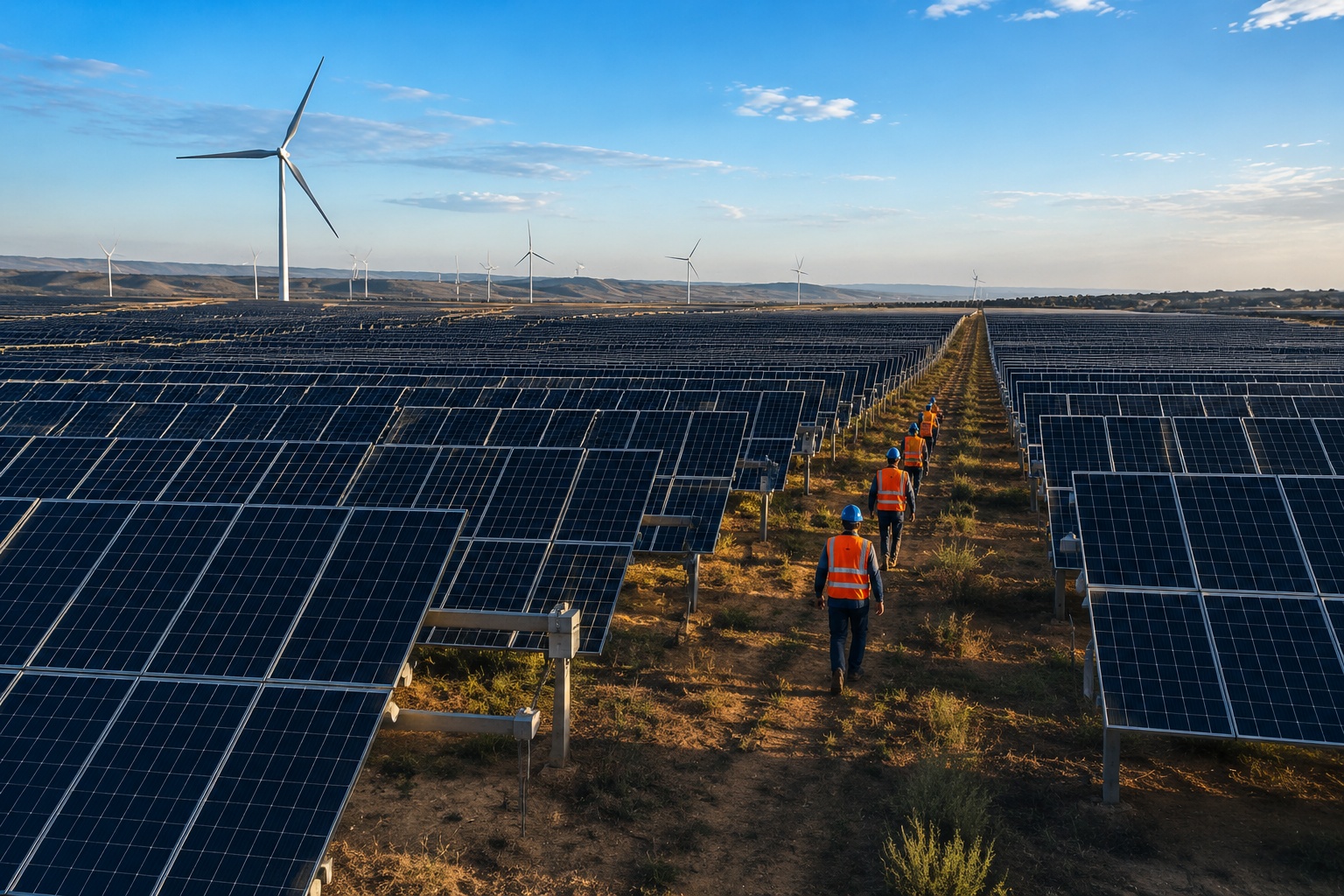
Shaanxi’s leaders know that relying on coal is a risky path. The central government’s push for carbon neutrality has forced the province to close some mines and clean up others. In Yulin, the city government has invested in solar and wind farms, using the vast, sunny plains. Jingbian, a county once known for oil and gas, now hosts one of the largest solar power plants in the country. By 2023, Shaanxi’s installed renewable energy capacity reached 30 gigawatts, roughly a quarter of its total power generation.
But the transition is slow and painful. When a mine closes, the surrounding town often loses its only source of income. Some miners have retrained to work in new energy, but many have left, seeking jobs in Xi’an or other provinces. Chen Jianguo, the miner, is unsure about the future. “I know coal won’t last forever,” he says. “But what else can I do?”
The province is also trying to transform old mining sites into industrial heritage parks. One project near Yulin turns abandoned coal shafts into a museum about mining history. It’s a small step, but it shows a new direction. Environmental repair is another challenge. Decades of coal extraction have left cracks in the land and polluted waterways. Rehabilitating them costs billions of yuan and takes years.
Ordinary Lives, Changing Choices
The dual economy shapes the choices of individuals. Wang Lei, the guide, left the industrial north for a cultural job in the south. His cousin still works in a coal mine, earning twice as much. Both live in the same province but in different economic worlds.
Young people across Shaanxi are increasingly turning away from mining. An engineering student at Xi’an Jiaotong University says none of her classmates want to work in coal. “We want tech or finance,” she says. “Maybe a few go to work for BYD or Huawei.” The province is investing heavily in universities and research parks to keep that talent at home. In 2023, Xi’an was ranked among China’s top ten cities for scientific research output.
Meanwhile, rural areas near tourist sites have transformed. In the village of Qinling, south of Xi’an, farmers have opened guesthouses for travelers. A family that once grew corn now runs a bed-and-breakfast with seven rooms. “We traded hoes for hospitality,” says the owner.
Chen Jianguo’s son is a freshman at Xi’an University of Technology. He is studying computer science. “My father wants me to avoid the mines,” he says. “I want to design software for autonomous vehicles.” The boy’s generation represents hope for a different Shaanxi.
A Province in the Balance
Shaanxi’s double face is not unique. Many resource-rich regions in the world face the same shift: from digging the past to building the future. What makes Shaanxi stand out is the distance between its two worlds. You can stand in a museum where an ancient emperor’s army waits in silence, then drive north to a valley where giant excavators bite into the earth. Both are real, both employ people, and both are changing.
The question is whether the province can turn its heritage and geography into a new kind of prosperity. The coal will eventually run out. The visitors will keep coming. The future lies in bridging the gap, building connections between the ancient and the industrial, and giving the miners and the guides a shared stake in what comes next.
Start the discussion at forum.chinacomes.com