

Introduction
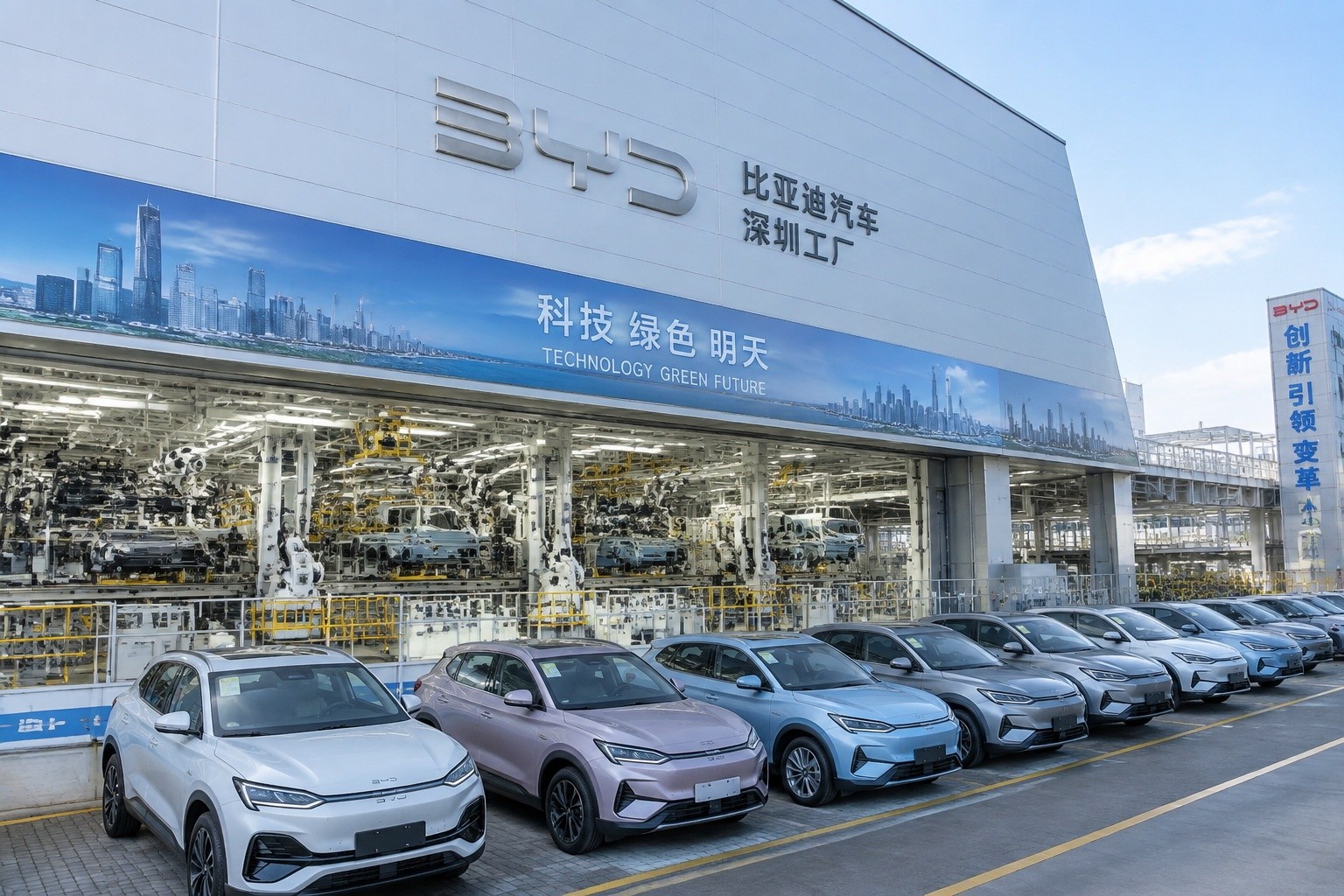
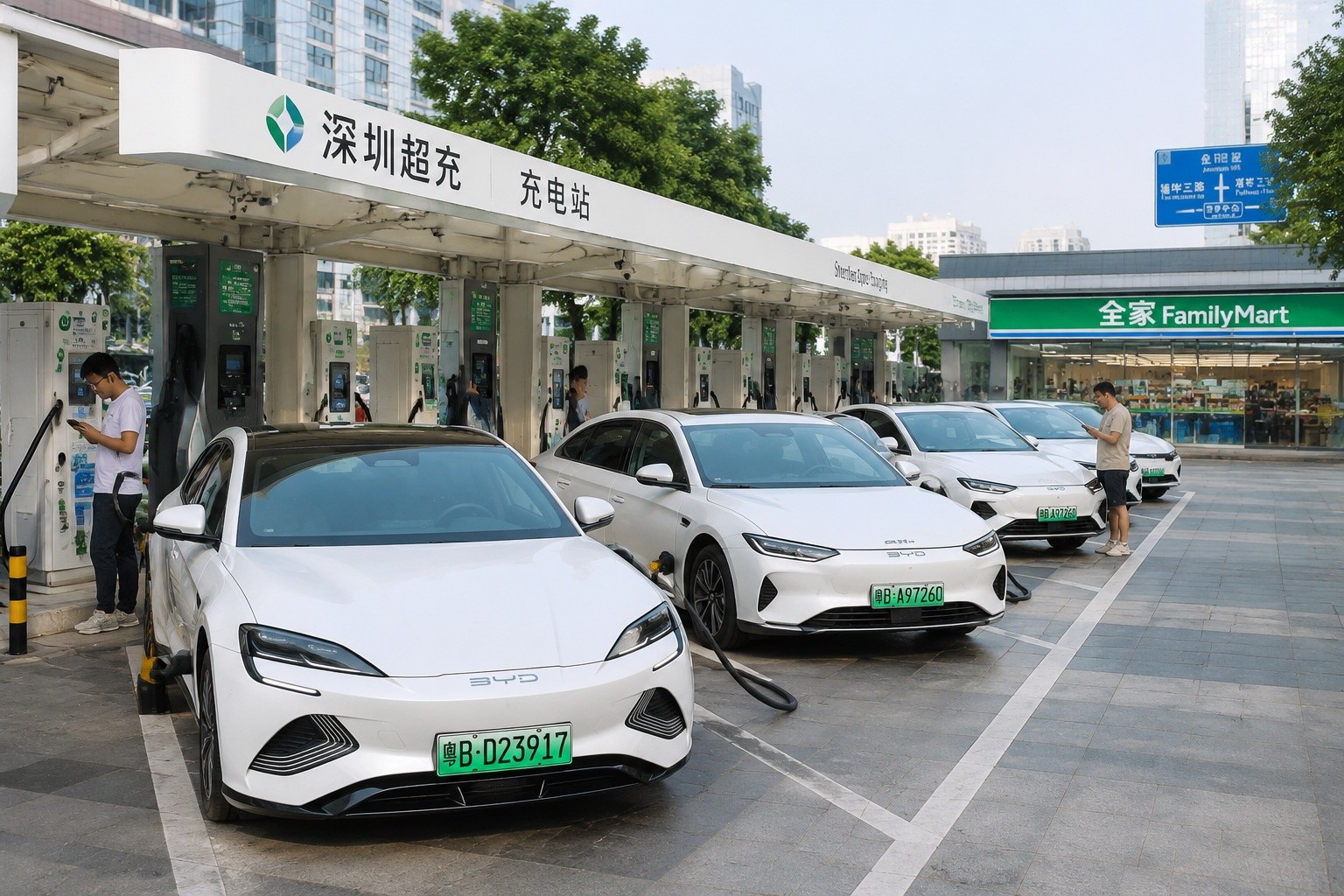
On a rainy morning in Shenzhen, a fleet of white BYD Tang SUVs pulls into a charging station in the Nanshan district. The drivers, mostly ride-hailing workers, plug in and grab a quick breakfast at a nearby convenience store. This scene, repeated across Guangdong province, is a glimpse into China’s electric vehicle future. Guangdong, the country’s manufacturing powerhouse, has become the undisputed leader in new energy vehicles (NEVs), and BYD—headquartered in Shenzhen—is the driving force behind it.
BYD’s rise is not just a corporate success story. It is a testament to the Pearl River Delta’s ability to build a complete, efficient supply chain that turns raw materials into finished cars at scale. From battery cells to microchips, from permanent magnets to the software that powers navigation, most of the components are produced within a few hundred kilometers of BYD’s headquarters.
Guangdong’s Automotive Transformation
For decades, Guangdong was known as a hub for internal combustion engine vehicles. Global brands like Toyota, Honda, and Nissan established major assembly plants in Guangzhou and other cities. However, the shift to electric vehicles has disrupted this order. Local companies, including BYD and XPeng, have moved to the forefront. In 2023, Guangdong manufactured 2.6 million NEVs, nearly a quarter of the country’s total output. By the first half of 2024, the province’s NEV penetration rate reached 45%, meaning almost one in every two new cars sold was electric or plug-in hybrid.
BYD’s Vertical Integration Strategy
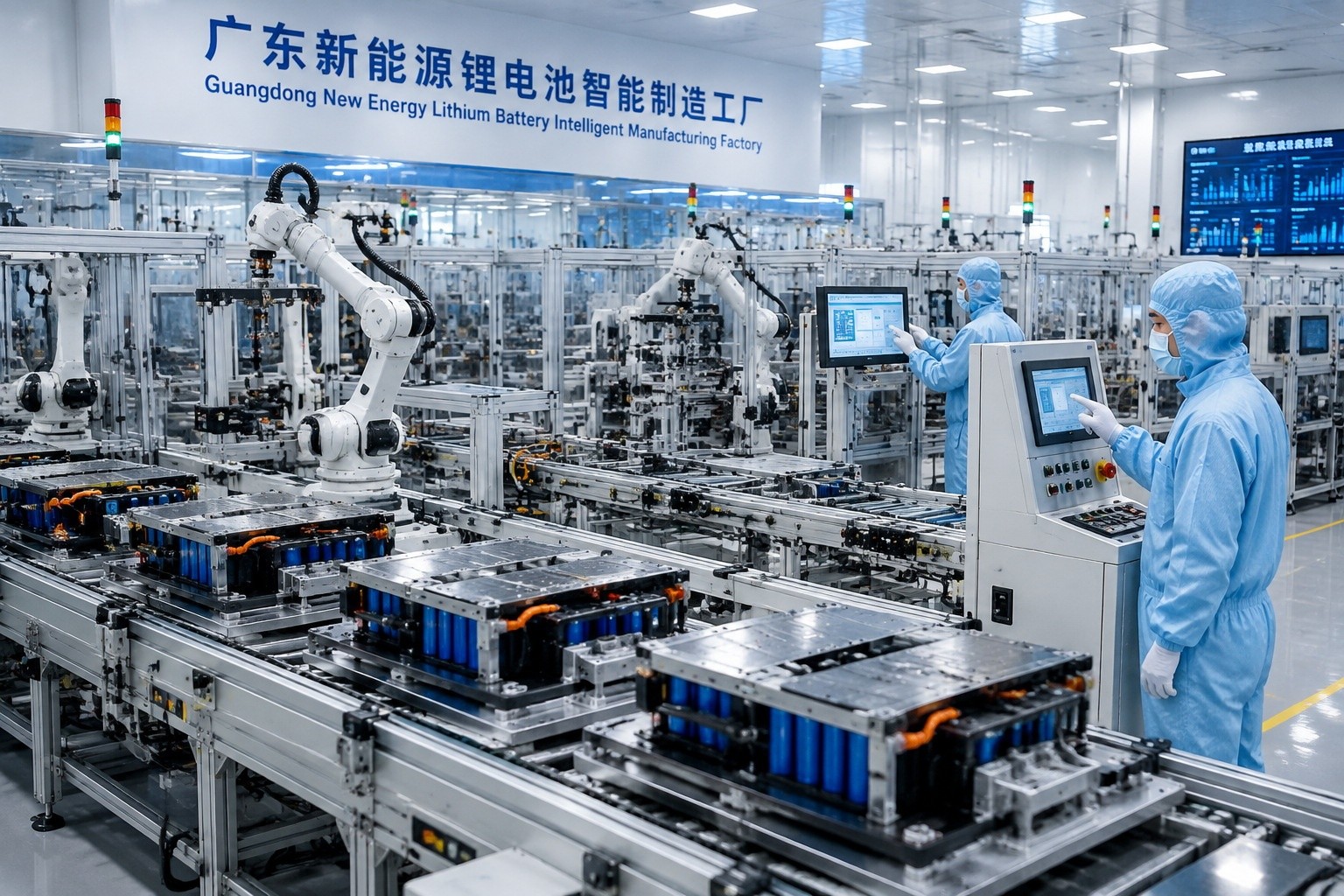
BYD’s unique advantage lies in its vertical integration. Unlike Tesla, which relies on external battery suppliers, or many legacy automakers that outsource key components, BYD controls the entire production chain. The company produces its own battery packs, including the innovative blade battery, which uses lithium iron phosphate (LFP) chemistry to reduce fire risks and cost. It also manufactures its own power semiconductors through its subsidiary BYD Semiconductor, a crucial buffer against the global chip shortage.
This self-sufficiency is in stark contrast to many carmakers that struggled to source electronic control units during the pandemic. BYD even builds its own production machinery and molds. The result is a cost structure that allows BYD to undercut rivals while still generating profit. In 2024, BYD overtook Tesla as the world’s best-selling electric vehicle brand, selling over 1.6 million NEVs in the first six months alone.
The Pearl River Delta’s Supply Chain Ecosystem
BYD’s success is inseparable from the broader Pearl River Delta ecosystem. The region is a global hub for consumer electronics, and this background has been leveraged for electric vehicles. Around 80% of the components in a typical NEV produced in Guangdong come from within the province or nearby delta cities, covering the full value chain—from mined minerals to sophisticated software.
Battery manufacturing is the most visible pillar. Guangdong accounts for roughly 35% of China’s lithium-ion battery production capacity, with CATL, EVE Energy, and BYD’s own battery division operating plants here. The supply chain includes dedicated producers of cathodes, anodes, electrolytes, and separators. In the semiconductor segment, Guangdong has nurtured a cluster of companies producing power semiconductors, sensors, and microcontrollers tailored for vehicles. BYD Semiconductor, a subsidiary of the automaker, is one of them, supplying IGBT modules and gate drivers. The permanent magnet motor supply chain is also well developed, leveraging the region’s rare earth processing capabilities.
The proximity of suppliers allows for rapid iteration. A design change in a battery pack can be tested and implemented within weeks, not months. According to industry reports, a typical NEV built in Guangdong has a local content ratio exceeding 80%, meaning over four-fifths of the car’s value is created within the region. This integration reduces logistics costs and makes the supply chain more resilient.
Government Policies and Market Dynamics
Local governments have nurtured this ecosystem with a mix of subsidies, infrastructure, and regulation. Shenzhen, for example, started electrifying its bus fleet in 2017 and now has one of the densest charging networks in the world. The city offers NEV buyers tax exemptions, free parking in some areas, and easy access to license plates (which are otherwise auctioned or rationed). Guangzhou has similar incentives and has become a testing ground for autonomous driving technology. Guangdong now operates over half a million public charging points, the most of any province in China.
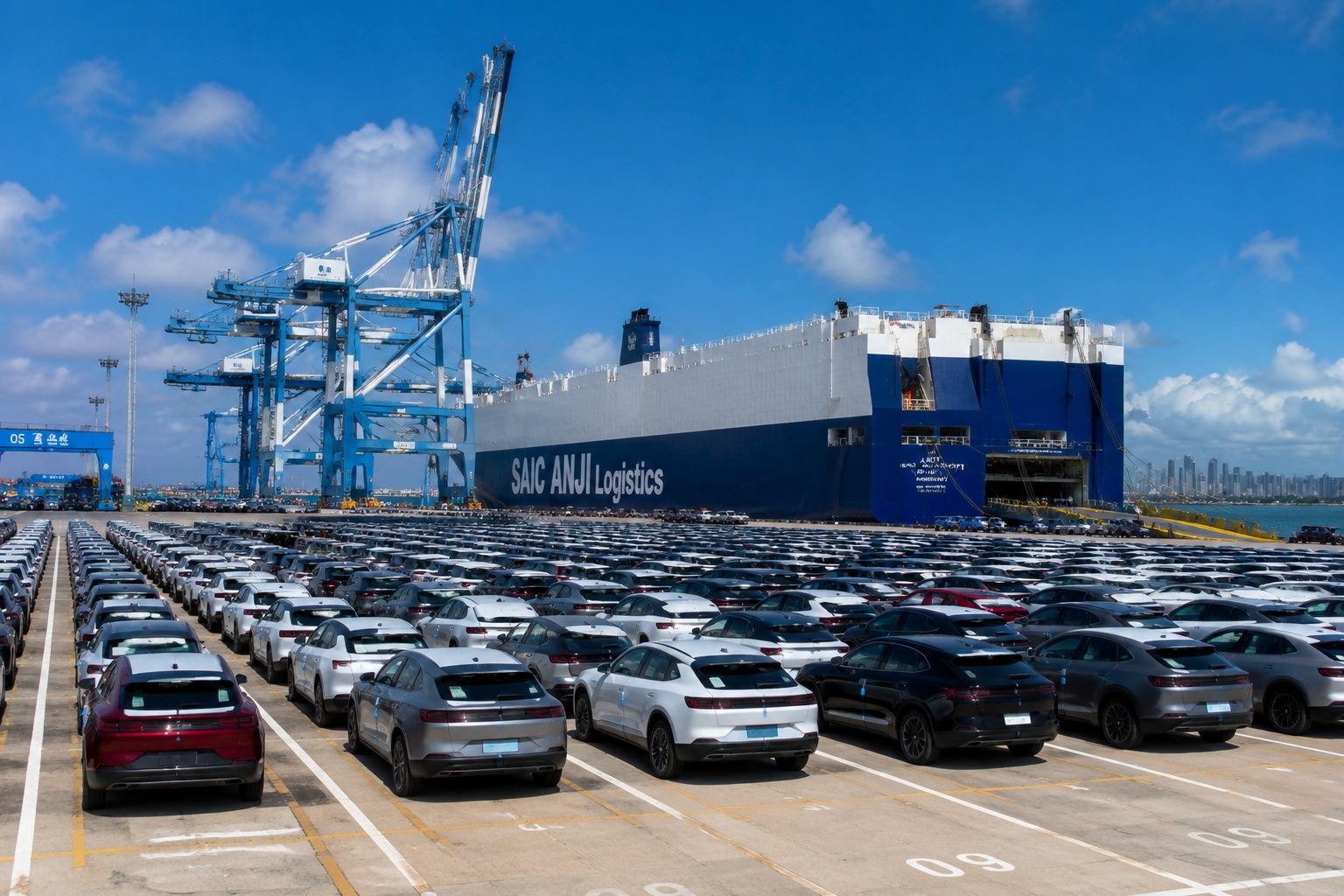
Guangdong province also boosted exports. In 2023, the province exported over 400,000 NEVs, with BYD leading the charge to Southeast Asia, Europe, and Latin America. The province’s free trade zones have streamlined customs procedures, and the Belt and Road Initiative has opened new markets. However, this outward push has faced headwinds, particularly the European Union’s decision to impose additional tariffs on Chinese-made EVs. In response, BYD is building factories in Hungary and Thailand, allowing it to circumvent tariff barriers and better serve local markets.
Challenges and the Road Ahead
Despite its strengths, Guangdong’s NEV industry is not without challenges. The rapid growth has led to price wars among domestic manufacturers, squeezing profitability. While BYD has economies of scale, smaller rivals struggle. The chip industry, though improving, still relies on older nodes and cannot yet match the leading-edge semiconductors from Taiwan or South Korea. Moreover, talent competition is fierce, as Guangdong’s tech firms poach engineers from each other.
Yet the momentum remains strong. Guangdong is home to some of China’s most innovative car startups, such as XPeng, which is developing intelligent driving systems tailored to Chinese roads. The province plans to invest heavily in solid-state battery research and to expand its charging network to keep pace with vehicle sales. As the world’s largest auto market shifts to electric vehicles, Guangdong—and by extension BYD and the Pearl River Delta supply chain—will play a decisive role in shaping the future of mobility.
Conclusion
What is happening in Guangdong is not just about cars. It is about how a region can transform its industrial base in a decade, leveraging existing skills in electronics and manufacturing to lead a new global industry. The BYD success story is intertwined with the Pearl River Delta’s dense network of suppliers, creating a model that many other regions are now trying to copy. For overseas observers, the lesson is clear: China’s electric vehicle revolution is not a top-down mandate but a bottom-up ecosystem, and Guangdong is its beating heart.
Start the discussion at forum.chinacomes.com