


Introduction: A Cup That Redefines Tea
Walk into any Chinese city today, and you’ll see them everywhere: young people clutching tall, colorful cups topped with a thick, creamy layer that looks more like a dessert than a drink. This is the new wave of tea — a universe far removed from the loose-leaf ceremonies of your grandfather’s generation.
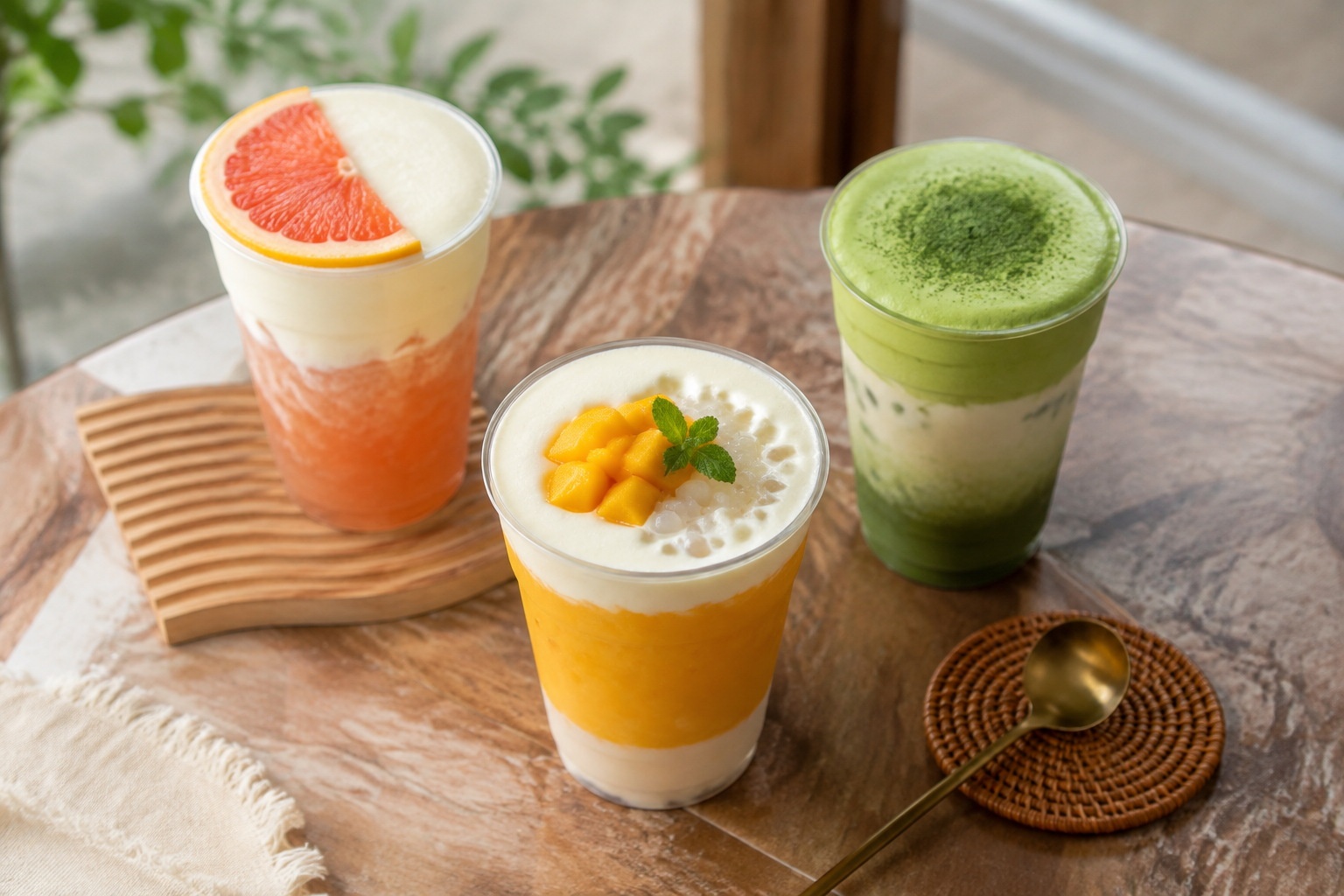
What’s in those cups? The stars of the show are cheese foam (a savory-sweet cream cheese froth) and real fruit chunks (mango, grape, peach). Tea is still the base, but it’s often jasmine green or oolong, served cold and shaken with fruit puree, then crowned with a snow-white cloud of cheese foam. The result? A drink that’s part tea, part milkshake, and utterly addictive.
How Did We Get Here? From Grandpa’s Gaiwan to a Plastic Cup
Traditional Chinese tea culture is ancient and ritualistic: leaf, hot water, a small cup, and time for contemplation. But around 2010, a shift began. A chain called Heytea (then known as Royaltea) in the southern city of Jiangmen started experimenting. They poured a layer of cream cheese over a cold-brewed tea, and something clicked. The first cheese foam tea was born.
The idea spread like wildfire. Within a few years, brands like Nayuki, Heytea’s rival, added fresh fruit slices on top. Now, the market is flooded with hundreds of players, from luxury outlets in Shanghai malls to street stalls selling 15-yuan cups.
Why Young People Love It: Novelty, Sharing, and Status
The success isn’t just about taste. It’s about experience. First, there’s the visual drama: a clear cup showing layers of tea, fruit, and foam. Then there’s the ritual of drinking: you tilt the cup to sip both tea and foam at once, getting a salty-sweet mix. And of course, social media. Posting a photo of your perfectly layered drink with a trendy backdrop has become a must.
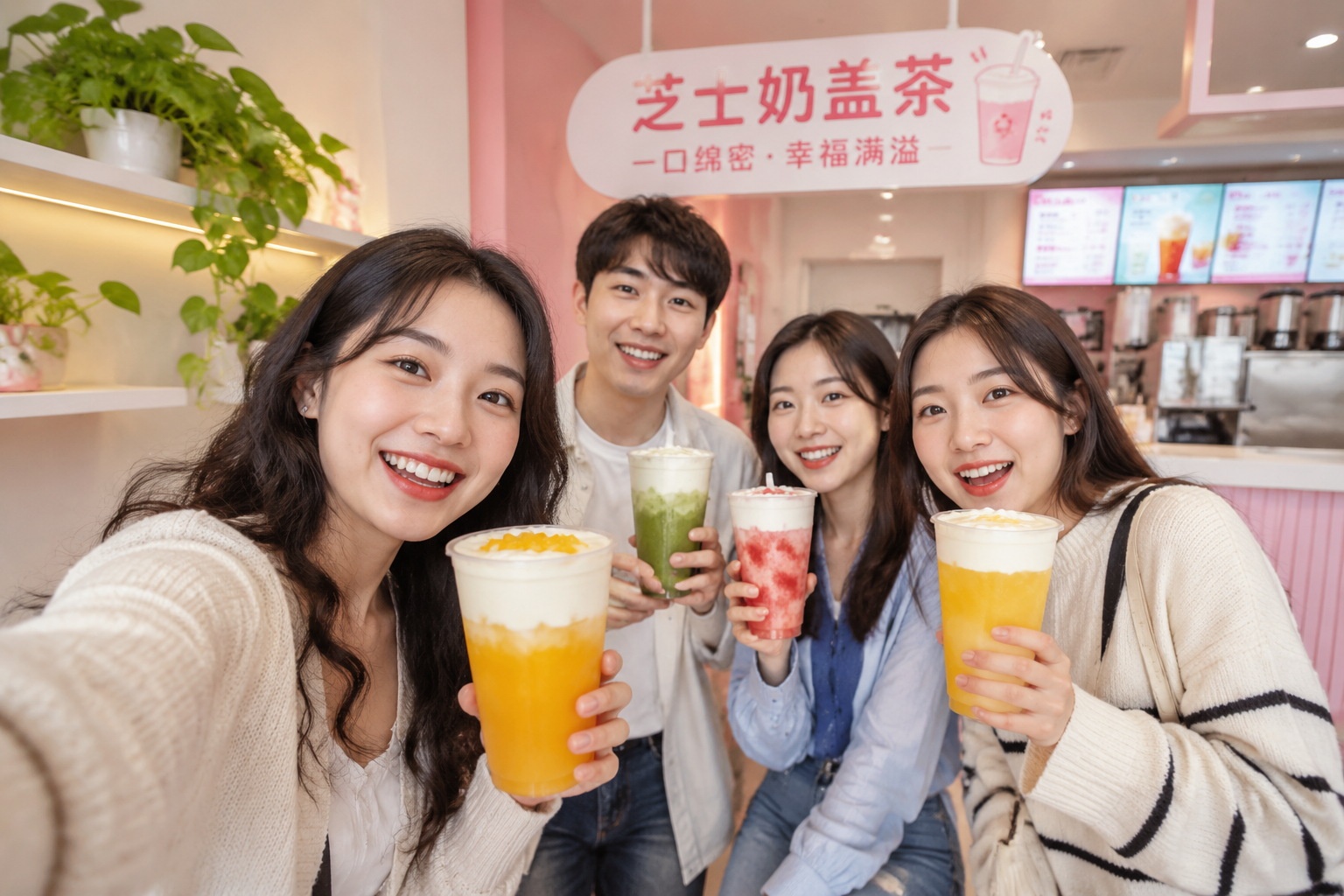
For young Chinese, buying a 30-yuan ($4) cheese tea is not just a beverage — it’s an affordable luxury, a way to treat yourself and show you’re in the know. It’s the new coffee, the new bubble tea (though bubble tea itself was an earlier wave). The difference? New wave tea feels fresher, healthier, more premium.
The Science Behind the Craze: Fruit + Tea + Foam = Magic
Product developers discovered a formula: use high-quality tea as a base (often jasmine or oolong), add real fruit puree for natural sweetness and acidity, and top with a light, airy cheese foam that provides umami and richness. The foam is key: made from cream cheese, milk, and a touch of salt, it’s whipped until thick, then chilled. When you sip, the foam floats on the tea, creating a gradient of flavors. The combination is engineered to be addictive — the saltiness contrasts with the sweet fruit, the creamy texture offsets the tea’s slight bitterness.
Brands constantly innovate: seasonal fruits like lychee and durian, toppings like coconut jelly or aloe vera, and even cheese foam variations (matcha, taro). The limited-time offers keep customers coming back.
Impact on Daily Life: New Social Spaces
These tea shops have become third places — not home, not work, but a bright, photogenic space to hang out. Friends meet for “tea dates.” Coworkers order delivery during breaks. On weekends, lines snake out the door of popular chains. The cups themselves have become a fashion accessory; some brands even design collectible cup sleeves.
The trend has also influenced traditional tea. Older tea houses now offer milk foam toppings to attract younger customers. Even middle-aged drinkers are trying fruit teas as a refreshing alternative to hot water. The line between “real tea” and “new tea” is blurring.
What Critics Say: Is This Even Tea?
Purists argue that cheese foam and fruit chunks mask the true flavor of tea. They worry the younger generation is losing touch with centuries of tea culture. But defenders say it’s natural evolution: every generation reinvents tradition. Besides, the new wave tea brands source high-quality loose-leaf tea, and they’ve introduced millions of young people to oolong and jasmine — far more than traditional methods could.
Conclusion: A Tea Revolution, Sip by Sip
The boom of cheese foam and fruit tea is more than a drink fad. It reflects a generation that values personalization, sensory excitement, and shareable moments. Whether you love it or hate it, one thing is clear: tea in China will never be the same. Next time you see a cup topped with white foam, give it a try. You might just find your new favorite — and a snapshot of modern China.
Start the discussion at forum.chinacomes.com