
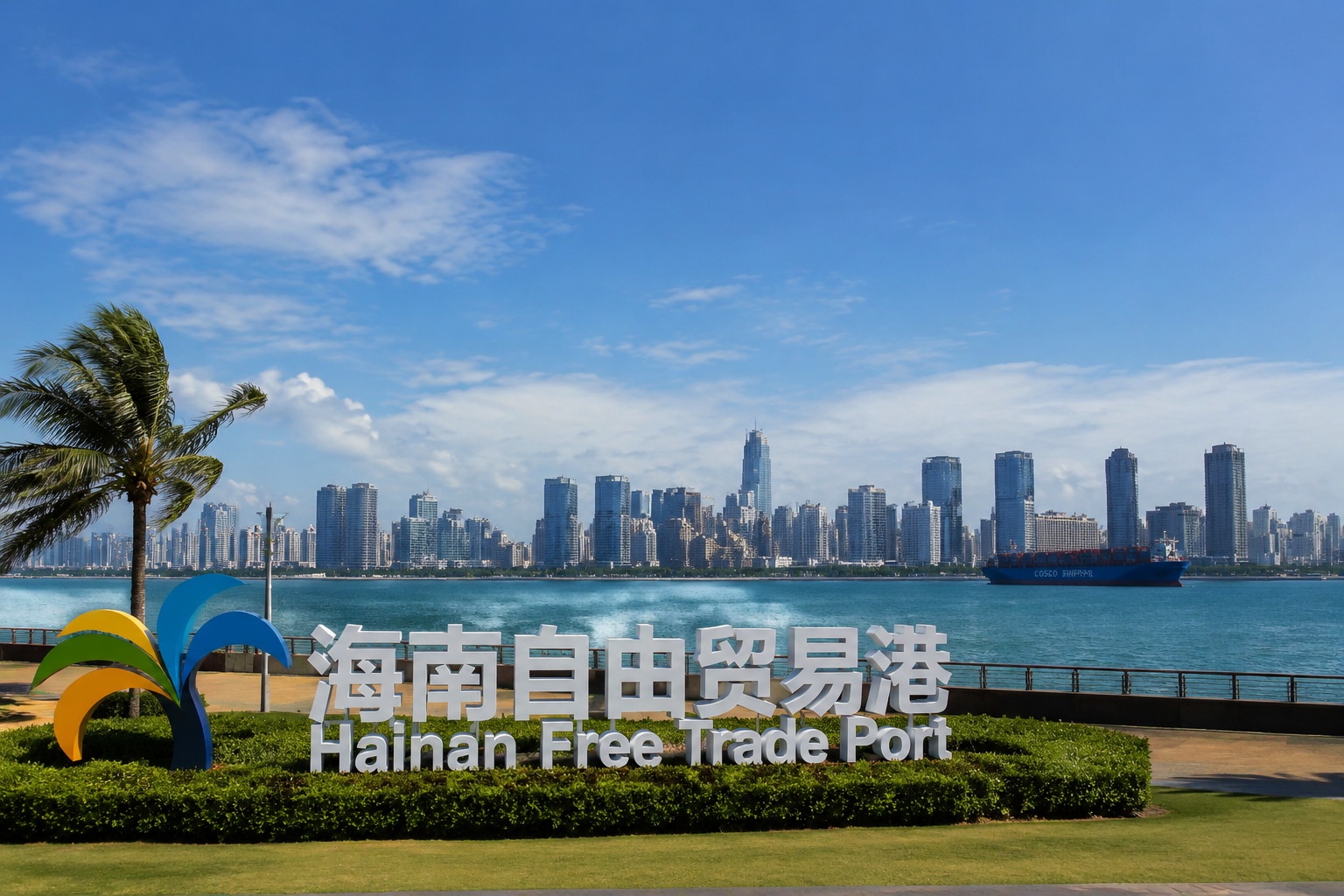

A Duty-Free Morning in Haikou
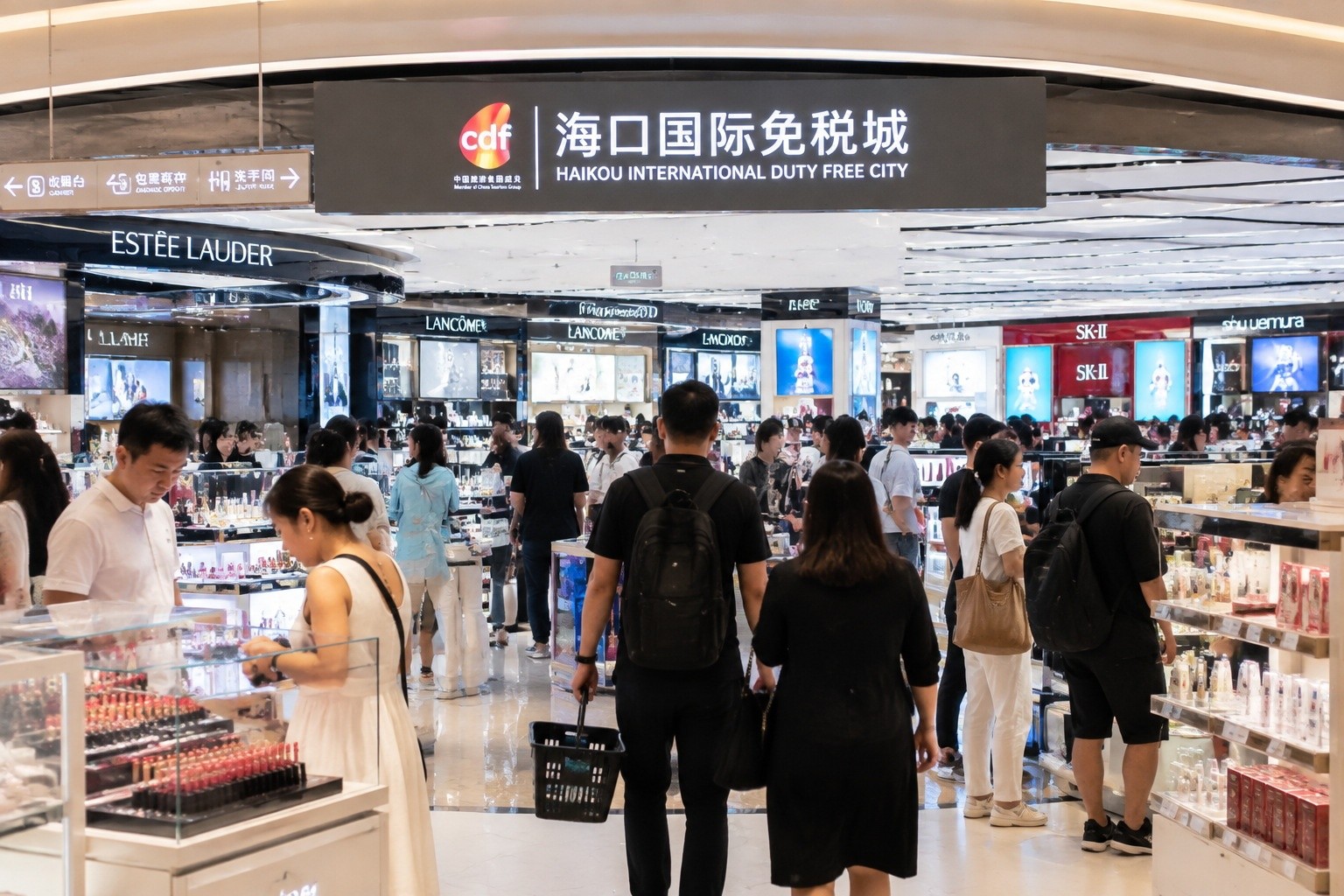
On a humid Saturday morning, the duty-free store in Haikou’s Riyue Plaza is already filling with customers. A woman from Shanghai is comparing two bottles of French perfume, calculating whether to buy now or wait until the island’s duty-free policy expands further. She tells me she has been to Hainan three times this year, spending her 100,000-yuan annual allowance on skincare and luxury bags. For her, Hainan is not just a beach destination; it is a shopping loophole that saves her 20-30% compared to mainland prices. That loophole is about to become permanent and wider.
What “Island-Wide Customs Closure” Actually Means
The Chinese government plans to begin full customs closure across Hainan by the end of 2025. In simple terms, the entire island becomes one giant bonded zone. Goods from overseas enter Hainan with zero import duties, but if they are later shipped to the Chinese mainland, they are subject to ordinary customs duties. This is the “first-line liberalization, second-line control” principle, borrowed from global free-trade-port practices but adapted to China’s size and governance.
Businesses can import machinery, raw materials and components tariff-free as long as the output stays on the island or is used in further processing. For consumers, this means imported goods sold in Hainan will be cheaper than the same goods in Beijing or Shanghai, because the tax burden is removed at the border.
The Business Case: Lower Taxes, Zero Tariffs
The financial incentives are substantial. Companies in encouraged industries pay corporate income tax at a 15% rate, compared with the standard 25% in mainland China. They also benefit from VAT exemptions on imported self-use equipment and a simplified customs process. According to Hainan provincial tax authorities, in 2023 these measures saved businesses over 5 billion yuan in the manufacturing and hi-tech sectors alone.
Take the medical device company that moved a production line to Haikou. It imported a Swiss laminar-flow inspection system at zero tariff, saving roughly 2 million yuan in import taxes. The company now sells its testing services at a price that is 15% below its mainland competitors, purely because of the tax advantage.
The number of market entities in Hainan has grown from around one million in 2018 to over 3.9 million by the end of 2023. Not all are new factories; many are trading companies and logistics firms taking advantage of the registration-friendly environment.
For Shoppers and Residents: Quieter, Cheaper Luxury
For ordinary people, the most tangible change is the duty-free shopping quota. Each non-resident can purchase up to 100,000 yuan (about $14,000) worth of duty-free goods per year when leaving Hainan. This was raised from 30,000 yuan in 2011 and has gradually expanded in product categories. In 2023, Hainan recorded 43.7 billion yuan in duty-free sales, a clear signal that the island is becoming a retail hub.
After customs closure, local residents will also be able to buy imported goods without leaving the island. The government has announced plans to build “zero-tariff” urban retail zones, where everyday items like food, personal care products and household appliances will be sold at international prices minus tariffs.
High-end talent working in Hainan enjoys an additional perk: personal income tax is capped at the effective rate of 15%, with the local government subsidizing any amount above that. For a professional earning 1 million yuan a year, this can mean tens of thousands of yuan in extra take-home pay.
Questions from the Outside World
Will Hainan become another Hong Kong?
Not really. Hong Kong has its own legal system and currency, while Hainan remains within mainland China’s legal framework. But the zero-tariff environment is comparable, and for many companies it offers a cheaper base to serve Chinese consumers.
Is the duty-free shopping unlimited?
No. The annual quota is 100,000 yuan per adult. Once you reach that limit, you cannot purchase more duty-free items until the next calendar year.
Can I buy luxury goods online?
Yes. Hainan has an official online duty-free ordering platform, where you can reserve goods and pick them up at the airport, port or train station.
When exactly will the closure happen?
The official target is the end of 2025, and preparatory work is already in its final stage. The exact day may be announced later this year.
The Logistics Behind the Change
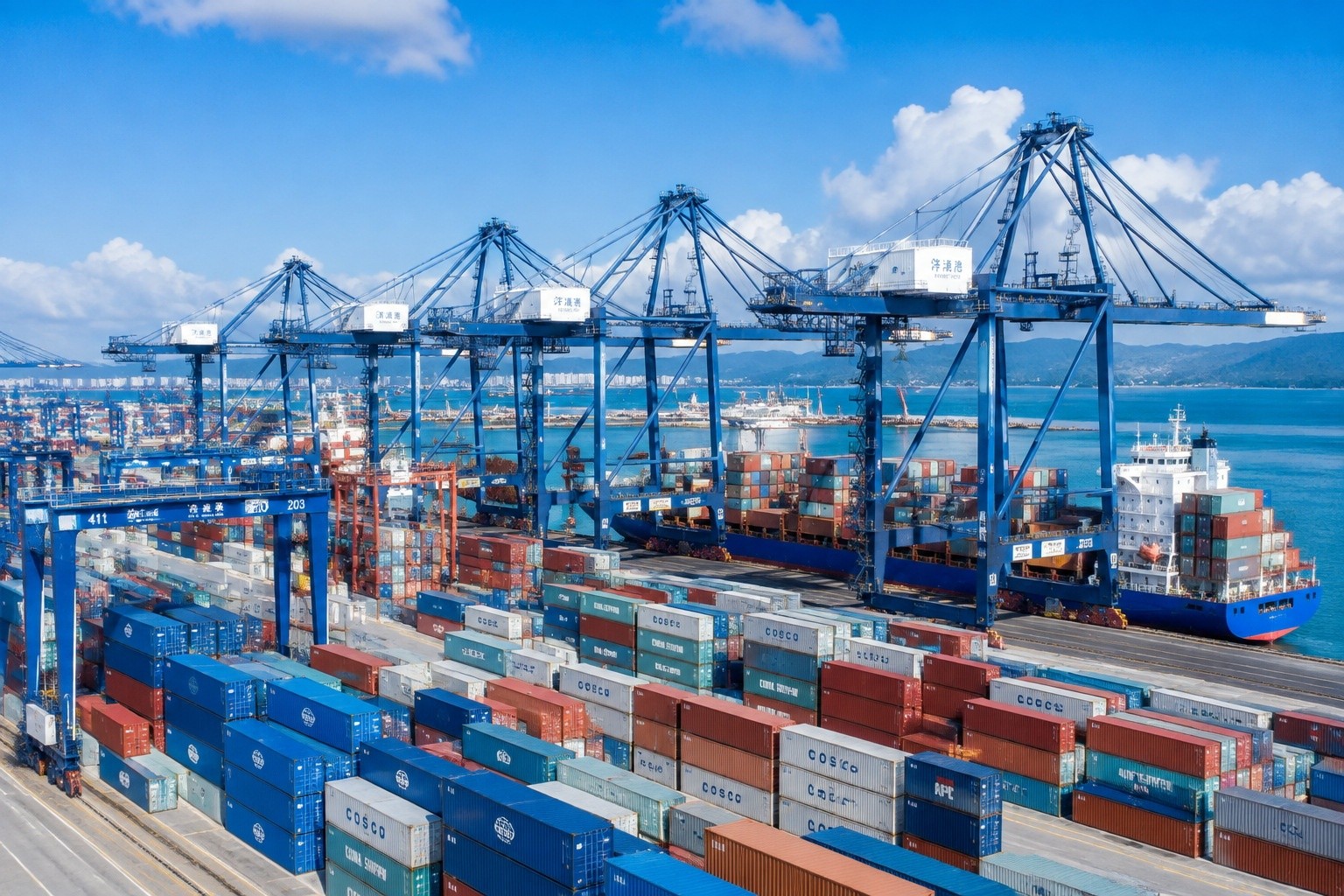
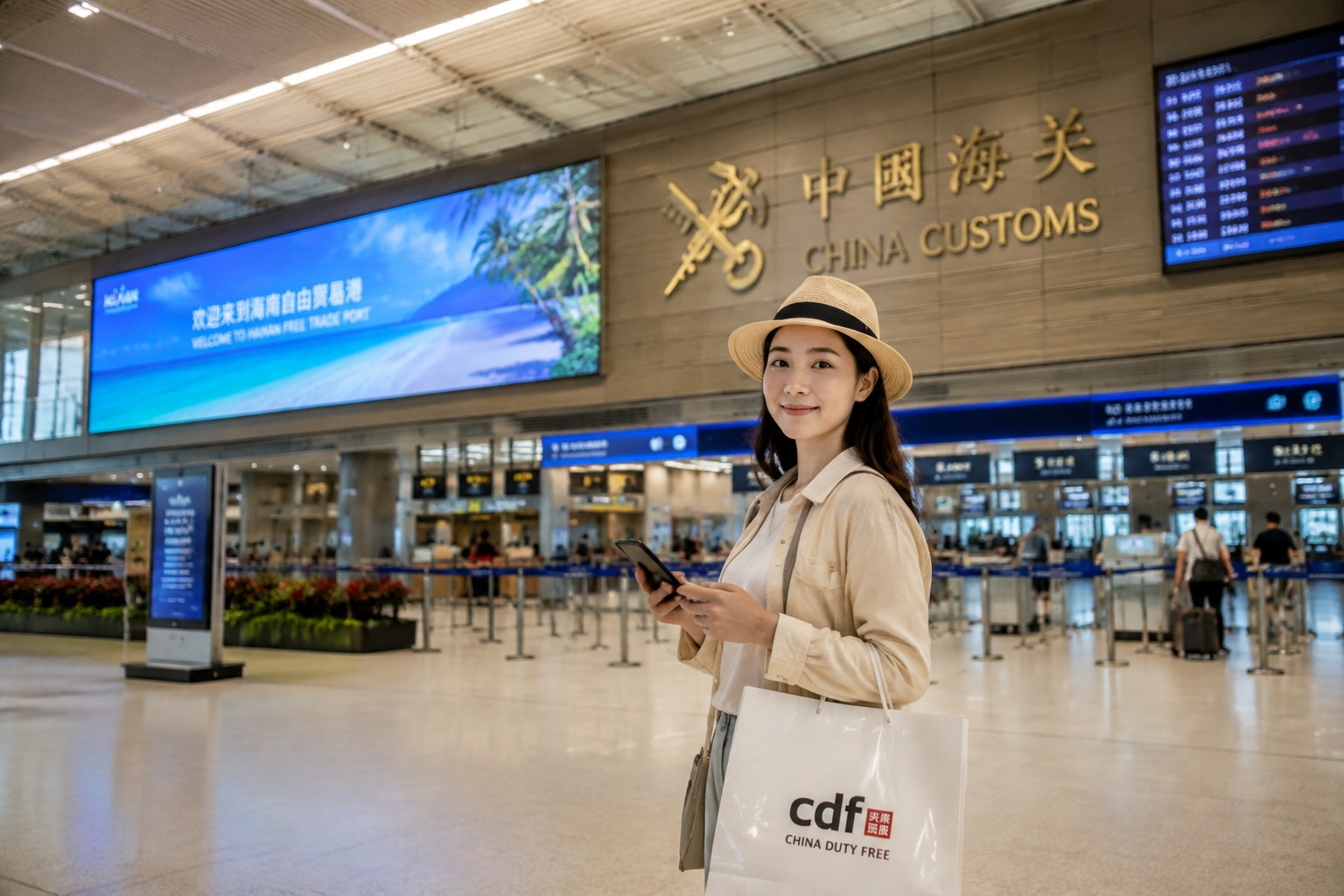
To manage this transformation, Hainan has been building new port facilities and upgrading customs infrastructure. Yangpu Port, the island’s largest deep-water port, expanded its container terminal and now operates as a key transshipment point. Haikou Meilan International Airport has a new runway and a dedicated customs inspection hall. On top of physical infrastructure, a smart-customs system uses big data and AI to screen high-risk shipments, reducing the need for physical checks while maintaining control.
These preparations are already visible. In 2024, Hainan handled more than 20 million TEUs of container traffic at Yangpu and nearby ports, a number that keeps rising as companies re-route supply chains through the island.
Practical Steps for Businesses and Travelers
For companies, the first step is to check whether your industry is on the encouraged-list published by the Hainan Free Trade Port Committee. If yes, you can register a subsidiary and start enjoying the tax benefits immediately. You will need to keep separate accounting for bonded and non-bonded goods, and adopt a customs-bonded inventory system. Several consulting firms in Haikou and Sanya now offer specialized advice on this.
For individuals, start by understanding the quota and the product list. Use your ID or passport to register on the official “Liyou Hainan” duty-free app. Compare prices online before you fly. When you arrive, pay at the counter or online, and pick up your goods at the departure gate. The process is smooth and digital.
The Bigger Picture
Hainan’s customs closure is not a single event on a calendar. It is the culmination of years of infrastructure construction, institutional reform and pilot projects. For China, it is an experiment in how far market opening can go without losing control. For the rest of the world, it is a quietly attractive destination for trade and travel — where the islands are warm, the policy is cool, and the shopping is just a bit easier.
Start the discussion at forum.chinacomes.com