

Coming Home to an Unfamiliar City
When Kevin, a friend from Shanghai, told me he was moving to Hefei, I assumed he was joking. He was a marketing manager with a solid career at an international agency. He loved the skyline of Lujiazui and the late-night bars of Xintiandi. But when we video-called last spring, he was sitting on a bright balcony overlooking a lake. "I bought this place," he said, grinning. "It’s 85 square meters and cost me the same as a 40-square-meter studio in Shanghai’s outer ring."
Kevin is not a lone exception. Over the past decade, Hefei, the capital of inland Anhui Province, has transformed from a quiet transportation hub into a magnet for young Chinese seeking a balance between work and life. Its housing market, far more affordable than coastal megacities, plays a crucial role in that transformation.

From Underdog to Tech Hub
Not long ago, Hefei was overshadowed by better-known Chinese cities. Tourists passed through on their way to Huangshan, but few stopped. Today, the city is a national leader in advanced manufacturing. It hosts major display panel makers, electric vehicle plants, and one of the world’s leading quantum computing research centers. Companies like BOE, NIO, and iFlytek have deep roots here.
The economic shift created a new wave of white-collar jobs. According to municipal data, Hefei’s GDP rose from about 400 billion yuan in 2010 to over 1.2 trillion yuan in 2023. The city’s population now exceeds 9.6 million, with a significant share under the age of 35. For young professionals, this means a job market that is growing far faster than the number of fresh graduates.
What Housing Actually Costs in Hefei
Let’s get to the numbers. In 2024, the average price for a new residential property in central Hefei is around 18,000 yuan per square meter. In Shanghai, the same figure is above 60,000 yuan. In Beijing, it’s even higher. Even compared to nearby second-tier cities like Hangzhou or Nanjing, Hefei’s homes are roughly 40% cheaper.
Rents are equally modest. A one-bedroom apartment near the government district rents for about 2,500 yuan per month. For a recent graduate earning 8,000 yuan a month, that’s under a third of their salary, leaving room for savings or simple luxuries. In Shanghai, a similar apartment would cost at least twice as much.
But there’s a nuance. Home prices in Hefei have not sunk into dramatic decline; they have stayed relatively stable since the government’s cooling measures in 2021. The stability gives young buyers a sense of security—they worry less about "buying at the top" or missing out.
Portraits of Young Buyers
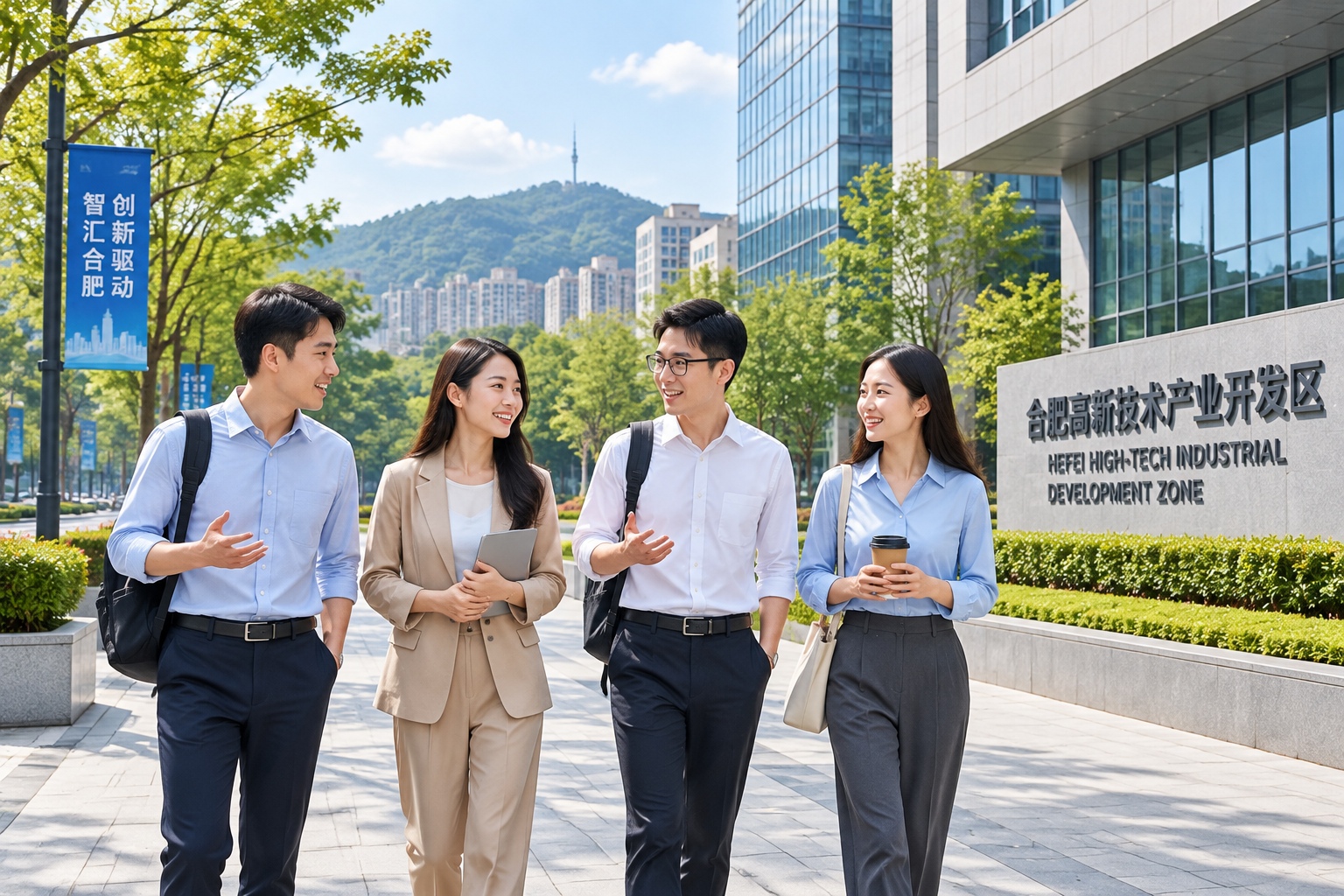
Consider Zhang Wei, 29, an algorithm engineer at a tech firm in Hefei’s High-tech Zone. He grew up in a small town in northern Anhui and chose Hefei for its accessibility. In 2022, he bought a 90-square-meter apartment for 1.6 million yuan. "My parents helped with 30% for the down payment," he says. "My monthly mortgage is about 6,000 yuan, which is less than what some friends pay for rent in Shenzhen."
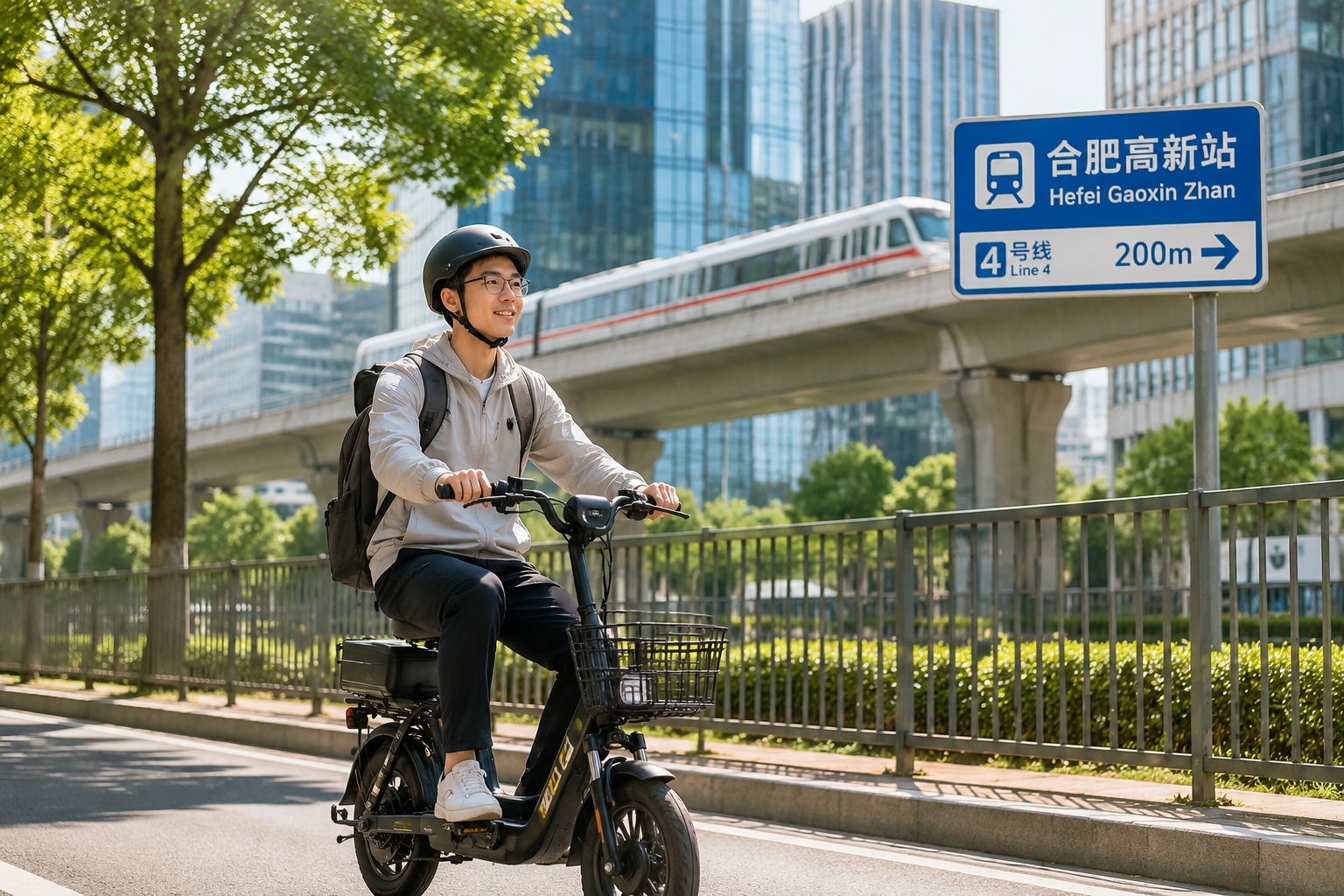
Zhang’s daily life feels calm. He commutes via electric bike in 20 minutes. On weekends, he hikes in Dashushan, a forest park inside the city, or practices badminton at a local sports center. "I have time to cook, read, and sleep eight hours," he says. "For an engineer, that’s a luxury."
Then there’s Liu Yang, 26, a product designer who moved back from Hangzhou. Hangzhou’s housing prices had soared beyond her reach. "I was sharing a bedroom there," she recalls. "Here, I rent a bright studio alone." She appreciates the emerging lifestyle: new cafés, indie bookstores, and a riverside running track. "It’s not as trendy as Hangzhou, but it’s improving fast."
Government Policies That Actually Help
Hefei’s local government has been proactive in attracting talent. Programs like the "Hefei Talent Plan" offer housing subsidies, relocation stipends, and rental allowances for qualified college graduates and skilled workers. Some tech companies receive dedicated housing plots to build dormitories for staff. In 2023, the city allocated 3 billion yuan to subsidize rental housing for young people.
These measures matter. A 2024 survey by the Chinese Academy of Social Sciences ranked Hefei among the top five inland cities for young people’s job satisfaction. The overall cost of living remains one of the lowest among China’s major cities, despite rising salaries.
The Trade-Offs No One Talks About
Still, life in Hefei has a flip side. Public transportation is improving but limited. The metro lines cover the core areas, but many elderly neighborhoods lack easy access. The international community is small, and cultural entertainment options—theater, live music, contemporary art—are fewer and further between. Air quality in winter can be poor, and the climate swings between scorching summers and chilly, damp winters.
Wages are another issue. For the same tech role, Hefei pays about 20% less than Shanghai or Shenzhen. Ambitious professionals may reach a glass ceiling as high-level positions remain concentrated in headquarters cities. Some young people come, raise a family, and leave later for bigger opportunities. Others embrace the slower pace.
"I chose Hefei because I didn’t want to live in a small room until I’m 40," says Chen Jie, a 33-year-old teacher. "Yes, I earn less than I could in Beijing. But I own a car, I have a spacious flat, and I have two children. That’s a trade-off I’d make again."
A Model for China’s Next Cities
Hefei’s story is not just about one city. As China’s coastal metropolises become overcrowded and unaffordable, inland cities like Hefei, Chengdu, and Wuhan are creating an alternative path. They prove that young people will move where they can afford a dignified life—not just a glamorous one.
Kevin, my friend who moved from Shanghai, now runs a small content agency in Hefei. He says the city gives him "space to think." He has a home office with a view of the lake, a 15-minute bike ride to the city center, and enough disposable income to travel to Shanghai once a month. "It’s not the most exciting place in China," he admits. "But it’s a place where I can breathe."
Perhaps that’s the most powerful attraction of all.

Conclusion
Hefei’s housing market and its young talent are deeply intertwined. The city has built a reputation as a place where hard work can lead to a home, and where career growth doesn’t have to mean sacrificing your personal life. It faces real challenges—pollution, lagging culture, limited international exposure—but its momentum is undeniable.
For many young Chinese, Hefei represents a more realistic version of the Chinese Dream: a decent job, a key to your own front door, and time to enjoy the city while it grows. That is why, for now, they keep coming.
Start the discussion at forum.chinacomes.com