

1. The Switchboard Room in Dongguan
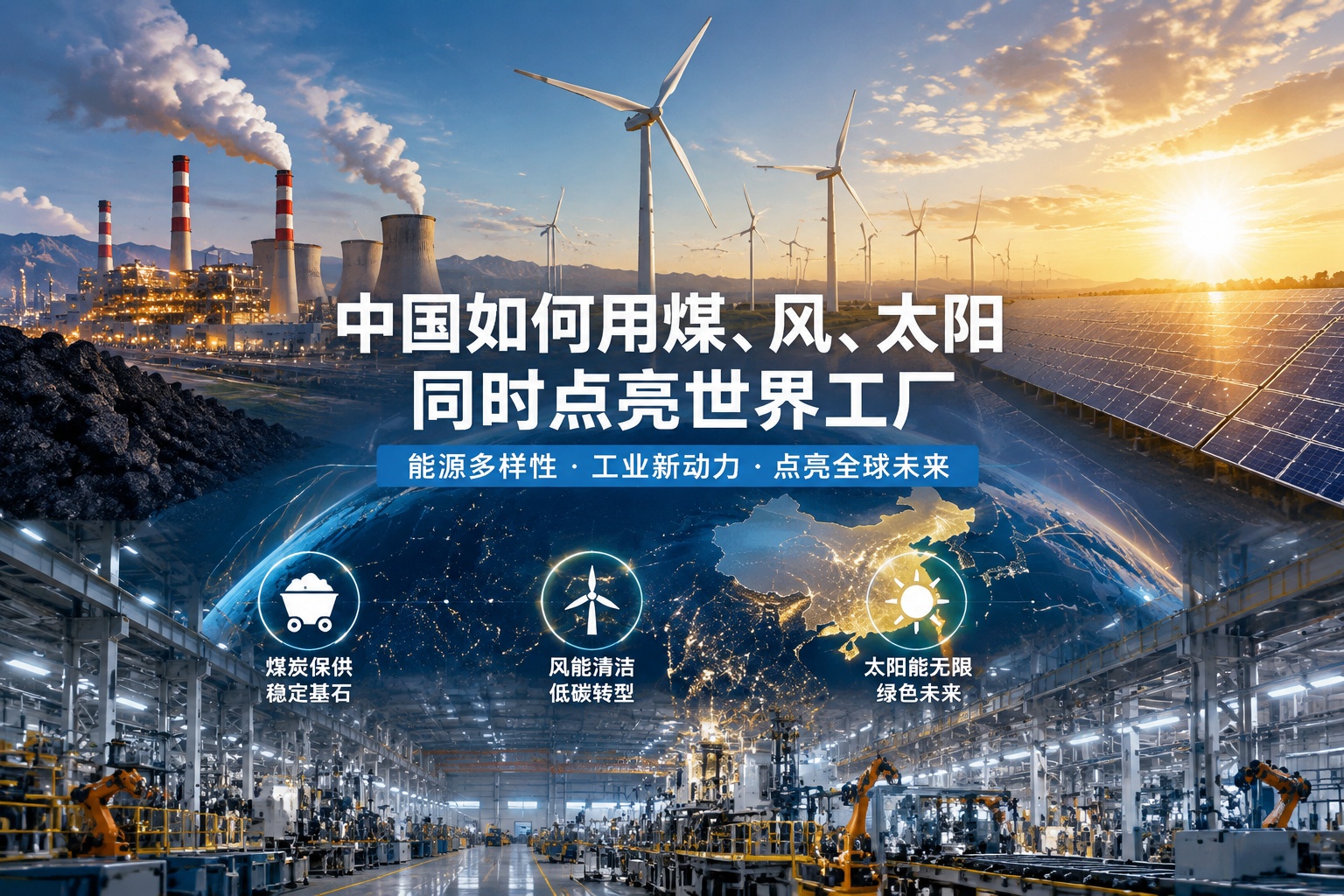
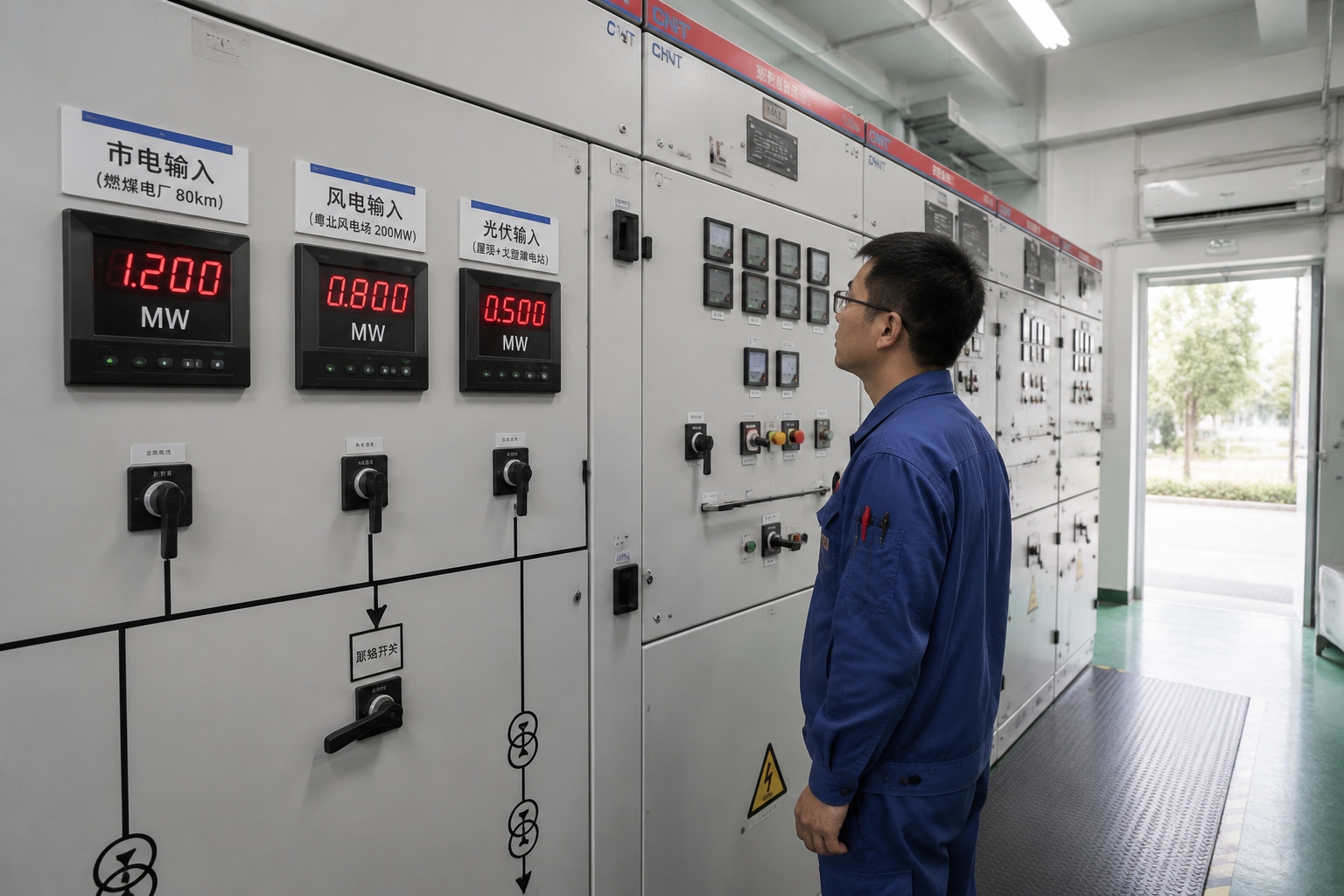
At 8:30 a.m., the air in the switchboard room of a mid-sized electronics factory in Dongguan, Guangdong, smells of warm insulation and metal. A technician in a blue uniform checks the digital meters on three incoming lines. One line carries electricity from a coal-fired power plant 80 kilometers away; another pulls from a 200-megawatt wind farm in the mountains of northern Guangdong; the third draws from solar panels on the factory’s own roof and from a utility-scale solar farm in the Gobi Desert, more than 2,000 kilometers to the west.
The three readings show 1.2 MW, 0.8 MW, and 0.5 MW respectively. The factory’s owner, Mr. Chen, tells me that the mix changes every hour. “In the morning, solar is still low. By noon, it can cover 30% of our load. If the wind picks up in the afternoon, we might shut down one coal unit.” His factory makes Bluetooth earphones for export. The power that runs the assembly lines, the soldering stations, and the Wi-Fi routers comes from three different centuries of energy technology—working together.
2. Coal: The Unforgotten Anchor
China still burns more coal than any other country—about 4.5 billion tonnes in 2023, producing roughly 60% of its electricity. For many overseas readers, this number alone might seem like a failure of climate policy. But inside China’s energy system, coal is not a villain; it’s a baseload anchor. It runs 24/7, regardless of weather. When the wind dies down or the sun sets, coal plants ramp up within minutes. Without them, factories would face blackouts, and the supply chain of everything from iPhones to electric vehicles would break.
In the industrial city of Tangshan, a coal-fired power plant built in the 1990s has been retrofitted with ultra-low-emission scrubbers. The plant’s manager, Mr. Li, shows me the monitoring screen: sulfur dioxide, nitrogen oxides, and particulate matter are all below 10 mg per cubic meter—comparable to natural gas plants in Europe. “The old image of black smoke is 20 years old,” he says. “Today, the smoke you see is mostly water vapor.”
That said, coal still accounts for the largest share of China’s carbon emissions. The government’s target is to peak coal consumption before 2025 and then reduce it. But for now, the world’s factory cannot run without coal. It’s a realistic compromise, not a preference.
3. Wind and Sun: From the Gobi to the Rooftop
China has also built the world’s largest wind and solar capacity—over 1,200 GW combined by the end of 2023. That’s more than the entire electricity grid of the United States. But how does electricity from a wind turbine in Xinjiang reach a factory in Guangdong?
High-voltage direct current (HVDC) transmission lines. A 3,000-kilometer HVDC line connects the wind-rich Gobi Desert to the industrial load centers in the east. The line loses only 3% of the electricity over the distance, compared to 8% for conventional AC lines. Along the way, the power is fed into the regional grids, where provincial dispatchers decide how much to accept.
On the consumer side, rooftop solar has become a common sight in many Chinese factory districts. In the city of Suzhou, a textile factory installed 10 MW of solar panels on its roof five years ago. The panels cover 20% of its annual electricity needs. The factory’s owner says the payback period was 6 years; now the electricity from the panels is essentially free. “It’s not just an environmental move,” he says. “It’s a business decision.”
Farmers in rural areas also benefit. In Shandong province, a farmer named Wang has installed 20 kW of solar panels on his pig farm. The panels generate electricity during the day, which he sells to the grid. The income—about 8,000 yuan ($1,100) per year—is a significant supplement to his farming income. “The panels keep the pigs cool in summer, too,” he adds with a smile.
4. The Secret of Coordination: Smart Grids and Giant Batteries
Managing three energy sources simultaneously is the hardest part. The grid must balance supply and demand every second. Wind and solar are variable; coal is controllable but slow. To solve this, China has invested heavily in smart grid technology and energy storage.
In the control room of the State Grid’s Jiangsu branch, a huge screen displays real-time data from thousands of power plants and hundreds of thousands of solar and wind sites. Algorithms predict the next 24 hours of wind and solar output using weather models. The dispatcher, Ms. Zhang, explains: “If the forecast says wind will drop at 4 p.m., we pre-ramp up coal plants or call on pumped hydro storage.”
Pumped hydro storage is essentially a giant battery: water is pumped uphill during low demand and released to generate power during peaks. China has the largest pumped hydro capacity in the world, with 50 GW installed and another 80 GW under construction. Battery storage, mainly lithium-ion, is also growing fast—over 30 GW by 2023.
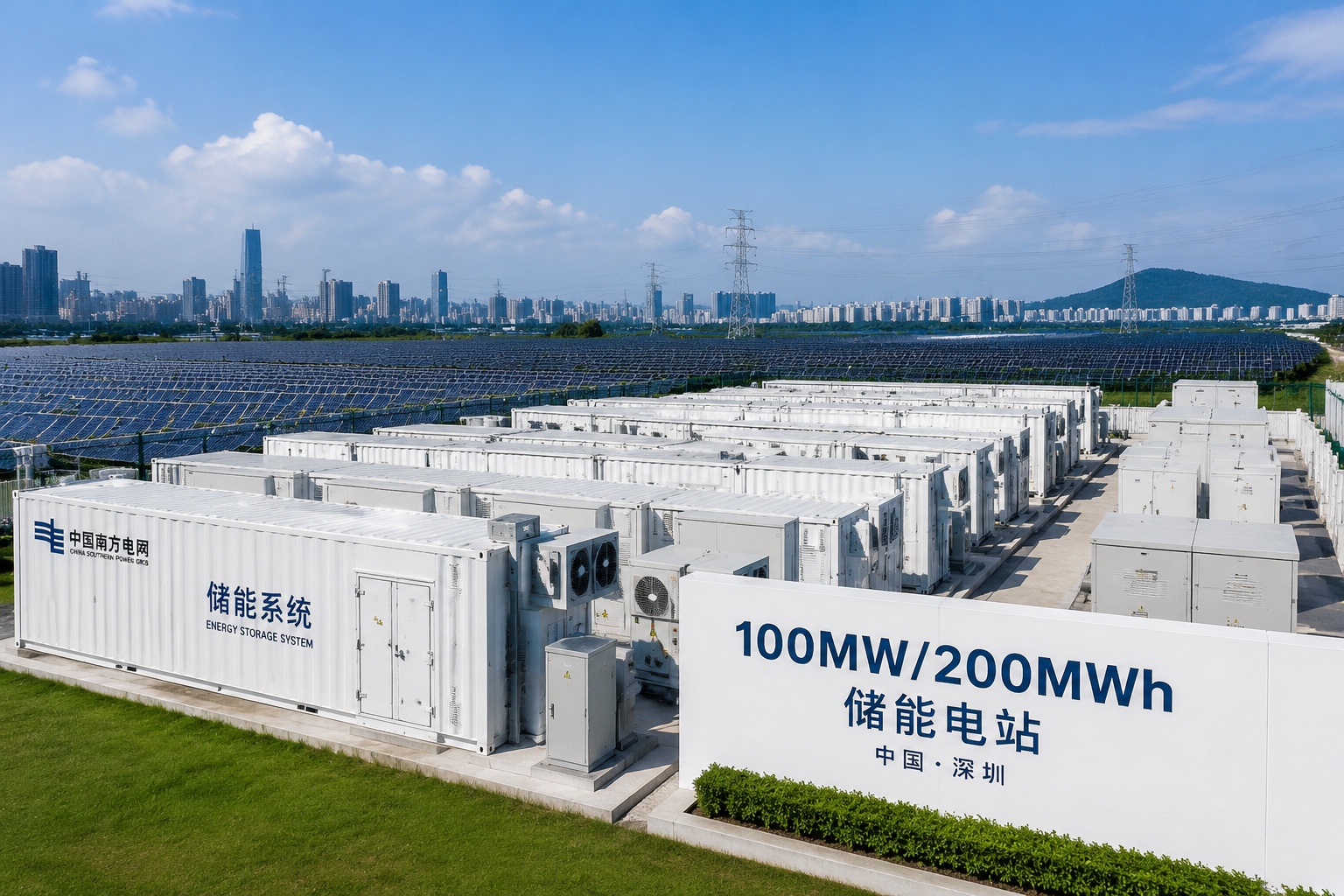
In the city of Shenzhen, a 100 MW/200 MWh battery station sits next to a solar farm. It charges during the day and discharges in the evening when the factory lights come on. The station’s operator tells me the round-trip efficiency is 85%. “It’s not perfect, but it’s good enough to make solar dispatchable,” he says.
5. What Ordinary People Feel
For most Chinese workers and consumers, the energy transition is invisible. The electricity bill has not gone up significantly—industrial electricity prices have remained stable at around 0.6-0.8 yuan per kWh ($0.08-0.11) for years. For the factory in Dongguan, the cost of electricity is a manageable part of the final product price.
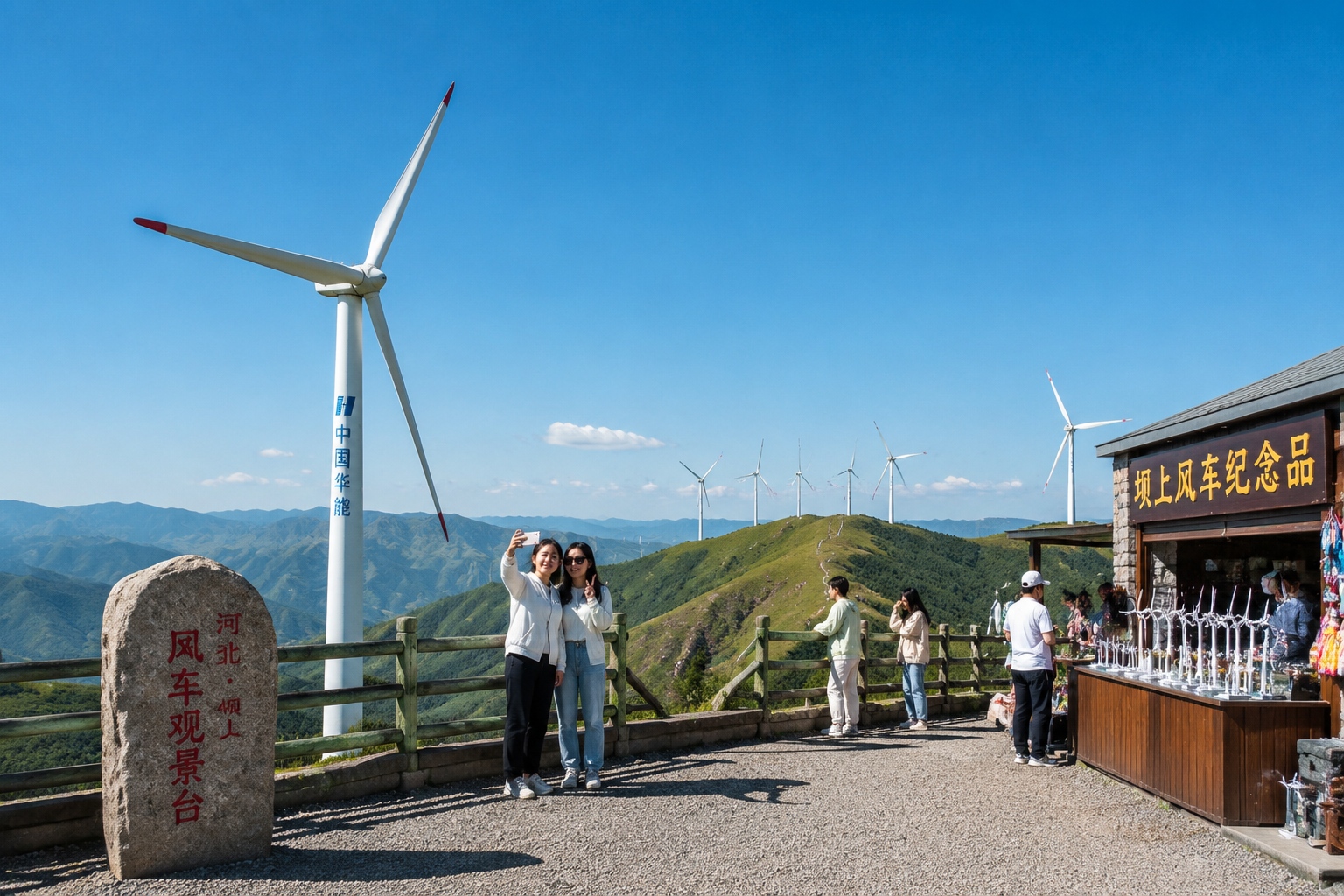
But some changes are visible. In the northern province of Hebei, a wind farm built on a mountain ridge has become a local tourist attraction. Couples take selfies with the turbines in the background. A small souvenir shop sells miniature wind turbines. “We used to think they were ugly,” says a local villager. “Now we think they bring prosperity.”
Another change is the rise of green electricity certificates. Large corporations like Apple, Tesla, and Foxconn have committed to 100% renewable energy for their supply chains. To meet this demand, Chinese factories can buy certificates that prove they consumed renewable energy, even if the physical electrons come from a mixed grid. In 2023, China issued 100 million green certificates. A factory manager in Shenzhen shows me one on his phone: “Our customers request it. It’s becoming a trade requirement.”
6. Conclusion: Not a Choice, but a Puzzle
China’s energy transition is not a simple story of replacing coal with renewables. It’s a puzzle where every piece—coal, wind, solar, hydro, nuclear, storage—must fit together to keep the world’s manufacturing engine running. The country will continue to build coal plants for reliability, but it will also add 1,200 GW of new wind and solar by 2030. The challenge is not technical but economic and political: how to retire coal assets without causing unemployment or blackouts, and how to integrate more variable renewables without raising costs.
The factory in Dongguan is a microcosm of this transition. The three meters on the switchboard tell a story of pragmatism, not ideology. For overseas readers used to a binary view of energy (clean vs. dirty), China’s approach may seem messy. But it works—for now. And the world’s factory depends on it.
Start the discussion at forum.chinacomes.com