

Introduction: The Experiment Begins
In an era where digital transactions are becoming the norm, I embarked on a 30-day challenge to live entirely without physical cash. My goal was not merely to test convenience, but to understand the profound shift in human behavior when the tactile barrier of money is removed. This experiment seeks to answer: does removing cash liberate us from financial constraints, or does it create new, invisible chains?
The journey began with a simple yet radical decision: I would leave my wallet at home. Every purchase, from morning coffee to monthly rent, had to be executed via smartphone apps, contactless cards, or biometric verification.
[Image 1 Description: A modern city street scene where a person is holding a smartphone for payment while their leather wallet sits abandoned in a drawer at home. The contrast highlights the transition from physical to digital.
Week 1: Shock, Friction, and Rebuilding Habits
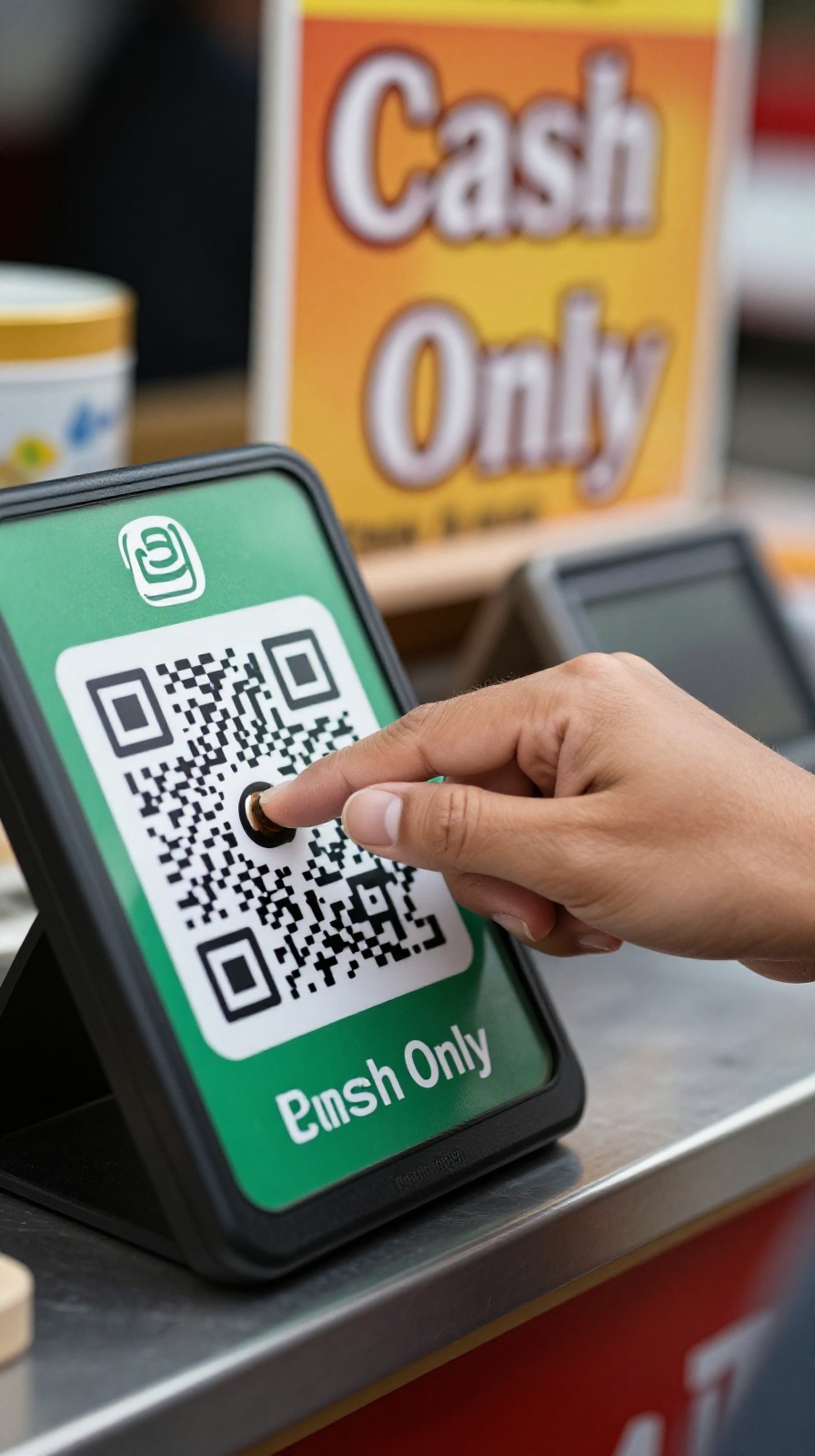
The first week was characterized by cognitive dissonance. Without the physical sensation of handing over bills, every transaction felt abstract. I found myself hesitating before scanning a QR code at small vendors who refused digital payment due to lack of equipment.
There was an initial surge in anxiety. The “pain of paying”—the psychological barrier that cash provides—is significantly dampened digitally. I noticed my fingers tapping the screen with reckless speed, disconnected from the value being exchanged. This friction-less environment required a complete restructuring of my daily routine to ensure connectivity and battery life were never compromised.
[Image 2 Description: Close-up of a person’s hand scanning a QR code at a small street stall, with a blurred background showing a sign that says “Cash Only”, highlighting the initial friction.]
The Turning Point: Efficiency and Psychological Shifts
By the second week, the novelty wore off, replaced by a sense of seamless efficiency. The most striking change was in my financial awareness. With every transaction automatically logged in real-time on my phone, I gained an unprecedented level of transparency.
Impulse buying began to decline. Without the physical act of handing over cash, there was less visceral resistance to spending, yet the immediate digital receipt created a moment of pause for reflection. I started categorizing expenses more rigorously, realizing how much I spent on trivial subscriptions and coffee. The data became my new financial advisor.
[Image 3 Description: A split-screen infographic showing a chaotic pile of receipts on one side (past) and a clean, organized mobile banking app dashboard with charts on the other side (present).
Deep Observation: Privacy, Dependency, and Exclusion
However, as the week turned into months, deeper societal issues emerged. The convenience of cashless society comes at a steep price: surveillance capitalism. Every purchase leaves a digital footprint, creating a detailed map of my life that is accessible to corporations and potentially governments.
I also witnessed the plight of the excluded. The elderly struggling with smartphone interfaces, the unbanked population, and even those who simply value privacy found themselves marginalized. In a truly cashless world, these groups risk being pushed to the fringes of society, unable to participate in daily commerce without digital tools.
[Image 4 Description: A poignant image of an elderly person looking confused while standing at a modern self-checkout kiosk with no cash option, emphasizing the social divide.]
Data Review: The Trajectory of Spending and Psychology
After analyzing the data from my 30-day challenge, a clear pattern emerged. While total spending increased slightly by 8% due to micro-transactions that previously would have felt “too small” to pay for in cash, the *quality* of spending improved. I cut down on discretionary purchases significantly after week two.
My “mental accounting” shifted. Cash forces a hard limit; digital payment creates a fluid ceiling. However, the real-time feedback loop forced me to confront my consumption habits more directly than ever before.
Conclusion: Liberation or New Chains?
Is a cashless society the inevitable future? Likely so, driven by efficiency and technological momentum. But is it without cost? Undoubtedly. It offers unparalleled convenience but demands a surrender of privacy and creates new dependencies on fragile digital infrastructures.
My Verdict: We should not abandon cash entirely. A hybrid system preserves the freedom to choose, protects the vulnerable, and maintains a vital psychological anchor for financial discipline. The future shouldn’t be about eliminating cash, but about integrating it into a balanced ecosystem where technology serves humanity, not enslaves it.
Start the discussion at forum.chinacomes.com