


A Small Slip That Changed Her Plan
When my friend Elena flew into Shanghai last spring, she had exactly three things on her mind: finding her apartment, getting a bowl of dan dan noodles, and fighting jet lag. Paperwork didn’t make the list. A week later, when she went to the immigration office to extend her tourist visa, the officer asked to see her accommodation registration. She had no idea what that was. That’s how Elena discovered that in China, the place where you sleep is not just your private business—it’s something the police keep track of.
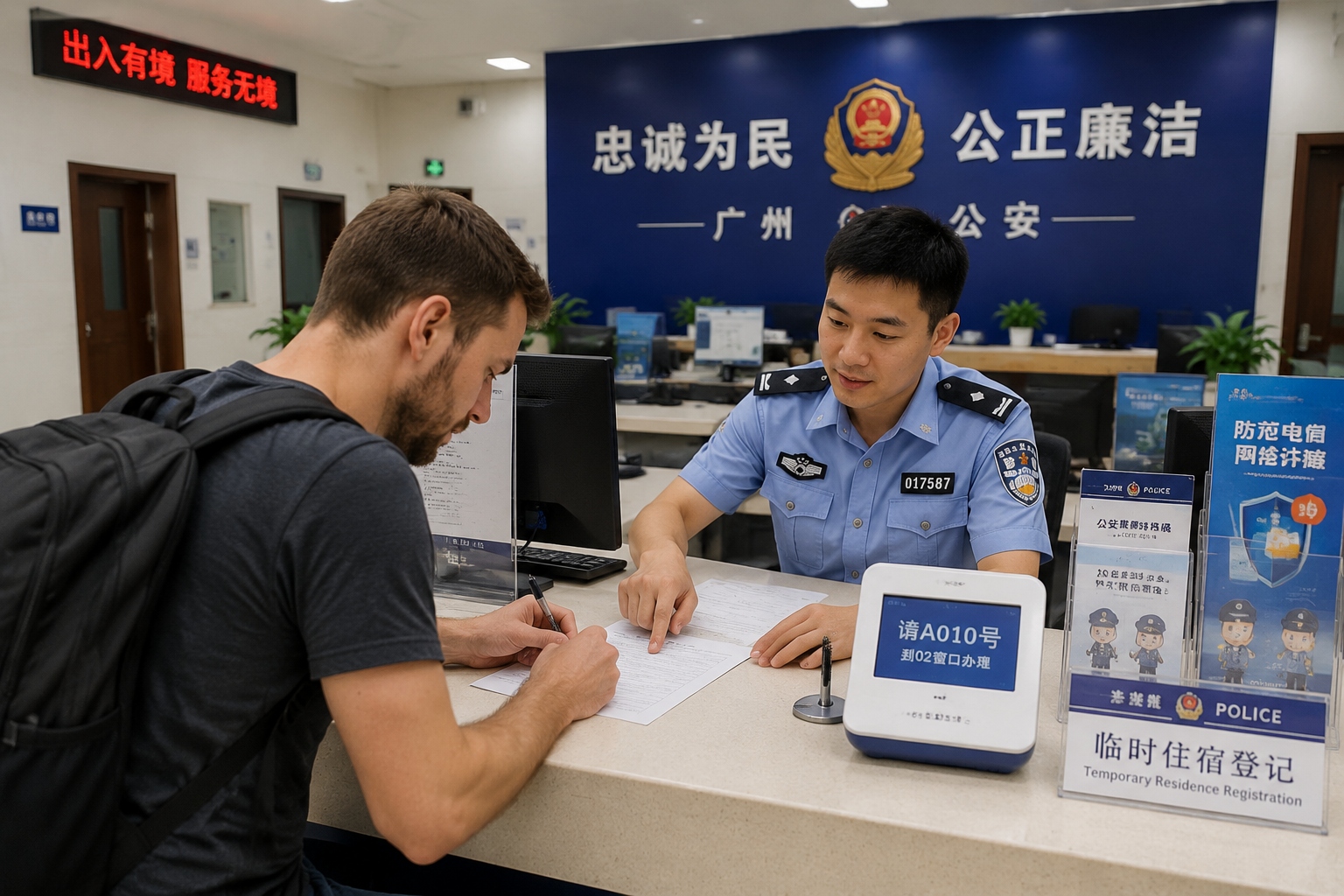
Elena’s story isn’t unusual. Many foreigners don’t fully understand this registration requirement until it becomes a problem. The good news: it’s one of the easiest things to get right, as long as you know the rules.
Why Does China Register Foreigners’ Accommodation?
China’s public security authorities require all foreign nationals to register their place of residence within 24 hours of arrival. This isn’t a new or secret rule—it’s part of a long-standing administrative system similar to the hukou (household registration) used for Chinese citizens. For police, maintaining accurate records of who is staying where is a matter of public order.
For you, this registration is directly tied to your visa status. When you apply for a visa extension, residence permit, or even a driver’s license, officials will check whether your accommodation registration matches your travel dates. A gap can cause delays, questions, or fines.
Hotels Automatically Register You—Rentals Don’t
Here’s the key difference: at a hotel, the hotel legally registers your stay with the police electronically at check-in. You don’t need to do anything. But if you move into a serviced apartment, a homestay, an Airbnb, or a friend’s spare room, responsibility shifts to you or your host. In practice, agencies and platforms often don’t do it, and landlords may be unfamiliar with the process. So the task ends up on your shoulders.
This is the “overlooked step” in the title. Ask early, never assume.
How to Register at a Police Station (Pai Chu Suo)
If you’re renting, make a trip to the local police station—the pai chu suo (派出所)—a top priority. Bring:
- Passport with valid visa or residence permit
- Rental contract (even a simple one)
- Landlord’s ID (a photo on your phone usually works)
- Some stations ask for a property ownership certificate, so request a photo from your landlord in advance
At the station, line up at the service window for temporary residence registration. An officer will check your documents and print a slip called the registration form (住宿登记表). Keep this safe—you’ll need it for visa applications and other errands like opening a bank account.
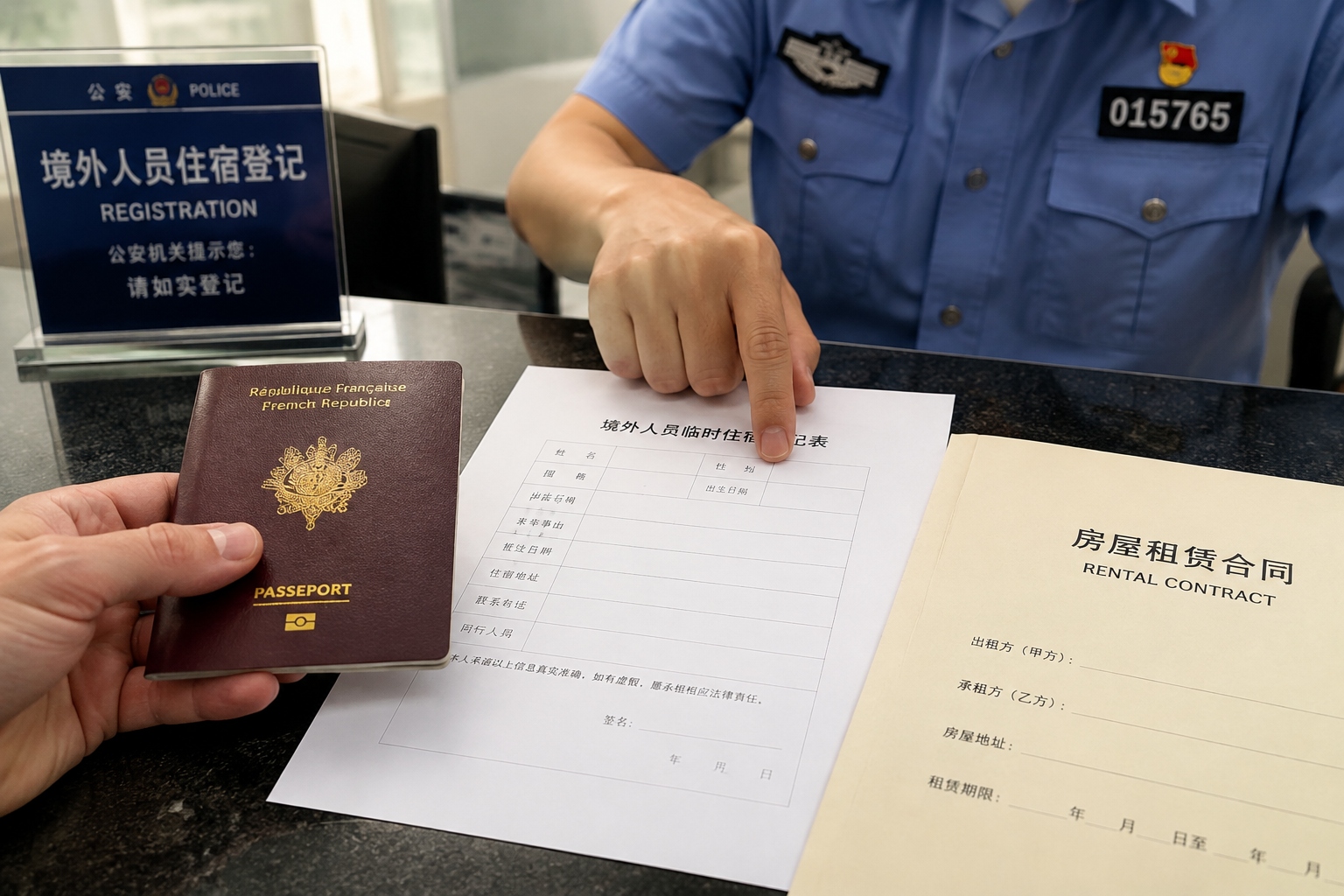
The process takes under 30 minutes. Do it on the day you move in or the next morning. Most cities require it within 24 hours, some rural areas allow 72.
What Happens If You Forget?
You won’t be deported, but there are consequences. The law allows a warning or a fine up to 2,000 yuan (about $280). Enforcement varies: big cities may fine, smaller towns often just warn. Elena, unregistered for a week, got a scolding and a slip, no fine.
The bigger issue is future visa applications. An unregistered period can lead to explanations and delays. It adds stress you don’t need.
Can You Register Online?
In many cities, yes. Apps like Shanghai’s “随申办” (Sui Shen Ban) or WeChat mini-programs let you upload documents. But online systems often require landlord verification, which can stall. For many, going in person is faster and gives you a paper copy.
Common Questions, Straight Answers
Does my registration affect visa extensions?
Yes. It’s one of the first checks. A gap can lead to rejection or requests for extra documents.
What if I move to another city?
Register again in the new city within 24 hours. Each police station keeps local records linked to your national file.
My landlord says they’ll handle it. How do I know?
Ask to see the registration slip or electronic record. If you don’t get it, go yourself. Responsibility ultimately falls on you.
I’m only here for five days. Do I need to do this?
If you’re in a hotel, no. If you’re in a short-term rental, yes. A clean registration record makes future visits easier.

A Small Step That Saves Big Headaches
Elena got her slip three weeks late, with no fine but plenty of anxiety. She now tells newcomers to add the pai chu suo to their first-day checklist. “It’s not that hard,” she says. “You just have to know.”
So when you arrive in China, find your local police station, bring your documents, and take half an hour to do it. You’ll save yourself a lot of trouble down the road.
Start the discussion at forum.chinacomes.com