


A Night in the Anonymous Galaxy
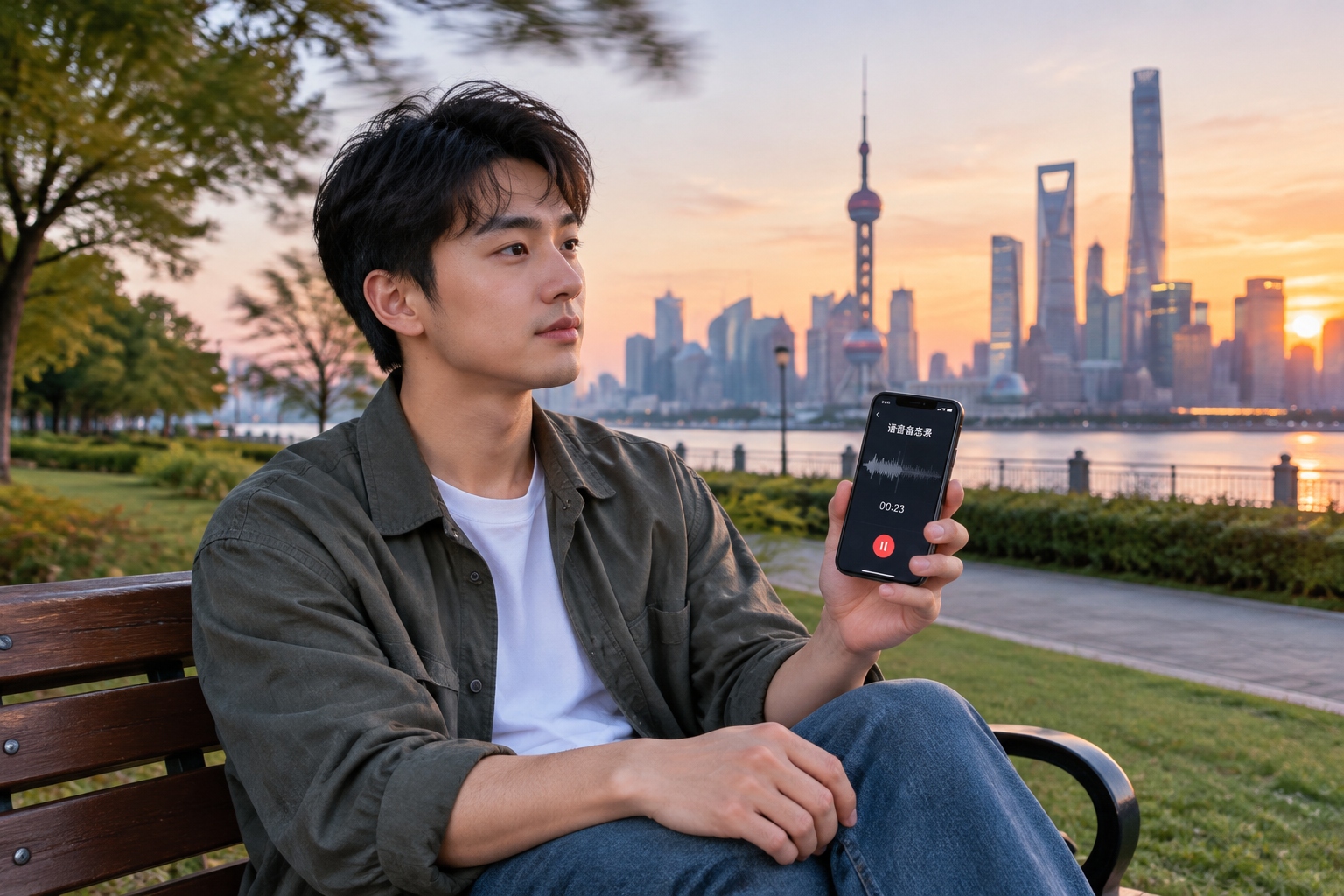
It’s 11:47 p.m. in a shared apartment in Beijing. The radiator clicks softly. Outside, the last delivery scooter hums past. Chen Wei, 24, lies on his side, thumb hovering over the screen of his phone. The app icon — a glowing planet against a dark blue void — is the last thing he sees before sleep. He taps it. The chat room opens. No names. No photos. Only a voice note from a stranger named ‘Starless.’
“I don’t know why I’m here,” the voice says, a girl’s, slightly muffled. “Maybe I just want someone to tell me I’m not crazy.”
Chen Wei listens twice. Then he types: “You’re not crazy. I’ve been listening to the radiator for three hours.”
This is Soul, China’s most popular anonymous social network, with over 100 million registered users. In a country where social media is often tied to real identities — WeChat for work and family, Weibo for public opinion — Soul offers a different kind of space: a galaxy where you are nothing but a cartoon avatar, a self-chosen constellation, and a voice or text string. The app’s tagline promises “soulmates,” but the reality is messier, more human, and often more tender.
Why Anonymous? The Weight of the Real World
For young Chinese, the pressure to perform a perfect self is exhausting. On WeChat, your boss, your parents, and your college classmates all see the same profile picture. Every post is a potential judgment. On Soul, that weight disappears. There is no profile picture, no real name, no location unless you choose to share. The app uses a “planet” interface: you wander through a starry space, and when you find another user’s “planet,” you can send a message or a voice note. The only identifier is a self-chosen interest tag — “indie music,” “cat lover,” “night shift worker.”
“I started using Soul after a breakup,” says Lin Xia, 26, a graphic designer in Shanghai. “My friends were tired of listening. On WeChat, I couldn’t post how I really felt because my mom would call me within five minutes. So I went to Soul. I just talked into the void. And someone answered. A stranger. We talked about how the dumplings at the shop near my office are actually terrible. That tiny thing made me feel less alone.”
Lin Xia’s story is common. According to a 2023 survey by the China Youth Daily, 62% of young Chinese say they feel lonely at least once a week. Soul’s anonymity lowers the barrier to vulnerability. Users report crying in voice chats, confessing career failures, and admitting that they don’t know how to make friends as adults.
“I’m a 28-year-old man, and I told a stranger on Soul that I was scared of being replaced at work,” says Zhang Lei, a software engineer in Hangzhou. “I could never say that to my colleagues. On Soul, I’m just a voice. The stranger said, ‘I get it. I’m scared too.’ That was enough.”
Finding ‘Soulmates’ — Real Stories, Real Connections
But anonymity can also breed intimacy. The app’s “matching” algorithm pairs users based on mood, time of day, and shared interests. Some users form deep bonds that last years.
One of the most viral stories on Soul involves a user who posted a voice note about her grandfather’s Alzheimer’s. She described how she had to feed him congee every morning, and how he sometimes forgot her name. Another user, a medical student, replied with a detailed explanation of the disease and a simple message: “You are not alone. I’ll send you a study guide if you want.” They became friends. The medical student later visited the grandfather, bringing a small gift.
For some, the connection turns romantic. “I met my boyfriend on Soul,” says Wang Yiran, 23, a university student in Nanjing. “We talked for three months before we even saw each other’s photos. We fell in love with each other’s thoughts. When we finally met, it was like meeting an old friend. We’ve been together for two years. My parents know we met online, but I tell them it was a ‘recommendation from a friend’ because I don’t want to explain the anonymous part.”
Wang Yiran’s story is not unique. Soul’s “Soulmate Index” — a bar that fills as you chat more — has become a cultural shorthand. Young people joke about “Soulmate Index 99%” on other social media. The app has even spawned real-world meetups, though the company discourages sharing personal contact information.

The Dark Side of the Galaxy
Not all stories are warm. Anonymity also attracts trolls, scammers, and people who use the platform to vent aggression. Some female users report receiving unsolicited voice messages of a sexual nature. The app has a “panic button” that immediately blocks the user and provides mental health resources, but the problem persists.
“I’ve had to block three people in one night,” says Chen Wei, the young man from the opening. “One guy sent me a picture of a gun. I don’t think it was real, but it scared me. I reported it. The account was banned in an hour. That’s actually pretty fast. Most apps take days.”
Soul’s moderation team uses a combination of AI and human reviewers to police the platform. The company claims it removes 90% of harmful content before it is seen by users. But the balance between anonymity and safety is delicate. “If we make it too safe, it becomes like WeChat, and people lose the freedom to be vulnerable,” says a Soul product manager in a rare public interview. “We always choose the side that keeps the soul in the app.”
What Young People Really Want
Behind the app’s gamified interface — you collect “planet stones” and unlock new chat features — lies a simple human desire: to be heard without judgment. For many young Chinese, Soul is not a replacement for real-world relationships but a supplement. A place to test thoughts, to find a mirror, to feel seen.
“I don’t think I’ll find a lifelong partner on Soul,” says Lin Xia, the graphic designer. “But I’ve found a few people who make me feel like my weird thoughts are normal. That’s a kind of soulmate, isn’t it?”
As the radiator clicks off in the Beijing apartment, Chen Wei puts down his phone. The voice note from Starless stays in his inbox. He’ll reply tomorrow. For now, the darkness outside feels a little less empty.
Start the discussion at forum.chinacomes.com