

Why a 2,000-Year-Old Calendar Feels So Fresh Today
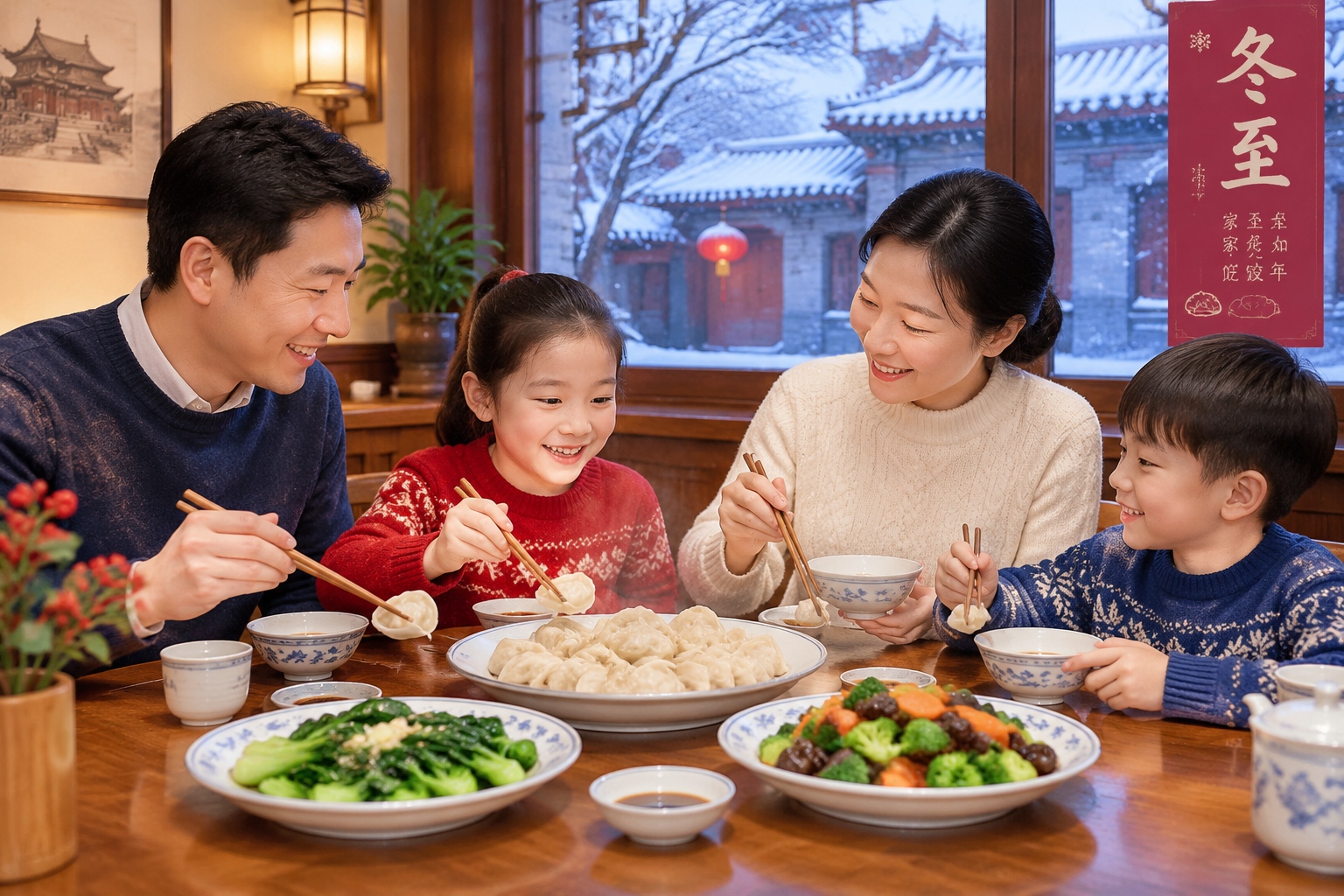
At 6 a.m. in a Shanghai apartment, 29-year-old Lin Wei opens her phone and checks the day’s “solar term” (节气, jiéqì). It’s the day of 冬至 (Dōngzhì, Winter Solstice), and her WeChat Moments are already filling with photos of steaming dumplings. Later, she’ll meet friends for lunch at a nearby dumpling shop, a ritual she started three years ago — not because her grandmother told her to, but because she saw a short video on Douyin explaining why “Winter Solstice dumplings” are a tradition. “It makes the cold day feel meaningful,” she says.
Lin is not alone. Across China’s big cities, the 24 solar terms — a traditional Chinese calendar system that divides the year into 24 segments based on the sun’s position — have quietly reinvented themselves. Once the backbone of farming schedules, they now serve as a sort of “lifestyle guide” for urban professionals, students, and families. They dictate what to eat, what to wear, where to travel, and even when to post on social media. It’s a surprising revival for a system invented more than 2,000 years ago.
From Farm Calendar to Urban Ritual
Originally, the 24 solar terms were a practical tool for farmers. They marked when to sow, plow, harvest, and rest. Each term lasts about 15 days, and together they trace the rhythms of the sun, the seasons, and the natural world. For centuries, rural Chinese lived by them. But as China urbanized, the calendar lost its daily relevance — until recently.
Today, the solar terms are finding new life in cities, where most people have no direct connection to farming. Instead, they use them as a way to reconnect with nature and to create small moments of meaning in busy urban lives. Take the term 春分 (Chūnfēn, Spring Equinox). In many cities, people now make a point of eating “spring sprouts” like bean sprouts, pea shoots, and garlic chives — a practice called 春吃芽 (“eat sprouty things in spring”). Restaurants in Beijing and Shanghai now advertise special “spring equinox menus” featuring fresh, tender vegetables. Food bloggers share recipes for spring soups and salads, all tied to the idea of eating in harmony with the season.
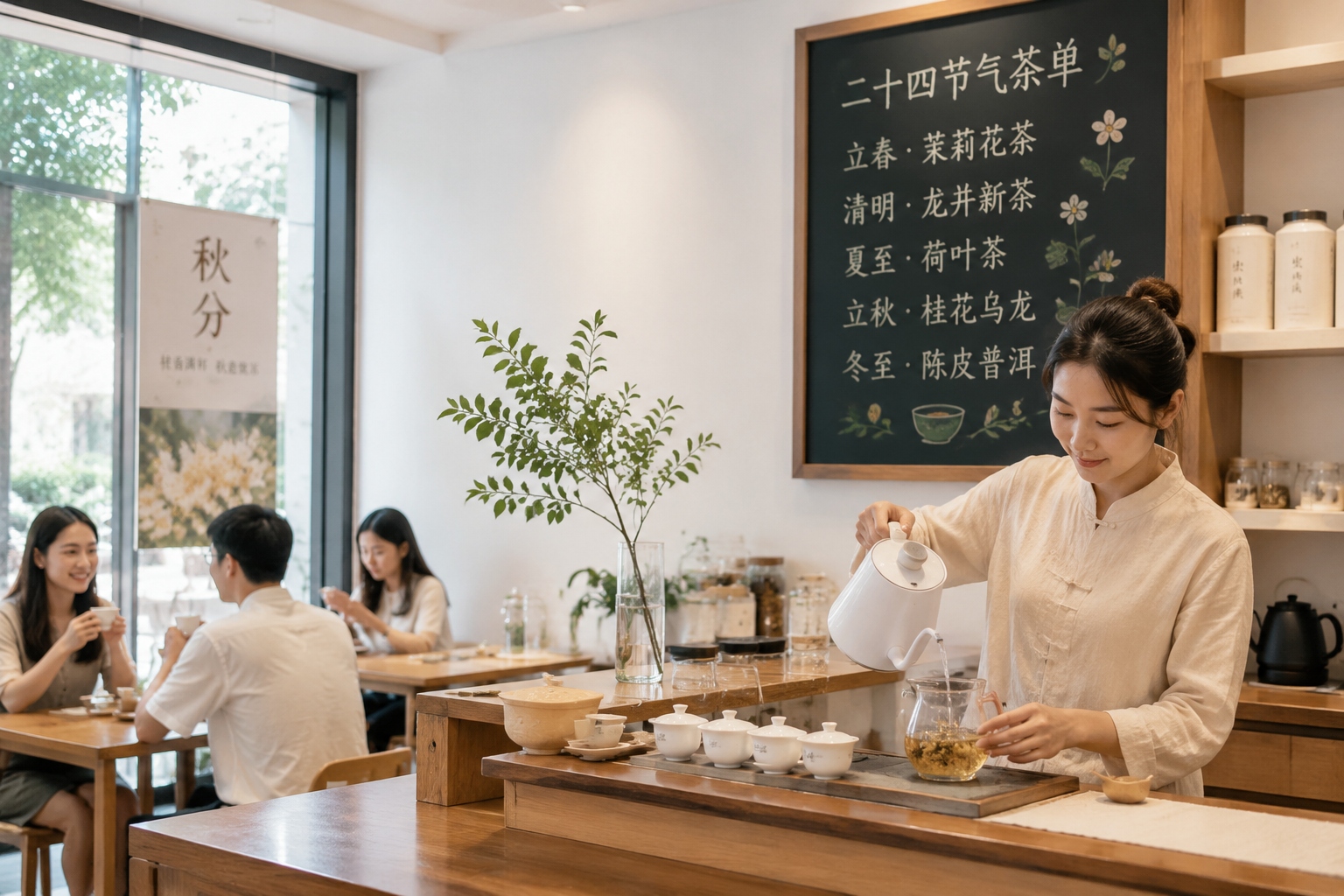
Similarly, 立秋 (Lìqiū, Start of Autumn) has become a national “first sip of autumn tea” moment. Specialty tea shops sell osmanthus oolong and jasmine brews, and online health gurus urge people to “moisturize” their lungs with pear and white fungus soup. The practice of 贴秋膘 — literally “sticking on autumn fat” — which once meant eating more meat to prepare for winter, has been reinterpreted as a chance to enjoy hearty seasonal meals without guilt.
Fashion, Travel, and the “Aesthetic” of Solar Terms
The revival isn’t just about food. Fashion brands have embraced the solar terms as a styling cue. For 白露 (Báilù, White Dew), the term that marks cool mornings, Chinese influencers post outfit ideas featuring light cardigans and scarves. One popular hashtag on Xiaohongshu (Little Red Book, a lifestyle platform) reads #白露穿搭#, with hundreds of thousands of posts. For 大雪 (Dàxuě, Major Snow), the look shifts to chunky knitwear and puffer jackets — all timed to the calendar.
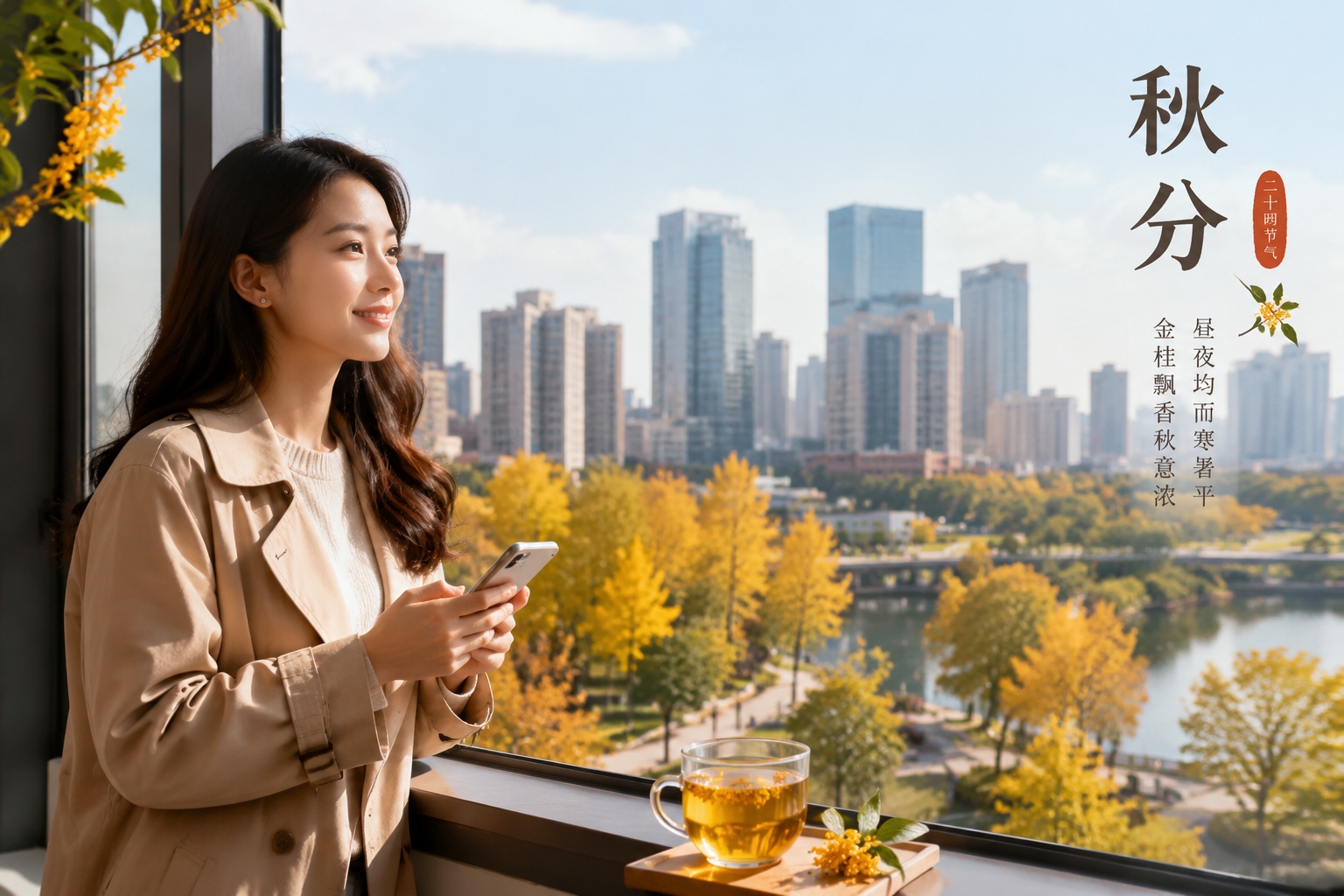
Travel is another area where the solar terms shine. Instead of generic “holiday” promotions, tourism platforms now recommend trips based on the nearest solar term. During 惊蛰 (Jīngzhé, Awakening of Insects), which signals the first spring thunder and the awakening of dormant creatures, eco-tourism agencies push trips to see early blossoms and hear frogs croak. During 秋分 (Qiūfēn, Autumn Equinox), travel apps highlight places for mooncake-making, rice harvesting, and golden-grassland photography. The system gives travelers a sense of timing and purpose — a reason to go somewhere at a specific moment.
Social Media and E-Commerce: How the Solar Terms Became Marketing Gold
If the solar terms are making a comeback, social media and e-commerce are the engines. On Douyin (Chinese TikTok) and Xiaohongshu, every solar term is a ready-made content theme. A short video of a family eating tangyuan (glutinous rice balls) during 冬至 can rack up millions of views. Food delivery platforms like Meituan run “solar term specials” — pushing dumplings, hot pot, and seasonal fruits to users with push notifications. E-commerce giants like Alibaba and JD.com use the 24 terms as marketing nodes, from “Double Ninth Cake” for 重阳 to “Labo porridge” for 腊八 (which isn’t technically a solar term, but the pattern is similar).
What makes the solar terms so appealing to marketers is that they arrive like clockwork, every 15 days, creating a natural rhythm for promotions. They also tap into a deep cultural resonance — even younger Chinese, who might not know the exact astronomical definitions, associate each term with specific foods and sayings. The result is a kind of “ritual economy” where buying a certain food or trying a certain experience becomes a way of participating in tradition.

Why This Ancient System Still Works in the Age of Algorithms
It’s easy to dismiss the solar terms revival as pure nostalgia or clever marketing. But there’s a deeper reason it resonates. In modern cities, life is increasingly detached from natural cycles. Air conditioning, greenhouses, and global supply chains mean we can eat any vegetable at any time and never feel the changing seasons. The solar terms offer a structured way to pause, notice, and align with the environment — even if only symbolically.
“I like that it gives me an anchor,” says Chen Jie, a 34-year-old account manager in Shenzhen. “My work schedule is chaotic, but the solar terms are like a gentle reminder that time is passing, that seasons are real. When 清明 (Qīngmíng, Clear and Bright) comes around, I know it’s time to clear my head, go outdoors, and honor the past. It’s a kind of mindfulness.”
At the same time, the solar terms are adapting to urban life. In 2023, the Chinese Meteorological Administration launched a series of “solar term lifestyle guides” on social media, offering practical tips on health, diet, and exercise tailored to each term. Some schools have introduced solar term activities to teach children about traditional observatories. And in city parks, signs now note the current solar term alongside daily weather forecasts, making the ancient system part of everyday information.
A Living Tradition, Not a Museum Piece
What’s striking about the solar terms revival is that it isn’t a government-led campaign to preserve intangible heritage — it’s a grassroots cultural movement, amplified by social media. Young people are not just passively consuming the tradition; they’re actively reinterpreting it. They invent new ways to celebrate, share them online, and create a shared sense of belonging in an increasingly digital world.
The solar terms may have been born on farms, but today they live in urban kitchens, on social media feeds, in fashion lookbooks, and in the wanderlust of weekend travelers. They remind us that even in a high-tech, fast-paced society, there is still a place for slow, seasonal rhythms. And perhaps that’s why an ancient calendar has become the most modern lifestyle guide of all.
So the next time you see a friend in Beijing post a photo of dumplings on a cold December day, remember: it’s not just about food. It’s a quiet, shared ritual that connects millions of urbanites to each other and to a rhythm older than the city itself.
Start the discussion at forum.chinacomes.com