
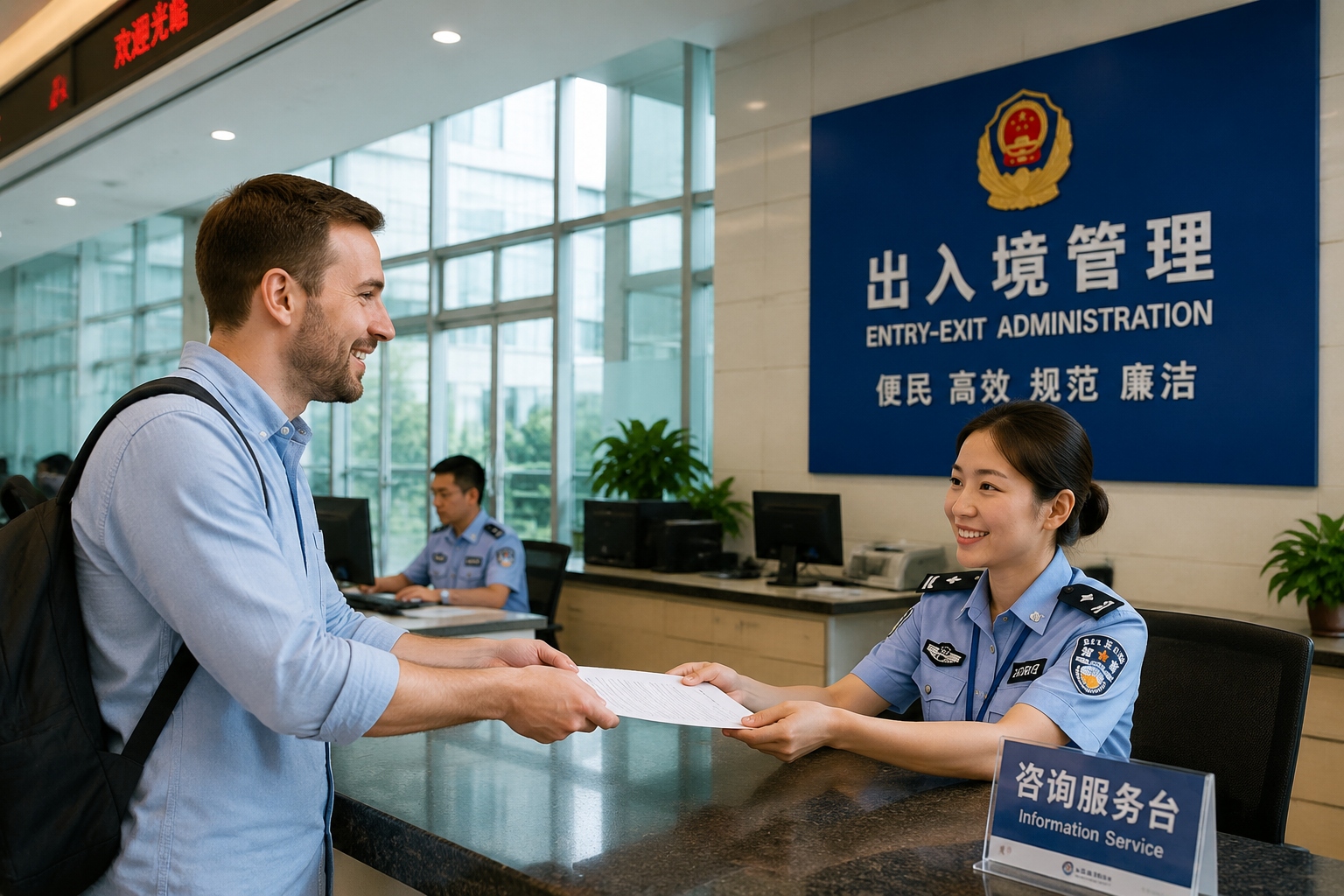

Meet Rachel, Who Renewed Every Year
Rachel, a high school science teacher from the UK, has lived in Shanghai for four years. Every spring, she goes through the same ritual: renewing her work permit and residence permit. It’s not difficult, but it requires discipline. Last year, she started preparing in January for an April expiry. She still had to scramble for a document from London. Here’s how the system works, and how you can navigate it without losing sleep.

Work Permit vs. Residence Permit: What’s the Difference?
In China, foreign employees need two things: a work permit (外国人工作许可证, issued by the local bureau of human resources and social security) and a residence permit (外国人居留许可, issued by the local public security bureau’s exit-entry administration). The work permit gives you legal status to work. The residence permit is a visa that lets you stay in China. They are linked: you need a valid work permit to apply for a residence permit, and if one expires, the other is no longer valid.
Most expats are on a one-year cycle. The permits are tied to your employer, so if you switch jobs, you’ll need to update them too.
The Timeline: Start Four Months Before Expiry
If your current work permit expires on, say, June 30, here’s a realistic calendar. This is based on common practice in major cities like Shanghai, Beijing, and Guangzhou. Your HR department may have slightly different procedures, but the steps are universal.
Four Months Before Expiry (February)
Get your police clearance certificate from your home country. It takes the longest, especially if you need an apostille or consular legalization. More on that below.
Three Months Before (March)
Book your medical checkup at a hospital designated by the local authorities. This is mandatory and the result is usually valid for six months.
Two Months Before (April)
Prepare the paperwork: your passport, a copy of your employment contract, the checkup report, and the police certificate. Have your employer submit the work permit renewal online through the Foreigner Work Service System (外国人来华工作管理服务系统).
One Month Before (May)
Once the work permit renewal is approved, you apply for a new residence permit at the exit-entry bureau. This requires an in-person visit for a new photo and fingerprints. The bureau may take 7–15 working days to process.
Step 1: Medical Checkup at a Designated Hospital
You can’t just go to any clinic. The local government publishes a list of designated hospitals. In Beijing, for example, it’s often the Beijing International Travel Healthcare Center. The checkup usually covers a chest X-ray, blood tests, blood pressure, and a general physical exam. It costs about 500–1000 RMB, and you get the report in 3–5 working days. You can pay out of pocket; insurance may reimburse you.
Small tip: go early in the morning on an empty stomach. They will ask for your passport and a recent photo. The report is in Chinese, but that’s fine because the authorities only need to read the conclusion.
Step 2: Police Clearance Certificate – The Most Common Bottleneck
This is the document that trips up most people. You need a certificate from every country where you lived for more than six months since your last one. For many expats, that means their home country. The tricky part is authentication: China typically requires the certificate to be legalized (apostille or consular authentication, depending on your country’s agreement with China). The process can take weeks, sometimes months. Some countries, like the UK, allow you to apply online and have the apostille done by the Foreign Office. Others need physical visits to consulates.
In practice, Shanghai and a few other cities accept a notarized copy from a Chinese translation agency if the original is in English. But policies vary. Check with your HR or the local entry-exit bureau before you spend money on expensive authentication. A translation of the certificate into Chinese is necessary for the application.
Step 3: Submitting the Application – Online and In Person
The work permit renewal is handled by your employer through the online system. You don’t need to log in yourself, but you must provide all the documents. Once the permit is renewed, you’ll receive a card. Then, with that card, you go to the exit-entry bureau to get the residence permit. Because the residence permit is a visa sticker in your passport, you must bring your passport in person. Some cities let you book an appointment online; walk-ins may lead to long waits.
Common Delays and How to Avoid Them
Here are the usual traps and how to dodge them:
Your passport expires soon. Your residence permit cannot extend beyond your passport’s expiry. Renew your passport before you apply, or you’ll get a shorter permit.
Photo requirements change. The exit-entry bureau has strict rules about photo size, background, and even the kind of clothing you wear. If your photo is rejected, you may have to come back another day. Take a fresh photo at the bureau’s own photo booth to avoid this.
Address issues. You must register your residential address with the local police within 24 hours of moving. If your address changed, update the registration before applying. Otherwise, the system will flag it.
Mismatched dates. If your work permit expires before your residence permit is issued, you may need to apply for a short-term extension. Keep a buffer of at least two weeks.
Company HR delays. Your employer’s HR may be overloaded. Don’t rely on them to remember; set calendar reminders and check in yourself.
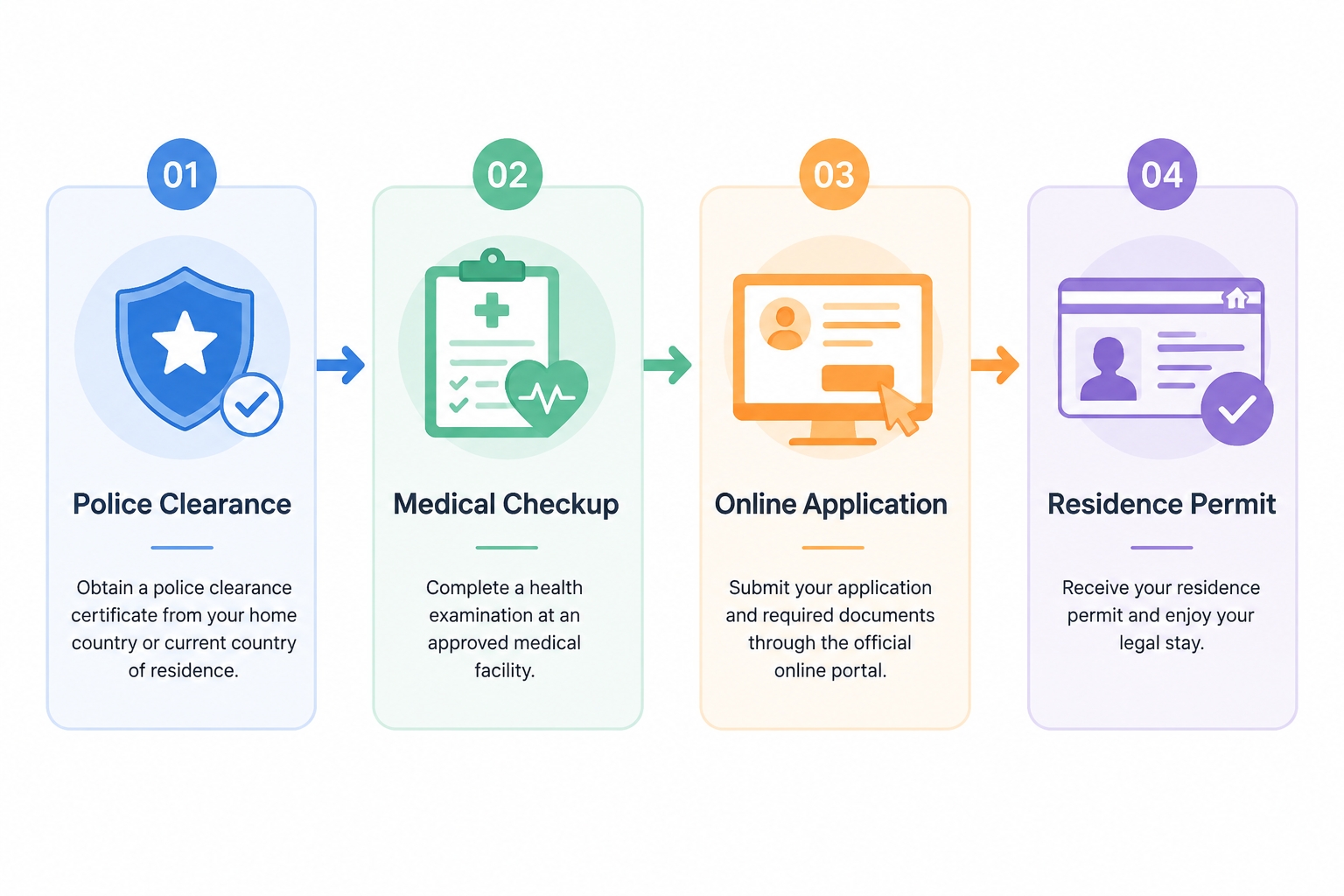
Visual Guide: The Renewal Flowchart
Here’s a simple flowchart to keep on hand. It maps the main steps from start to finish.
Final Tips
Renewing your work permit and residence permit in China is not an easy task, but it is a predictable one. Once you understand the cycle, you can plan it like clockwork. Start early, communicate with your HR, and keep copies of every document. Most expats who fail to renew on time end up having to leave the country and come back on a new visa, which is costly and disruptive. A little effort goes a long way.
If you’re new to the process, talk to colleagues who’ve been through it. They’ll tell you the exact procedure for your city. And remember: the system is designed to be manageable, but it punishes last-minute surprises.
Start the discussion at forum.chinacomes.com