
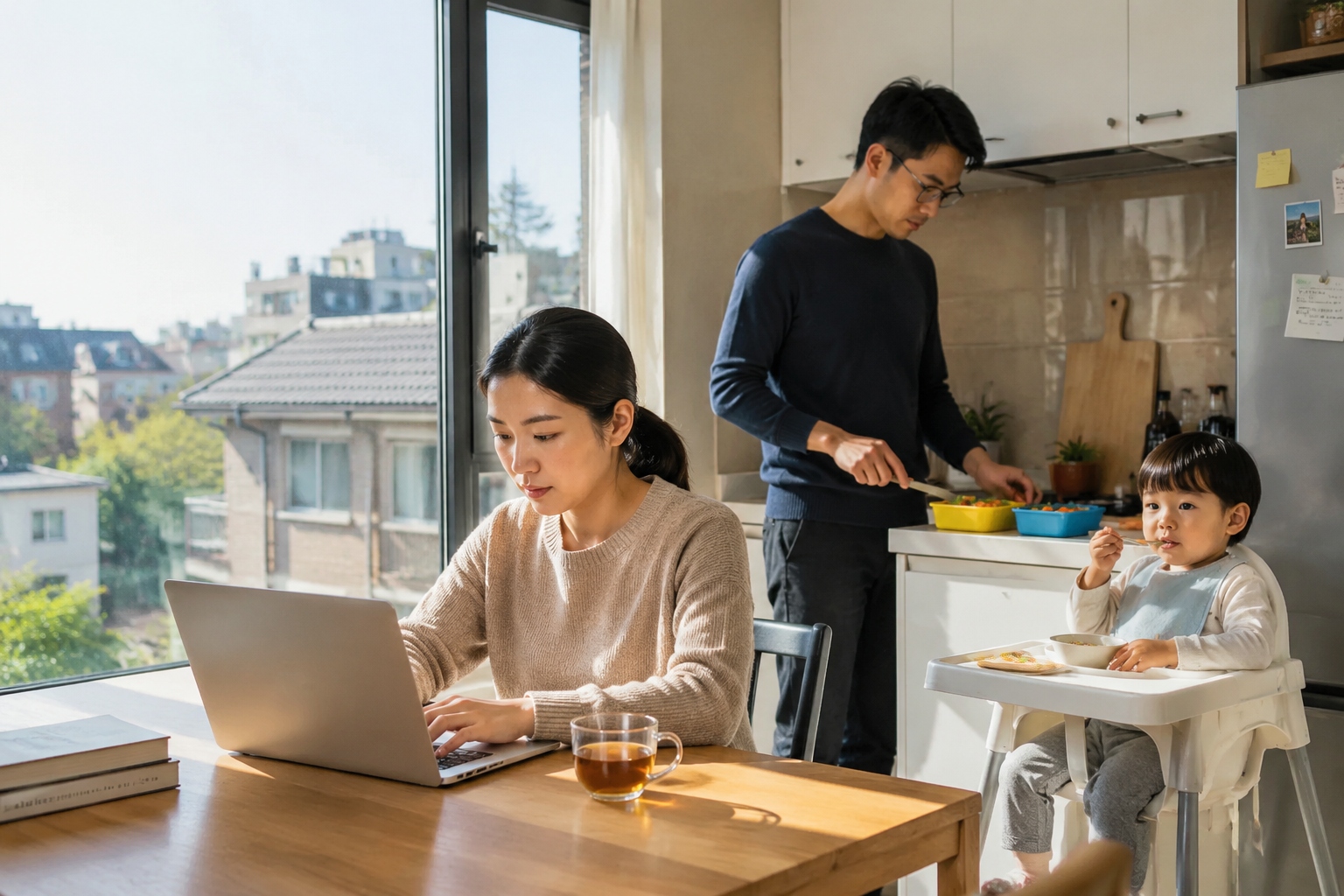

At 6:15 a.m. in a four-room apartment on the northern edge of Beijing, the day starts before the sun does. Wang Lin, a 36-year-old computational chemist, is at the dining table with her laptop, running a series of molecular simulations. Her husband, Chen Ming, 38, a biophysicist at the same research institute, is in the kitchen squeezing fresh orange juice for their four-year-old son. It’s a carefully choreographed routine that gets a toddler to daycare, two scientists to their labs, and a family to the weekend without anyone breaking down. "It’s like running two labs and a zoo," Lin says with a tired smile.
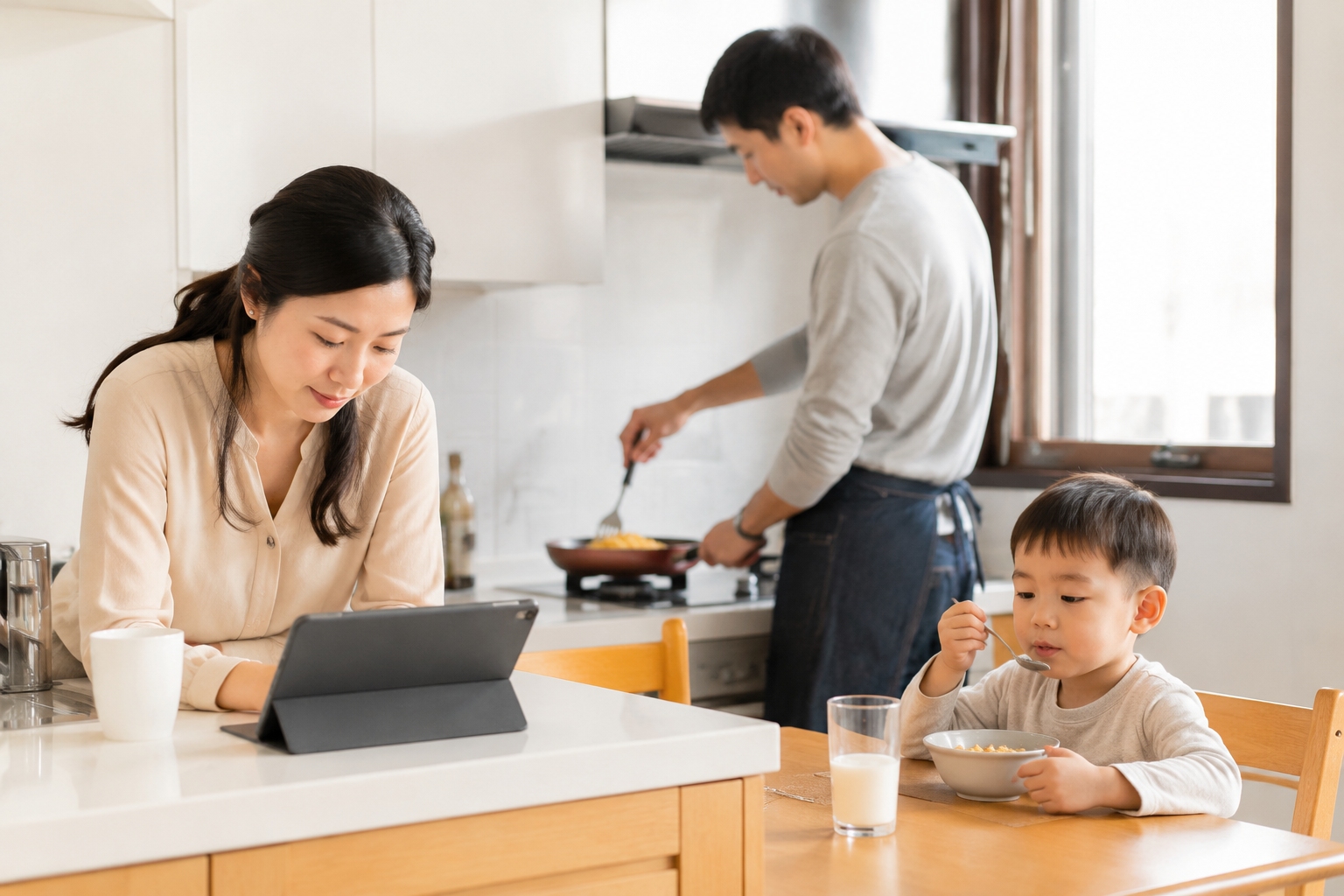
Morning: The Precision of a Lab Schedule
This is not a one-off performance. It’s the everyday reality for China’s rising number of "dual-scientist families" — couples where both partners hold PhDs and work full-time in research. For this article, I tracked three such families in Beijing and Shanghai for a month. All had at least one child under seven. All were honestly struggling, but also surprisingly organized.
In the Chen-Lin household, the morning follows a fixed sequence: 6:15 a.m. — the first parent to boot up a laptop starts on emails; 6:45 a.m. — the other prepares breakfast and the child’s lunch box; 7:20 a.m. — one parent takes the boy to the daycare shuttle; 8:00 a.m. — both are in the lab or at meetings. "We don’t have time for long goodbyes," Ming says. "We’ve made a deal: the one who is closer to a deadline is not the one who usually does drop-offs."
The Grandparent Factor: China’s Hidden Childcare System
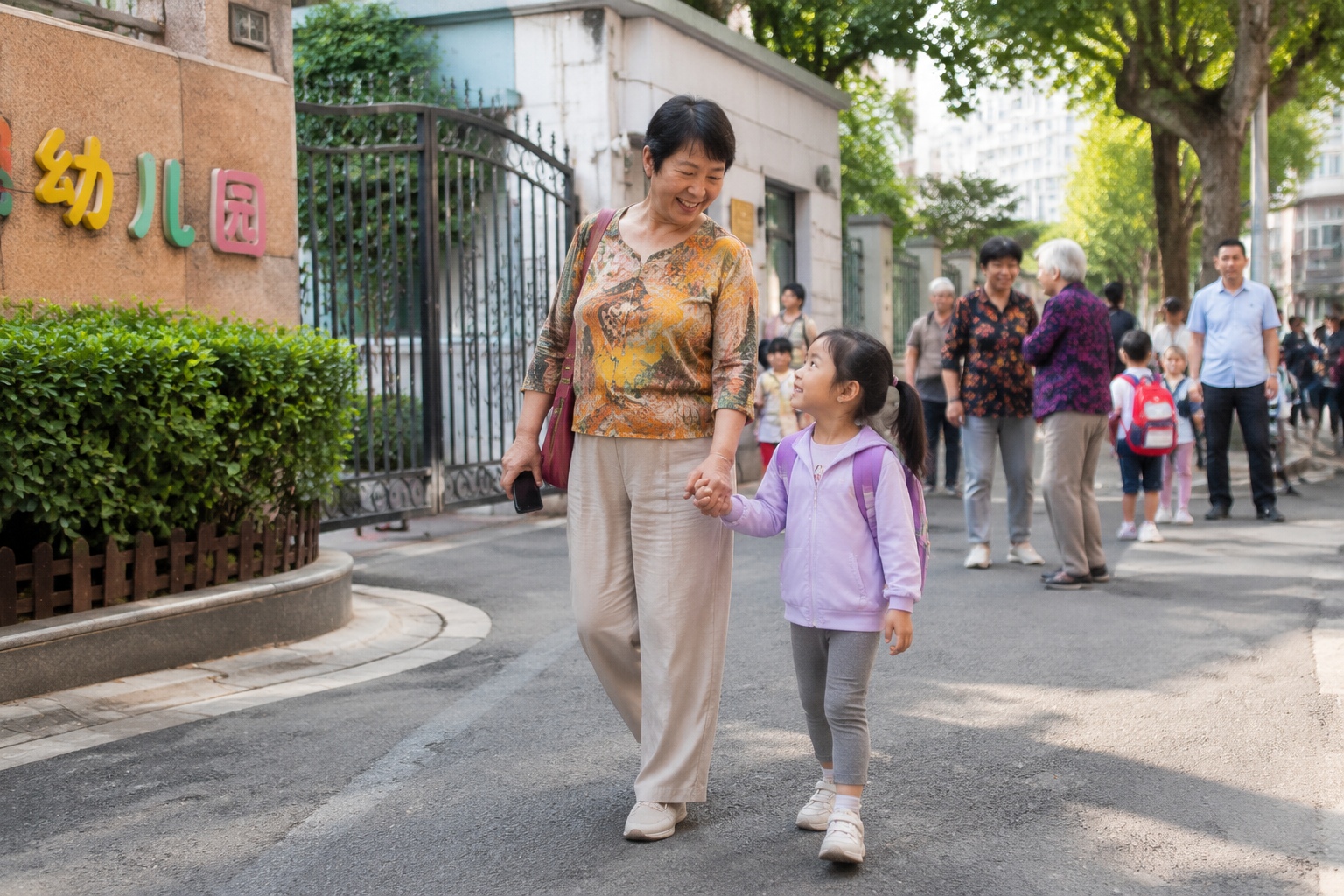
Unlike many Western nuclear families, Chinese urban families often rely heavily on grandparents. Of the three families I followed, two had grandparents living within a twenty-minute bike ride. The third, the Chen-Lins, hired a paid ayi — a housekeeper and part-time childcare helper — for about 300 RMB ($40) a day, which takes a big slice of their after-tax income.
Grandparents bring warmth and reliability, but also tension. One mother, a molecular biologist in Shanghai, told me: "My mother-in-law is wonderful. She cooks, she walks my daughter to school. She also tells me I’m ruining my health by not napping at noon, and that the child should eat more pork liver." For many families, the grandparents are the backbone, but they are also quietly aging. "We know this isn’t a permanent solution," the biologist added.
When a Child Gets Sick: Emergency Protocols and Lab Deadlines
"Every dual-scientist family has an emergency protocol," Wang Lin told me. "If daycare calls at 10 a.m., we text each other and decide who has the most flexible meeting. One of us leaves. The other covers both labs." But experiments do not pause. One of my interviewees, a materials scientist at a Shanghai institute, once had to bring his four-year-old daughter to the lab on a Saturday because his wife had a strict deadline and the babysitter had quit. His daughter sat in a corner coloring while he supervised a batch of samples. "It sounds terrible, but it was that or missing a preprint," he said.
China’s labor laws give workers paid sick leave for themselves, but only a few provinces explicitly allow paid childcare leave for sick kids. Most scientists simply use annual leave, or ask their supervisors for "unofficial flexibility." In practice, that works only when you have an understanding principal investigator (PI), and not everyone does.
The Second Shift and the Gender Gap Inside the Home
Even in these hyper-educated households, the division of household labor is not perfectly equal. In two of the three families I followed, the mothers did more of the invisible work — scheduling doctor appointments, buying shoes, remembering which parent needs to sign the school form. One father acknowledged the gap: "I used to think we were 50-50. Then I installed a time-tracking app for a week. It turned out I was doing 40%, and mostly the fun part, like taking her to the playground." Research on Chinese families often shows the same pattern: women’s "second shift" remains the norm, even when both spouses have equal professional status.
But there are signs of change. The younger scientists I interviewed were more likely to talk about "shared parenting" as a non-negotiable. One father in Beijing told me he deliberately schedules his meetings later in the morning so he can do school drop-offs twice a week. "My father never changed a diaper," he said. "I don’t want to be that kind of father."
What Are Research Institutions Actually Doing?
Chinese universities and research institutes are slowly becoming more child-friendly. Some, like the Chinese Academy of Sciences’ bigger branches, run morning-afternoon campus nurseries and even after-school clubs. A few institutes have introduced "core hours" — you can start your day between 7:30 a.m. and 10 a.m., as long as you put in eight hours. In theory, this lets parents squeeze in school runs.
The reality, however, is uneven. A postdoc researcher in Shenzhen told me her institute had a "family corner" with a diaper-changing station, but she still felt pressure to hide her parental duties. "My PI is a 60-year-old man who stayed in the lab all night when his kids were young. He doesn’t understand why I need to leave at 5:30 to pick up my son." More and more young scientists are being open about these challenges, and some supervisors are adapting. But it still directly affects career advancement, especially for women.
So Who Raises the Kids? A Quietly Honest Answer
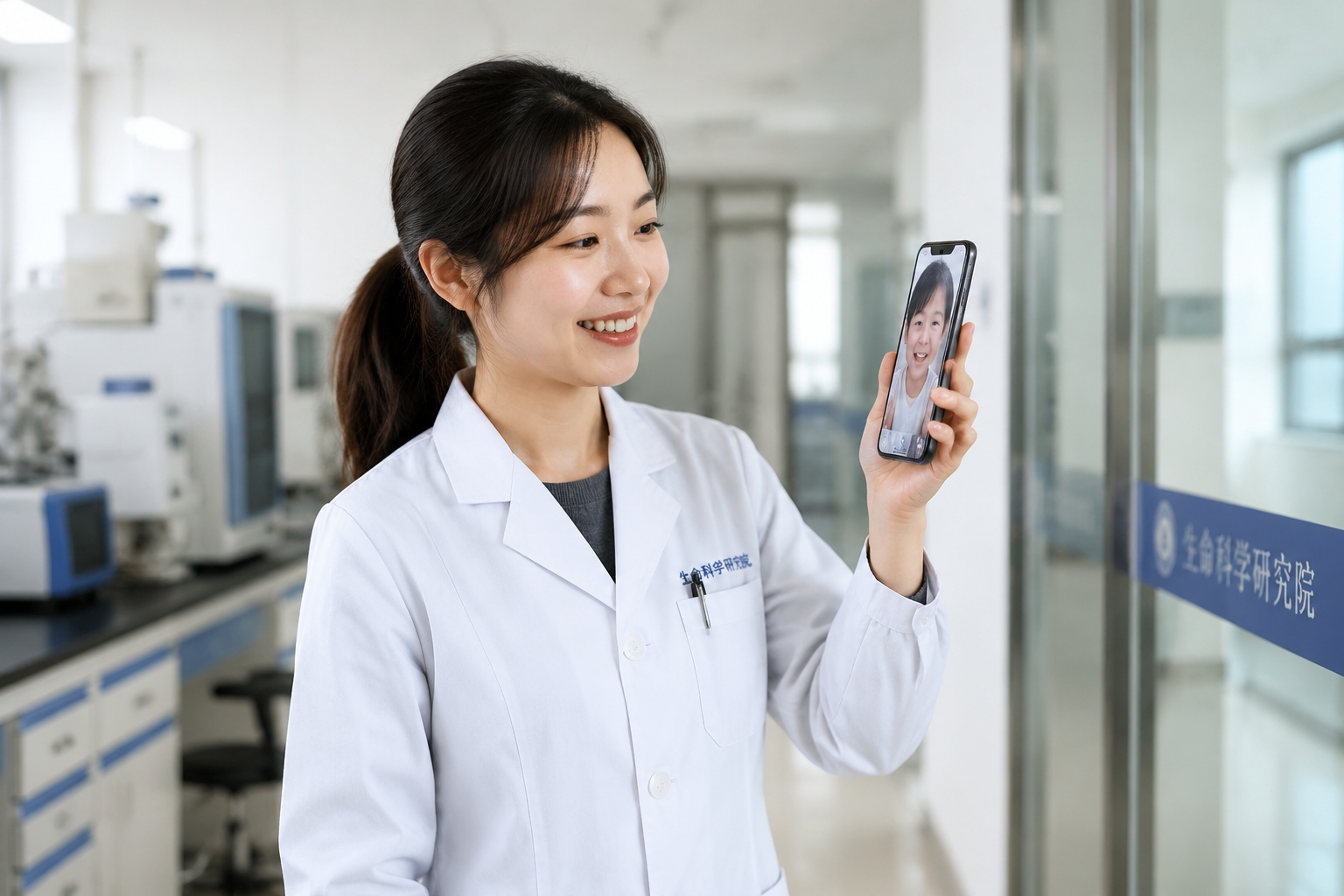
After four weeks of watching the Chen-Lin family, I asked Wang Lin if she ever thought about quitting her job. She laughed. "Every week, especially on Mondays. But then I think about what I found in my last simulation, and I know I’d miss it." She paused. "We don’t have a perfect answer. We have a system — fragile, expensive, and continuously repaired. But we make it work. Most days."
That might be the most accurate one-line summary: In many Chinese dual-scientist families, the kids are raised by a carefully coordinated mix of parents, grandparents, paid helpers, and institutional support — with no small amount of guilt on the side. But the fact that we can talk about it openly is itself a change. A decade ago, this kind of conversation rarely happened. Today, it is part of the everyday accounting in households across China.
Start the discussion at forum.chinacomes.com