
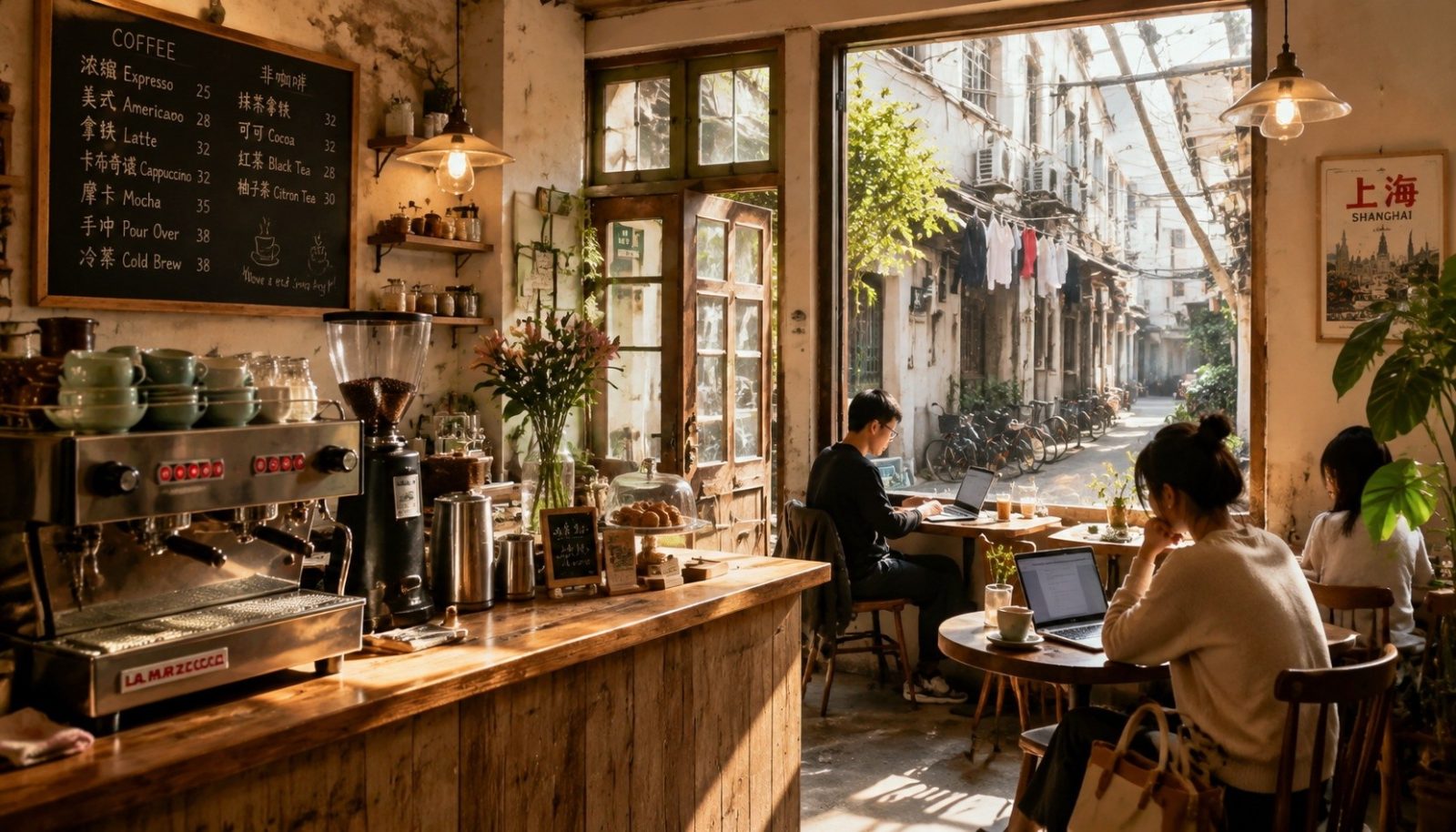

Morning Light in a Lane House Cafe
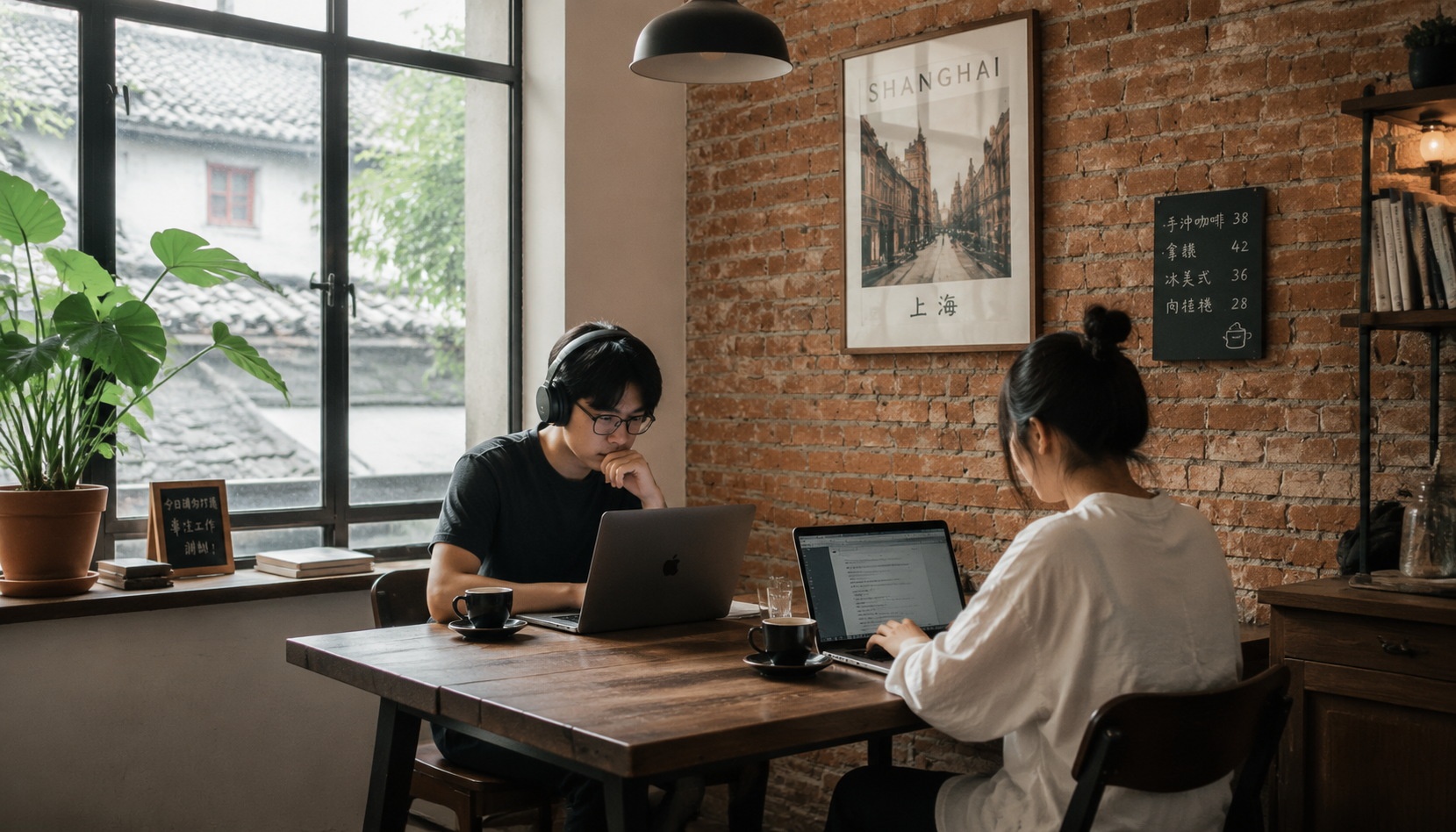
The smell of roasted coffee beans mixes with the faint scent of laundry drying on a nearby balcony. At 8:30 a.m., Shanghai’s French Concession is just waking up. Inside a converted ground-floor apartment on a quiet lane, the only sounds are the hiss of an espresso machine and the soft clatter of keyboard keys. This is not a typical office. It’s a residential cafe—a space that looks like someone’s living room, because it essentially is. Floor-to-ceiling windows let in the morning sun, illuminating a dozen or so people hunched over laptops. Some sip flat whites; others nibble on croissants. No one is rushing. This is the secret life of Shanghai’s freelancers.
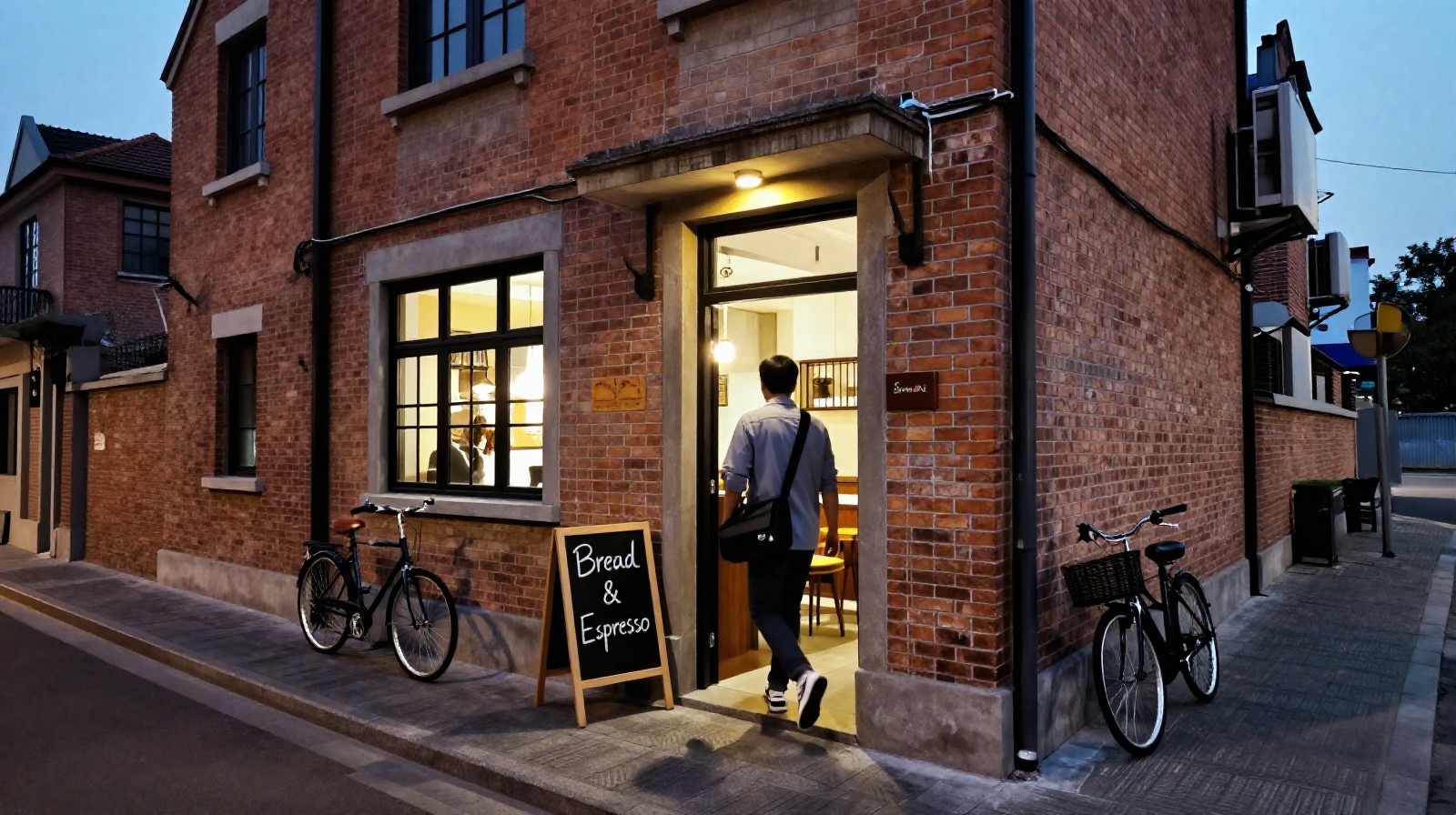
The cafe is called “Bread & Espresso,” a tiny spot tucked between a bicycle repair shop and a neighborhood convenience store. It has no sign outside, just a small chalkboard by the door. The owner, a former graphic designer in her 30s, lives upstairs. She opened the cafe two years ago after realizing many friends who worked remotely craved a place that felt like a living room but offered strong Wi-Fi and good coffee. Today, regulars include a freelance illustrator, a video editor, a tech blogger, and a startup founder who moved from Beijing.
Why a Residential Cafe, Not a WeWork?
To understand the appeal, you have to consider the economics and lifestyle. A monthly coworking desk at a WeWork in central Shanghai costs around 2,000 to 3,000 RMB (about $280–$420). A residential cafe like Bread & Espresso charges roughly 35 RMB for a latte and lets you sit for hours. For freelancers who already juggle irregular income, that flexibility matters. “I spend about 600 RMB a month on coffee here,” says Chen Yi, a 29-year-old freelance UX designer. “That’s less than a quarter of what a coworking desk would cost, and I get better natural light and a quieter environment.”
But the real draw is something else: community without commitment. Unlike a coworking space where you’re surrounded by strangers focused on their own startups, a residential cafe offers a mix of neighbors and nomads. The elderly man at the corner table is a retired teacher who comes for the Wi-Fi to watch opera videos. The woman by the window runs an online vintage clothing store. After a few visits, you start to recognize faces. Small talk happens naturally. “It feels less like a transaction and more like being part of the neighborhood,” Chen adds.
Digital Infrastructure That Enables Nomadic Work
Freelancing anywhere in China relies on three things: mobile payment, delivery, and internet. All are ubiquitous here. Chen Yi rarely carries a wallet. She scans a QR code to pay for her coffee, orders lunch on Meituan (a food delivery app) that arrives in 20 minutes, and connects her laptop to the cafe’s 5G Wi-Fi, which easily handles video calls and large file uploads. “I don’t need to bring a portable charger because there are power strips everywhere,” she says, pointing to a socket under the table. The cafe also has a small printer she can use for free. “The infrastructure just works. It makes this lifestyle possible.”
Interestingly, many residential cafes are located in old lane houses (弄堂, lòngtáng) that were built in the 1920s and 1930s. These buildings often have thick walls that keep interiors cool in summer and warm in winter, and their layout—with small courtyards and high ceilings—creates a cozy atmosphere. “My landlord was initially surprised that I wanted to open a cafe in a residential unit,” says the cafe owner. “But the lane is quiet, and neighbors don’t mind the customers. In fact, some of them become regulars.”
Beyond the 996 Stereotype
Overseas media often portrays Chinese work culture as the notorious “996” (9 a.m. to 9 p.m., six days a week). While that exists in some tech companies, it’s far from the whole picture. A growing number of young professionals in cities like Shanghai are opting out of the corporate grind. According to a 2023 report by the China Internet Network Information Center, over 200 million Chinese workers are now engaged in some form of flexible employment, including freelancing. The residential cafe is a physical symbol of this shift.
“I used to work at an advertising agency where overtime was expected,” says Lin Tao, a 32-year-old freelance copywriter sitting at the cafe. “Now I manage my own schedule. Some days I work from 10 a.m. to 6 p.m. here; other days I take a break in the afternoon and work late at night. The key is that I choose.” Lin also notes that many of his clients are small businesses or startups that value output over hours. “They don’t care where I am as long as the work is good.”
A New Pursuit of Work-Life Balance
The residential cafe phenomenon reflects a broader trend among China’s young generation: prioritizing quality of life and personal fulfillment over high-paying but stressful jobs. For Chen Yi, working from a laneside cafe allows her to walk her dog during lunch, read a physical book in the afternoon, and still be reachable for clients. “I earn less than I did at my last full-time job, but I’m happier. I have time to cook dinner, visit friends, and travel.” She pauses and looks around the cafe. “This is my office, but it’s also part of my home.”
Sitting here, it’s easy to forget you’re in one of the world’s most dynamic cities. Outside, delivery drivers zip by on electric scooters, and the hum of traffic is a distant murmur. Inside, time seems to slow down. The cafe closes at 6 p.m., when the owner needs to prepare dinner for her family. Regulars pack up their laptops and head out, merging into the evening flow of the lane. Tomorrow they will return, order the same latte, and claim their favorite spot by the window.
Start the discussion at forum.chinacomes.com