

A City Built on a Rock Most People Have Never Heard Of
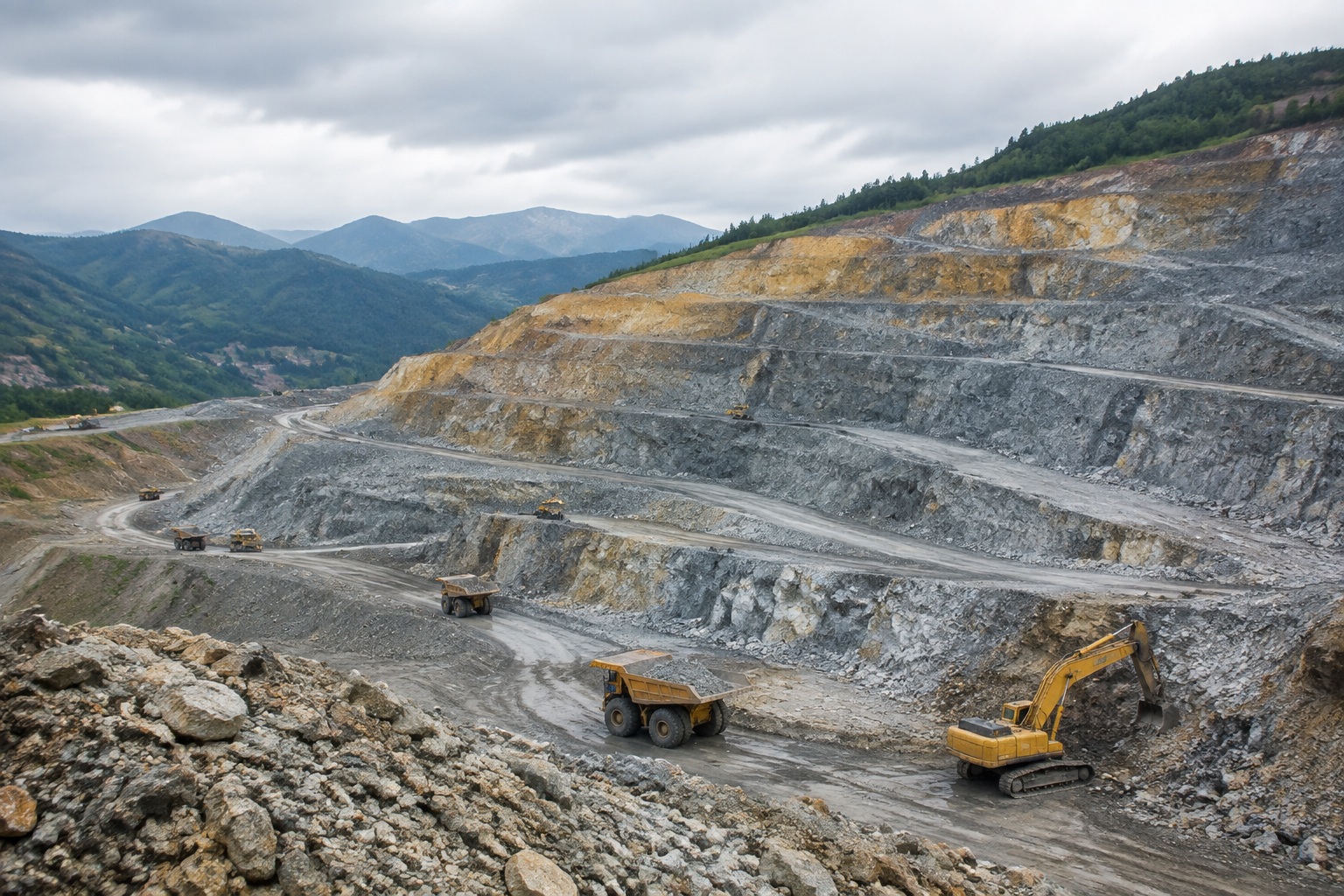
On a hillside outside Yichun, a city of about 5 million people in eastern China’s Jiangxi province, heavy trucks rumble down dusty roads loaded with pale grey rock. The rock is lepidolite, a lithium-bearing mineral that looks ordinary but is steadily fuelling the electric vehicle revolution sweeping China.
Yichun is not a name most outsiders know. But inside China’s new energy industry, it has earned the nickname ‘Asia’s lithium capital’. This single city supplies a significant slice of the lithium carbonate that goes into the batteries powering electric cars, buses, and scooters across the country.
Where Yichun’s Lithium Comes From
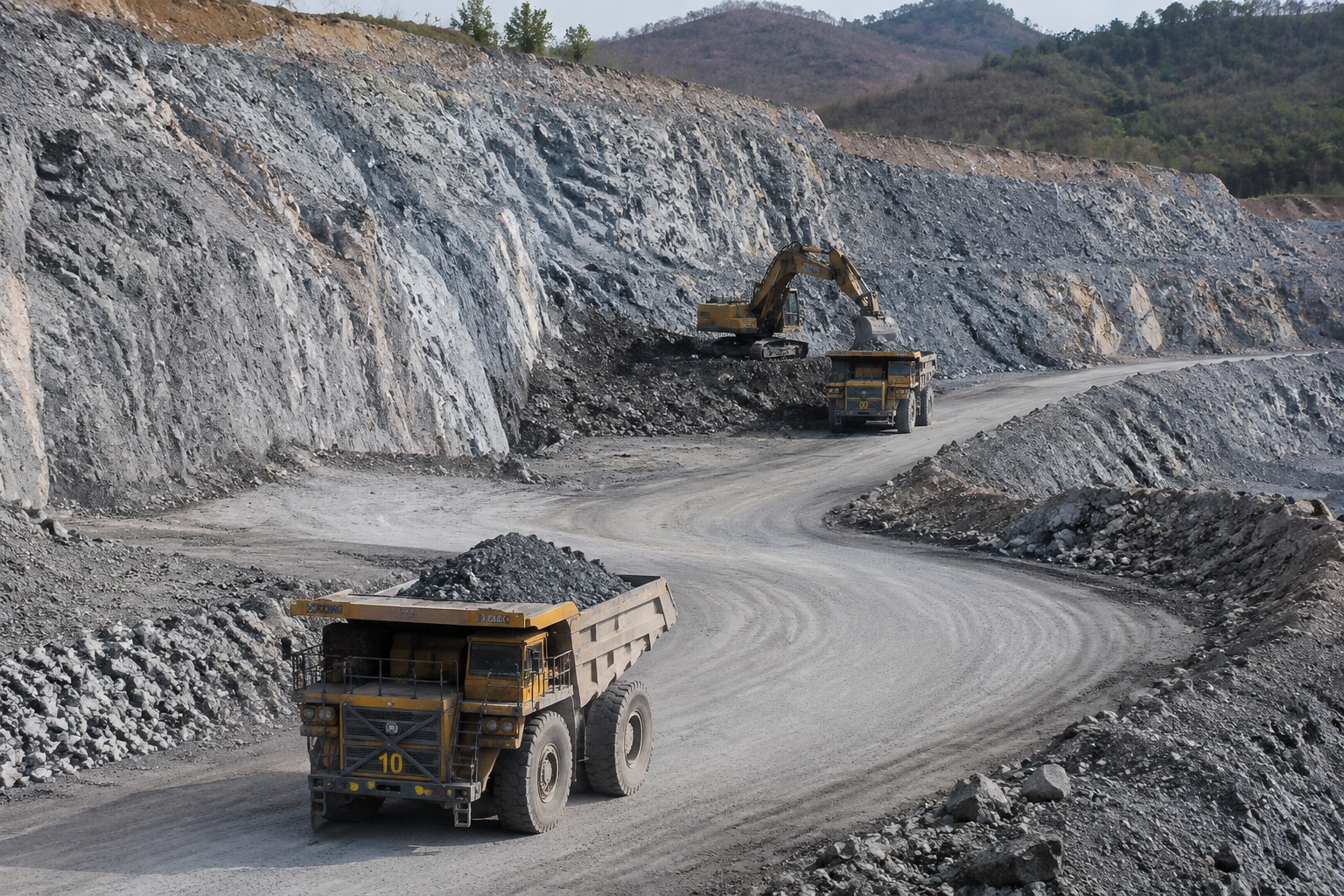
Lithium is often associated with salt flats in Chile or hard-rock mines in Australia. Yichun’s lithium, however, sits mainly in lepidolite, a mica mineral found in extensive open-pit mines scattered across the surrounding hills. For decades this ore was considered too low-grade and costly to extract. But as battery demand soared, new processing methods made it economically viable.
According to local government reports, Yichun’s proven lithium oxide reserves exceed 2 million tonnes, ranking it among the largest known deposits in China. In 2023, the city produced more than 100,000 tonnes of lithium carbonate, roughly one-fifth of the national total. That puts a mid-sized inland city at the centre of the world’s largest EV market.
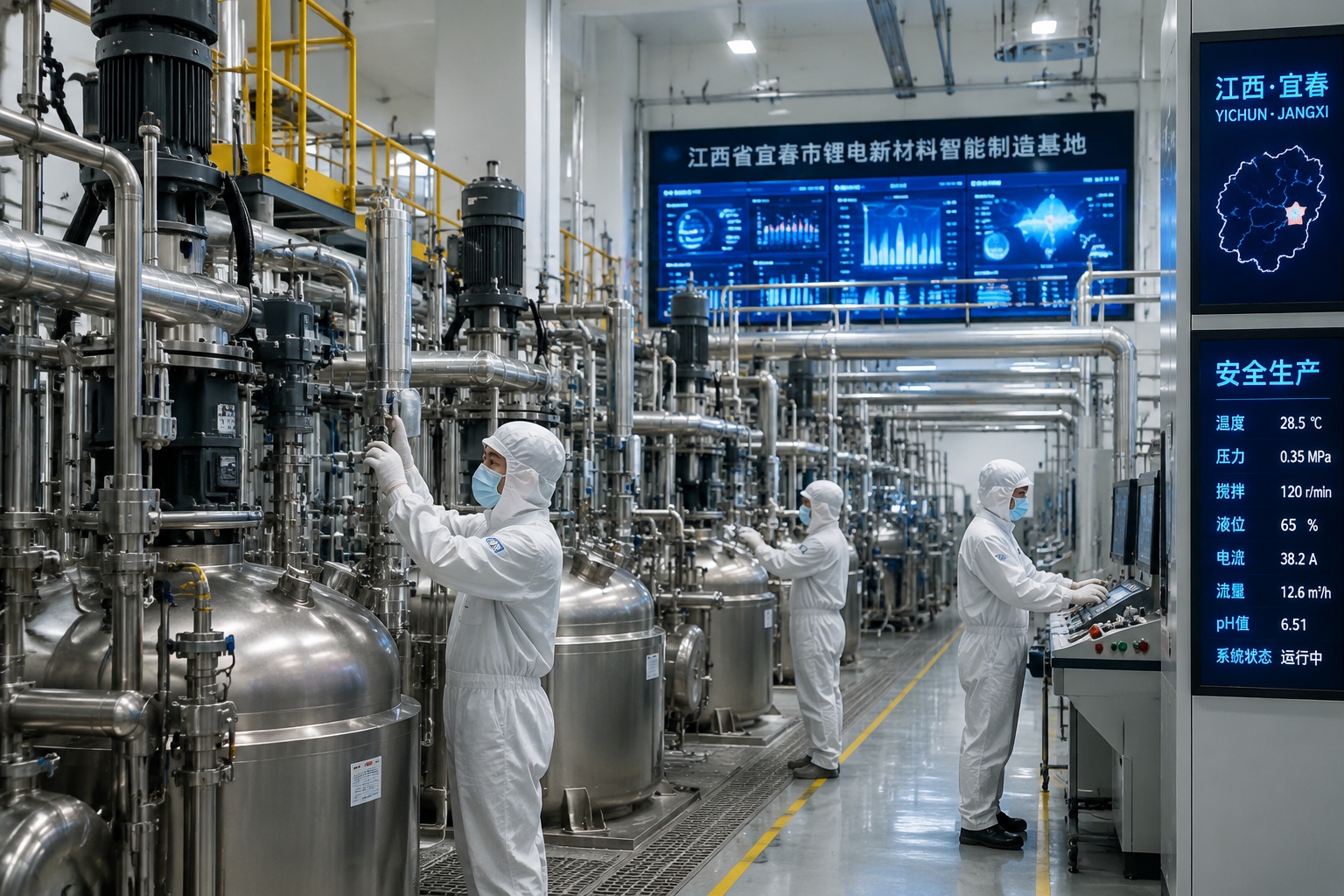
The story of this boom is visible from the mine itself. Rows of excavators strip away overburden to reveal zebra-striped layers of mica. Miners use drilling and blasting to break the ore, then load it onto giant trucks that haul it to nearby concentrators and smelters. There, the mineral is ground, floated, and chemically processed into lithium carbonate or lithium hydroxide — the white powders that later become cathode materials in EV batteries.
From Mine to Battery: A Short Supply Chain
One of the most striking features of Yichun’s lithium industry is how close the entire chain lies to the source. Instead of shipping bulky ore across oceans, companies have built processing plants right in the city. A truckload of lepidolite can leave a mine at dawn and arrive at a chemical plant the same morning.
Several of China’s largest battery producers, such as CATL and Gotion High-Tech, have invested heavily in Yichun. They run lithium salt factories and partner with local companies to secure a steady supply of raw materials. In some industrial zones near the city, you can watch a single cluster of factories handle everything from crushing ore to producing battery-grade lithium carbonate.
Once that white powder is packed into bags, it travels to battery plants in Jiangxi, Fujian, or Guangdong. Within a few weeks, it may be inside a battery pack installed in a BYD or Tesla produced in Shanghai or Shenzhen. This compressed supply chain reduces costs and gives Yichun a distinct advantage in the global race for battery materials.
Boomtown Effects: Workers, Money, and a Return Home
The lithium rush has transformed Yichun’s economy. For years, many local workers left for coastal factories in Guangzhou or Shenzhen. Now, the mining and battery industries are pulling them back. Young engineers find jobs in new chemical plants; former migrant workers become truck drivers or machine operators; and small businesses in town thrive on the influx of company staff and contractors.
Take Chen Tao, a 31-year-old father of two who used to work in a shoe factory in Guangdong. In 2021, he returned to Yichun to drive a haul truck at a lithium mine. ‘The pay is similar, but now I eat lunch at home,’ he says. Chen is one of tens of thousands of people who have found employment linked to the lithium boom. According to local labor officials, the new energy sector now employs around 60,000 people across the city.
Not everyone in Yichun lives in the shadow of a mine or factory. But the city’s horizons have changed. New apartment blocks, restaurants, and schools have appeared around industrial parks. In the evenings, the main streets are busy with young workers wearing company uniforms. For a region that used to rely on agriculture and small-scale trade, the sense of a new era is tangible.
The Price of Progress: Environmental Strains
Rapid extraction has not come without damage. Lithium mica processing produces large volumes of tailings and chemical waste. In the past, reports and local researchers warned of water pollution, soil contamination, and even the risk of thallium leakage into rivers. Some fishing villages downstream complained about fish kills and health problems.
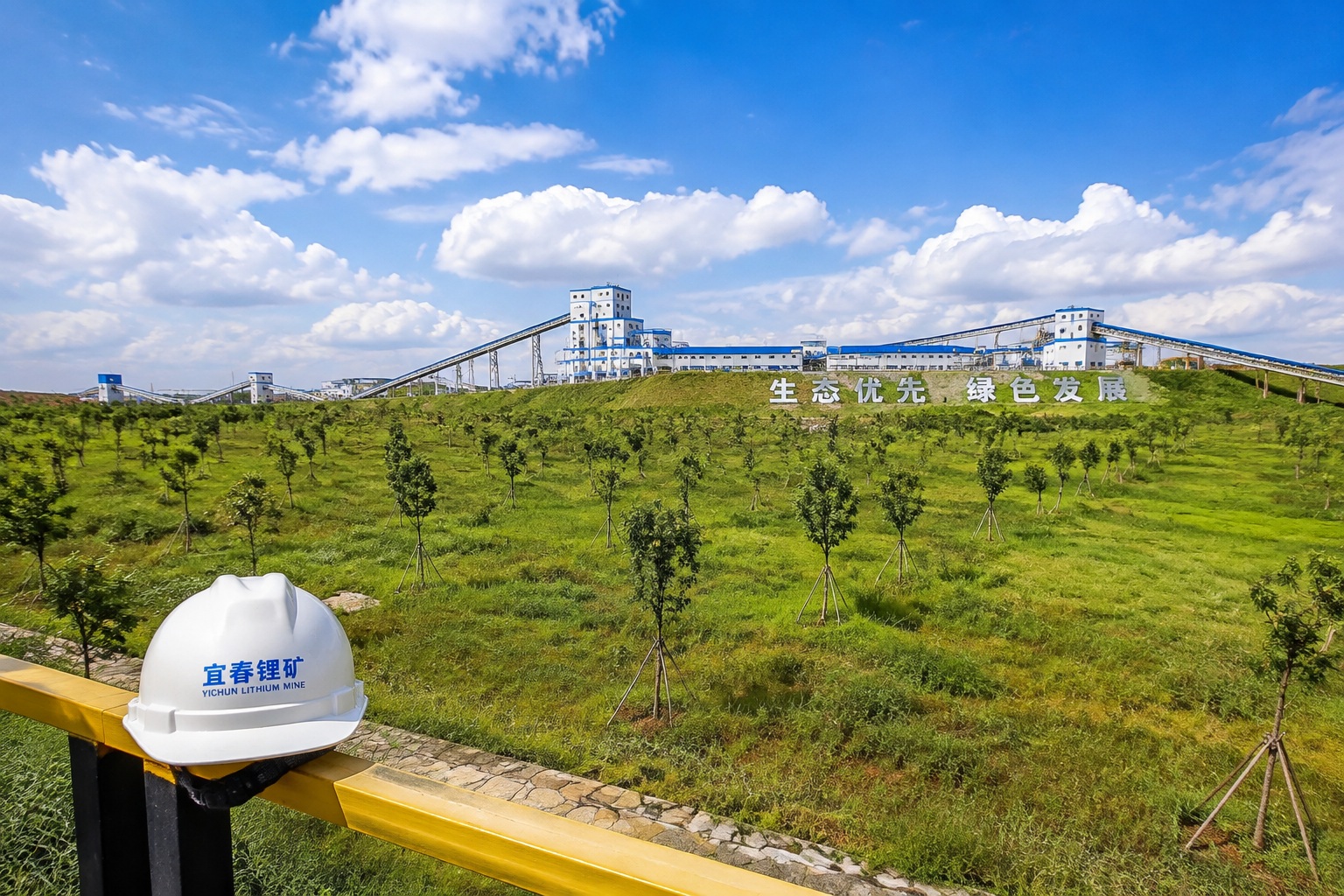
Yichun’s municipal government has responded with a series of cleanup campaigns. Old tailings ponds have been sealed and vegetated. New processing facilities must meet stricter emission standards and install online monitoring systems. The city also set up a dedicated environmental inspection team for the lithium industry. It is a work in progress. Satellite images show that some stretches of river remain greyish, and locals still worry about long-term health effects.
The challenge is not unique to Yichun. Every mining region on Earth faces this trade-off. What makes Yichun different is the speed: a quiet agricultural area became a global battery hub within a decade. Regulators are now trying to catch up with an industry that grew faster than the rules that govern it.
What’s Next: Sustainability and the Next Cycle
Despite the hype, Yichun’s lithium story is not simply about digging more rock. As prices for lithium carbonate swung wildly in 2022 and 2023, the city learned the dangers of relying on a volatile commodity. Some small miners closed when prices fell, and local officials began promoting more advanced extraction methods, such as direct lithium extraction, to improve recovery rates and reduce waste.
Battery recycling is another growth field. Since lithium is infinitely recyclable, companies are building plants to recover it from old EV batteries. Yichun wants to become a hub for circular supply chains, where used batteries come in and new materials go out.
The industry is also looking at how to make the mines themselves greener. Some firms are testing electric mining trucks and solar-powered processing units. The next few years will tell whether Yichun can hold its position as lithium prices stabilise and other producers ramp up overseas.
Yichun in the Rear-View Mirror
Yichun is not the flashiest place in China’s electric vehicle story. It doesn’t make complete cars or headline-grabbing batteries. But every time an electric taxi hums through Shanghai or a delivery van glides through Chengdu, a small part of that motion originates in the grey hills of Yichun.
For the people who live there, the lithium rush has been both a chance and a test. It brought money and employment, but also placed a heavy burden on the land and water. How Yichun manages this next chapter will tell us a lot about whether China’s green transition is truly sustainable — from the ground up.
Start the discussion at forum.chinacomes.com