

What a Chinese ‘ba zong’ story looks like in 90 seconds
The first episode is shorter than a TV ad break. A woman in a hospital corridor agrees to marry a stranger — she needs money for a relative’s operation, he needs a wife before his grandfather’s will is read. Ninety seconds later she has a ring, a contract, and his last name.
If you are reading this in the United States or Britain, there is a decent chance you have already seen a version of it. Over the past two years, apps such as ReelShort, DramaBox and GoodShort have pushed thousands of these vertical, one-to-two-minute episodes into the pockets of English-speaking viewers. ReelShort briefly sat at the top of the US App Store’s free chart in late 2023, and it has not really left the conversation since.
What almost nobody outside the industry notices is where the story came from. Most of these scripts were written first in Chinese, by writers working in Hangzhou, Chengdu and Zhengzhou, for an audience that has been reading this exact fantasy for twenty years.

First, what ‘ba zong’ actually means
Ba zong (霸总) is shorthand for badao zongcai — ‘domineering CEO.’ It is not a job description. It is a personality type, and a very specific one.
The ba zong is rich, but the money is not the point. He is emotionally illiterate, terrifying in a meeting, physically incapable of saying ‘I like you’ — and secretly, catastrophically devoted to one woman. He controls everything except his own feelings. The Chinese word ba carries both ‘overbearing’ and ‘forceful’; it sits closer to ‘bullying’ than to ‘bossy.’
The genre has its own vocabulary that Chinese readers use as casually as English readers use ‘enemies to lovers.’ Qiyue hunyin: a marriage that exists on paper, signed like a supply contract. Tian chong: sweet, doting, low-conflict romance. Zhui qi huo zang chang — roughly, ‘chasing his wife into the crematorium’ — the arc where a man realises too late what he threw away and spends the rest of the story grovelling.
None of that needs explaining to a Chinese audience. All of it now needs explaining to everyone else.
The fantasy is not Chinese. The packaging is.
Western readers already know this man. He is Mr. Darcy, sulking at the edge of a ballroom. He is Mr. Rochester with a secret in the attic. He is the Greek shipping tycoon on the cover of a Harlequin Presents novel from 1987. He is Christian Grey. He is, if you are honest about the Twilight fan-fiction pipeline, a vampire.
So why does the Chinese version feel different? Three things travel with it.
1. The company is the family
In an English-language billionaire romance, the hero usually owns something abstract — a hedge fund, a tech company, a hotel group. In a ba zong story, the business is the family estate, and marriage is a merger. Parents behave like shareholders. A wedding is a board meeting with food. Anyone who has watched Succession will recognise the emotional weather instantly; the difference is that here it is wrapped around a love story instead of replacing one.
2. Someone has to be publicly humiliated
Chinese web fiction has a beat called da lian — ‘slapping the face.’ It is the scene where the relative, the ex, or the sneering colleague who looked down on the heroine is proven wrong, loudly, in front of witnesses. Western romance often ends with private emotional resolution. The ba zong story insists on a public one, usually with an audience and a signed document.
3. The heroine is allowed to be competent
This surprises people who expect a doormat. In most contemporary ba zong stories she is a surgeon, a lawyer, a designer, or the person actually running the department while the CEO is being dramatic. She is not waiting to be rescued. She is waiting to be respected — and most of the plot is about him failing at that, then earning it.
How the pipeline actually works
The route from a Chengdu desk to an Ohio phone screen has four stages, and each has become a business.
Stage one is the web novel. Serialised fiction platforms such as Jinjiang Literature City and Qidian built an industrial-scale romance market in Chinese, with writers paid by word count and readers voting with their wallets chapter by chapter.
Stage two is translation and export. Apps including Webnovel, GoodNovel and Dreame have spent the past decade pushing machine-assisted, human-edited Chinese romance into English, Indonesian, Spanish and Portuguese. Millions of overseas readers were already fluent in these tropes before any camera rolled.
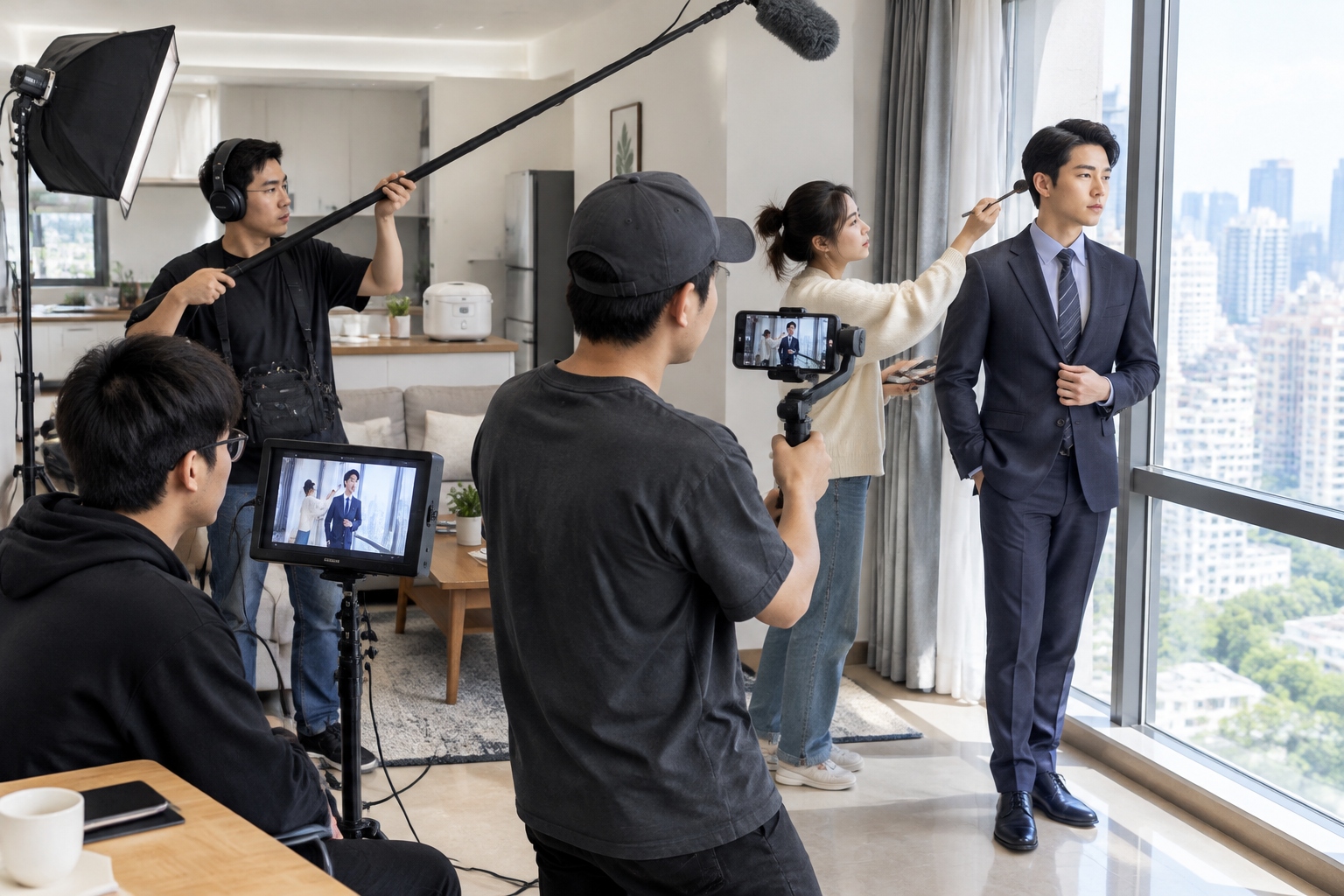
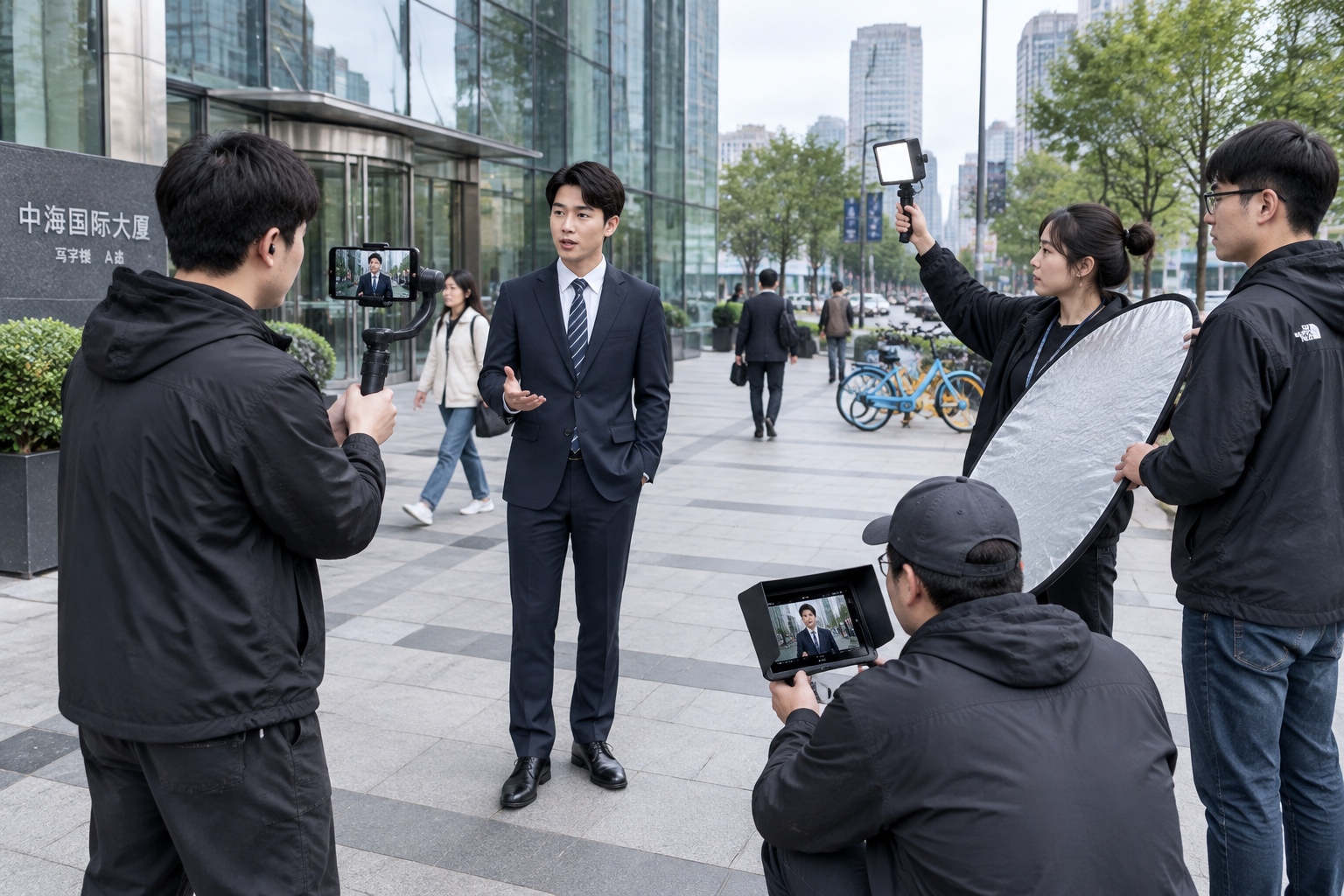
Stage three is the micro-drama itself. Vertical video, 60 to 120 seconds per episode, 70 to 100 episodes per series, with a cliffhanger engineered into every single one. Production is fast and cheap — some series are shot in under two weeks, often in ordinary apartments and office buildings rather than studios.
Stage four is the paywall. Most apps give you the first ten episodes free, then charge in coins or a subscription — roughly the price of a coffee — to finish the story. That model turned a niche format into a serious export. Industry estimates put China’s own micro-drama market near 50 billion yuan, about $7 billion, in 2024, with more than 600 million viewers.
The overseas version is increasingly shot in English, in Los Angeles, with Western actors and often North American directors, working from scripts that began in Chinese. In 2024, SAG-AFTRA introduced a contract specifically covering micro-dramas — a fairly clear signal that this is now an American employer, not a curiosity.
What gets lost, and what weirdly survives
Some translation artefacts have become part of the appeal. English lines like ‘You are the woman I want to spoil’ or ‘How dare you touch what is mine’ sound strange in a Hollywood script and completely natural in a Chinese one. Fans on TikTok and Reddit quote them the way people quote bad subtitles — half mockery, half affection.
Localisation is selective. The Lunar New Year dinner becomes Thanksgiving. The grandmother’s approval becomes a board vote. The family compound becomes a Connecticut estate.
What tends not to get localised is the underlying assumption that marriage is a negotiation between families with assets at stake. That is not foreign to Western readers at all — it is just usually filed under historical romance rather than contemporary. The micro-drama moves it to the present tense and puts everyone in a suit.

The limits are real
Two things are true at once. The format is working, and it is under pressure.
Inside China, regulators have tightened oversight since 2024, requiring micro-dramas to be filed and licensed and pushing back on revenge plots, violence and what they describe as vulgar content. That has pushed budgets and production values up — and pushed some of the most formulaic output offshore.
Outside China, the complaints are familiar: eighty episodes of the same argument, actors paid for a two-day shoot, and a business model built on making you tap ‘unlock’ at one in the morning. Critics call it junk food. Plenty of viewers agree, and keep watching.
It is worth comparing with Korean drama, which won global prestige by going the other way: sixteen tightly written episodes, cinematic production, festival invitations. The Chinese micro-drama chose volume over prestige. Both are exports. They are simply playing different games.
Why it lands right now
Part of the answer is technological. Vertical video trained a generation to accept a story that ends in ninety seconds and resumes instantly. Part of it is economic: when a night out costs $60, a $20 in-app purchase that delivers a complete emotional arc in two hours is a reasonable trade.
And part of it is that this fantasy has been quietly de-Americanised. The rich man who must be taught how to love is not a Chinese invention. What Chinese web fiction did was industrialise it — write it a million times, test it against millions of readers, and find the version that never fails.
A reader in Chengdu and a viewer in Columbus are now consuming the same story logic, at the same speed, in different languages. That is a smaller cultural distance than most people assume. It just took a nine-figure CEO with no emotional vocabulary to make it visible.
Start the discussion at forum.chinacomes.com