
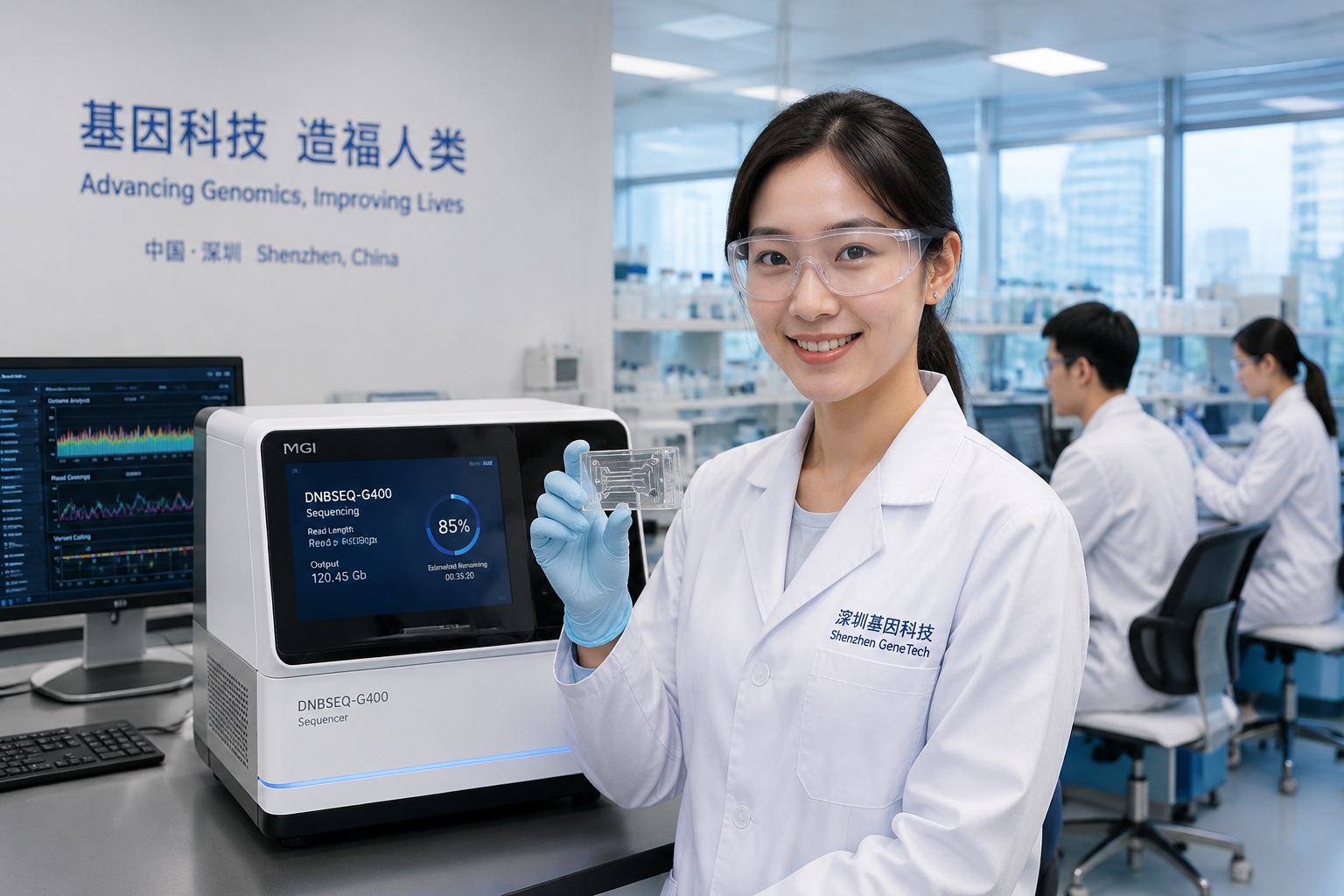

A few weeks ago, I met Li Wei at a coffee shop in Shenzhen’s Nanshan district. She arrived straight from the lab, wearing a hoodie under a light jacket. At 29, she is a mechanical engineer by training and works today on portable DNA sequencers for a biotech startup. Before that, she spent three years in a Dongguan factory that made phone camera modules.
Her career path is a small map of China’s industrial transition. I wanted to know what it’s actually like to be an engineer working through this shift, so we talked about her day, her company, and whether “world factory” is still a useful label.
From Assembly Lines to R&D Labs
“I started in 2017, in Dongguan, helping run a line that put camera lenses into smartphones,” Li said. “It was stable and paid well, but my real job was making sure the workers never stopped moving.” She remembers clocking in before dawn and checking cycle times. By her third year, she felt the industry changing: wage rises, labor shortages and a sense that many steps would soon move to machines or to Southeast Asia.
That factory is different today. Li says maybe half of the assembly positions she oversaw are now automated or offshore. “I had two options: stay and become a factory manager, or move upstream,” she explained. Many colleagues didn’t have that choice. Li went back for a master’s degree in biomedical engineering, then relocated to Shenzhen, China’s hardware and tech capital. She now earns about 40% more than she did, and she designs rather than monitors.
What Does an Engineer in China Actually Do All Day?
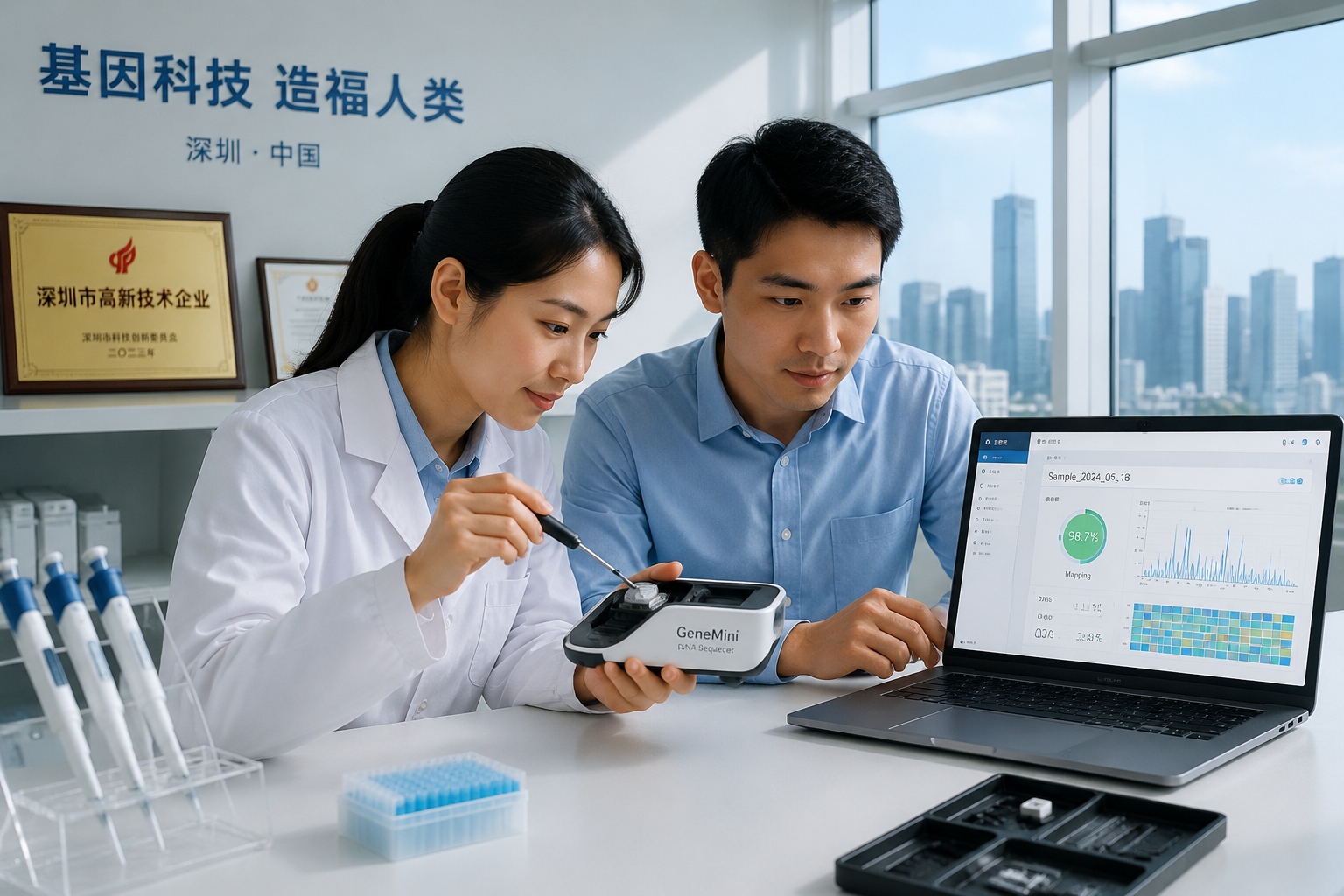
Li Wei’s typical week starts with stand-up meetings. She coordinates with hardware engineers in Shenzhen, a software team in Shanghai and a contract manufacturing partner just outside the city. The project is a handheld DNA sequencing device for clinics in low-infrastructure areas. She manages the mechatronics, runs prototyping tests and often visits the factory to solve design problems on the spot.
She showed me a half-built instrument on her phone. “In the factory, the goal was to keep the line running. In R&D, my goal is to make the design fail as early as possible.” On many weeks, she works from nine in the morning until nine at night, sometimes six days a week. “It can be intense, but it’s different. I own the product, not just the schedule.”
Does Government Policy Matter? Yes, but Not in the Way You Think
One common question in the West is how much China’s transformation relies on state direction. Li laughed. “I don’t know what Beijing wants. I know what my city government does.” Shenzhen offers her startup subsidized lab space, tax breaks for R&D and easier medical-device filing in some pilot programs. National plans such as “Made in China 2025” have encouraged more lending and procurement, but she says individual innovators still need to make things work.
A better example happened during the pandemic. Chinese instrument firms initially struggled to make masks and ventilators. By 2021, many of the same companies were shipping rapid test kits and nucleic acid systems abroad. That wasn’t from a central master plan, Li argues. “It was local learning and extremely fast iteration. We had the whole manufacturing supply chain and software talent in the same hour zone.”
Still the World’s Factory—but Building Different Things
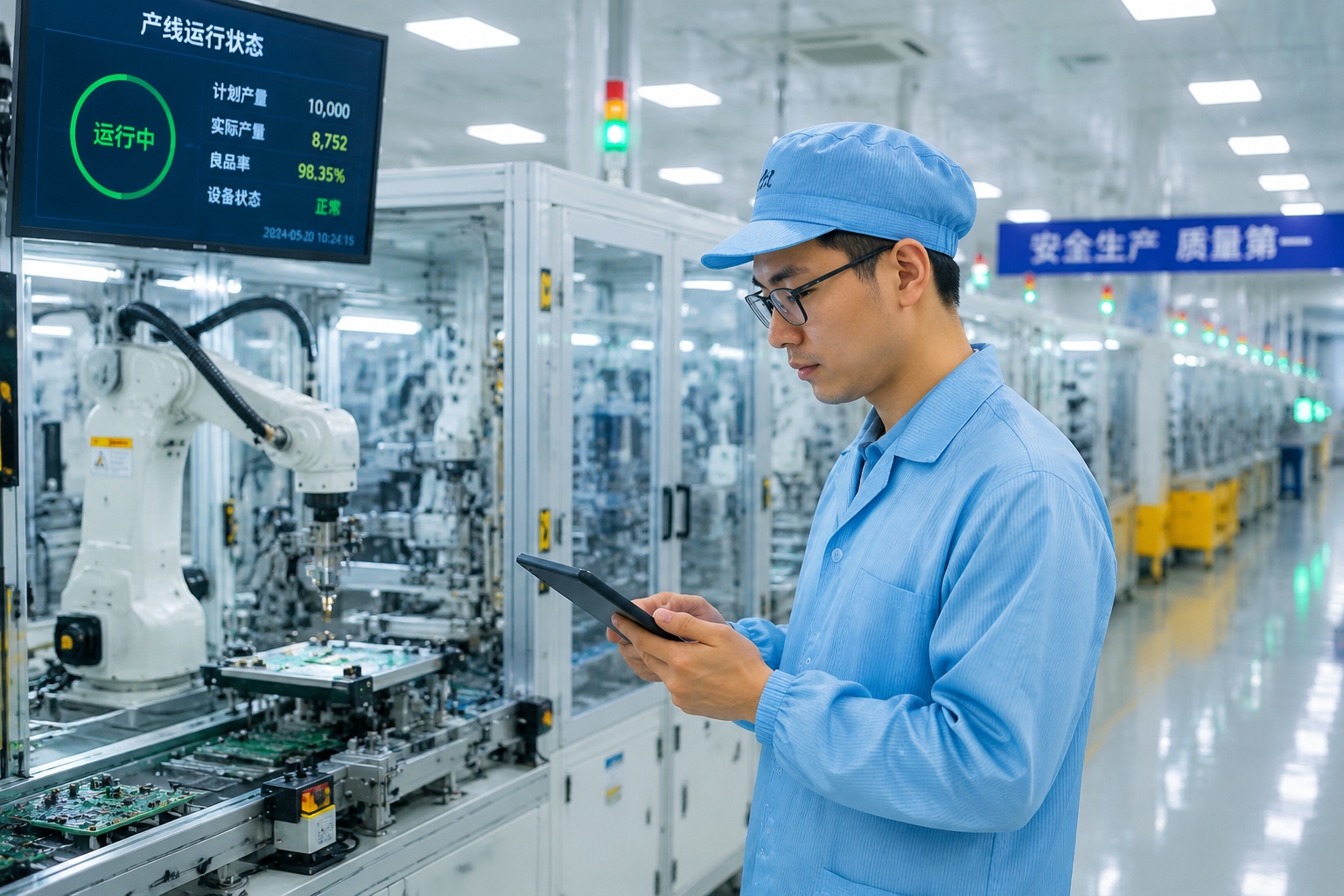
People often assume “world factory” means cheap toys and simple goods. Li thinks the label is stuck in the past. “We still make a lot of things,” she says, “but now many are low-volume, high-complexity products.” Her sequencer, for example, uses a microfluidic chip made nearby, optics from Shenzhen, and algorithms built in Shanghai. She can have a dedicated part delivered in days, not months.
That dense supply chain has become China’s new advantage. Labor-intensive goods have gone to Vietnam and Bangladesh; factories in China are refocusing on EVs, lithium batteries, industrial robots, carbon fiber and custom medical devices. Even foreign manufacturers often set up pilot lines in China first because they can debug a new product faster here.
The Hard Part: Talent, Tariffs and Standards
None of this is easy. When I ask about constraints, Li Wei gives me three.
The first is talent. “Money isn’t the issue. Finding truly qualified people is.” She needs engineers who understand biology and hardware. A pure biochemistry graduate cannot design actuators, and a mechanical engineer often fears wet labs. China produces many graduates, but practical, interdisciplinary skills remain in short supply. Some of the best minds still take PhDs abroad and don’t return.
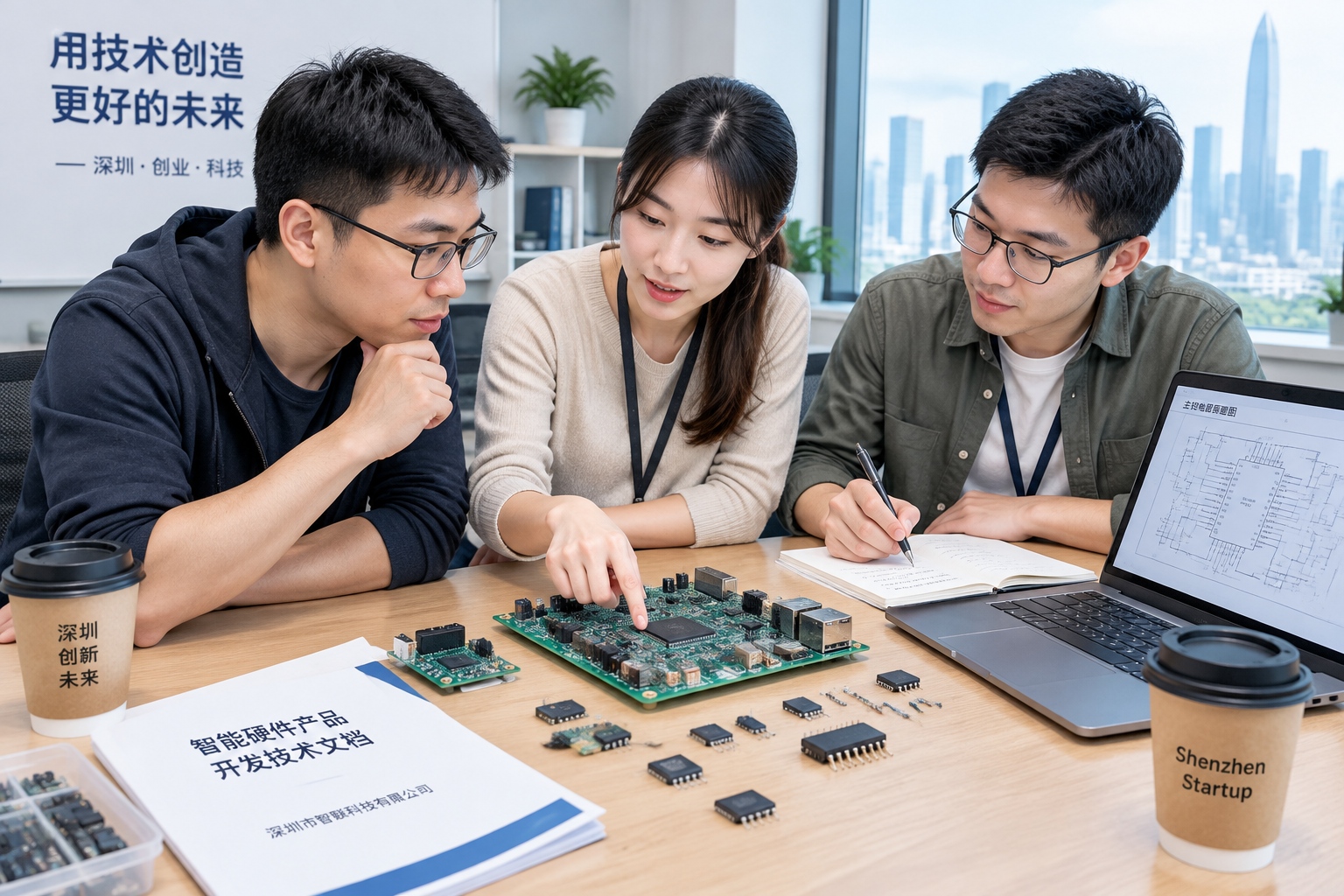
The second issue is technology controls. “We tried to buy a high-end chip for our next machine from the U.S. last year. Suddenly it wasn’t allowed. So we redesigned the board around a domestic chip. It took an extra five months.” Such export restrictions have forced many startups to design their own alternatives. The result is often slower time-to-market.
The third is regulatory trust. To sell in Europe or America, Li Wei’s device would need lengthy trials, sometimes repeating studies that were already done in China. “They don’t automatically trust Chinese data. That means we need to become twice as rigorous.” She expects this frustration will remain for years, even if technical quality is equal.
What’s Next? A Global Role from China’s Engineering Hub
Still, Li Wei looks forward. Her company is piloting its handheld sequencer in Southeast Asia, with plans to add hepatitis and dengue tests. “I want our instrument to be like the Chinese phones we see all over Africa: reliable, accessible and not tied to a big centralized lab.” For her, the shift from factory to engineering center isn’t about branding. It is about making tools that can work for the world.
She is also part of a family story. Her father spent decades working in a shoe factory. “He hears me talk about microfluidics and can’t follow,” she says. “But he tells everyone his daughter is inventing a medical instrument. That’s still not common for his generation.” She leaves the coffee shop with a mix of exhaustion and energy. A message says a fresh batch of prototypes has arrived.
“Tomorrow will tell if they work,” she says, pulling on her backpack. One engineer at a time, China is redesigning its relationship with the world.
Start the discussion at forum.chinacomes.com