

4 a.m., and the Track Is Already Alive
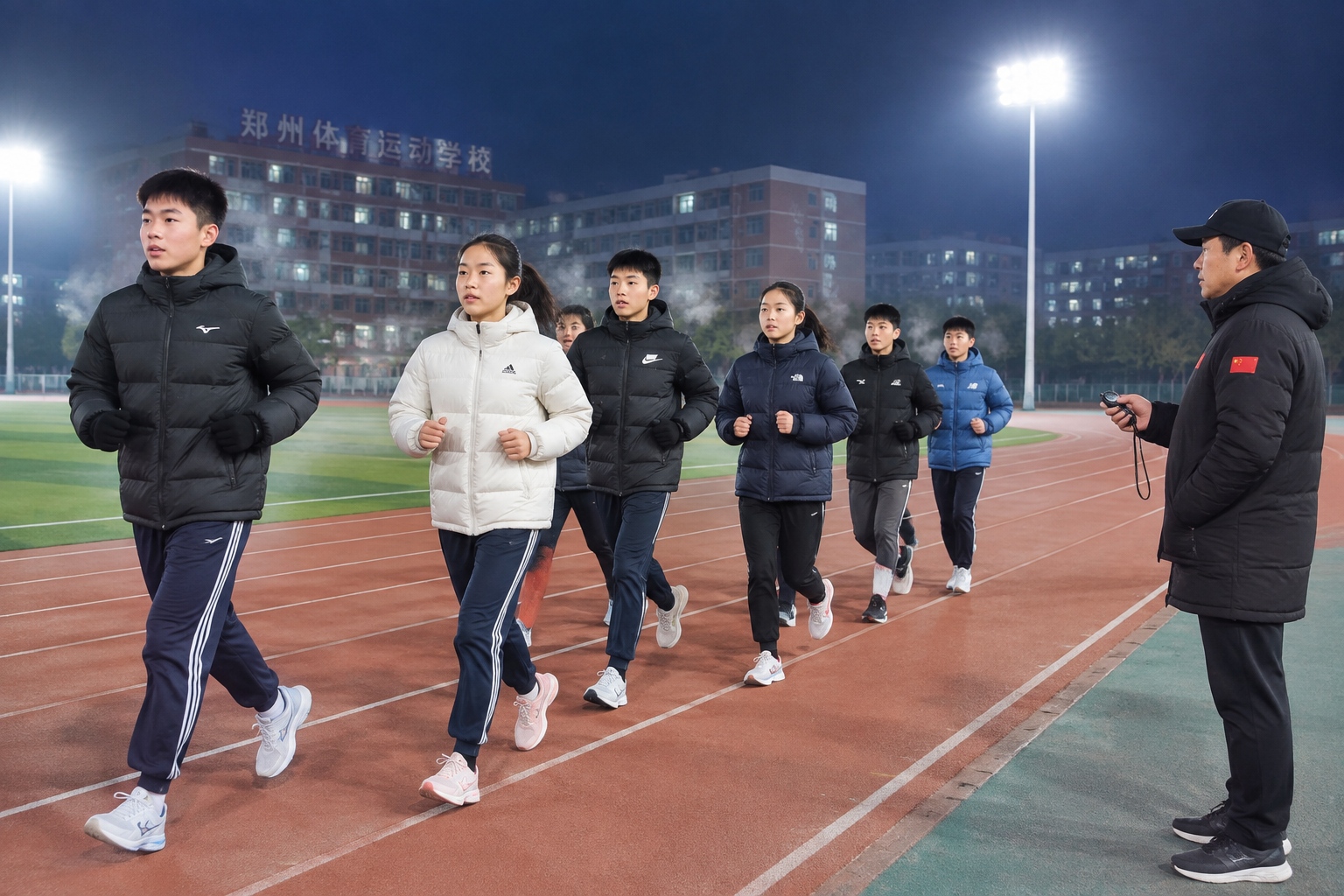
The floodlights at a sports school on the outskirts of Zhengzhou flicker on at 4:00 a.m., cutting through the cold, damp air. A row of teenagers in mismatched windbreakers starts its warm-up laps, breath forming small clouds over the red synthetic track. A coach with a stopwatch shouts split times as they pass. This is the daily opening scene for thousands of young athletes across China—students who spend mornings sprinting, afternoons in classrooms, and evenings lifting weights, all while chasing a future that is both promising and precarious.
In China, these students are known as tǐyù shēng (体育生), or sports-stream students. They are admitted to middle schools, high schools, and universities not just on academic scores but on athletic ability. Some aim for provincial or national teams; others hope to secure a spot in a university’s high-level sports program, where a championship title can open doors. But behind the medals and the polished graduation photos lies a routine that few outsiders ever see: at dawn, when most teenagers are still in bed, these athletes are already pushing their bodies to the edge.
Who Are the Sports Students?
The term tǐyù shēng covers a broad range. There are students in dedicated sports schools, like the one in Zhengzhou, who train eight hours a day. There are also ‘sports specialties’ in ordinary high schools—students who attend regular classes but devote afternoons to intensive training. Some are aiming for the gāokǎo sports track, which allows lower academic score requirements if they excel in national competitions. Others take the ‘sports single enrollment’ (tǐyù dānzhāo) exam, a separate university admission pathway for athletes that weighs sports performance heavily.
Every year, around 2.1 million students take the gāokǎo as sports or arts candidates, according to the Ministry of Education. Only a small slice gains admission to elite institutions. Beijing Sport University, the country’s top sports school, accepts just a few hundred undergraduates from tens of thousands of applicants each year. The odds are brutal—and that’s exactly why the 4 a.m. wake-up feels necessary.
A Day That Never Ends
Li Wei, a 17-year-old sprinter, has been boarding at the Zhengzhou sports school since he was 12. His day begins at 4:20 a.m., when the dormitory lights go on. He has 20 minutes to wash, dress, and tape his ankles. At 4:40, he’s on the track for timed 100-meter intervals. By 6:30, he’s at breakfast—usually rice porridge, pickled vegetables, and a boiled egg. From 7:30 to noon, he sits through academic classes: Chinese, math, English, and political theory. ‘I’m not going to lie, I sleep through most of it,’ he says with a tired grin.
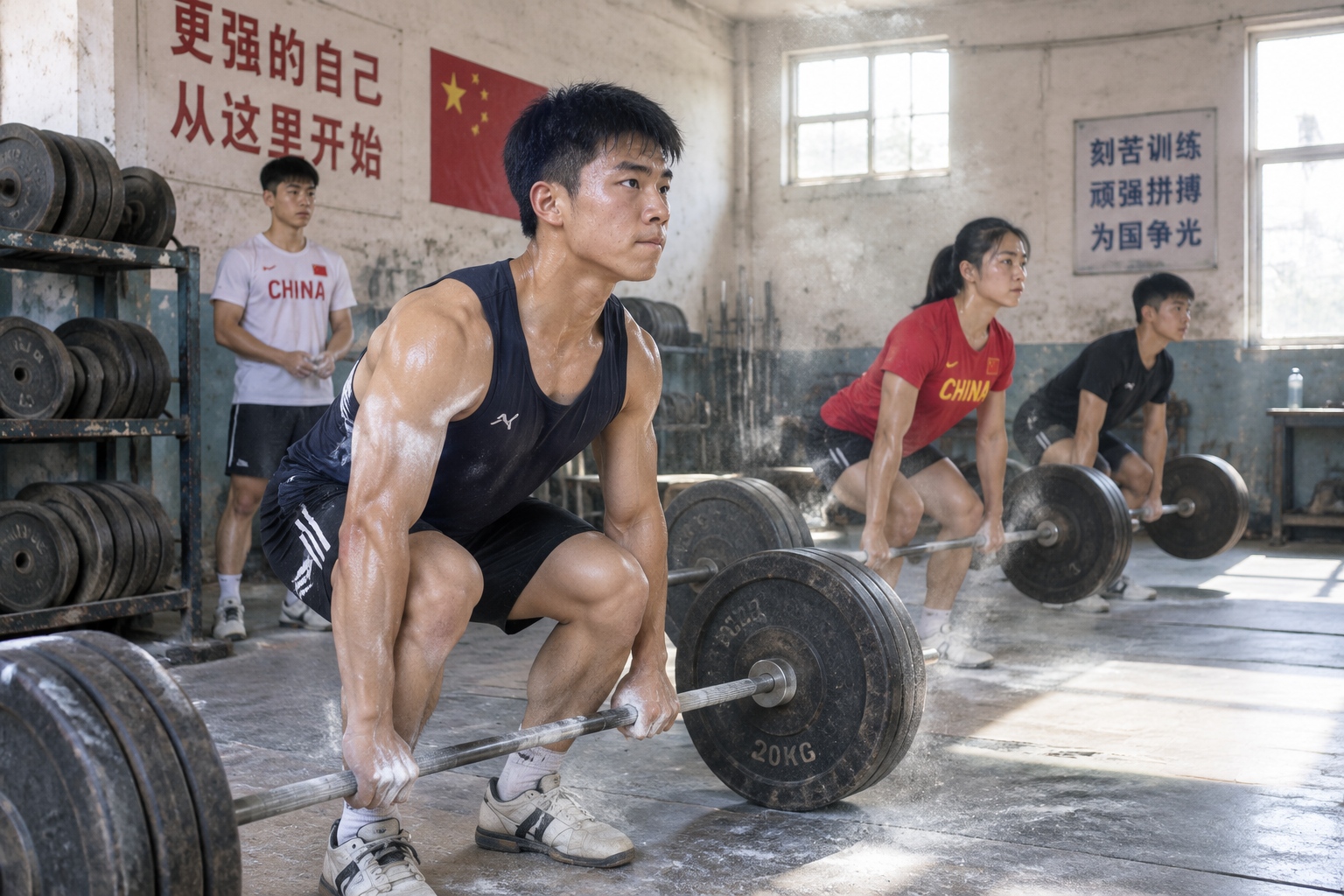
After lunch, the afternoon session runs from 2:00 to 5:30. This is where technique is refined—starts, hurdle drills, strength work in a dusty weight room filled with clanging plates. At 7:00, evening self-study starts, but for many athletes it’s the only chance to catch up on homework or visit the physiotherapy room. Li Wei describes Sundays as ‘recovery days,’ which means a light jog and ice baths. There is no off-season.
Involution: A Race With No Finish Line
The Chinese word nèijuàn (内卷) has gained global attention as a description of the frantic, zero-sum competition that consumes students and workers. For these young athletes, involution isn’t a social media buzzword. It’s the teammate who quietly adds extra hill sprints after practice, the coach who demands ‘five more reps’ when your legs are shaking, the parents who remind you that 0.01 second can be the difference between a university spot and a factory floor.
The stakes are staggering. A provincial champion might get recruited by a top university, while fourth place might not even earn a local college offer. Parents, many of whom have sacrificed financially for coaching, gear, and nutrition, put enormous pressure on their children to convert athletic talent into social mobility. For rural families, a successful athlete can be a ticket out of poverty.
Social media amplifies the grind. Many athletes post their 5 a.m. sunrise runs on short-video platforms, celebrating the discipline but also feeling the pressure to show they are working harder than rivals. One coach told me, ‘If you rest for a day, someone else is training. If you rest for a week, they are already ahead.’
Bodies and Minds Under Strain
The physical cost is visible. During my visit in early spring, I watched junior sprinters doing bounding drills on a damp track. One 15-year-old stumbled and scraped his knee. The coach just told him to wash it and continue. ‘It’s not cruelty—it’s this sport,’ the coach explained. ‘If we stop for every tear, they’ll never make it.’ But the body is not a machine. Chronic knee injuries, stress fractures, and tendonitis are common. The school’s small physiotherapy room is always busy, and many athletes rely on braces and painkillers.
The mental strain is less visible but just as heavy. ‘You feel like you’re always behind, even when you win,’ says Zhao Min, a high jumper who has been training for eight years. ‘There’s always someone better, and if you rest for a week, you lose your edge.’ She shows me a small smiley-face tattoo on her wrist—her way to remind herself why she started running. ‘Sometimes I forget,’ she adds quietly.
The Dream: University and Beyond
For most sports students, the immediate goal is university. A strong athletic performance in national or provincial meets can secure admission through the sports single enrollment exam, which combines sports test scores with a reduced academic requirement. Once in college, these athletes may compete for the university team, earning stipends and possibly professional contracts. A few even reach the national team, representing China on the world stage.
But for every success story, there are many more who don’t make it. An athlete who ages out without a medal or a decent academic record often leaves school with little more than a scarred body and a high school diploma. Some drift into ordinary jobs; others become coaches or personal trainers. The path is a gamble, and everyone knows it.
More Than Just Pain: The Bonds That Hold
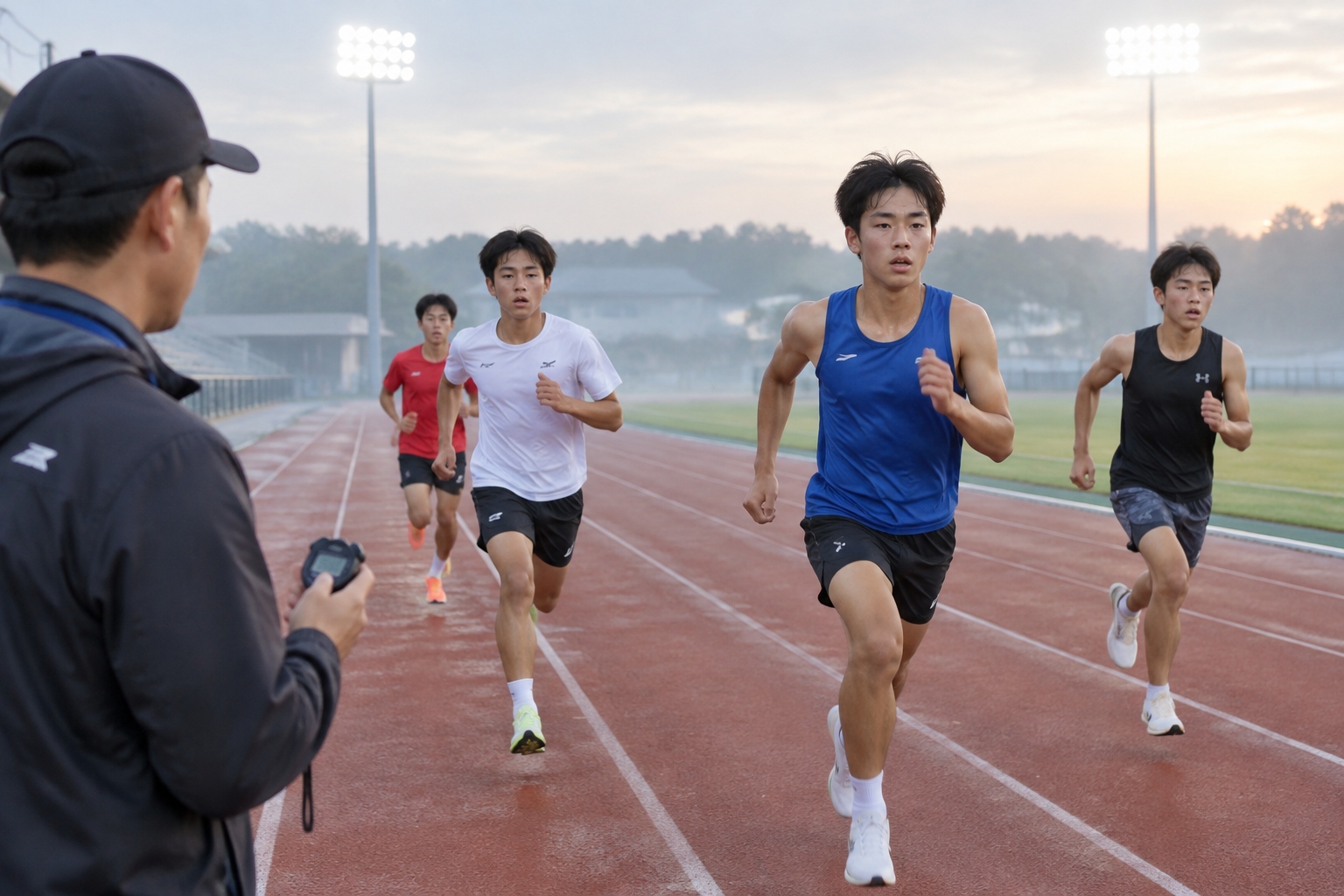
Yet amid the drudgery, there is a powerful counter-story. At 5:45 a.m., as the sky turned from navy to gray, the sprinters finished their last 300-meter rep. They collapsed onto the grass, gasping, but someone started laughing, and soon the whole group was in tears of laughter. The coach allowed an extra five-minute water break. ‘When they leave here, they’ll remember this laughter more than the times,’ he said.
Teammates become family. They share food, help each other with stretching, and know exactly how to cheer up someone who has just lost a race. This collective spirit is something many ordinary students never experience. It may be the true hidden benefit of this hard life.
Reform and Changing Policies
In recent years, China’s Ministry of Education has pushed for reforms to reduce academic burnout across all schools. For sports students, the change has been slow. New rules require schools to strengthen academic education so that athletes aren’t completely illiterate. There are also stricter anti-doping laws. Yet the pressure on athletes to perform remains intense, as the competition for spots in university teams and provincial squads only grows.
Dawn Breaks Over the Track
As I left the sports school that morning, the sun was rising over the grandstand. Li Wei walked toward the cafeteria, his face etched with fatigue, but his stride was steady. A coach’s whistle blew in the distance, calling the next squad to the track. Another day had begun. For those who watch from the stands, sport looks like glory. For those who live it, it looks like this: a cold morning, a tired body, and a relentless determination to be a tiny bit faster than yesterday. That is the unseen grind of China’s sports students.
Start the discussion at forum.chinacomes.com