
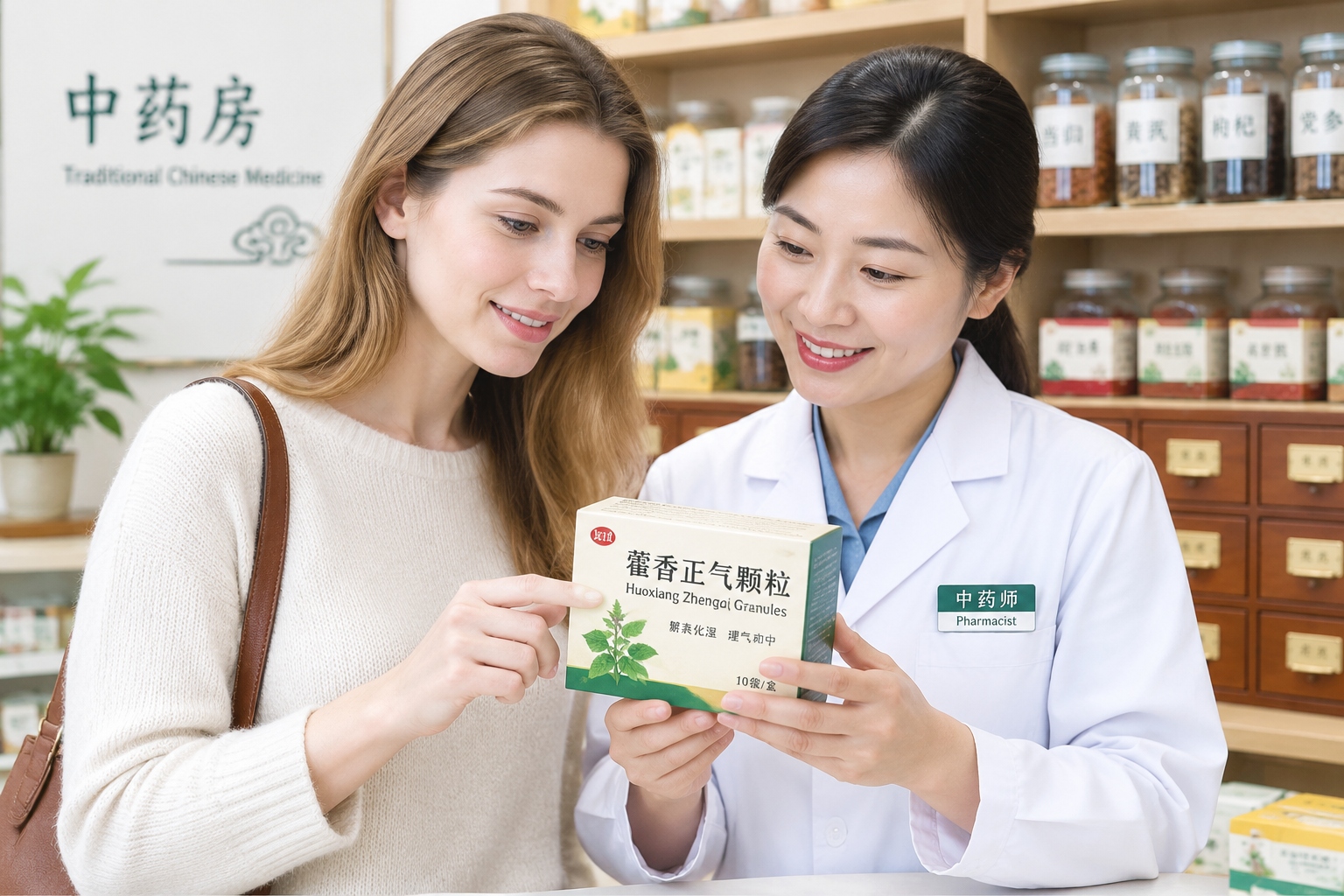

When Helen, a British friend of mine living in Shanghai, first picked up a box of Banlangen granules at a pharmacy, she stared at the instructions. "Clearing heat and detoxifying," she read aloud. "What does that mean? Is it a herbal tea or a medicine?" She put it back, unsure. That moment sums up a bigger puzzle: how do you explain a medical system rooted in 2,000-year-old philosophy to people who expect to see milligrams, clinical trial data, and side-effect lists on every box?
Traditional Chinese medicine (TCM) has been used in China for centuries, but its language is deeply embedded in concepts like qi, yin, and yang. For most Westerners, reading a Chinese medicine label is like reading a poem that doesn’t rhyme in your language. Yet today, China is trying to change that by standardizing how herbal medicines are named, tested, and described — not to make TCM more "Western," but to make it comprehensible to a global audience.
Why Traditional Chinese Medicine Labels Baffle Western Consumers
Take the ubiquitous term "qing re jie du" (清热解毒). In TCM, "heat" and "toxins" are not what a thermometer or a blood test would measure. They refer to patterns of disharmony in the body, often linked to inflammation or infection. The phrase itself is a medical diagnosis in a four-character package. But to a Western consumer, it’s vague, even mystical.
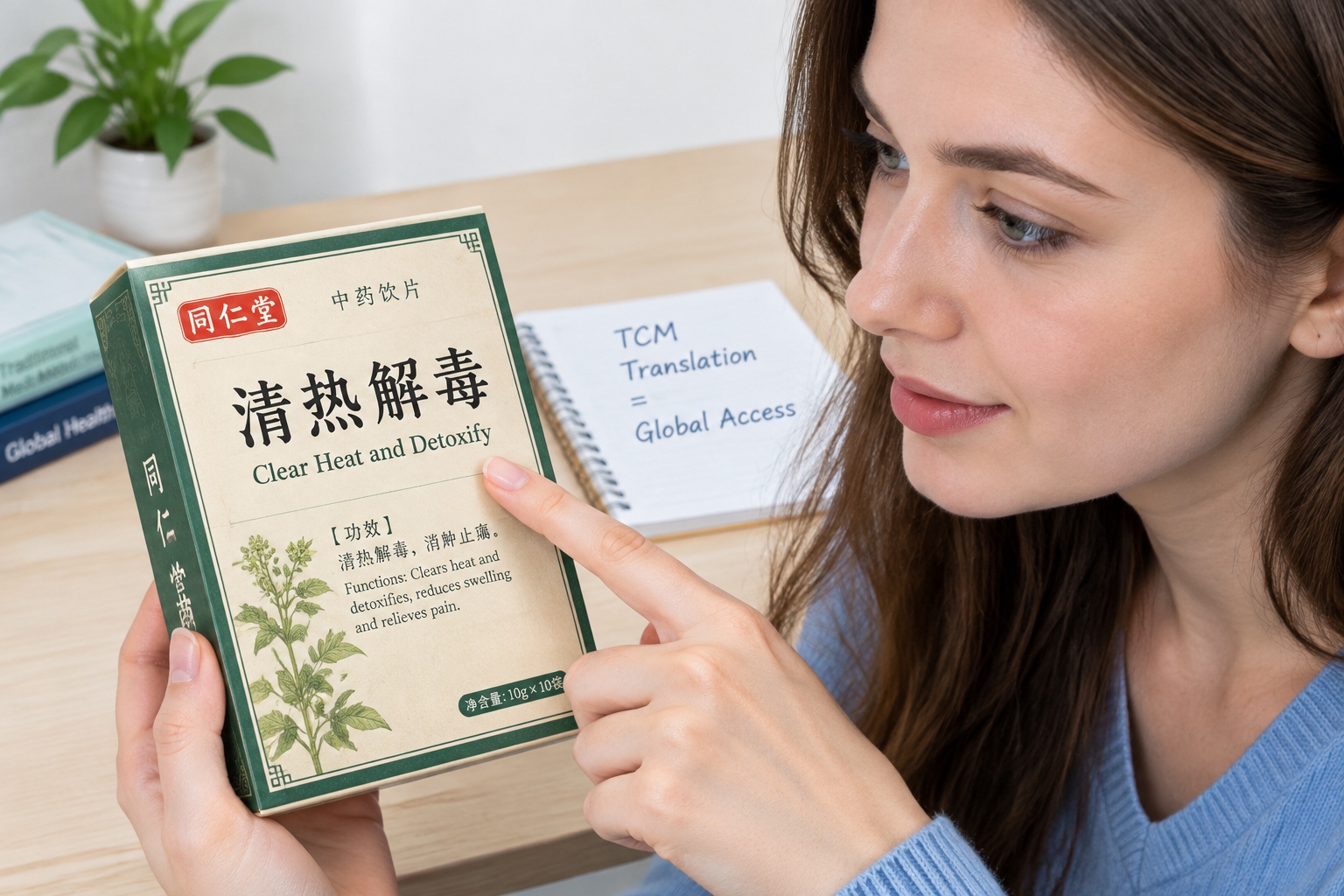
Compare that with a typical drug label in the US or Europe: every pill lists active ingredients in milligrams, a mechanism of action, and a detailed side-effect profile. Those labels are technical but factual. TCM labels, on the other hand, often say things like "nourishes the blood" or "regulates the spleen," which mean little without a background in Chinese medical theory.
The gulf is cultural as well as linguistic. In the West, medicine is largely about molecules; in TCM, it’s about balancing the body’s patterns. Even a simple ingredient like licorice root is viewed from completely different angles. Standardization tries to bridge this gulf without erasing the Chinese essence that gives TCM its value.
This disconnect isn’t just confusing — it can be dangerous. Without clear instructions, users may overdose on certain herbs or ignore contraindications. A 2019 study published in the Journal of Ethnopharmacology found that adverse events related to TCM were often linked to misuse or lack of proper labeling.
The Push for Standardization: From Pharmacopoeia to Plain Language
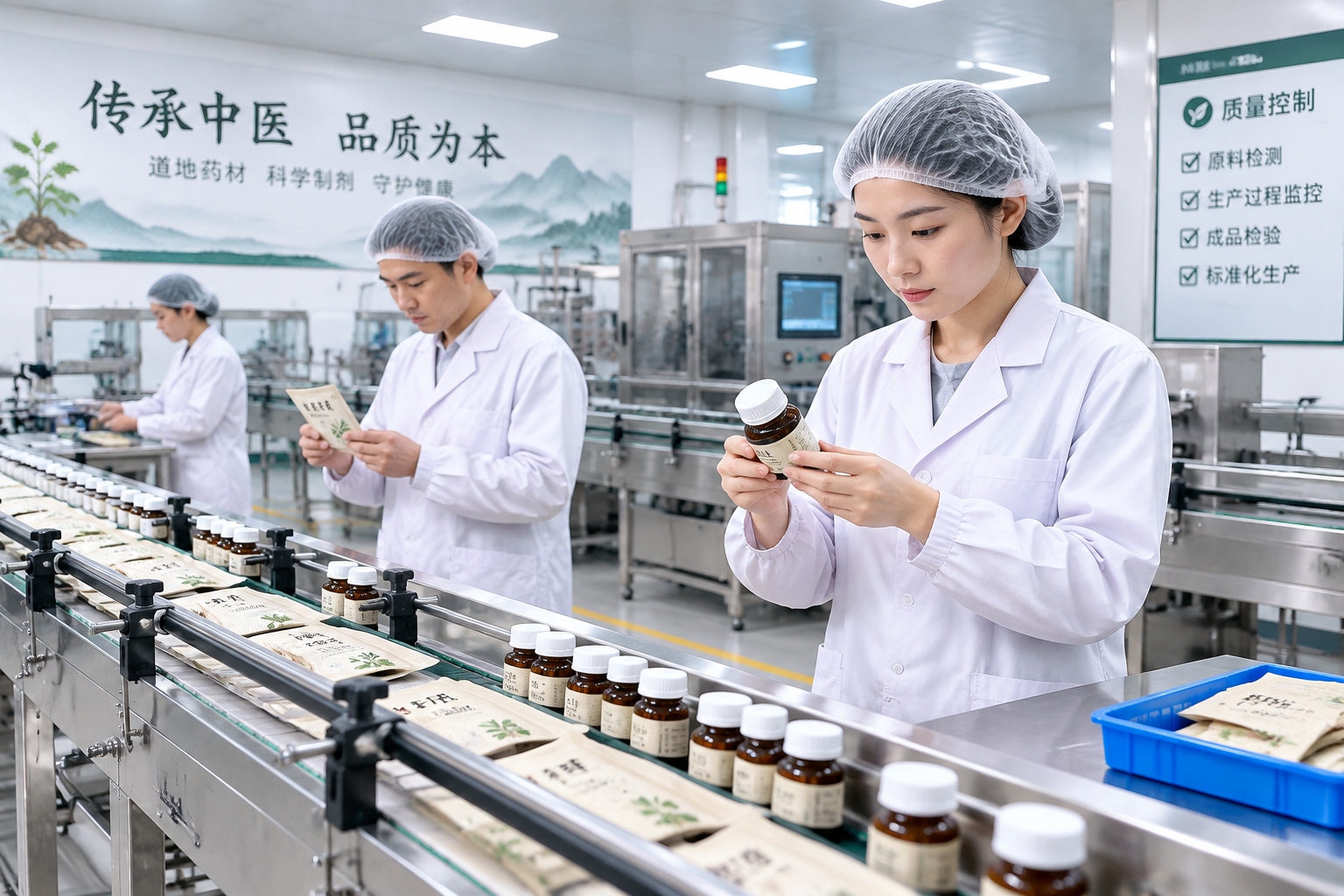
China has recognized this problem and is taking concrete steps. The Pharmacopoeia of the People’s Republic of China, updated every five years, now sets strict quality standards for herbs and extracts. Since 2020, the National Medical Products Administration (NMPA) has required all proprietary Chinese medicines to include sections on "adverse reactions," "contraindications," and "precautions" on their labels. Many manufacturers now also provide English descriptions to meet export demand.
The NMPA has also issued guidance documents, such as the "Guiding Principles for the Writing of Chinese Patent Medicine Instructions," which push manufacturers to describe indications in clear, evidence-based language while still acknowledging the TCM framework. This has led many firms to rewrite thousands of labels, moving away from vague claims like "for all diseases" to more targeted uses.
Standardization also extends to the growing of herbs. GAP (Good Agricultural Practices) certification ensures farmers follow consistent procedures from soil to harvest. Electronic traceability systems are now common in many production areas, allowing consumers to scan a QR code and see the source and lab reports of the herbs.
At the international level, the International Organization for Standardization (ISO) has established a technical committee on TCM, which has published more than 50 standards covering terminology, quality, and safety testing methods. The World Health Organization (WHO) also included TCM in the new 2022 International Classification of Diseases (ICD-11), giving traditional medicine a global diagnostic code for the first time.
Banlangen: A Case Study
Let’s return to the product that confused my friend. Banlangen granules, made from the root of the isatis plant, are a best-selling cold remedy in China. The old label simply said: "Function: heat-clearing and detoxifying, cooling the throat." The new label, launched in recent years, adds "For use in sore throat and fever associated with common cold as part of traditional Chinese medicine." It also lists "do not take if allergic to any ingredient," and "consult a doctor if symptoms persist for more than three days." That’s a huge change.
Some companies go further. A Guangzhou-based manufacturer exports Banlangen to Europe with a leaflet translating each TCM concept into accessible language: "clearing heat" becomes "helping the body fight inflammation," and "detoxifying" becomes "supporting liver function." While imprecise, it’s a bridge. Similarly, the popular remedy Lianhua Qingwen, which gained attention during the pandemic, now has a bilingual label that mentions "inhibiting viral growth" in addition to traditional indications.
The International Shift
Western countries are also grappling with how to regulate plant-based remedies. The European Union’s "Traditional Herbal Medicinal Products Directive" allows simplified registration for herbs used for more than 30 years (15 in the EU), provided they are safe and have evidence of traditional use. The US classifies herbal remedies as dietary supplements under the Dietary Supplement Health and Education Act, which requires less proof of efficacy but does mandate labels about purity.
China’s standardization drive shares a similar goal: to ensure safety and truthfulness. But TCM is more complex because it is an entire medical system, not just a collection of plants. Some Chinese herbs have entered FDA clinical trials, such as the cancer drug Kanglaite, extracted from a traditional herb. For these to succeed, the scientific and regulatory communities need a common language.
The Gap Between Standardization and Reality
Despite the progress, full standardization remains a work in progress. Many TCM manufacturers still use vague descriptions like "still unclear" for adverse reactions — a practice the NMPA is now pressuring them to change. Translating TCM terms without losing meaning is an art, not a science. And some TCM practitioners worry that over-standardization could strip away the individualized, dynamic approach that makes TCM powerful.
A further challenge is the sheer diversity of formulas. A classic decoction may have twelve herbs, each with multiple active compounds. Standardization can’t reduce this to a single chemical fingerprint, but it can ensure that every gram of herb is consistent and that labels accurately state what’s inside.
Yet the push for clearer language is not about reducing TCM to biochemistry. It is about enabling dialogue. A patient in Berlin or Boston should be able to understand what they are taking, just as a patient in Beijing should know the potential side effects of an aspirin.
How to Read a TCM Label Today
If you are a consumer outside China, here’s what to look for on a standardized Chinese medicine label:
• Check the "adverse reactions" section – it should list something (even if rare), not just "unclear."
• Look for an indication that is both traditional and modern, e.g., "used in TCM for sore throat" followed by "may alleviate fever."
• Verify the source and batch number – reputable manufacturers print these clearly.
• Be wary of products that claim to cure everything. Standardization pushes against such excesses.
What This Means for Patients and the World
For overseas consumers, standardized labels mean better-informed choices. For researchers, they make clinical trials easier to navigate. For healthcare providers, they allow for safer integration of TCM with conventional medicine. As more people around the world turn to natural remedies, the need for clear, respectful communication will only grow.
It also helps preserve TCM’s heritage. By clearly documenting what each product contains and its intended use, we protect traditional knowledge in a format that can be shared across borders.
When my friend Helen finally bought that box of Banlangen, she had an app on her phone that translated the label. It said, "This product is intended for colds with sore throat and is not a substitute for prescribed medicines." That was enough for her to give it a try. The standardization movement is making stories like hers a little less confusing.
Start the discussion at forum.chinacomes.com