
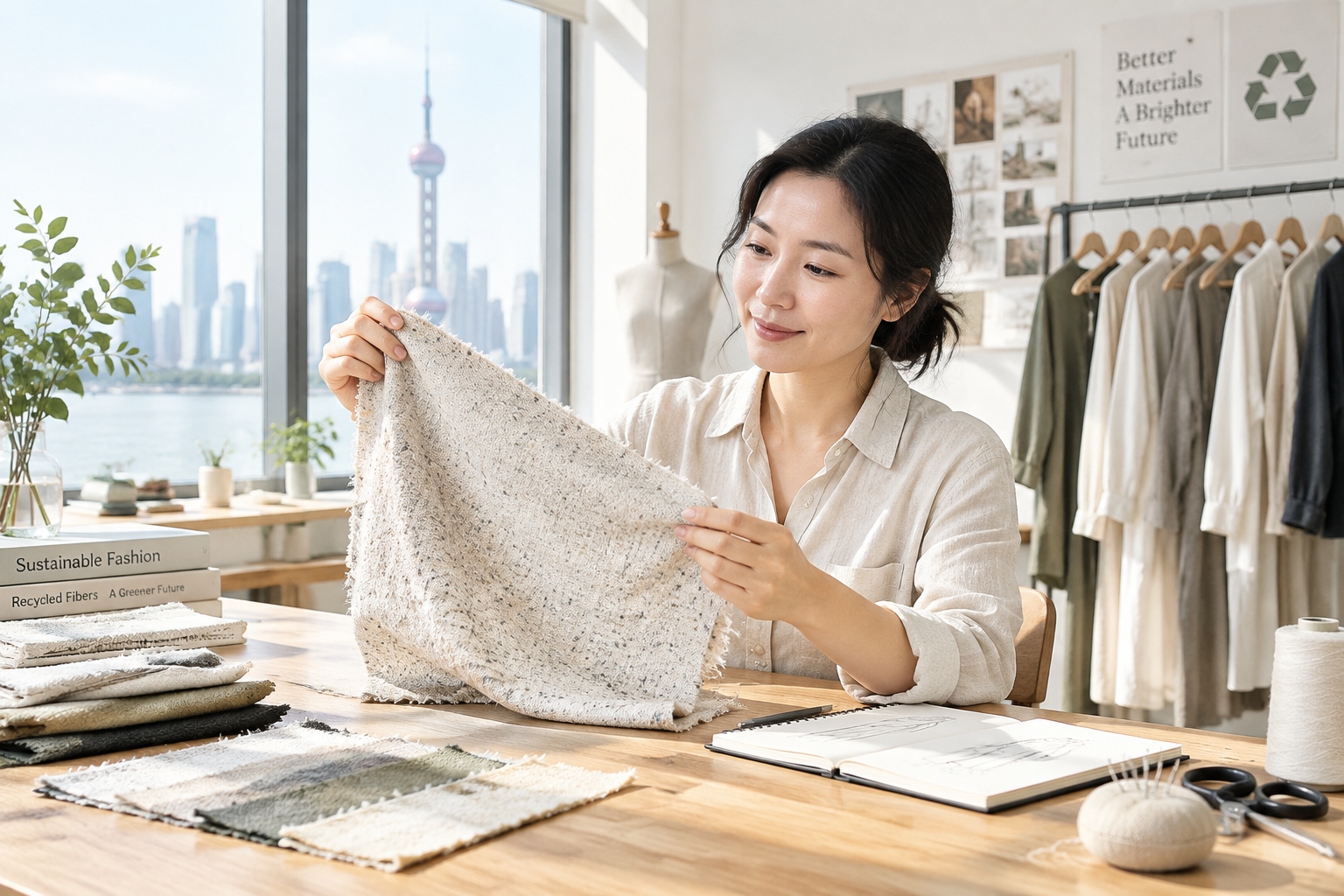

A Morning in Shanghai’s Slow Fashion Quarter
The air in the studio smells of cotton and wax. On a wooden table, a jacket made from recycled plastic bottles hangs next to a swatch of organic hemp. Designer Lin Wei runs her fingers over the fabric. ‘Feel it,’ she says. ‘It’s soft, not what most people think of when they hear “recycled.”‘
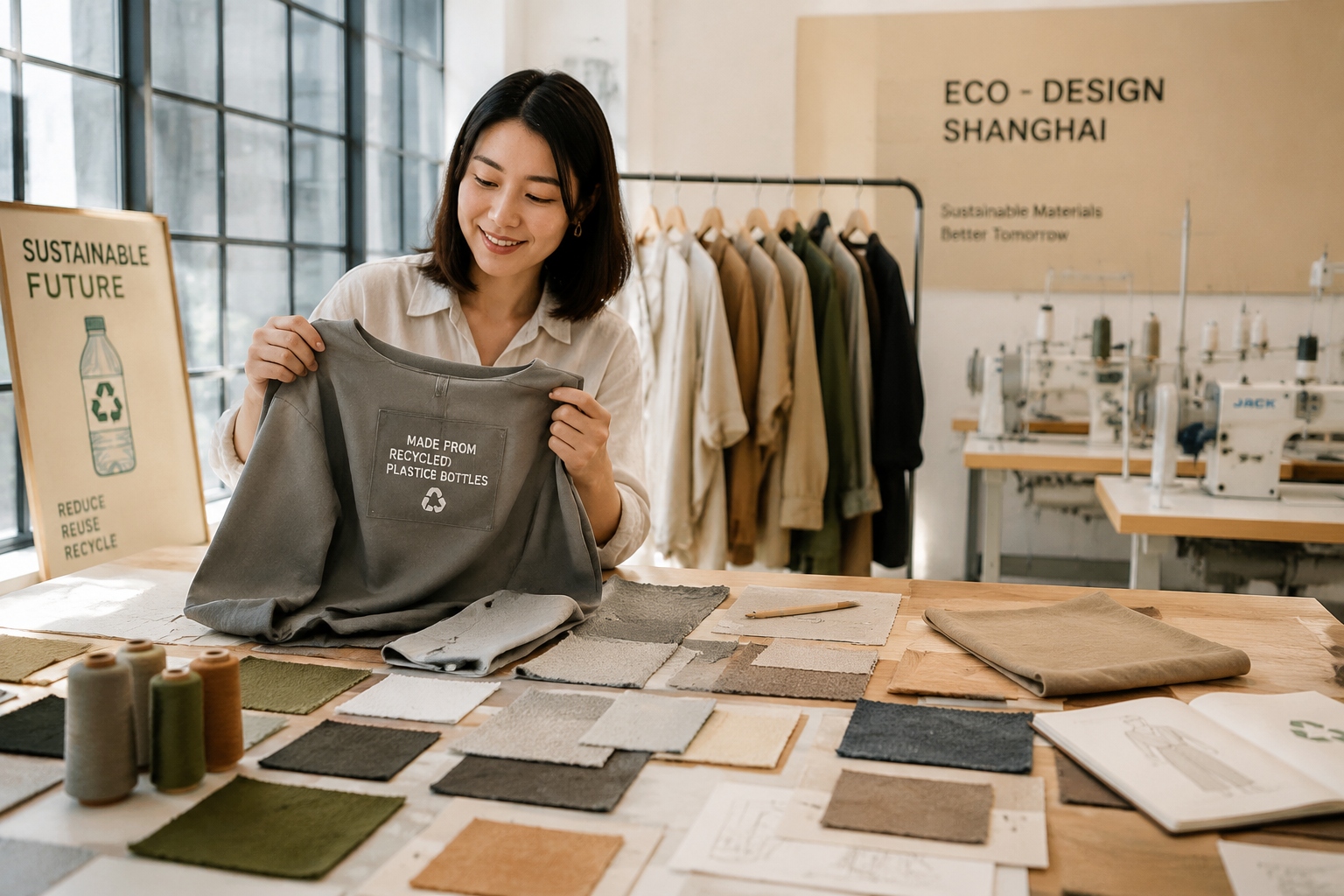
Lin is part of a growing movement in China that rejects the breakneck cycles of fast fashion. Instead, these designers are embracing something much older: craftsmanship, durability, and a deep respect for materials. They call it ‘slow fashion.’ And they’re proving it doesn’t have to be expensive.
From Waste to Wardrobe: The Materials Revolution
One of the most visible players is Reclothing Bank, a brand that turns discarded denim into new jackets and bags. Their factory in Guangzhou processes over 10 tons of textile waste per month, saving roughly 120 tons of CO2 emissions annually compared to using virgin fibers. Another brand, Nisok, uses Tencel and pineapple leaf fibers to create silky dresses that biodegrade within a year.
But perhaps the most ambitious is Iconic China’s ‘Diotima’ line, which partners with rural farmers to grow organic cotton in Xinjiang. The cotton is processed without chemical dyes, using instead natural indigo and pomegranate extracts. A single shirt costs around $60 — comparable to a mid-range fast fashion piece, but with a fraction of the environmental footprint.
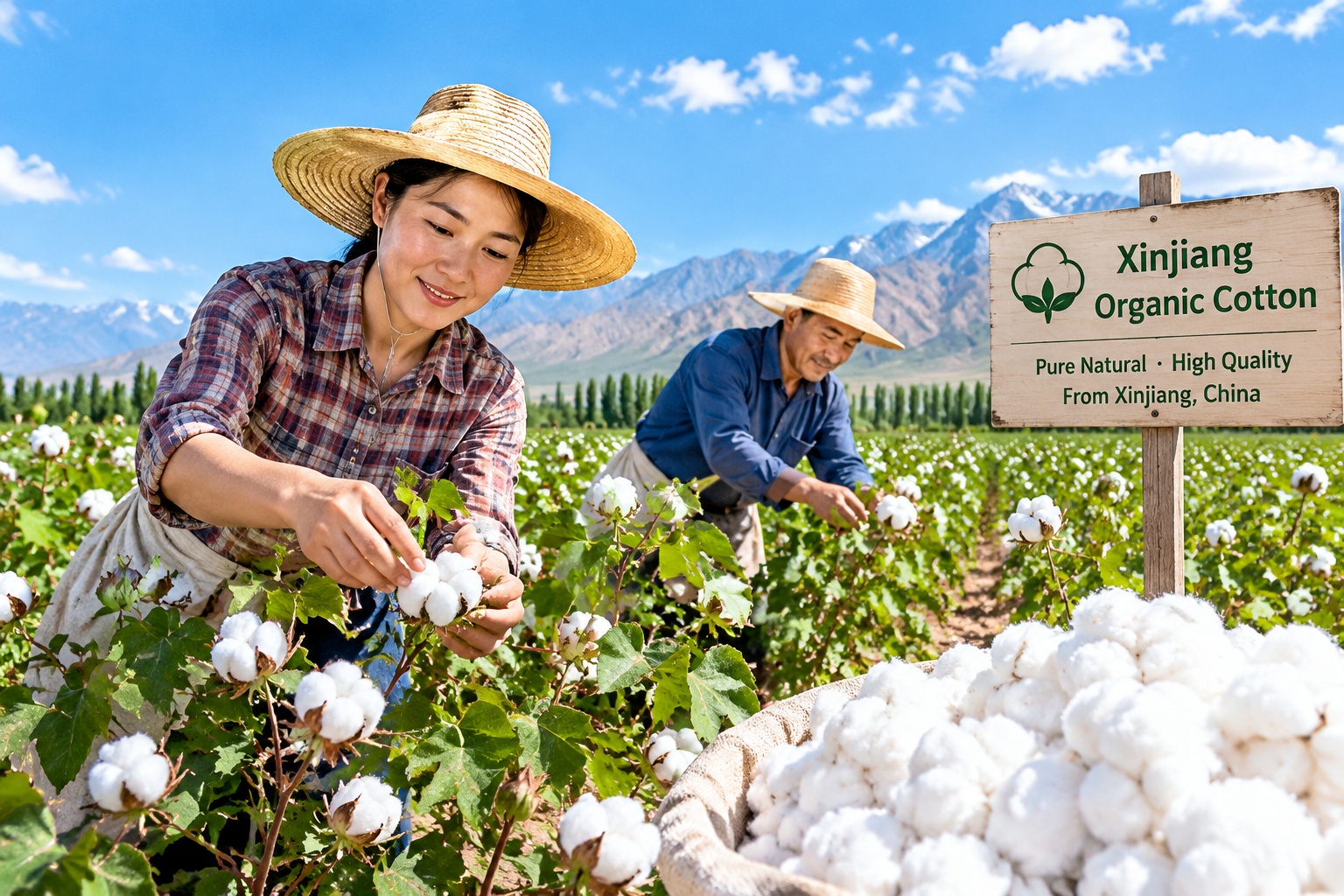
‘The key is to make sustainability accessible, not elitist,’ says founder Zhang Meng. ‘We work directly with farms and mills, cutting out middlemen. That keeps prices down.’
Young Consumers: Changing Minds, Opening Wallets
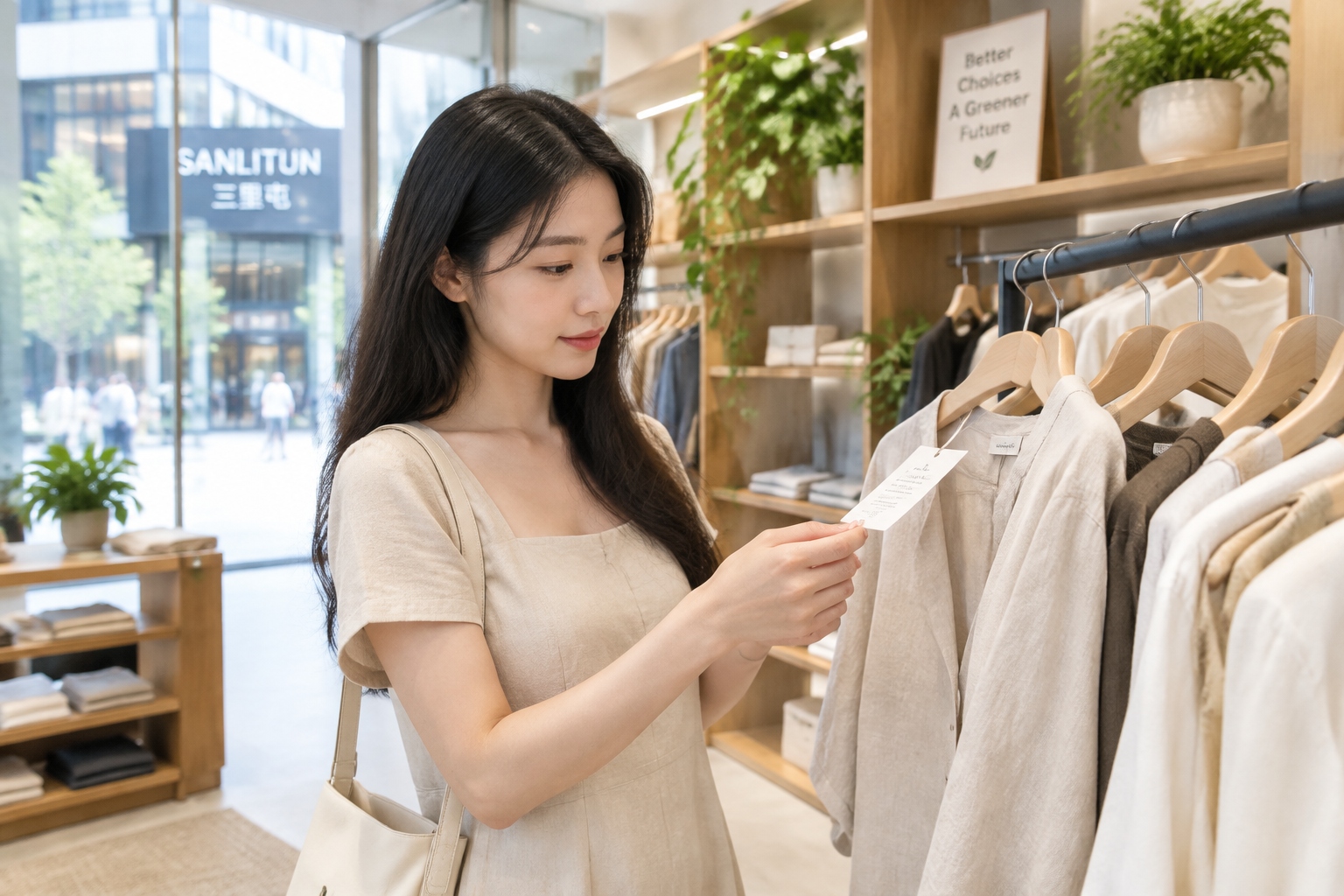
In Beijing’s trendy Sanlitun area, the pop-up store of ‘UseDem’ attracts shoppers in their twenties. ‘I used to buy cheap shirts and throw them away after a season,’ says customer Li Xuan. ‘Now I want clothes that last, and I check the label for recycled fibers before buying.’
According to a 2023 survey by CGTN and Tencent, 68% of Chinese consumers aged 18–35 say they would pay at least 10% more for sustainable fashion. While still a premium, this marks a sharp shift from five years ago, when ‘green’ was often seen as a gimmick.
E-commerce platforms are helping. Tmall’s ‘Eco-Fashion’ zone now features over 500 brands with certified sustainable products. Sales of items labeled ‘organic’ or ‘recycled’ grew 120% in 2023 compared to the previous year.
The Price of Going Green: Real Costs, Real Gains
Critics often argue that sustainable fashion is too expensive for mass adoption. But slow fashion brands in China are tackling this head-on. ‘Our profit margin is thinner, but we don’t waste money on fast-cycle marketing or frequent new drops,’ explains designer Li Wei of ‘Breath.’ ‘We make fewer, better pieces.’
Production is often localized: many brands source fabrics from within 200 kilometers of their factories, reducing transport emissions. They also invest in traceability — each ‘Slow Garment’ jacket from Shanghai-based ‘Fashion Whisper’ comes with a QR code showing the entire supply chain, from raw material to final stitch.
The results? A typical cotton shirt from ‘EcoThread’ uses 45% less water than a conventional one and saves 2.3 kg of carbon dioxide. Over a year, a small brand selling 10,000 shirts avoids emissions equivalent to taking 500 cars off the road for a month.
Meet the Founders: Why They Risk It
Not everyone is convinced. ‘When I started five years ago, banks laughed at my business plan,’ recalls Zhang Wei, founder of ‘GreenCycle’ in Shenzhen. ‘They said clean fashion couldn’t compete on price.’ Zhang proved them wrong — her brand now has 14 stores across China and a loyal following.
The biggest challenge remains supply chain transparency. ‘Some suppliers say they use organic cotton, but it’s hard to verify,’ says Lin Wei. Still, innovations like blockchain-tagged fabrics are emerging. And young consumers are increasingly rewarding honesty: brands that publish their carbon footprint see 30% higher repeat purchase rates.
‘Fast fashion isn’t going to disappear overnight,’ Lin adds. ‘But we’re showing that there’s another path — one that feels good, looks good, and does good.’
The Future of Fashion in China
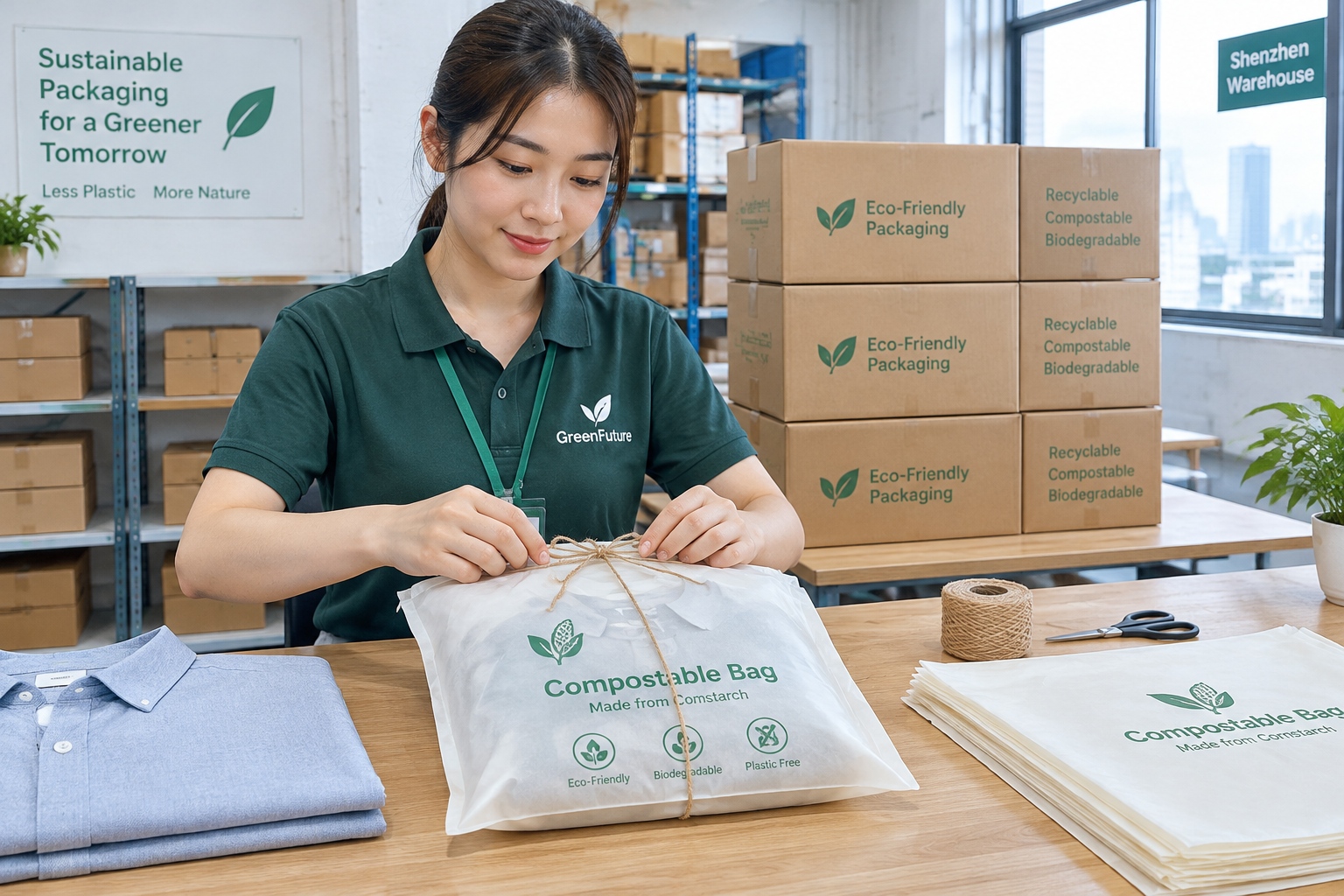
As the sun sets over Shanghai’s old textile district, Lin Wei’s team packs orders for online customers across the country. Each package is wrapped in biodegradable cornstarch film, tied with jute string. ‘This is how it should be,’ she says. ‘Clothes that have a story, that respect the planet, and that anyone can afford.’
From recycled plastic to organic indigo, Chinese slow fashion is writing a new narrative — one that proves sustainability and affordability can coexist. For a generation tired of disposable trends, it’s a welcome alternative.
Start the discussion at forum.chinacomes.com