

A Rainy Morning at a Shanghai Health Center
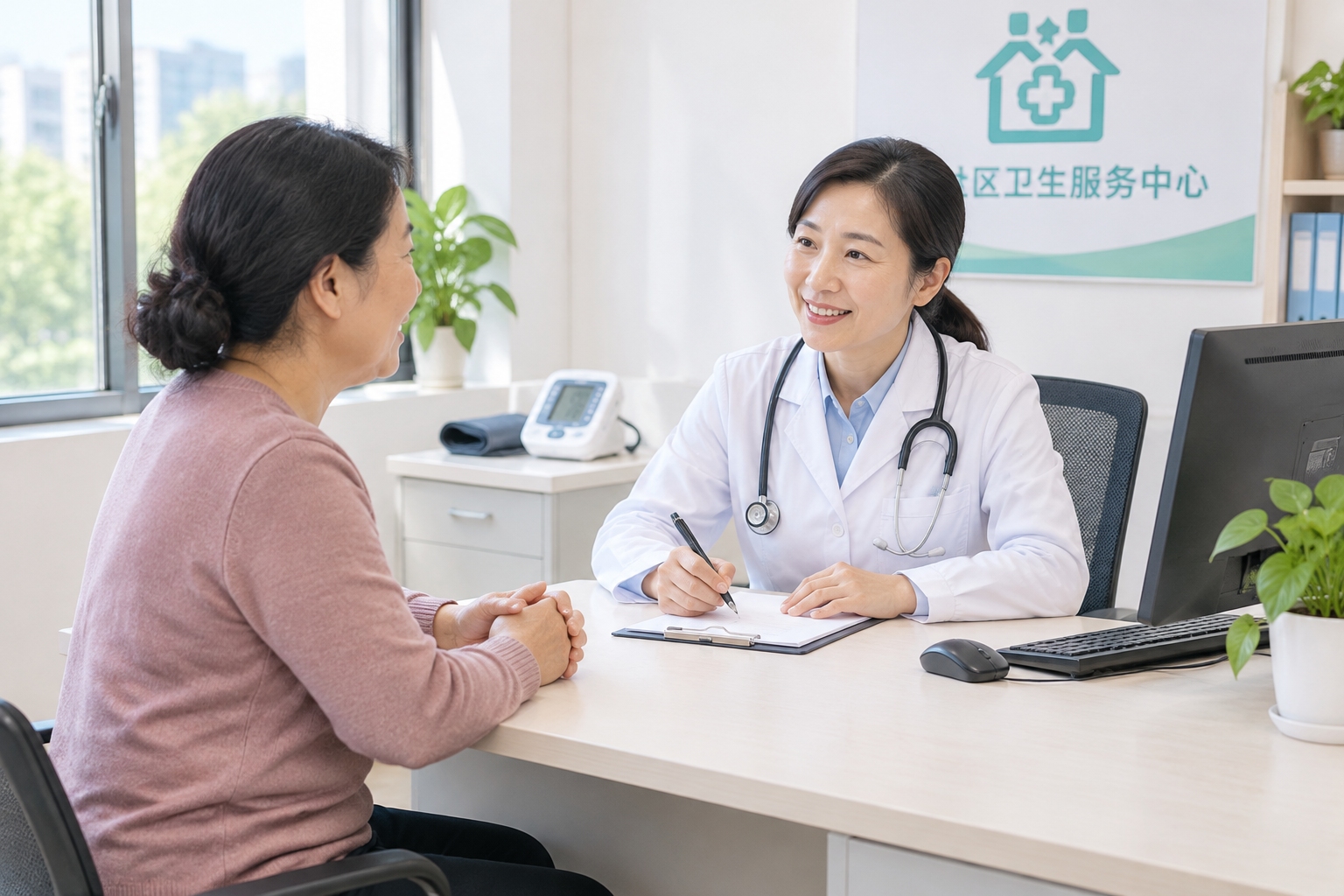
On a damp Wednesday afternoon, 58-year-old Wang Ailing walks into the Jiangning Street Community Health Center, takes a number, and sits down in the brightly lit waiting area. She doesn’t complain about the wait; it has been only twelve minutes since she scanned her phone at the entrance. Her family doctor, Dr. Li Wei, is a middle-aged physician who has been in this neighborhood for over a decade. Today, Wang wants to adjust her blood pressure medication because the rainy season often makes her joints sore and she worries about side effects.
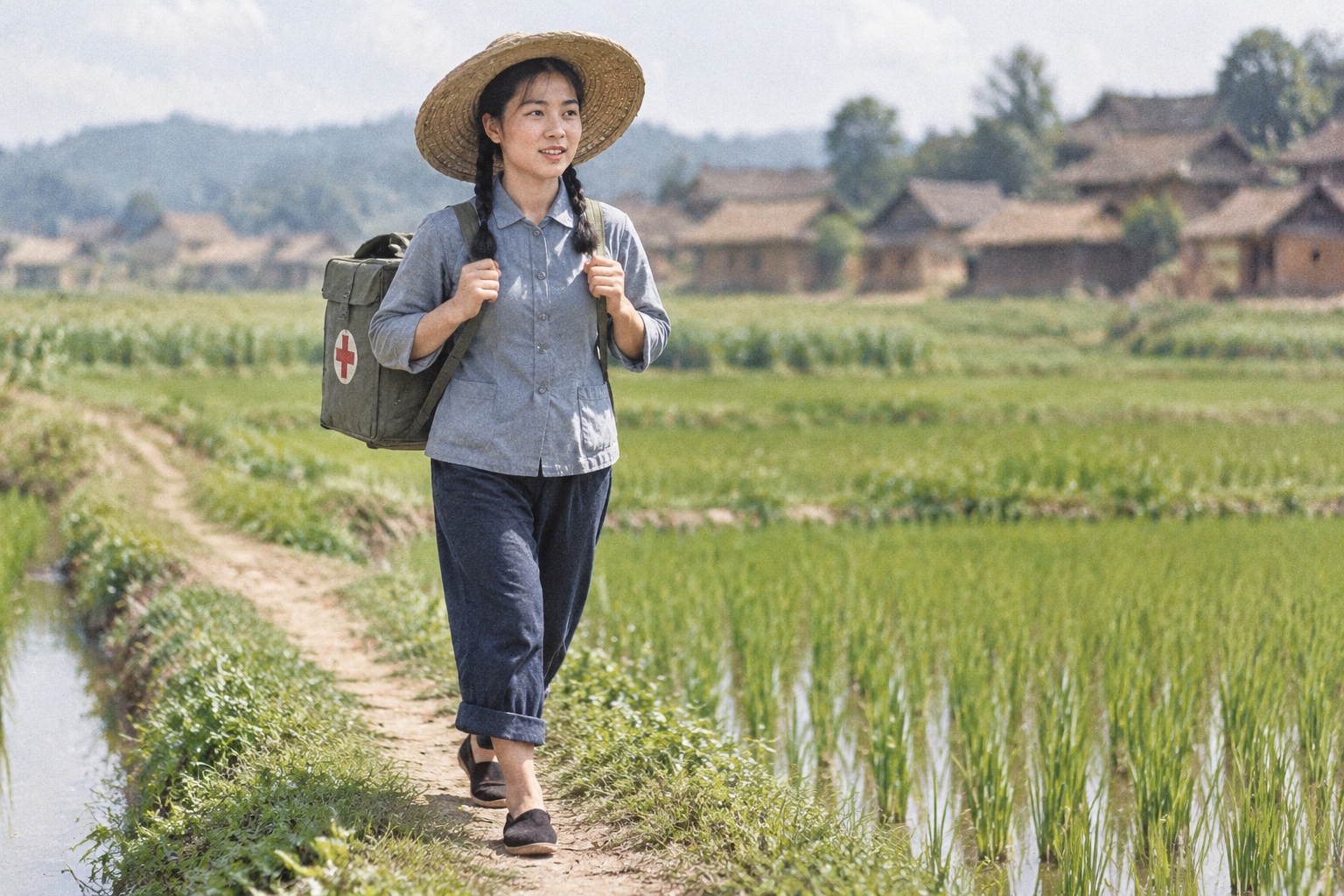
This scene is unremarkable in contemporary urban China. Yet it represents a quiet revolution. Wang’s mother, a farmer in Anhui province, would have relied on a “barefoot doctor” in the 1970s — a village peasant with basic medical training who carried a wooden medicine box across rice paddies. Barefoot doctors were not doctors in the modern sense. They received a few months of training, knew about common herbs and simple remedies, and often continued farming to earn their keep.
What Were Barefoot Doctors?
The barefoot doctor program began in the late 1960s, when China faced a severe shortage of physicians in rural areas. The central government trained selected villagers to provide basic health education, vaccinations, maternal care, and treatment for common illnesses. They were called “barefoot” because they still worked in the fields alongside their neighbors. These health workers became a symbol of accessible, low-cost primary care, and the model was praised by the World Health Organization for extending basic health services to rural populations.
But by the 1980s, as the economy opened up, many barefoot doctors left for better jobs. The system needed to professionalize. The government required existing health workers to obtain formal qualifications, and by the 1990s, the term “rural doctor” replaced “barefoot doctor.” Yet rural primary care remained underfunded, with many clinics lacking basic equipment and trained staff.
The Birth of the Family Doctor System
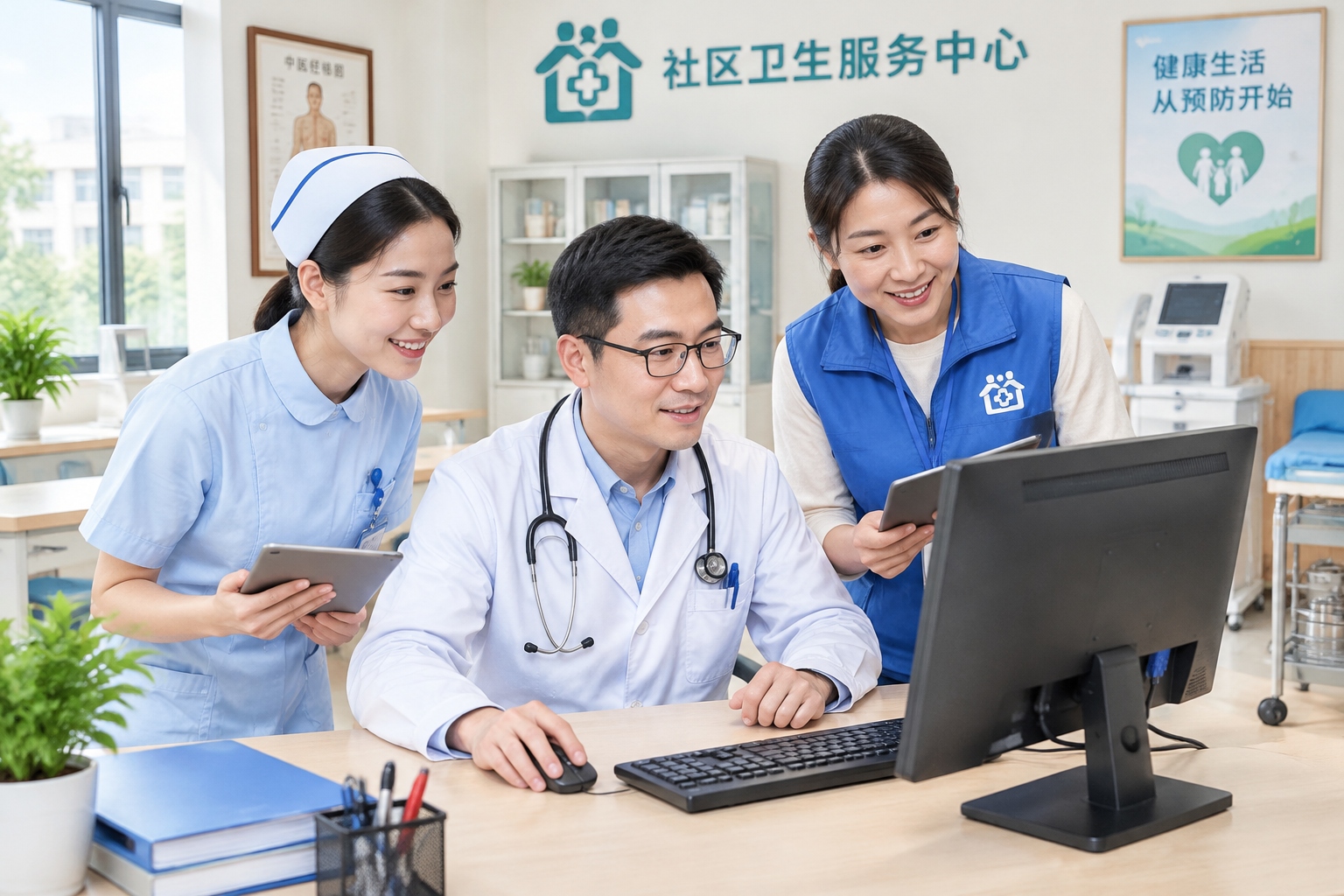
In 2011, the State Council launched a national plan to train general practitioners and establish a family doctor contract service. The goal was to build a comprehensive primary care network that could serve as the first point of contact for all residents. Family doctors, in China, are not like in many Western countries where you usually have your own GP in a private clinic. Instead, most are full-time doctors employed by community health centers or township health clinics, and they work in teams that include nurses and public health workers.
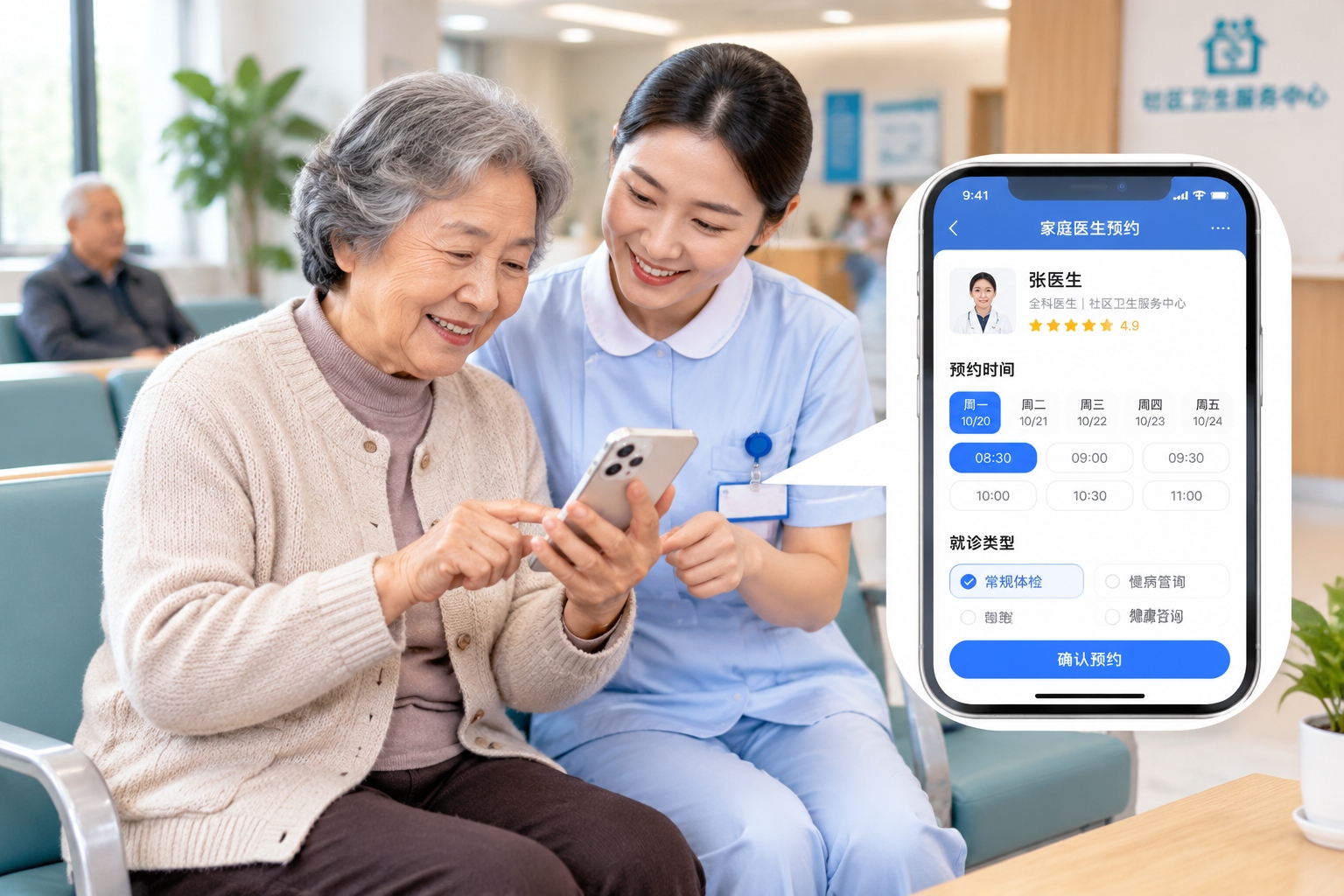
Residents sign up voluntarily with a particular doctor or team. Once registered, they get a personal health record, regular check-ups if they have chronic conditions like diabetes or hypertension, and a direct phone line or messaging channel for advice. In many cities, patients can also book appointments through a national health app, which stores their prescriptions and test results.
A Day in the Life of a Family Doctor
Dr. Li Wei starts his day at 8 a.m. with a team briefing. His team covers about 3,500 residents in two adjacent neighborhoods. After a brief meeting, he holds a clinic session until noon. About half of his patients are elderly, many with multiple chronic conditions. Between consultations, he returns phone messages from patients like Mr. Zhang, a 62-year-old retired factory worker who is recovering from a minor stroke. Mr. Zhang’s daughter sent a message asking whether he can increase his blood thinner dose because he feels dizzy. Dr. Li asks her to bring him in the next day, rather than give phone advice on such a delicate matter. It’s a small but meaningful interaction: the patient trusts his family doctor enough to pick up the phone first, instead of rushing to a hospital emergency room.
After a quick canteen lunch, Dr. Li makes a home visit to a bedridden elderly woman who is almost 90. Her family is grateful; such visits are part of the contract service in many cities. Back at the center, he holds a patient education session on fall prevention for seniors. By 5:30 p.m., he is finishing his electronic notes, which are automatically synced to the city’s health information platform.
This is not a glamorous job, but it is stable. Dr. Li earns about 150,000 yuan (roughly 20,000 U.S. dollars) per year at this government-funded center — modest compared to urban hospital specialists but considerably more than the rural doctors who earn a fraction of that. His workload is heavy; he sees over thirty patients a day on average. Yet he says, “I know almost all my patients by name. That’s what a real family doctor means.”
How It Compares with Western Primary Care
If you are from the U.S., you might recognize the idea of a “medical home” — a team-based model where a primary care physician coordinates your care. China’s family doctor system borrows some of this logic but is more embedded in a public health framework. For you, visiting a doctor is often a private, billing-based interaction. In China, even if you’re uninsured, a visit to a community health center is cheap (around 10 to 20 yuan, or 1.5 to 3 dollars). With basic health insurance, which covers over 95% of the population, the cost drops to a few yuan for a consultation.
The biggest difference is the role of the family doctor in a tiered care system. In most Chinese cities, you are not strictly required to see a family doctor before going to a hospital, but the government encourages it by making referrals to hospitals through the family doctor easier, and by keeping hospital specialists’ fees high and community fees low. This is supposed to reduce congestion in big hospitals. In practice, many people still go directly to large hospitals for comfort, but the share of outpatients treated at primary care institutions is rising: from about 50% in 2010 to 53% in 2018, and over 50% in recent years. In some cities like Hangzhou, family doctors have become true gatekeepers, with better insurance reimbursement for those who go through them.
For an American, it can seem strange to have a doctor who is assigned to a neighborhood rather than to you personally. But the system has advantages: it integrates public health campaigns — vaccination drives, early cancer screenings, chronic disease management — into everyday clinical care. When COVID-19 hit, the family doctor networks became the backbone of a massive community-based healthcare response, helping to triage patients, deliver medicines, and monitor quarantines.
The Technology Leap
One of the most visible shifts is technology. In the 1970s, a barefoot doctor’s entire toolkit might have been a sphygmomanometer, a stethoscope, and a few medicines. Today, a community health center in Shanghai or Shenzhen has digital blood pressure monitors, portable ECG machines, and even AI-assisted diagnostic tools for diabetic retinal screening. In rural areas, though slower, the change is still happening.
Take Li County, Gansu province, in the mountainous west. Here, village doctor Chen Dahai used to rely on paper records and intuition. Two years ago, the county health bureau gave him a tablet with a basic software app. He can now send digital electrocardiogram readings to a remote township hospital, where a trained cardiologist can interpret them within minutes. “For my patients with chest pain, this is a lifesaver,” he says. “In the past, we had to decide if a long journey to town was worth the risk. Now we can get a second opinion instantly.”
Smartphone apps have become a common bridge between patients and doctors. Residents can book appointments, view test results, and even receive video consultations for minor issues. For older people, many community centers have staff members who assist with digital registration. The government has also launched a “smart elderly care” program that provides wearable devices for high-risk seniors, transmitting data to family doctors.
Challenges Aren’t Hidden
This is not a perfect system. Rural areas still face severe shortages of physicians. Most family doctors work in cities, and even there, the ratio of well-trained general practitioners to residents remains low. According to official data, China had about 430,000 licensed general practitioners in 2021, or roughly 3 per 10,000 people. That’s far below the U.S. and Germany, where the number is around 8 or more per 10,000. The workload of a family doctor can be exhausting, and many young doctors choose to specialize in hospitals instead of primary care, despite incentives like prioritized housing and bonus payments.
Trust is another issue. Many residents, especially the elderly, still view community clinics as inferior to big hospitals. They worry that the doctor isn’t experienced enough. To address this, many districts now rotate young hospital specialists into community centers, and some centers have set up remote consultation booths where a tertiary hospital doctor can appear via screens.
Moreover, the family doctor contract is often seen more as a formality than a real relationship. A 2020 survey in a large Chinese city found that only about a third of residents who had signed up could correctly name their family doctor. The system risks becoming administrative rather than deeply personal.
A Quiet Leap, Still in Motion
Despite these limitations, the shift from barefoot doctors to family physicians represents one of the biggest improvements in primary care that the world has seen in just a few decades. In the 1960s, maternal mortality was high, infectious diseases were prevalent, and life expectancy was around 60 years in China. Today, life expectancy reaches 78 years, and primary care has evolved from a stopgap to a profession. The barefoot doctor was a product of poverty; the family doctor is a product of a society that now expects universal, professionalized, and increasingly digitalized care.
If you stand at the community health center in Shanghai and watch the queue, you won’t see dramatic heroics. You’ll see ordinary people doing ordinary things: a grandmother renewing her hypertension prescription, a father bringing his toddler for a vaccination, a maintenance worker asking about a rash. But behind this ordinariness is an infrastructure built over decades. As Dr. Li says, “This is not just about medicine. It’s about people feeling that someone near them is responsible for them.”
Start the discussion at forum.chinacomes.com