

A cat under a parked car, and a city that noticed
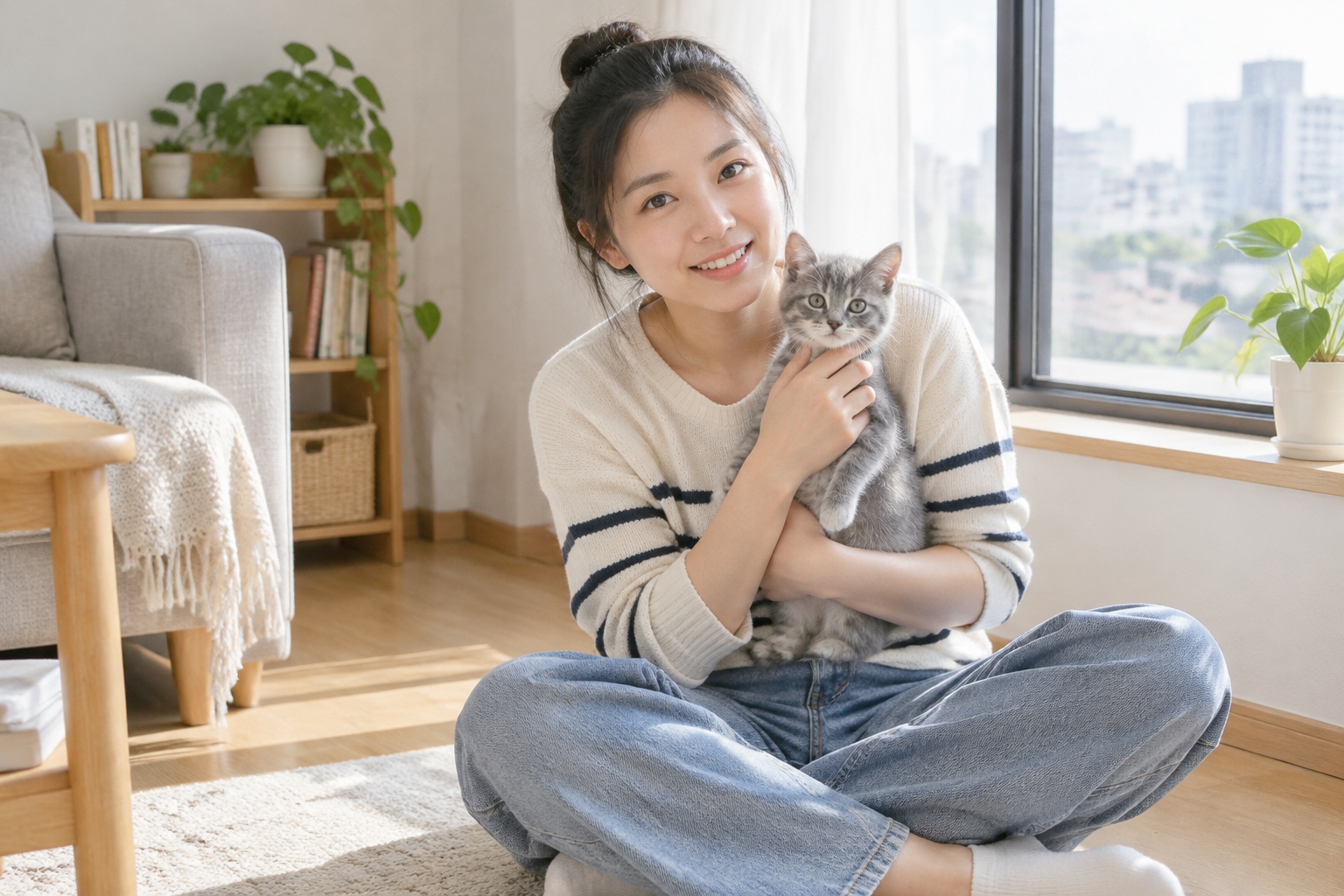
It was almost midnight in Chengdu when Lin Xiaoyu first heard it—a thin, insistent crying from under a parked Buick near her apartment block. She crouched down with her phone flashlight and found a gray kitten, maybe eight weeks old, soaked from the evening drizzle.
Lin, 26, works in marketing and had never owned a pet. She didn’t plan to that night either. But she took the kitten home “just for the weekend,” named her Doubao (after a steamed bun), and two years later Doubao is still there—now with her own corner by the window and a small following of strangers online.
Stories like this are quietly multiplying across Chinese cities. And they sit at the center of something much larger: a pet economy that has swelled past 300 billion yuan—roughly 43 billion US dollars—and is growing at double digits most years. What’s striking isn’t just the money. It’s who’s spending it, and why.
A market built by young, single, urban people
To understand the numbers, you have to understand the apartments behind them. China now has an estimated 120 million pet cats and dogs in urban homes, with cats recently overtaking dogs in many first-tier cities. The people buying the litter, the fountains, the freeze-dried treats are overwhelmingly young—surveys consistently show that people born after 1990, and increasingly after 1995, make up the majority of pet owners.
Many of them live alone. China’s cities are full of young professionals who moved far from their hometowns for work, who marry later than their parents did, and who spend long hours in offices. A pet fills a specific kind of silence. As one 24-year-old in Shanghai put it to me, “My cat is the first living thing I talk to when I get home. Before her, I’d just scroll my phone until I fell asleep.”
This is where the Western phrase “pet parent” lands perfectly in Chinese. The common term now is māo māma or gǒu bàba—cat mom, dog dad. It isn’t ironic. For a generation thinking carefully about whether and when to have children, a cat is often a first, lower-stakes experiment in caring for another life.
Why “adopt, don’t shop” caught on here
The shift toward adoption is more recent, and more interesting. For years, buying a purebred Ragdoll or British Shorthair was a status marker, and pet markets did brisk business. That hasn’t disappeared. But among Gen Z, a visible counter-movement has taken hold under the slogan lǐngyǎng dàitì gòumǎi—”adopt instead of buy.”
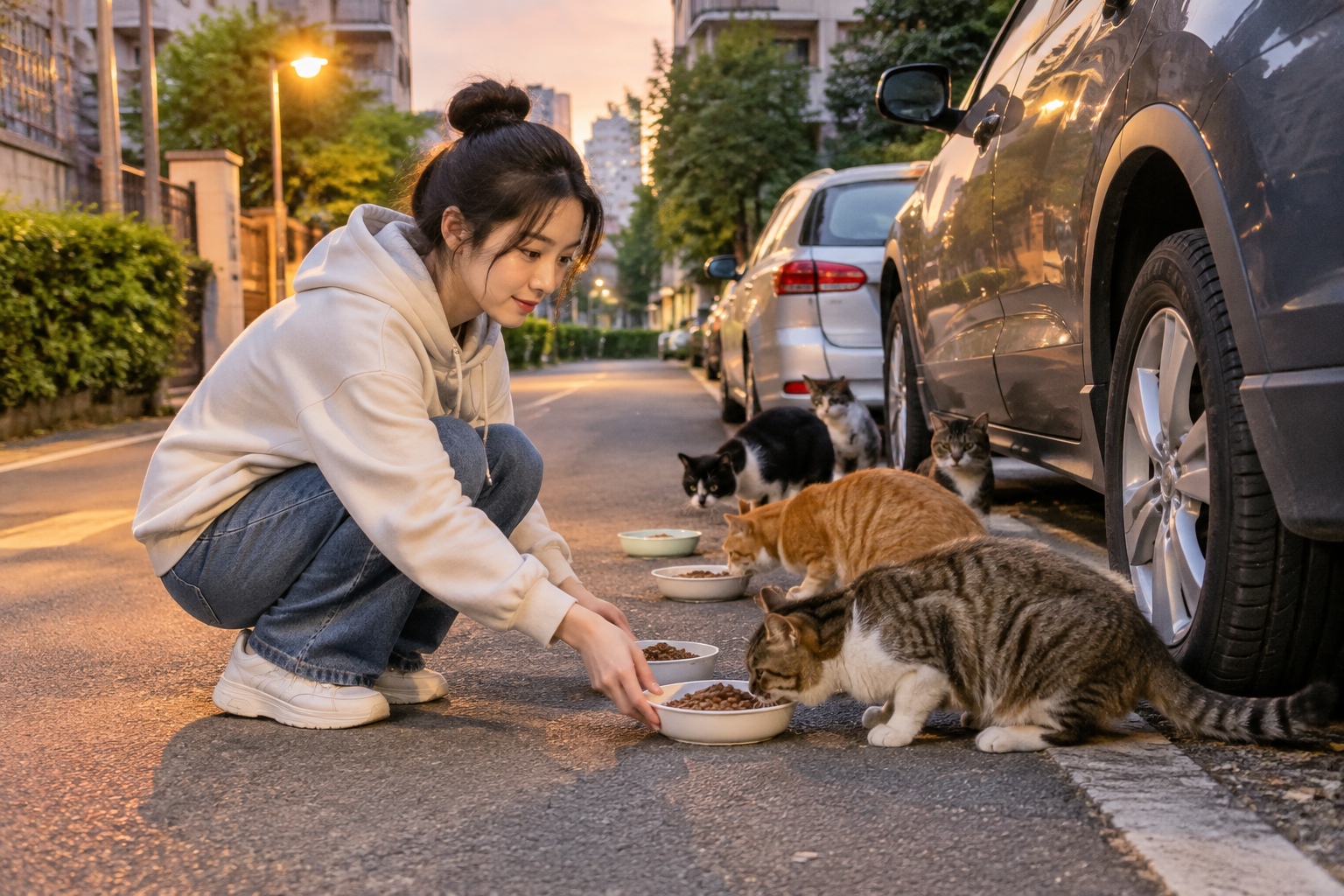
Part of it is practical. Stray cats are free, and a generation squeezed by high rents does the math. But talk to young adopters and the real reasons are softer. There’s a growing unease with backyard breeding and the sick animals sold in some markets. There’s social media, where rescue accounts rack up millions of followers. And there’s a feeling that taking in an animal nobody wanted is a small, concrete good deed in a life that can otherwise feel short on them.
Doubao, Lin’s kitten, became part of this. Lin started posting short videos—nothing polished, just Doubao knocking things off tables—and found other people in her neighborhood who were quietly feeding the same colony of strays she’d pulled Doubao from.
The “cloud cat” community: owning a pet without owning one
Out of that grew something distinctly Chinese: a yún yǎng, or “cloud raising,” group. The idea is simple and a little magical. A core group physically cares for a cat or a colony—feeding, vet bills, shelter in winter—while a much larger online crowd follows along, chips in money for food or surgery, and watches daily updates.
Lin’s WeChat group started with six neighbors and now has over 400 members, some in other cities who have never touched the cats they help support. When one stray needed a 2,000-yuan operation, the group covered it in an afternoon through small transfers of 5 or 10 yuan each. People send “good morning” messages to a cat they will never meet.
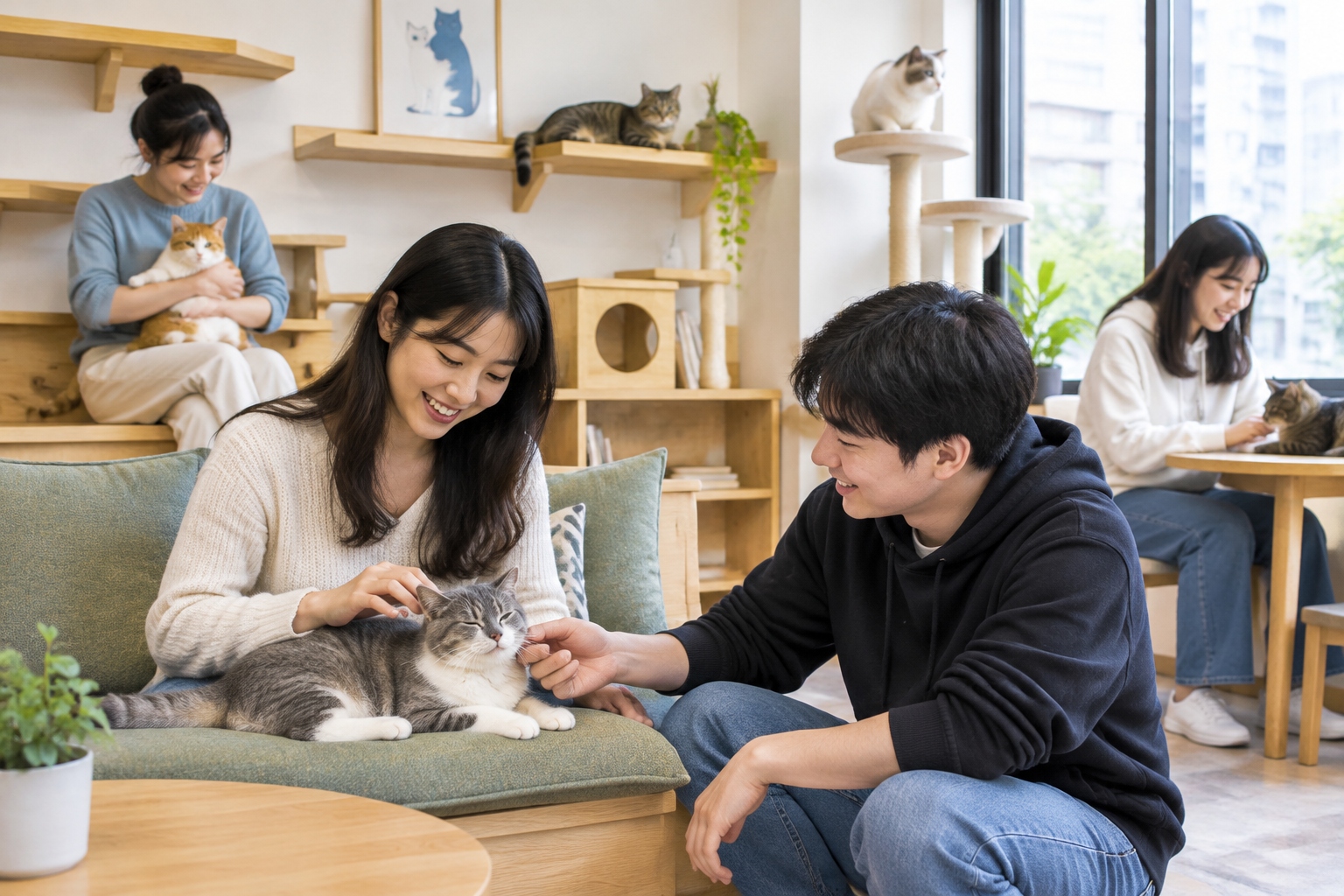
If this sounds strange, consider what it offers. Renters who can’t keep pets, students in dorms, workers who travel constantly—they all get a sliver of the emotional reward of caregiving without the full burden. “Cloud raising,” cat cafés where you pay by the hour to sit among rescues, and adoption events in shopping malls all serve the same hunger in different doses.
Where the money actually goes
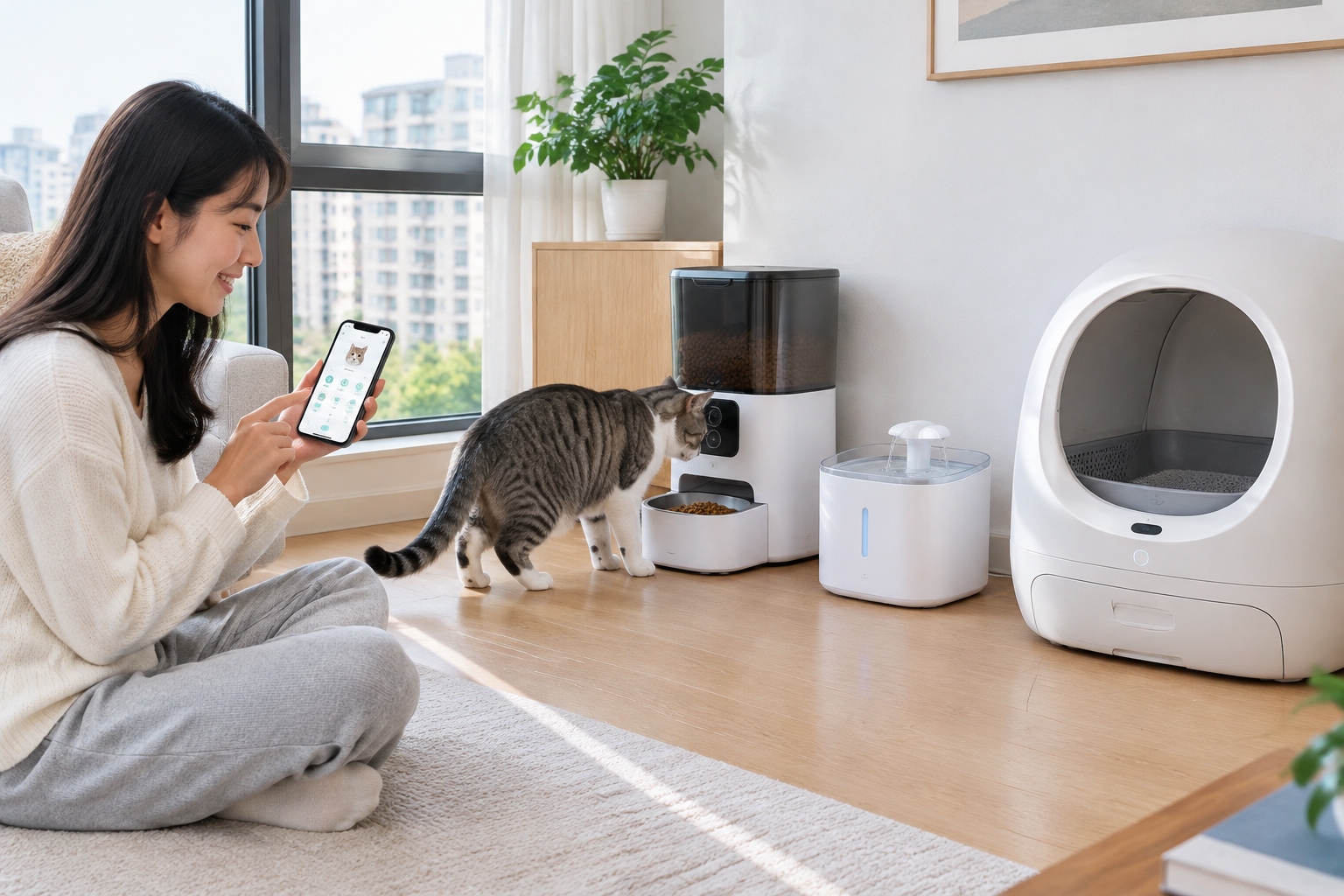
Here’s the twist that surprises outsiders: adopting a free cat often leads to spending more, not less. Once Doubao was home, Lin bought a self-cleaning litter box, a camera feeder she controls from her office, and prescription food for a sensitive stomach.
This is the engine of the pet economy. Food and treats remain the biggest slice, but the fastest growth is in services and smart devices. Chinese tech companies have poured into pet gear—app-connected feeders, water fountains, GPS collars, even litter boxes that weigh your cat and flag weight changes to your phone. Pet grooming has become a skilled profession, with salons offering breed-specific cuts, spa baths, and “pawdicures.” Pet hospitals, pet insurance, pet hotels, pet funeral services—the whole arc of a life is now serviceable.
What’s worth noticing is how this maps onto the adoption trend. The spending isn’t about showing off an expensive breed anymore. It’s about doing right by an animal you’ve committed to—the cat equivalent of parents who’ll economize on themselves but not on their kid.
Same love, different shape: China and the West
Westerners often assume pet culture is universal, and much of it is. But a few things look different up close.
Adoption infrastructure is younger here. The US and Europe have had large, organized shelter systems for a century; China’s are mostly recent, scrappy, and heavily volunteer-run, often leaning on exactly the kind of online communities Lin joined. Government policy on strays varies city by city, so grassroots networks do a lot of the work.
The emotional expression also has its own flavor. The “cloud raising” model, powered by mobile payments and group chats baked into daily life, lets collective caregiving scale in a way I haven’t seen elsewhere. A cat becomes a shared neighborhood project, not just one household’s private pet.

What a kitten says about a generation
It’s tempting to read all this as just another consumer trend, another market to chart. The 43-billion-dollar figure is real and it will keep climbing. But stand in Lin’s apartment on a weekend, watching her reply to messages from strangers asking after a stray three streets over, and the numbers feel beside the point.
Young Chinese are rethinking what a family looks like, what responsibility feels like, and where to find connection in a fast, often lonely city. A cat under a parked car turns out to be a surprisingly good place to start. “I thought I was rescuing her,” Lin told me, scratching Doubao behind the ears. “Honestly, I think it went the other way.”
Start the discussion at forum.chinacomes.com