

Introduction: A Factory That Changed Twice
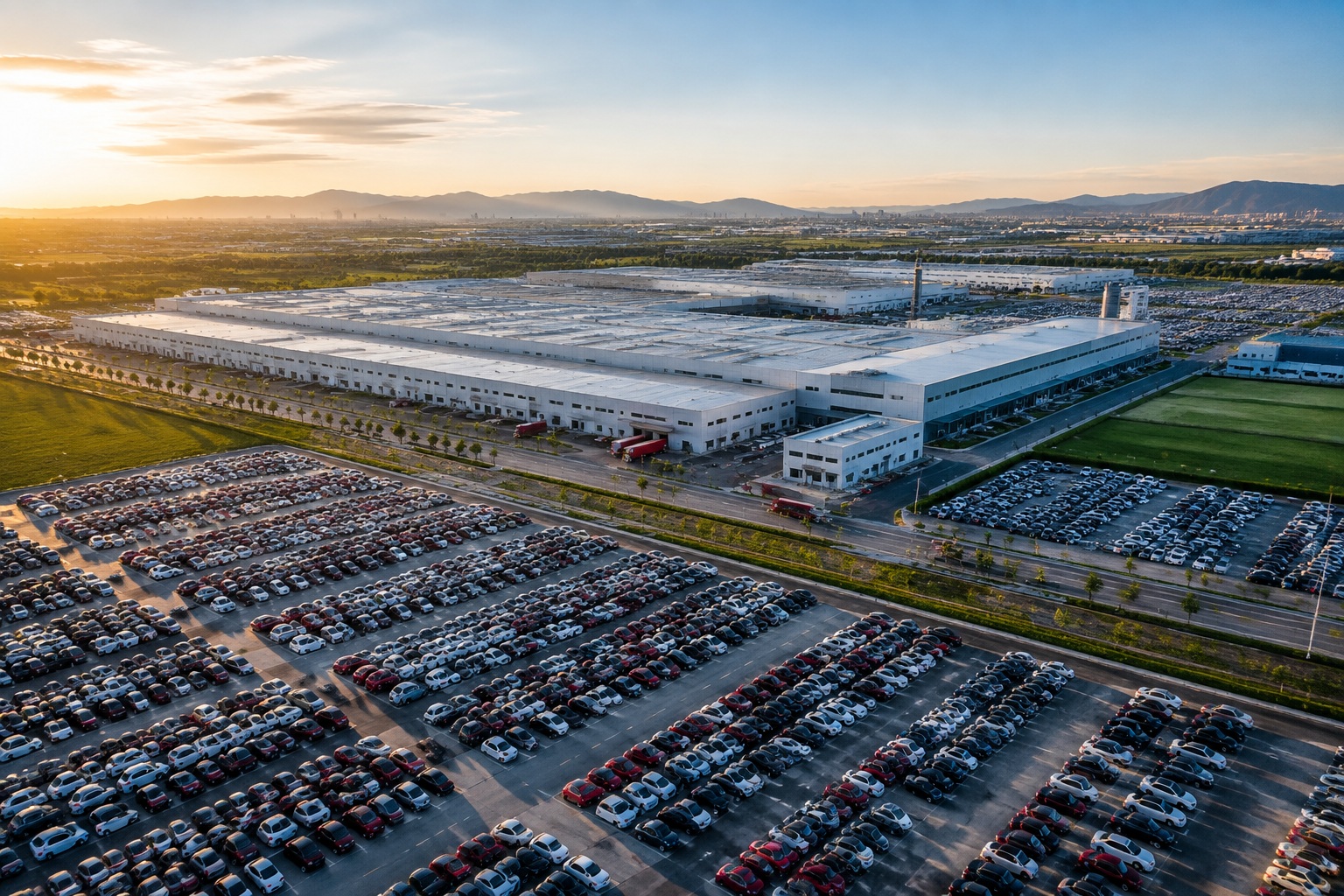
About 40 kilometers northwest of Zhengzhou, the capital of central China’s Henan province, a huge sign reads “BYD Zhengzhou Base.” Behind it, rows of new cars wait on a vast parking lot to be loaded onto trucks and trains. Ten years ago, this land was still farmland. Five years ago, the same area was home to the state-of-the-art assembly lines that produced iPhones for Foxconn. Today, it is one of the largest electric vehicle (EV) production hubs in the world, run by BYD, China’s biggest EV maker.
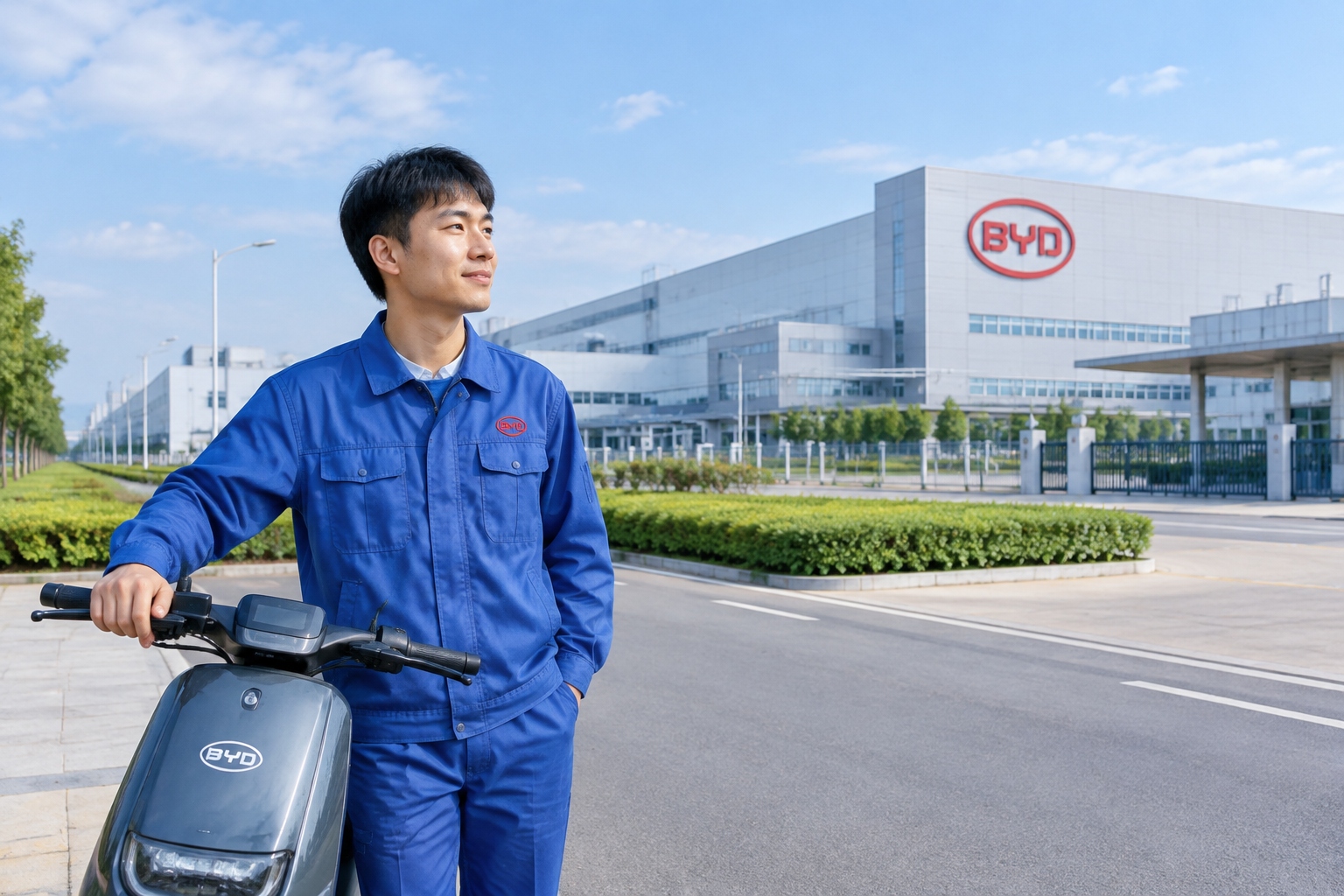
This transformation is not just a corporate story. For thousands of local workers who travel to the plant every day on electric scooters, it is about how their jobs and skills have changed — and how Henan is positioning itself in the global EV race.
From iPhone to EV: Henan’s Industrial Pivot
For more than a decade, Henan was famous for one thing in the global tech supply chain: Foxconn. Apple’s main contract manufacturer runs a huge campus in Zhengzhou, where hundreds of thousands of workers have assembled more than half of all iPhones at its peak. The iPhone assembly line brought millions of jobs to Henan and helped turn Zhengzhou into a major logistics hub.
But the risks of relying on a single product and a single company became clear when smartphone growth flattened and Apple started moving production to India and Vietnam. Meanwhile, China’s EV industry was exploding, and BYD was rising fast.
In 2021, BYD, now the world’s largest EV maker by sales, signed an agreement with the Henan government to build a new production base in the same area — the Zhengzhou Airport Economy Zone, which also hosts the city’s airport and the original Foxconn plant. The decision was symbolic: the region that made the iPhone would now make electric cars.
BYD in Zhengzhou: A Super Factory Takes Shape
The BYD Zhengzhou base is massive. According to public data, the project covers more than 10,000 acres (about 4,000 hectares) and includes not just vehicle assembly but also parts manufacturing, logistics, and employee housing. The plant started rolling out cars in April 2023, and by the end of that year it had produced about 300,000 vehicles. In 2024, the figure reportedly exceeded 500,000, and the company continues to expand capacity.
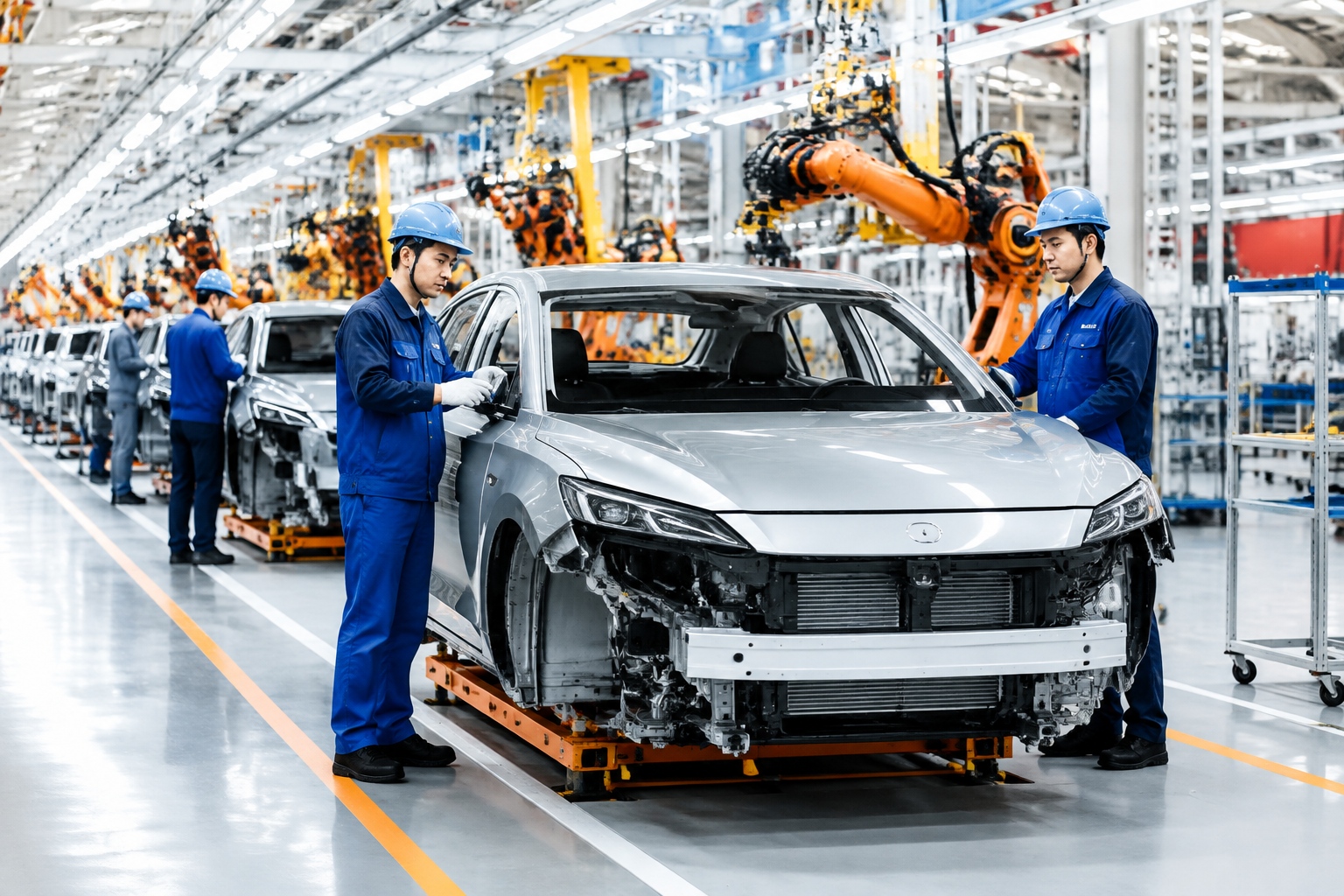
“We can produce a new car in less than a minute,” a BYD engineer told local media during a factory tour last year. That reflects a high level of automation — the welding and painting lines are almost completely robotized.
The factory does not just assemble cars. It also makes major components including electric motors, batteries, and electronic control units. This vertical integration is a key reason BYD is so cost-competitive, and it also means Henan is getting a much higher share of the value chain than it ever did with simple assembly work.
Why Henan? The Economics of Inland Manufacturing
Henan is not an obvious place for car manufacturing. Unlike Shanghai or Guangdong, it had no major passenger-car industry before. But BYD’s decision is based on a mix of advantages:
- Labor: Henan is China’s third-most-populous province, with over 100 million residents. Even after decades of migration to coastal factories, millions of young workers remain in or return to their home province.
- Location: Zhengzhou sits at the heart of China’s road, rail and air networks. The Zhengzhou Airport Economy Zone includes a major cargo airport and is linked to the national high-speed rail system. Cars made here can be trucked to most Chinese cities within 24 hours. The city is also a stop on the China-Europe freight rail line, with trains passing through Kazakhstan toward Europe.
- Land and energy: Compared with coastal hubs like Shenzhen, land is much cheaper and energy costs are lower, important for energy-intensive manufacturing.
- Government support: The Henan provincial government has made EV manufacturing a top priority, offering tax breaks, dedicated infrastructure and faster approval processes. The airport zone also simplifies logistics and customs.
This is part of a broader trend in China: manufacturing is moving inland, partly because coastal areas are crowded and expensive, partly because the government wants more balanced regional development.
The “Chain Owner” Effect: Building an EV Ecosystem
When a company as big as BYD sets up a plant, it brings its entire supply chain with it. Local media have tracked more than a hundred suppliers that have set up operations near the Zhengzhou base. They make everything from seat cushions to power batteries to windshield glass.
One example is Bethel Auto Parts, which built a factory in the neighboring city of Jiyuan to supply the new EV plant. Another is Shenzhen-based Desay Battery, which opened a facility in Zhengzhou to make battery modules. This “chain owner” model — where a lead manufacturer attracts its network of upstream firms — is helping Henan move from low-value assembly to higher-tech manufacturing.
By 2025, Henan’s EV production capacity is expected to exceed 2 million vehicles a year. The province aims to become one of China’s “new automobile powerhouses.”
What It Means for Workers
For locals, the change is felt most directly in the job market. In the early 2020s, a common career path for a young Henan villager was to go to Foxconn for 4,000 to 5,000 yuan a month, performing repetitive assembly work. Today, BYD’s assembly jobs pay around 6,000 to 8,000 yuan for newcomers, and skilled technicians can earn more. But it is not just wages.
A worker named Zhao, 28, who spent three years at the Foxconn plant, now works on BYD’s battery line. “At Foxconn, I did the same action a hundred times an hour,” he told me. “Here, I have to monitor equipment, check error codes, and fix small issues. I received training that never existed before.” His story reflects a shift from manual labor to “technician” work, though the line is still not easy.
Many young people see the BYD plant as a way to stay in Henan instead of migrating to coastal provinces. “I used to come home twice a year,” Zhao says. “Now I see my parents every weekend.”
Not a Zero-Sum Game: Foxconn Is Still Here
The shift from Foxconn to BYD doesn’t mean Foxconn has left. The Foxconn Zhengzhou campus continues to assemble iPhones, and in 2024 the company announced it is expanding into AI server assembly. Its dependence on one product, however, is shrinking. In 2023, Foxconn also started building an EV plant in Henan’s Zhoukou city, planning to produce electric commercial vehicles. The company wants to create its own automotive manufacturing business alongside its electronics work.
So Henan is now home to both a contract electronics manufacturer and one of the world’s leading EV brands. The competition for skills and workers is real, but in a broader sense the province is hedging its bets — no longer putting all its economic eggs in one basket.
Challenges Ahead
Even with rapid growth, Henan’s EV industry faces obstacles. Global EV demand is cooling, price wars are squeezing margins, and the United States and the European Union have imposed tariffs on China-made cars, limiting exports from Zhengzhou to key markets. Many core technologies — including autonomous-driving AI, high-end chips, and advanced materials — are still developed in coastal cities like Shenzhen, not in Henan. The province will need to build research and development capacity, not just assembly lines.
And as more provinces compete to attract EV investment, Henan’s advantages in lower labor and land costs will gradually thin. Innovation is the only way to keep ahead.
Conclusion: A Window Into China’s Manufacturing Evolution
The shift from Foxconn to BYD in the same geographic area is a clear example of how China’s manufacturing base is upgrading. It is not a story of companies replacing each other, but one of industrial evolution — from making low-margin electronics to high-tech, high-value products like electric vehicles.
For Henan, the benefit is not just about GDP numbers. It means more skilled jobs, more advanced factories, and a stronger position in the global supply chain. For the world, it means the center of EV production is expanding beyond China’s traditional coastal manufacturing belt, adding new dynamics to the industry.
“We used to say the iPhone was made in Zhengzhou,” a local official once said. “Now we say the future is made here too.”
Start the discussion at forum.chinacomes.com